Tokat: Seljuk Madrasas and Ottoman Hans in the Yeşilırmak Valley
On this page
- What is Tokat?
- How do you get to Tokat?
- Where should you stay in Tokat?
- What type of climate does Tokat have?
- When is the best time to visit Tokat?
- What is the history of Tokat?
- What is Tokat famous for?
- What are the historical places of Tokat?
- What are the best things to do in Tokat?
- What are the best places to visit in Tokat?
- What is the traditional food of Tokat?
- What should you buy in Tokat?
- Frequently asked questions about Tokat
- What do the official records say about Tokat?
Key facts: Tokat
- Region: Inner edge of the Central Black Sea region, in the Yeşilırmak basin, where the Black Sea mountains drop towards Central Anatolia.
- Best known for: Seljuk and Ottoman monuments in the old town (Gök Medrese, Taşhan, Ali Paşa Mosque, Hıdırlık Bridge), hand block-printed yazma textiles, Tokat kebabı and Ballıca Cave.
- Ancient sites: Comana Pontica, Sebastopolis (Sulusaray), Neocaesarea (Niksar) and the Hittite palace mound of Maşat Höyük in Zile.
What is Tokat?
Tokat is a province on the inland side of the Black Sea mountains, in the valleys of the Yeşilırmak and its tributaries, the Kelkit and the Çekerek. Its capital is an old town of Seljuk madrasas, Ottoman hans, bathhouses and mosques, laid out below a castle on a steep rock.
The 2002 inventory introduces it as a province in the Yeşilırmak basin where, from the 4th millennium BC, 14 states and many principalities lived and ruled, and which, with its rich natural resources and geostrategic position, became a place of settlement and conquest for principalities, states and empires. From the Central Black Sea mountains south into the interior of Anatolia, the inventory goes on, it is a province of plateaus, plains, vineyards and rivers at different altitudes that still keeps the traces of its long history.
For travellers it is a compact, little-visited city with a high density of medieval monuments, and a base for Niksar, Zile, Sulusaray and Ballıca Cave. Amasya and Sivas are each within about two hours.
Places to visit in Tokat
Gök Medrese
Gök Medrese in Tokat: the 13th-century Seljuk madrasa and hospital of Muineddin…
Tokat Castle
Tokat Castle: the Byzantine, Seljuk and Ottoman citadel on the rock above…
Ballıca Cave
Ballıca Cave near Pazar, Tokat: five levels and eight halls of stalactites,…
Sebastopolis
Sebastopolis at Sulusaray, Tokat: a Hellenistic and Roman city with mosaics, an…
Niksar
Niksar in Tokat: ancient Neocaesarea, a huge castle with the 1158 Yağıbasan…
How do you get to Tokat?
By air: Tokat Airport (TJK) has Turkish Airlines flights from Istanbul Airport, AJet flights from Sabiha Gökçen and Pegasus flights from İzmir. If schedules do not suit, Sivas, Samsun and Amasya-Merzifon airports are alternatives.
By road: State highways link Tokat with Sivas, Amasya, Ordu and Samsun, and intercity coaches arrive from Istanbul, Ankara and most cities in the region. Local minibuses serve Niksar, Zile, Turhal, Erbaa and the other districts.
By rail: Tokat city is not on the railway. The nearest line, between Samsun and Sivas, passes through Turhal in the west of the province.
Getting around: The old town around Sulusokak, Gaziosmanpaşa Bulvarı and Cumhuriyet Meydanı is easy to walk. For Ballıca Cave, Sulusaray or the yaylas you need a car or taxi.
Where should you stay in Tokat?
Stay in the city centre, within walking distance of Gaziosmanpaşa Bulvarı, where the Gök Medrese, Taşhan and Latifoğlu Konağı are close together, and Sulusokak, the old main street with the Tokat Museum. Niksar has its own hotels if you are touring the Kelkit valley, and Reşadiye and Sulusaray have thermal accommodation.
Tours in Anatolia
−5% Istambul readers save 5% on every tour below — applied at checkout.
Partner listings via GetYourGuide · free cancellation on most
What type of climate does Tokat have?
Tokat sits between the Black Sea and continental climates. Summers are hot and dry in the valley, winters cold with real snowfall, and the annual rainfall is modest, around 440 mm. The northern districts, Niksar, Erbaa and Reşadiye, are greener and wetter, and the yaylas at 1,600–2,000 m stay cool through summer.
When is the best time to visit Tokat?
May, June, September and October are best. In June the province’s cherries ripen, and the 2002 inventory lists cherry festivals in Tokat and Zile in June and a sour-cherry festival in Almus in July. Late spring is also when the yaylas open. July and August are hot in the city but good for the highlands. Winter is cold and quiet but the monuments are all in town and easy to see on a crisp day.
What is the history of Tokat?
The inventory dates human settlement in Tokat to at least 6,000 years ago. Excavations at Horoztepe, near Erbaa, uncovered a cemetery of about 3000 BC with metal and gold ornaments, including a figurine of a woman nursing her child, now in the Museum of Anatolian Civilizations in Ankara. Later finds of the 4th millennium BC, the inventory notes, show that Tokat’s history began not 5,000 but 6,000 years ago. Along the Kelkit, Yeşilırmak and Çekerek, Hittite and Phrygian settlements hosted a high level of art and culture between 2500 and 400 BC.
At Maşat Höyük in Zile, excavations between 1973 and 1984 uncovered the palace of a frontier lord subject to the Hittite Empire at Hattusa, with Hittite tablets now in the Tokat Museum. In the Hellenistic and Roman periods the area belonged to the Kingdom of Pontus and then to Rome; its main centre was Comana Pontica, east of the modern city, a temple city and trading centre described by Strabo. Zile, ancient Zela, is where Julius Caesar defeated Pharnaces II in 47 BC; local tradition places his “Veni, vidi, vici” on the hill of Zile Castle.
The inventory states that the castle was taken for the first time in 1074 by the Danishmend Melik Ahmet Gazi, who also built the Garipler Mosque that year, the oldest mosque in Tokat. Under the Seljuks of Rum, Tokat became one of the great cities of Anatolia on the caravan routes, and the 13th century left its most important buildings: the Gök Medrese of Muineddin Pervane, the Hıdırlık Bridge and a series of tombs. After the Ilkhanids and the Eretnids, the Ottomans took the city at the end of the 14th century, and the 15th–17th centuries added the Hatuniye Mosque, the Ali Paşa Mosque, the bedesten and Taşhan.
What is Tokat famous for?
Medieval monuments. Few Anatolian towns of Tokat’s size have so many Seljuk and Ottoman buildings in such a small area. The inventory notes that of the 59 mosques and mescids open for worship in the city centre, 39 were built in the Ottoman period.
Yazma. Tokat is known for yazma, cloth printed by hand with carved wooden blocks and natural dyes, a craft that flourished in the Ottoman period. The Tokat Museum has rooms on yazma printing and copperwork.
Tokat kebabı. Lamb baked in a wood oven with aubergine, potatoes, green peppers, tomatoes and garlic.
Ballıca Cave. A show cave near Pazar, famous for its formations.
What are the historical places of Tokat?
In Tokat city
Gök Medrese. The 13th-century Seljuk building of Muineddin Pervane on Gaziosmanpaşa Bulvarı. See our Gök Medrese guide.
Tokat Castle. On the rock above the old town; see our Tokat Castle guide. It has been closed to visitors for restoration.
Tokat Museum. Since 2012 in the Arastalı Bedesten, a covered market probably built under Mehmed I (1413–1421), on Sulusokak. Highlights include the Hittite tablets from Maşat Höyük, Roman bronzes, a Seljuk Qur’an dated 1191, and rooms on yazma printing and copperwork.
Taşhan (Voyvoda Han). On Gaziosmanpaşa Caddesi, a great Ottoman monument of 1631. The inventory describes a rectangular, two-storey han of cut stone and brick around a large courtyard, with 32 rooms and a mescid, and arcades facing the courtyard on both floors. Shops still occupy the cells.
The bedesten. On Sulu Sokak east of the Takyeciler Mosque. Evliya Çelebi called it “a market as fine as the Sultan’s bazaar, laid out in perfect order like the markets of Aleppo and Bursa”. Eleven domes rest on brick vaults, and the inventory calls the craftsmanship of its columns and vaults extremely advanced.
Hıdırlık (Yeşilırmak) Bridge. A typical Seljuk bridge of five arches in cut stone, 151 m long and 7 m wide, still in use. Its inscription shows it was begun after 1249 and names the builder as Pervane Seyfeddin Hamid ibn Ebül Kasım-ı Tusi. The inventory points out that the inscription names three Seljuk princes who fought each other for three years, which makes it important for Seljuk history.
Ali Paşa Mosque. South of Cumhuriyet Meydanı, built in 1572 and the largest Ottoman monument in Tokat. It has no foundation inscription: the inventory explains that by Ottoman custom nobles in exile could not put inscriptions on their buildings, so Ali Paşa placed epitaphs on the tombs in the courtyard and so attached his name to the mosque indirectly.
Hatuniye (Meydan) Mosque. Built in the 15th century by Sultan Bayezid II in the name of his mother, Gülbahar Hatun. The inventory calls it one of the most beautiful Ottoman works in Tokat, with a marble portal carved with Seljuk-style muqarnas and a door of interlocking wood.
Latifoğlu Konağı. A late-18th-century mansion with painted and carved interiors, now a small museum.
Sümbül Baba Zaviye and Tomb. Built in 1292 by Hacı Sümbül, a freed slave of Safiyeddin, daughter of Muineddin Pervane. Its portal, mescid and tomb are well preserved.
Clock Tower. Built in 1902 for the 25th anniversary of Abdülhamid II’s accession, 33 m tall, in cut stone.
Around the province
Sebastopolis, the Roman city under Sulusaray; Niksar, ancient Neocaesarea, with one of the largest castles in Türkiye; Zile Castle, on a mound in the centre of Zile, with a restored cistern and a small Roman theatre cut into the rock on its northeast side; Comana Pontica at Gümenek, where excavations at Hamam Tepe since 2009 have found walls, workshops and a large hexagonal pool; and the Artova underground settlement, an early Christian complex of three levels carved in bedrock, opened to visitors in 1995.
What are the best things to do in Tokat?
- Walk Sulusokak and Gaziosmanpaşa Bulvarı. Most of the monuments listed above are along or just off these two streets.
- Learn about yazma. The Tokat Museum has rooms on hand-printed kerchiefs and copperwork, and yazma is sold in the old town.
- Visit Ballıca Cave. The inventory notes that its formations include onion-shaped stalactites found in no other cave in Türkiye.
- Go to a yayla market. At Selemen Yaylası on the Reşadiye–Ordu border, the inventory records, Sultan Selim I camped with his army in 1514 on the way to Chaldiran and performed a Friday prayer. Since then a traditional market has been held there every Friday from spring until the first snow, drawing people from the districts of Tokat, Ordu, Samsun, Giresun and Sivas.
- Get up to the plateaus. Topçam Yaylası, 15 km from Tokat at 1,600 m, smells of pine; Batmantaş, 48 km away, has forest below and pasture above; Boğalı Yaylası lies between Tokat and Erbaa at 1,900 m.
- Soak in a hot spring. The inventory calls Sulusaray’s spring, at 55°C, the most important in the province and region, and lists Reşadiye’s at 40–41°C.
- Walk and fish. The inventory recommends the route between Alan Yaylası, the Akdağ summit (2,000 m) and Ballıca Cave for trekking, and the Almus dam lake for fishing and water sports.
What are the best places to visit in Tokat?
Gök Medrese is the Seljuk madrasa and hospital of Muineddin Pervane, built around 1277, with reused Roman columns and tile decoration.
Tokat Castle is the citadel on the rock above the town, Byzantine in origin, where Vlad III was held as a hostage.
Ballıca Cave is a multi-level show cave near Pazar, with halls of stalactites, stalagmites and pools.
Sebastopolis is the Roman city at Sulusaray, with mosaics, an open-air display of columns and sarcophagi, and a hot spring.
Niksar is ancient Neocaesarea, later a Danishmend centre, with a huge castle and one of the earliest madrasas in Anatolia.
Also worth your time: Taşhan, the bedesten, the Tokat Museum, Hıdırlık Bridge, Latifoğlu Konağı, Zile and the Almus dam lake.
What is the traditional food of Tokat?
Tokat kebabı is the signature dish: lamb, aubergine, potatoes, green peppers and tomatoes threaded and baked together with garlic in a wood-fired oven, and served with thin bread. Zile pekmezi is a grape molasses whipped with egg white until pale and thick, traditionally sold in a wooden pot. The vineyards around Tokat and Zile also produce the grape leaves used for yaprak sarma, and the province’s cherries, sour cherries and strawberries are celebrated with local festivals.
What should you buy in Tokat?
Yazma. Block-printed scarves, tablecloths and bedspreads, in traditional patterns. Copperware, a long-standing Tokat craft. Zile pekmezi in its wooden pot. Taşhan’s courtyard shops are the easiest place to look.



Frequently asked questions about Tokat
Is Tokat worth visiting?
Yes, if you like medieval architecture. The old town packs a Seljuk madrasa, a 13th-century bridge, Ottoman mosques, a bedesten and Taşhan into a few streets, with few tourists.
How many days do you need in Tokat?
One full day covers the city. Add a day for Ballıca Cave and Sulusaray, or for Niksar.
How do you get to Tokat?
Fly to Tokat Airport (TJK) from Istanbul or İzmir, or take an intercity coach. Sivas and Samsun airports are alternatives.
Can you visit Tokat Castle?
The Tokat Culture and Tourism Directorate has announced that the castle is closed to visitors for restoration, so check before you go.
What is Tokat kebabı?
Lamb baked in a wood-fired oven together with aubergine, potatoes, green peppers, tomatoes and garlic, served with thin bread.
What is Tokat yazma?
Cloth hand-printed with carved wooden blocks and natural dyes, a craft that flourished in Ottoman Tokat and is still practised in the city.
What do the official records say about Tokat?
Of the countless historical works spread over the districts and villages, from Tokat in the centre to Zile and Reşadiye, and from Erbaa and Niksar to Artova, many have been destroyed or ruined over some 5,000 years by invasions, wars and earthquakes. While those that remain underground wait to be brought to light, many of the monuments that have survived to our day cannot be adequately protected.
With a past of 6,000 years on which many civilisations have lived, Tokat, with its historical and cultural wealth, its natural surroundings and beauty, its rich cuisine and its handicrafts rooted centuries in the past, is a candidate to become a true tourism paradise. (Ministry of Culture and Tourism, Tokat Provincial Tourism Inventory, 2002)
Ready to see Tokat?
Hand-picked tours with good reviews and clear prices.
Partner listings via GetYourGuide · free cancellation on most
Before or after: Istanbul
Most trips start or end in Istanbul. Our own experiences there:
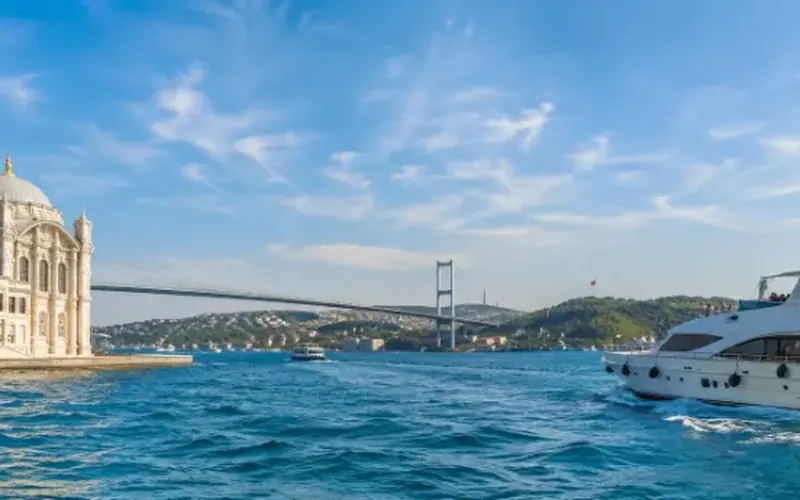
 Dinner, sunset and day cruises between Europe and Asia.See cruises bosporuscruise.com
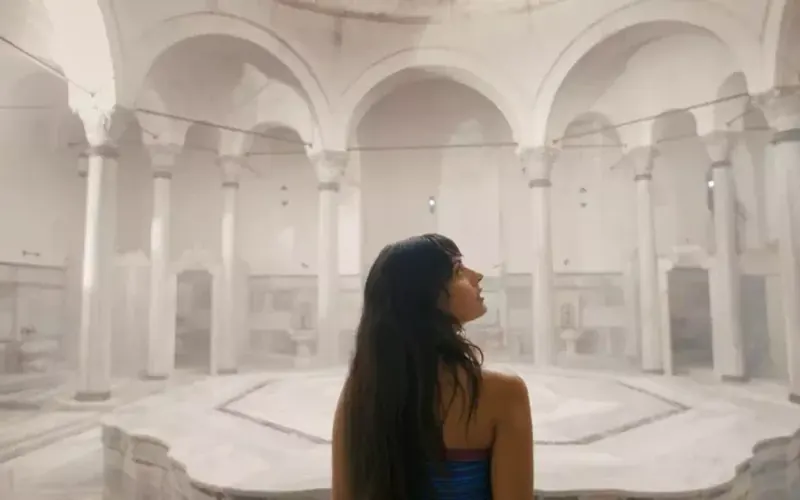
 Historic Turkish baths in the old city — hand-picked hamams, booked direct.Book a hamam istanbulhamam.com
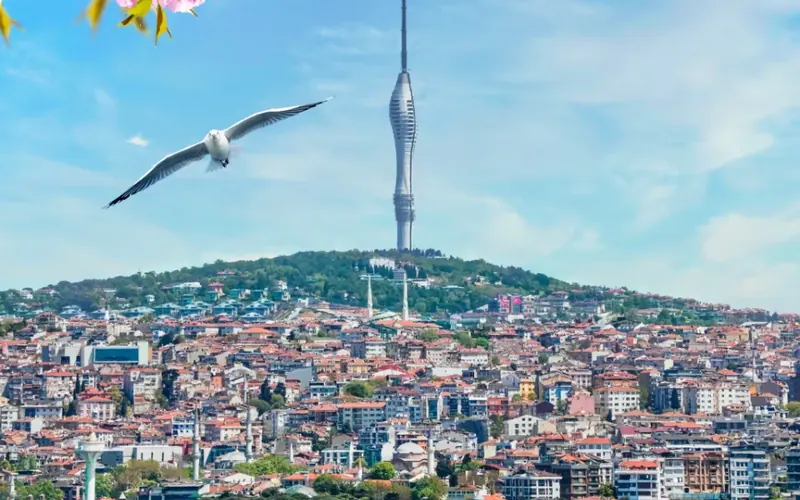
 Istanbul’s tallest viewpoint: both continents from 369 metres.Get tickets camlicatower.com
 Free audio guides in 15 languages, safe routes and local tips — plus 5% off GetYourGuide.Open the free guide localada.com
Nearby
All destinationsZonguldak
Zonguldak travel guide: Gökgöl Cave, the Cehennemağzı Caves of Herakles…
Kahramanmaraş
Kahramanmaraş travel guide: the restored castle and Ulu Mosque, Eshab-ı…

Kocaeli
Kocaeli and its centre İzmit, ancient Nicomedia: once an eastern…
Gaziantep
Gaziantep travel guide: Zeugma Mosaic Museum, the castle and copper…