Bartın: Amasra, Wooden Houses and Boatyards
On this page
- What is Bartın?
- How do you get to Bartın?
- Where should you stay in Bartın?
- What type of climate does Bartın have?
- When is the best time to visit Bartın?
- What is the history of Bartın?
- What is Bartın famous for?
- What are the historical places of Bartın?
- What are the best things to do in Bartın?
- What are the best places to visit in Bartın?
- What is the traditional food of Bartın?
- What should you buy in Bartın?
- Frequently asked questions about Bartın
- What do the official records say about Bartın?
Key facts: Bartın
- Region: Western Black Sea coast, with 59 km of shoreline between Zonguldak and Kastamonu; a province since 1991.
- Best known for: Amasra’s harbours, castle and Roman remains, the wooden houses of Bartın town, and the basalt columns of Güzelcehisar.
- Protected nature: Part of the Küre Mountains National Park lies in the province, around Ulus, Kurucaşile and Amasra.
What is Bartın?
Bartın is a small province on the western Black Sea coast of Türkiye, between Zonguldak and Kastamonu. Its capital, also called Bartın, lies about 14 km inland on the Bartın River, which is navigable from the town down to the sea; the old river port gave the town its trade. Bartın was a district of Zonguldak until it became a province in 1991.
Most visitors come for Amasra, a fishing town on a peninsula with two harbours, a Byzantine and Genoese castle and a museum of Roman finds. In 2024 Amasra, a town of around 6,600 people, received about 1.5 million visitors in the first eight months of the year, almost all of them Turkish.
Beyond Amasra, the province has the wooden mansions of Bartın town, the boatyards of Kurucaşile, the basalt columns of Güzelcehisar, and forested uplands that rise towards the Küre Mountains National Park.
Places to visit in Bartın
Amasra
Amasra on the Black Sea: the Byzantine and Genoese castle, Kemere Bridge,…
Kuşkayası Monument
Kuşkayası Monument near Amasra: a Roman road memorial of Claudius's reign, with…
Güzelcehisar Basalt Columns
Güzelcehisar Basalt Columns near Bartın: a nature monument of columnar lava on…
How do you get to Bartın?
By air: The nearest airport is Zonguldak Airport, near Çaycuma, west of Bartın. Turkish Airlines flies there daily from Istanbul Airport, and SunExpress flies from Düsseldorf year-round and from Dortmund in season. Kastamonu Airport, also with flights from Istanbul, is an alternative for the eastern part of the province.
By road: Most travellers arrive by coach; Bartın has direct buses from Istanbul, Ankara and the cities of the region. Minibuses run frequently from Bartın to Amasra, about 15 km away, and to Kurucaşile and Ulus. The coast road east from Amasra to Kurucaşile and Cide is slow and winding, so allow extra time.
By rail: There is no railway to Bartın. The nearest stations are on the Karabük–Zonguldak line.
Where should you stay in Bartın?
Stay in Amasra for the sea: the town has many hotels and pensions around its two harbours, and in summer it is worth booking ahead, especially for weekends. The inventory lists camping and caravan sites at Bozköyaltı, Çakraz and Delikli Şile on the Amasra coast. Bartın town has city hotels and is practical for exploring inland and for the Güzelcehisar coast.
Book a Bartın tour
−5% Istambul readers save 5% on every tour below — applied at checkout.
Partner listings via GetYourGuide · free cancellation on most
What type of climate does Bartın have?
Bartın has a mild, wet Black Sea climate. Summers are warm rather than hot, with average temperatures of about 22.5°C in July and August, and the sea is warm enough for swimming from late June to September. Winters are cool and damp, averaging about 4°C in January and February, with occasional snow. Rain falls throughout the year, which is why the hills are so green.
When is the best time to visit Bartın?
June to September for swimming and the Amasra harbourfront, May and October for walking and quieter towns. Amasra is very busy at summer weekends and on public holidays, so come midweek if you can. In winter the coast is quiet and the sea is often rough.
What is the history of Bartın?
Bartın lies in the ancient region of Paphlagonia. The 2002 provincial inventory lists three ancient cities within today’s province: Sesamos (Amasra), Kromna (Kurucaşile) and Erythinoi (Çakraz). Bartın itself was the ancient Parthenios, or Parthenia, the Greek name of the river on which it stands. In the early Hellenistic period Queen Amastris, a niece of the last Persian king Darius III, united several small settlements on the Amasra peninsula into one city and gave it her name.
Amastris prospered under Rome, when Pliny the Younger, as governor, wrote to the emperor Trajan about covering the city’s open drain. In the Byzantine period the town was sacked by the Rus in the 830s but recovered and was praised as “the eye of Paphlagonia”. In 1261 the Genoese took Amasra and held it as a trading post for two centuries, until Sultan Mehmed II took both Amasra and Bartın in the mid-15th century.
Shipbuilding runs through the province’s history. According to the inventory, it goes back about 400 years: Evliya Çelebi wrote that galleons were built at Bartın and Amasra, and the yards of Bartın, Amasra and Kurucaşile supplied the Ottoman navy with galleons and galleys as well as barges, sailing ships, gulets and other local boats. Today the tradition continues in the yards of Kapısuyu and Tekkeönü near Kurucaşile, where gulets are still built in wood.
What is Bartın famous for?
- Amasra, one of the most popular small towns on the Turkish Black Sea coast.
- Wooden Bartın houses, built in gardens behind timber fences.
- Wooden boatbuilding at Kurucaşile, where gulets are still made by hand.
- The basalt columns of Güzelcehisar, a nature monument since 2017.
- A large local cuisine: the inventory counts more than a hundred dishes, with over ten kinds each of dolma and pilaf.
What are the historical places of Bartın?
Amasra. The castle with its Genoese coats of arms, the former Byzantine church now used as a mosque, the Roman stoa uncovered in the Kum quarter, and the Amasra Museum.
Kuşkayası Monument. A Roman roadside monument of the reign of Claudius (AD 41–54), carved into a rock face above the Bartın–Amasra road, with a figure, an eagle and a bilingual inscription.
Bartın’s wooden houses. The inventory describes them as the one example in Türkiye that expresses the art movements brought by the Tanzimat reforms, spanning a period of about 200 years, with art nouveau and baroque details on their façades. They stand in gardens surrounded by timber fences called daraba; each garden has a stone well, and paths of flagstones lead to the entrance, the kulak. The houses are mostly two-storey, of timber over a stone basement.
Places of pilgrimage. The inventory notes the Ebu Derda tomb in Bartın town, dedicated to one of the standard-bearers of the Prophet Muhammad, and the Şimşirli Baba Mosque in Kalecik village, Ulus, both visited by local Muslims.
Kocagöz Mansion, Ulus. A restored mansion that now holds an ethnography museum, a crafts workshop and the visitor centre of the Küre Mountains National Park.
What are the best things to do in Bartın?
- Walk around Amasra’s two harbours and over the bridge to the castle island at sunset.
- Swim at the beaches the inventory lists: İnkumu, Amasra, Çakraz, Kızılkum, Mogada, Güzelcehisar, Bozköy, Delikli Şile and Kurucaşile among them.
- Dive. The inventory recommends the waters off Tarlaağzı, Çakraz Point and Mogada for divers.
- Hike. Routes listed in the inventory include Amasra Kaleşah – Amasra ridges – Bakacak – Cevizlik Valley (three hours) and Eldeş village – Kestane – Uluyayla near Ulus (three hours).
- Go up to Uluyayla and Arıt, upland pastures at around 1,000 m in old forest of fir, Scots pine, beech, hornbeam, oak and lime.
- Visit the boatyards of Kurucaşile, where wooden gulets are built on the beach.
- Fish. Whiting, horse mackerel, bluefish, mullet, turbot, bonito and garfish are caught off the coast, and carp and other freshwater species in the Bartın River.
The uplands deserve more time than most visitors give them. The inventory describes Uluyayla, at an average altitude of 1,000 m, as having the character of a national park in its own right, with coniferous and broadleaf forest, flowers, springs, caves and wildlife across some 86,000 hectares of untouched woodland. The Arıt plateau stretches towards the Arıt mountains and merges with Uluyayla. Within the Küre Mountains National Park alone, 40 mammal species and 129 bird species have been recorded, according to the inventory.
What are the best places to visit in Bartın?
Amasra: the harbour town on its peninsula, with a castle, two islands, a museum and the Roman stoa of Amastris.
Kuşkayası Monument: the rock-cut Roman road monument about 4 km from Amasra.
Güzelcehisar Basalt Columns: columns of cooled lava on the shore west of Bartın, reached by a wooden walkway.
Also worth seeing: the wooden houses of Bartın town, Kurucaşile and its boatyards, the coves of Çakraz and Bozköy, Uluyayla, and the Küre Mountains around Ulus. Gürcüoluk Cave near Çakraz, praised in the inventory for its coloured stalactites and travertine pools, was closed with an iron gate in 2013 and is not open as a show cave.
What is the traditional food of Bartın?
Bartın’s cooking draws on the forest, the garden and the sea. Look for pumpum çorbası (a local soup), pirinçli mantı (dumplings filled with rice), etli ayva (quince cooked with meat), kırk katlı börek (a many-layered pastry) and şapşap köfte. In Amasra, order the Amasra salad with fresh Black Sea fish: anchovy in winter, bonito in autumn, whiting and horse mackerel through much of the year.
What should you buy in Bartın?
Model ships and gulets, a fitting souvenir from a province of boatbuilders; wood-block printed cloths (ahşap baskı yazma) and tel kırma embroidered scarves; hand-woven kilims; and homemade preserves and other village products from the markets of Bartın town.



Frequently asked questions about Bartın
Is Amasra in Bartın province?
Yes. Amasra is a district of Bartın, about 15 km north of Bartın town on the Black Sea coast.
What is the nearest airport to Bartın?
Zonguldak Airport near Çaycuma, with daily Turkish Airlines flights from Istanbul and SunExpress flights from Germany. Kastamonu Airport is an alternative.
When is the best time to visit Bartın and Amasra?
June to September for swimming, May and October for quieter towns and walking. Avoid summer weekends in Amasra if you dislike crowds.
What is Bartın famous for?
Amasra, wooden Bartın houses, gulet building at Kurucaşile, the Güzelcehisar basalt columns and a varied local cuisine.
Can you reach Bartın by train?
No. The nearest railway stations are on the Karabük–Zonguldak line, so most visitors come by coach or fly to Zonguldak.
How many days do you need in Bartın?
Two days cover Amasra, Kuşkayası and Güzelcehisar. Add a day for Kurucaşile and the coast road, or for Ulus and the Küre Mountains.
What do the official records say about Bartın?
The history of shipbuilding in Bartın goes back about 400 years. Using its resources in the most productive way, the people of the region made use of their rich forest products and also knew how to combine this with art.
Evliya Çelebi’s Book of Travels records that galleons were built at Bartın and Amasra. Written sources also show that the ships built at the Bartın, Amasra and Kurucaşile shipyards, which met the Ottoman navy’s need for galleons and galleys, included types such as the mavna, the sailing ship, the gulet, the çektirme, the bumbarta and the martiko. Today shipbuilding continues in the yards of Kapısuyu and Tekkeönü villages in Kurucaşile district. A replica of the Golden Hind, the ship of Sir Francis Drake, the most famous English seaman of the reign of Queen Elizabeth I, was completed in three years at a private yard in Tekkeönü and launched there. (Ministry of Culture and Tourism, Bartın Provincial Tourism Inventory, 2002)
Ready to see Bartın?
Hand-picked tours with good reviews and clear prices.
Partner listings via GetYourGuide · free cancellation on most
Before or after: Istanbul
Most trips start or end in Istanbul. Our own experiences there:
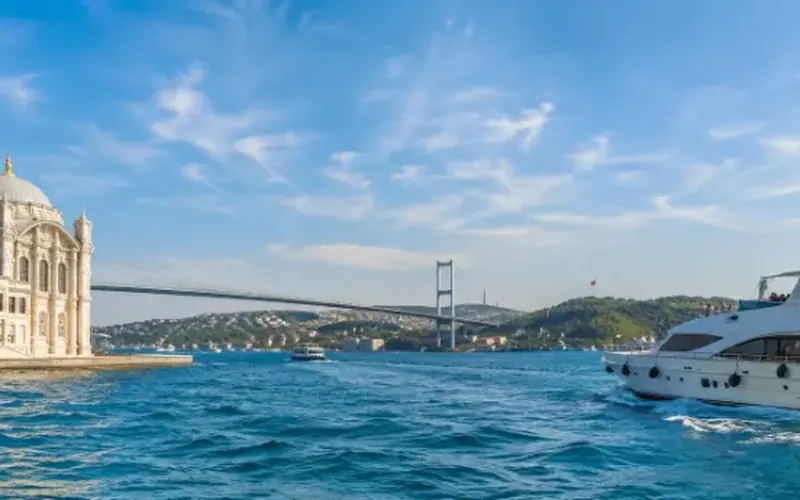
 Dinner, sunset and day cruises between Europe and Asia.See cruises bosporuscruise.com
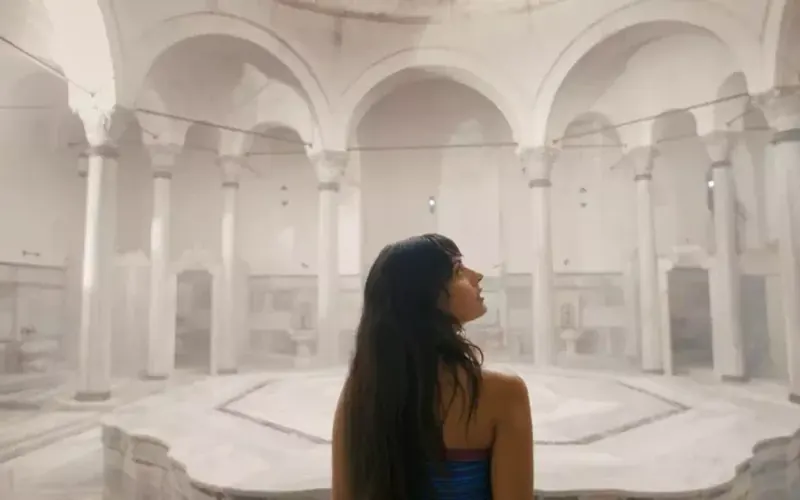
 Historic Turkish baths in the old city — hand-picked hamams, booked direct.Book a hamam istanbulhamam.com
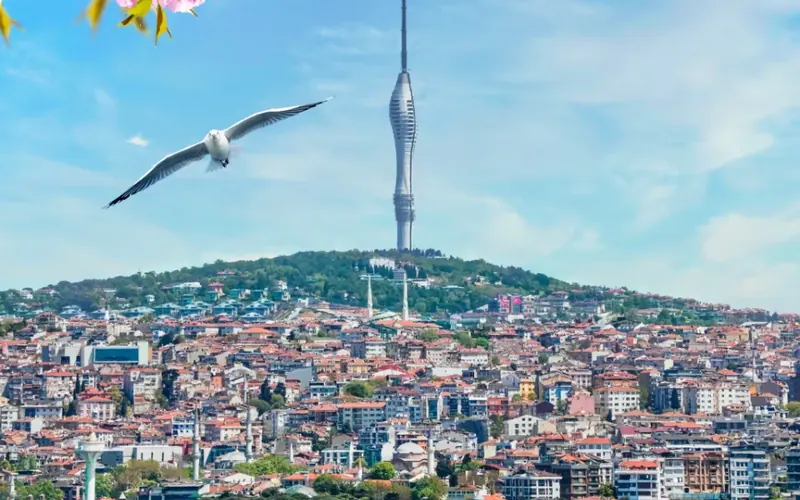
 Istanbul’s tallest viewpoint: both continents from 369 metres.Get tickets camlicatower.com
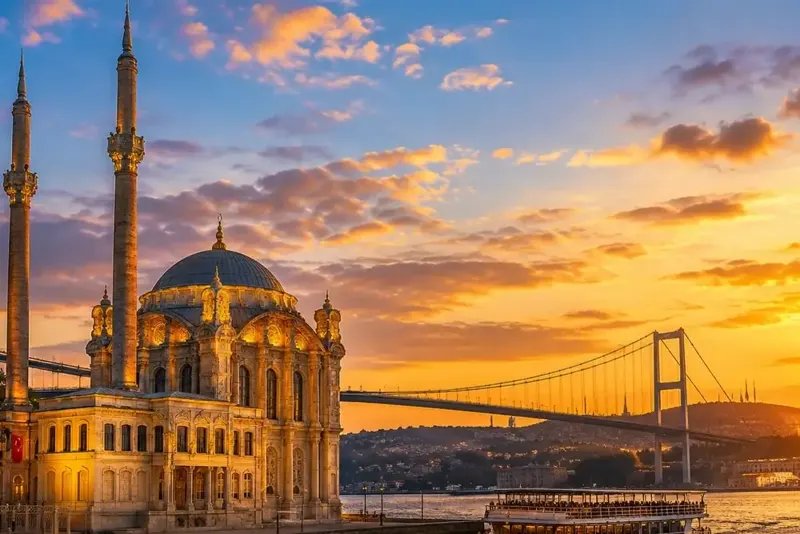
 Free audio guides in 15 languages, safe routes and local tips — plus 5% off GetYourGuide.Open the free guide localada.com
Nearby
All destinationsKütahya
Kütahya travel guide: the Roman city of Aizanoi, hand-painted tiles,…
Karaman
Karaman travel guide: Binbirkilise on Karadağ, Karaman Castle, the Hatuniye…
Osmaniye
Osmaniye travel guide: Karatepe-Aslantaş and its Hittite bilingual, Kastabala, Toprakkale…
Tunceli
Tunceli travel guide: Munzur Valley National Park, the sacred Munzur…