
Küre Mountains National Park: Karst Canyons and Forest
On this page
- What is Küre Mountains National Park?
- How do you get to Küre Mountains National Park?
- When is the best time to visit Küre Mountains National Park?
- What is the history of Küre Mountains National Park?
- What is Küre Mountains National Park famous for?
- What can you do at Küre Mountains National Park?
- Frequently asked questions about Küre Mountains National Park
- What do the official records say about Küre Mountains National Park?
Key facts: Küre Mountains National Park
- What it is: A karst national park of canyons, caves and old-growth forest, established in 2000 and certified by PAN Parks in 2012.
- Where: Küre Mountains, Kastamonu and Bartın provinces; core zone of 37,753 ha around Pınarbaşı, Azdavay, Cide, Şenpazar, Kurucaşile, Ulus and Amasra.
- Highlights: Valla Canyon, Horma Canyon walkway, Ilıca Waterfall, Ilgarini Cave.
What is Küre Mountains National Park?
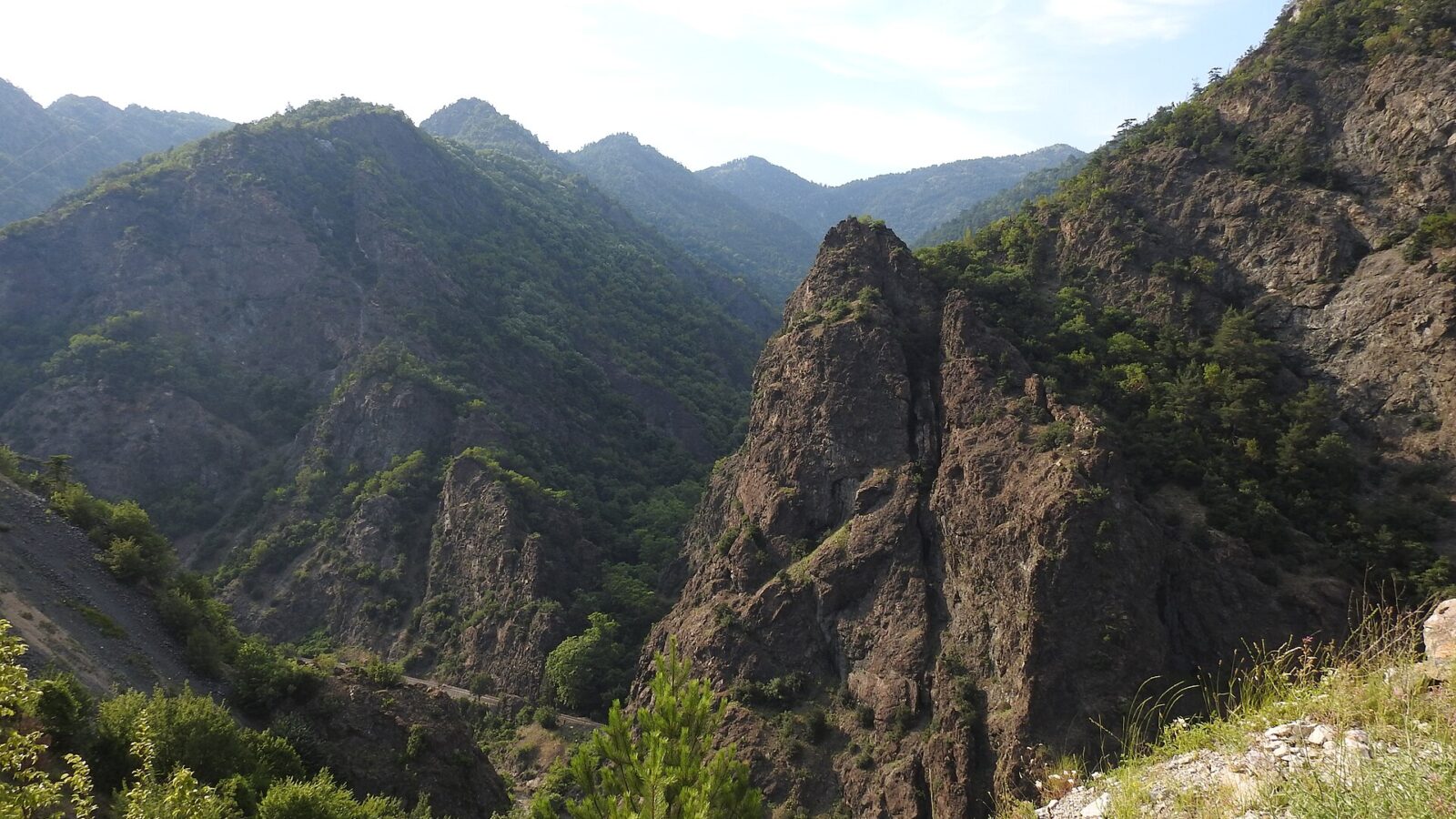
Küre Mountains National Park (Küre Dağları Milli Parkı) protects the limestone range that runs parallel to the Black Sea coast between Kastamonu and Bartın. It lies in the Western Black Sea Karst Belt, and its rock has been dissolved into deep canyons, gorges, caves and sinkholes, all under dense forest of beech, fir and pine.
The core zone covers 37,753 hectares, and with its buffer zone the protected area is over 130,000 hectares. No villages lie inside the core zone; about 23,000 people live in 123 settlements around it. WWF designated the range a priority protection area and counts it among Europe’s 100 forest hot spots, and in 2012 the park was certified by the PAN Parks network for European wilderness areas.
For most visitors the park means two places in Pınarbaşı district: the cliffs of Valla Canyon and the wooden walkway through Horma Canyon to Ilıca Waterfall.
How do you get to Küre Mountains National Park?
Pınarbaşı, the main base on the Kastamonu side, is reached by road from Kastamonu city, to the north. Horma Canyon is about 5 km from Pınarbaşı. Valla Canyon is about 26 km north of Pınarbaşı, near Muratbaşı village; the viewing terraces at Muratbaşı and Kerte are reachable by car, while the canyon floor is reached by a steep footpath of about 1.5 km.
From the Bartın side, Ulus is the gateway: the Kocagöz Mansion there houses the park’s visitor information centre with an ethnography museum. Public transport inside the park is very limited, so a car or a local guide is needed. Kastamonu Airport is the nearest airport.
Tours in Anatolia
−5% Istambul readers save 5% on every tour below — applied at checkout.
Partner listings via GetYourGuide · free cancellation on most
When is the best time to visit Küre Mountains National Park?
Late May to October. The Horma Canyon walkway and Ilıca Waterfall are at their best in late spring and early summer, when the Zara stream is full, and in September and October, when the beech forest turns. In winter and after heavy rain the walkway and paths can be slippery. Valla Canyon is a serious hike and should be done only in dry weather and with a guide.
What is the history of Küre Mountains National Park?
The Küre Mountains have been settled at their edges for thousands of years. Ilgarini Cave on the Sorkun plateau, 858 m long and 250 m deep, was used in Roman and Byzantine times for settlement and worship: structures, pottery, cisterns, wells, juniper-wood coffins, a chapel and a kiln have been found inside. Near Ilıca village there is also a historic bath of the Byzantine period.
The national park was established on 7 July 2000. In 2001 the Pınarbaşı Ecotourism Centre opened and trained local nature guides, and ecotourism maps followed in 2002. Between 2016 and 2019 a wooden walkway about 3 km long was built along the cliffs of Horma Canyon; around 260,000 bolts anchor it to the rock, and in places it runs 50–60 m above the canyon floor.
The 2002 inventory, written soon after the park was founded, noted that it was one of the untouched places of the region, not yet opened to use, with no park services yet in place.
What is Küre Mountains National Park famous for?
- Valla Canyon, where cliffs rise 800–1,200 m above the meeting of the Devrekani and Kanlıçay streams, home to eagles, hawks and vultures.
- Horma Canyon, a canyon about 3.5 km long on the Zara stream, with its cliff-side wooden walkway.
- Ilıca Waterfall, a 15 m fall into a natural pool at the end of the Horma walkway.
- Wildlife: 48 of Türkiye’s mammal species, including brown bear, red deer, otter and wildcat, and 129 bird species, among them the globally threatened Egyptian vulture.
What can you do at Küre Mountains National Park?
Walk Horma Canyon. The walkway runs about 3 km from the canyon entrance to Ilıca Waterfall, along platforms fixed to the rock above the Zara stream. It is the park’s most popular walk and suitable for most fit visitors.
Look into Valla Canyon. The viewing terraces at Muratbaşı and Kerte give the classic view down into the canyon. Walking through the canyon itself is a long, demanding route that needs a local guide.
Rest at Ilıca Waterfall. The natural pool below the 15 m fall is a day-use area, and the historic Byzantine-era bath at Ilıca is close by.
See Ilgarini Cave. On the Sorkun plateau, which is also a day-use area. The cave is a serious undertaking and best visited with a local guide.
Visit Çatak Canyon and Kızılcasu. Çatak Canyon has a glass viewing terrace, and the Kızılcasu camp area in Şenpazar has cabins, tent and caravan sites and a picnic area.
Birdwatching and wildlife. The park records 129 bird species; the cliffs of Valla are the best place to watch raptors.



Frequently asked questions about Küre Mountains National Park
Where is Küre Mountains National Park?
In the western Black Sea region, on the Küre Mountains between Kastamonu and Bartın provinces. Pınarbaşı in Kastamonu and Ulus in Bartın are the main gateways.
How long is the Horma Canyon walkway?
About 3 km, from the canyon entrance to Ilıca Waterfall, built between 2016 and 2019 along the cliffs above the Zara stream.
Can you hike through Valla Canyon?
Yes, but it is a long, demanding route between cliffs of 800–1,200 m. Go with a local guide; the viewing terraces at Muratbaşı and Kerte are easy to reach.
When was Küre Mountains National Park established?
On 7 July 2000. It was certified by the PAN Parks network in 2012.
What animals live in the Küre Mountains?
48 mammal species, including brown bear, red deer, otter and wildcat, and 129 bird species, among them the Egyptian vulture.
What do the official records say about Küre Mountains National Park?
The Küre Mountains National Park is one of the areas with the richest flora and fauna on the Küre Mountains in the western Black Sea section. It is one of the untouched places of the region not yet opened to use. Around the national park lie the administrative districts of Azdavay, Pınarbaşı, Ulus, Bartın, Kurucaşile, Amasra and Cide. The animals living in the park include deer, roe deer, bear, wolf, fox, jackal, hare and wild boar, as well as songbirds, birds of prey and reptiles.
Places to see: Valla Canyon, Aydos Canyon and Ilgarini Cave, and the Ilıca Waterfall in Ilıca village, are among the places worth seeing. (Ministry of Culture and Tourism, Kastamonu Provincial Tourism Inventory, 2002)
Main photo: Perseusfs, CC BY-SA 4.0, via Wikimedia Commons.
Ready to see Küre Mountains National Park?
Hand-picked tours with good reviews and clear prices.
Partner listings via GetYourGuide · free cancellation on most
Before or after: Istanbul
Most trips start or end in Istanbul. Our own experiences there:

 Dinner, sunset and day cruises between Europe and Asia.See cruises bosporuscruise.com

 Historic Turkish baths in the old city — hand-picked hamams, booked direct.Book a hamam istanbulhamam.com

 Istanbul’s tallest viewpoint: both continents from 369 metres.Get tickets camlicatower.com

 Free audio guides in 15 languages, safe routes and local tips — plus 5% off GetYourGuide.Open the free guide localada.com
Nearby
All destinations
Mahmut Bey Mosque
Mahmut Bey Mosque in Kasaba village near Kastamonu: a UNESCO-listed…
Kastamonu Castle
Kastamonu Castle: the Byzantine and Candarid citadel above the old…
Pompeiopolis
Pompeiopolis at Taşköprü, Kastamonu: the Roman city founded by Pompey,…
Kastamonu
Kastamonu travel guide: the UNESCO-listed Mahmut Bey Mosque, the castle,…
