
Kastamonu Castle: Citadel of the Candarids
On this page
- What is Kastamonu Castle?
- How do you get to Kastamonu Castle?
- When is the best time to visit Kastamonu Castle?
- What is the history of Kastamonu Castle?
- What is Kastamonu Castle famous for?
- What can you see at Kastamonu Castle?
- Frequently asked questions about Kastamonu Castle
- What do the official records say about Kastamonu Castle?
Key facts: Kastamonu Castle
- What it is: A hilltop citadel of Byzantine origin, rebuilt by the Candarids, overlooking the old city.
- Where: On a rock outcrop just southwest of Kastamonu city centre, at about 860 m.
- Period: Byzantine (Komnenian era) foundations; upper walls from the Candarid period, 13th–15th centuries.
What is Kastamonu Castle?
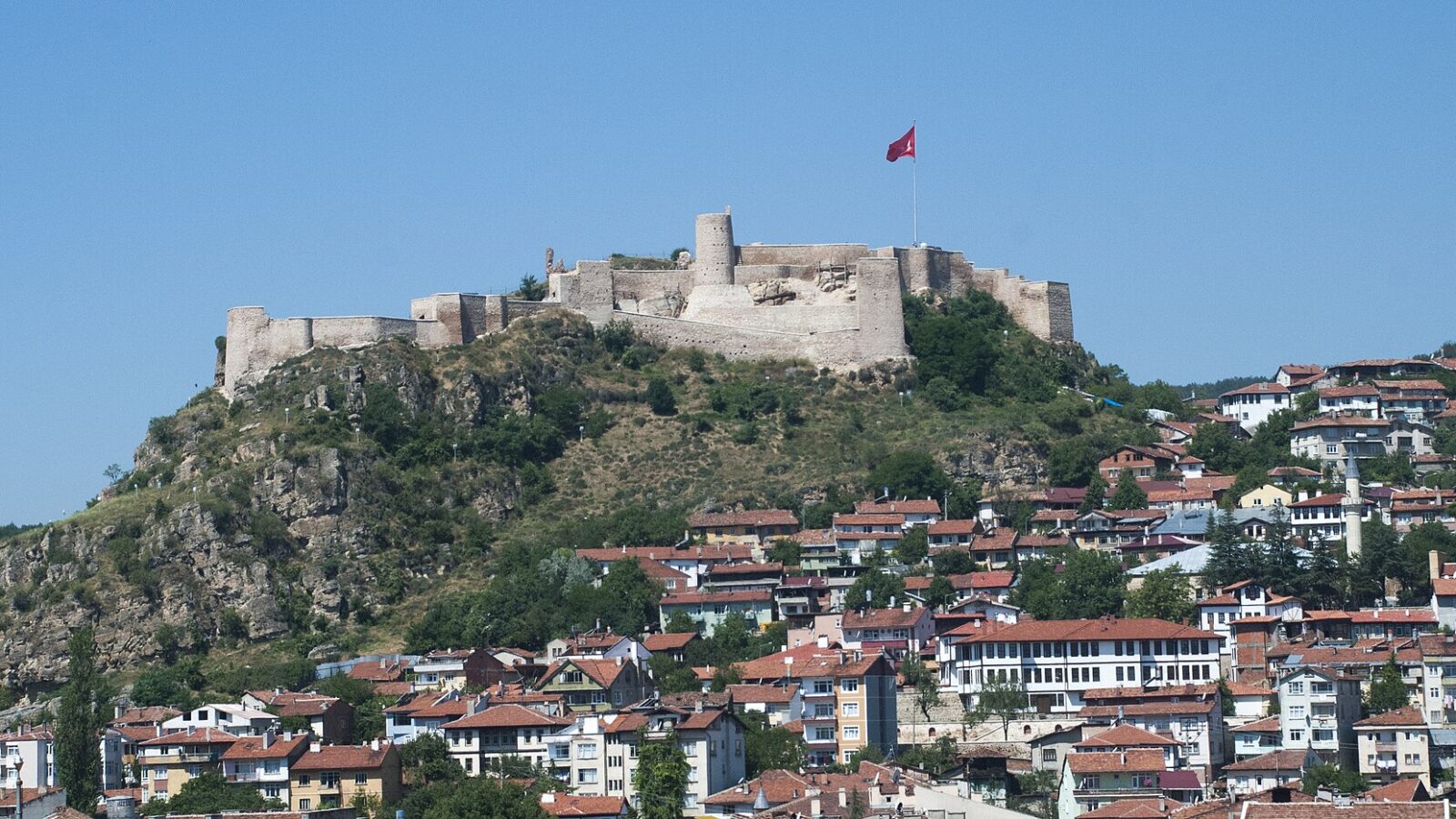
Kastamonu Castle (Kastamonu Kalesi) is the fortress on the rock above the old city of Kastamonu, and the city’s best-known landmark. What survives is the inner castle, a long, narrow enclosure of stone walls and towers on the crest of the outcrop. From its walls you look straight down onto the domes and minarets of the old town, the clock tower and the valley beyond.
The 2002 provincial inventory calls it one of the city’s grandest monuments: the lower parts of the walls are Byzantine and the upper parts Candarid, and its low-arched gates and pointed vaulted passages reflect medieval Turkish military architecture.
How do you get to Kastamonu Castle?
The castle stands just above the old centre of Kastamonu. You can walk up through the steep lanes of the old quarters or take a taxi from the centre.
Kastamonu Airport, with flights from Istanbul, is just south of the city, and the bus station has coaches to Istanbul, Ankara and most cities in the region.
Tours in Anatolia
−5% Istambul readers save 5% on every tour below — applied at checkout.
Partner listings via GetYourGuide · free cancellation on most
When is the best time to visit Kastamonu Castle?
Go in the late afternoon for the light over the city, or at sunset. The castle is exposed, so it is windy and cold in winter and hot at midday in July and August; spring and autumn are the most comfortable seasons. Combine it with the old mosques and hans below in a half-day walk.
What is the history of Kastamonu Castle?
The castle is thought to have been built first in the Byzantine period, particularly under the Komnenos dynasty in the 12th century, to hold the region against Turkish raids. One theory of the city’s name combines the Latin word for castle, castra, with the name of the Komnenoi, which ties the town directly to this fortress.
After the Turkish conquest it was held by the Seljuks and then became the seat of the Candarids (Candaroğulları), the dynasty that ruled from Kastamonu from the late 13th century until 1461. They rebuilt the upper walls. Under the Ottomans the castle remained in use for a while, then lost its importance; its outer walls collapsed by the late 18th century, and an earthquake in 1943 caused serious damage. Kastamonu Municipality carried out a major restoration in 2005, after which the castle reopened to visitors.
A local legend tells of Moni, daughter of a Byzantine lord, who fell in love with a Turkish commander; her father, the story goes, had her thrown from the walls. Some say the city’s name comes from this story. Inside the castle is the tomb of a Turkish soldier said to have died during the conquest of the city.
What is Kastamonu Castle famous for?
- The view over Kastamonu’s old town, its mosques and the clock tower.
- Candarid history: the castle was the seat of the principality that left the city its medieval mosques.
- Its layered walls, Byzantine below and Turkish above.
What can you see at Kastamonu Castle?
The inner castle. A rectangular enclosure about 155 m long and 30–50 m wide, defended on the east, north and west by towers and curtain walls. The walls are built of stone and mortar, with timber ties (hatıl) between the courses, added for strength.
Gates and passages. Low-arched gateways and pointed-vaulted passages. A stepped passage in the middle section was used to bring in supplies and to shelter people during sieges, and the castle also has cisterns and a dungeon.
The tomb. A small türbe of a soldier said to have fallen in the conquest of the city.
The view. From the walls you can pick out the Nasrullah Mosque, the clock tower and the old quarters of Akmescit, Hepkebirler and İsmailbey, where the 2002 inventory notes surviving traditional houses.
Below the castle. Walk down to the İsmail Bey complex (1451), the Atabey Mosque (1273) with its many wooden columns, the İbni Neccar Mosque (1353) and the Yılanlı Darüşşifa (1271), all within the old city.



Frequently asked questions about Kastamonu Castle
Can you visit Kastamonu Castle?
Yes. It was restored by Kastamonu Municipality in 2005 and is open to visitors, with a view over the whole old city.
How old is Kastamonu Castle?
It dates from the Byzantine period, especially the Komnenian era, with upper walls rebuilt by the Candarids between the 13th and 15th centuries.
How do you get to Kastamonu Castle?
It stands just above the old centre. Walk up through the steep lanes of the old quarters, or take a taxi from the centre.
What is the best time to visit Kastamonu Castle?
Late afternoon or sunset for the light over the city. Spring and autumn are the most comfortable seasons.
What do the official records say about Kastamonu Castle?
The castle, one of the city’s grand monuments, is thought to have been built first in the Byzantine period. The foundations of the inner castle, which is in good condition, belong to the Byzantine period and its upper part to the Candarid period. Its low-arched gates and its passage vaults in the form of pointed arches reflect the features of medieval Turkish architecture. The inner castle, 155 m long and 30–50 m wide, has a rectangular plan. It is protected on the east, north and west by towers and curtain walls. (Ministry of Culture and Tourism, Kastamonu Provincial Tourism Inventory, 2002)
Main photo: Acar54, CC BY-SA 4.0, via Wikimedia Commons.
Ready to see Kastamonu Castle?
Hand-picked tours with good reviews and clear prices.
Partner listings via GetYourGuide · free cancellation on most
Before or after: Istanbul
Most trips start or end in Istanbul. Our own experiences there:

 Dinner, sunset and day cruises between Europe and Asia.See cruises bosporuscruise.com

 Historic Turkish baths in the old city — hand-picked hamams, booked direct.Book a hamam istanbulhamam.com

 Istanbul’s tallest viewpoint: both continents from 369 metres.Get tickets camlicatower.com

 Free audio guides in 15 languages, safe routes and local tips — plus 5% off GetYourGuide.Open the free guide localada.com
Nearby
All destinations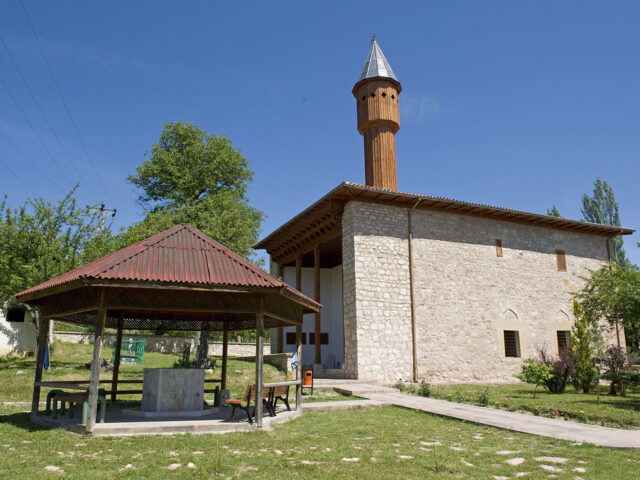
Mahmut Bey Mosque
Mahmut Bey Mosque in Kasaba village near Kastamonu: a UNESCO-listed…
Pompeiopolis
Pompeiopolis at Taşköprü, Kastamonu: the Roman city founded by Pompey,…
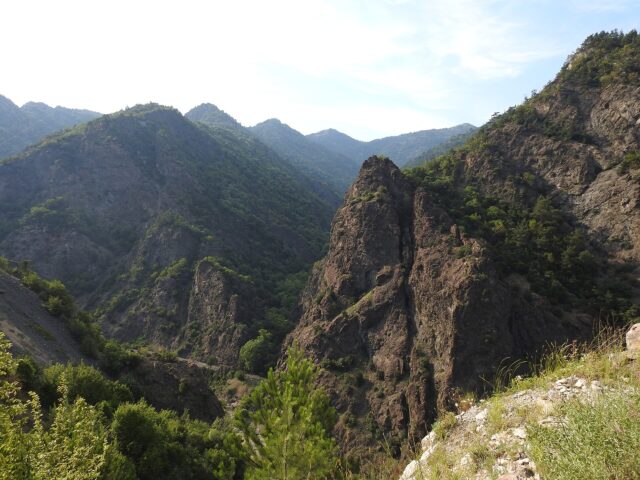
Küre Mountains National Park
Küre Mountains National Park in Kastamonu and Bartın: Valla Canyon,…
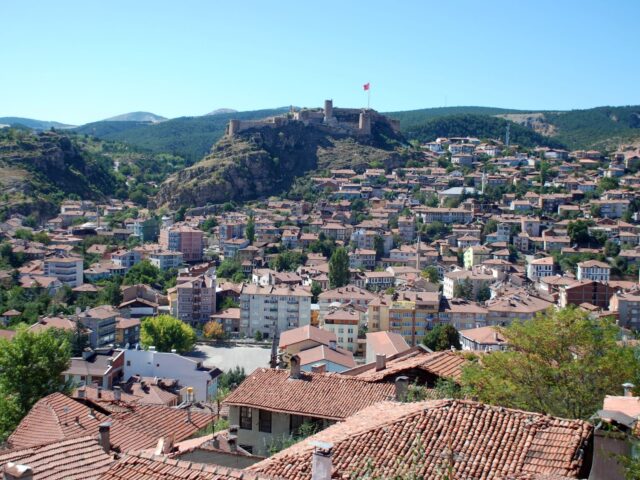
Kastamonu
Kastamonu travel guide: the UNESCO-listed Mahmut Bey Mosque, the castle,…
