Kastamonu: Candarid Capital of Wood and Canyon
On this page
- What is Kastamonu?
- How do you get to Kastamonu?
- Where should you stay in Kastamonu?
- What type of climate does Kastamonu have?
- When is the best time to visit Kastamonu?
- What is the history of Kastamonu?
- What is Kastamonu famous for?
- What are the historical places of Kastamonu?
- What are the best things to do in Kastamonu?
- What are the best places to visit in Kastamonu?
- What is the traditional food of Kastamonu?
- What should you buy in Kastamonu?
- Frequently asked questions about Kastamonu
- What do the official records say about Kastamonu?
Key facts: Kastamonu
- UNESCO World Heritage: The Mahmut Bey Mosque in Kasaba village (1366–67) is part of “Wooden Hypostyle Mosques of Medieval Anatolia”, inscribed in 2023 (UNESCO).
- Region: Western Black Sea, stretching from the Ilgaz Mountains in the south to a long, forested coastline between Cide and Çatalzeytin.
- Best known for: The Candarid capital’s castle and mosques, the Küre Mountains National Park, Ilgaz, Taşköprü garlic and etli ekmek.
What is Kastamonu?
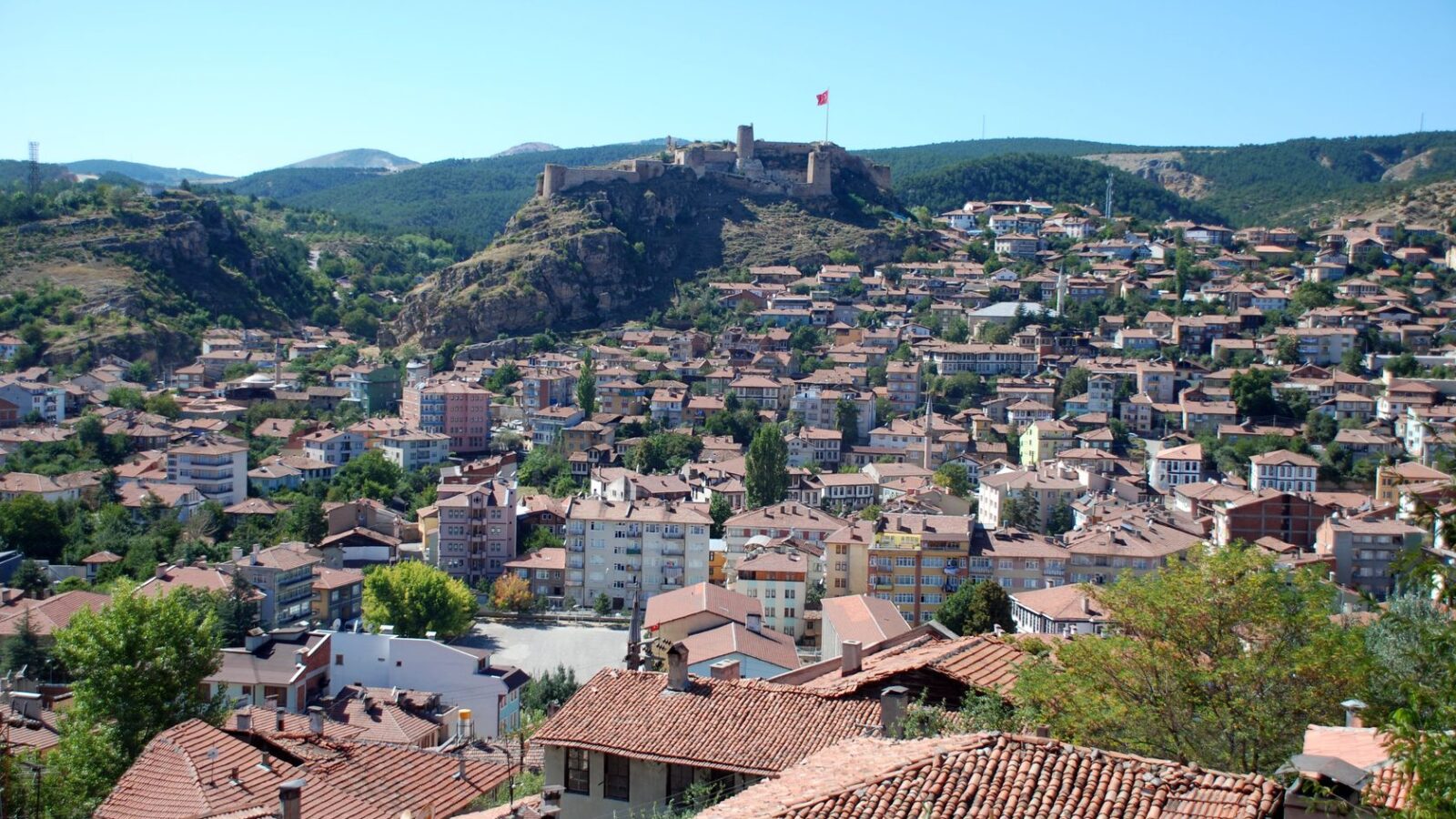
Kastamonu is a large province in the western Black Sea region of Türkiye, and the name of its capital, an old inland city at around 900 m altitude. The city sits in a valley below a Byzantine castle, with Candarid-era mosques, Ottoman hans and streets of timber-framed houses around it. For more than a century and a half it was the capital of the Candarids (İsfendiyaroğulları), one of the Turkish principalities that rose after the Seljuks.
The province is unusually varied. In the south rise the Ilgaz Mountains, with a national park and ski runs. The middle is a plateau of farmland and forest around Taşköprü, Daday and Araç. To the north the Küre Mountains, protected as a national park, drop through limestone canyons to a coastline of small harbours such as İnebolu, Abana and Cide.
The 2002 tourism inventory describes Kastamonu as one of the provinces with the highest tourism potential in the western Black Sea, offering everything from coastal to winter tourism. Two decades later that is still true, and it is still visited far more by Turkish travellers than by foreigners.
Places to visit in Kastamonu
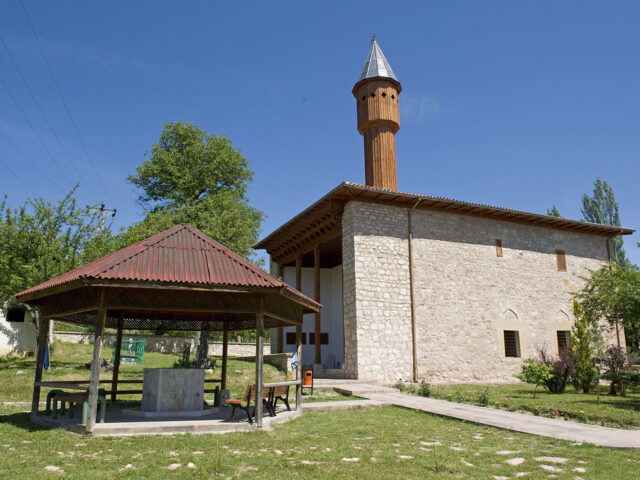
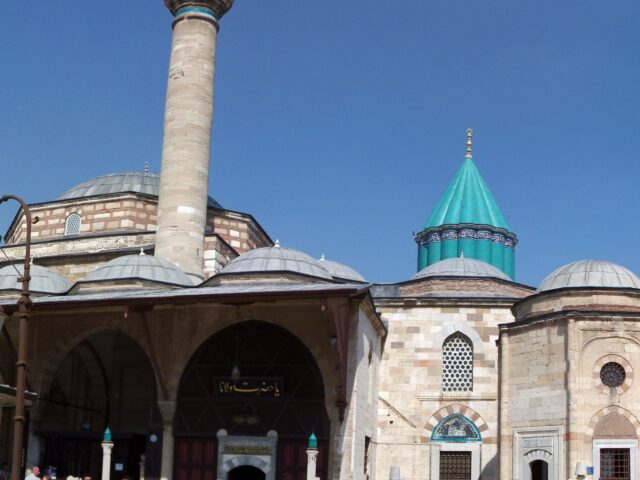
Mahmut Bey Mosque
Mahmut Bey Mosque in Kasaba village near Kastamonu: a UNESCO-listed wooden mosque…
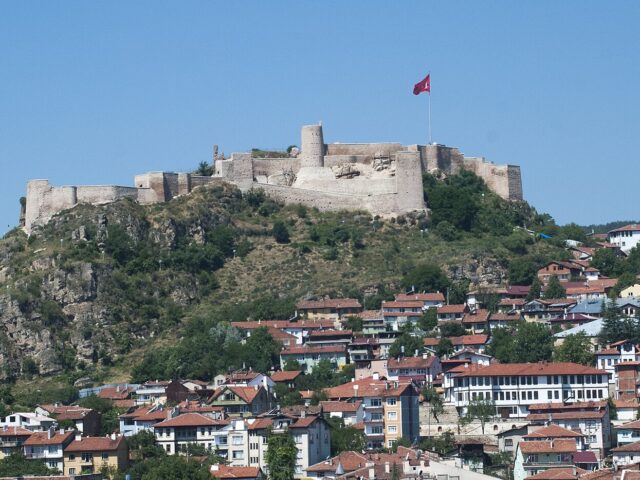
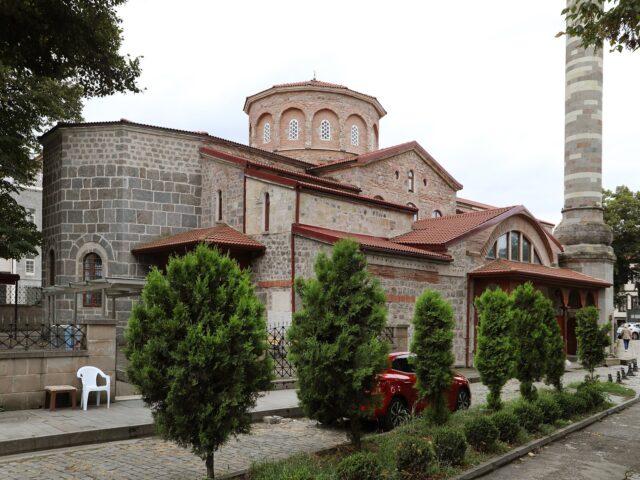
Kastamonu Castle
Kastamonu Castle: the Byzantine and Candarid citadel above the old city, its…
Pompeiopolis
Pompeiopolis at Taşköprü, Kastamonu: the Roman city founded by Pompey, with a…
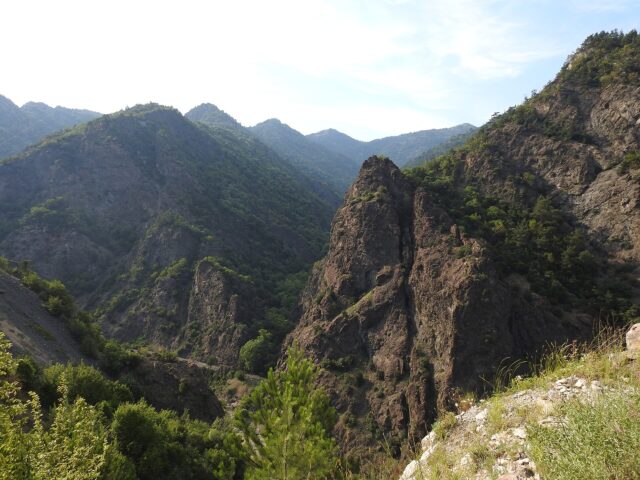
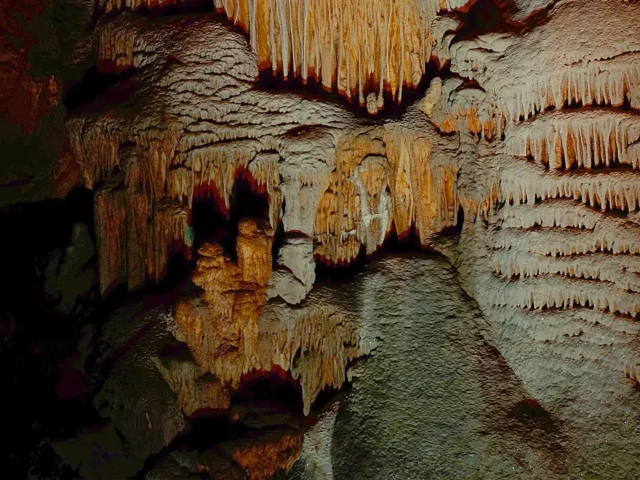
Küre Mountains National Park
Küre Mountains National Park in Kastamonu and Bartın: Valla Canyon, the Horma…
How do you get to Kastamonu?
By air: Kastamonu Airport (KFS), just south of the city, has Turkish Airlines flights from Istanbul Airport several times a week; the flight takes about 1 hour 20 minutes. There are no international flights. Sinop Airport on the coast and Ankara Esenboğa are alternatives, depending on where in the province you are heading.
By road: Coaches link Kastamonu’s bus station with most major Turkish cities, including Istanbul and Ankara. The main road from Ankara passes through the Ilgaz Mountains; the national park lies about 45 km south of the city. Coastal towns such as İnebolu and Cide are reached by roads that wind down through the Küre Mountains, so allow plenty of time.
Getting around: Minibuses connect the city with district towns, but the national parks, canyons and village mosques are much easier with a car.
Where should you stay in Kastamonu?
In Kastamonu city, stay near the centre, around the clock tower and the Nasrullah Mosque. Some restored Ottoman houses in the old quarters take guests, alongside the usual modern city hotels. The city makes a good base for the castle, the Mahmut Bey Mosque and Taşköprü.
For the Küre Mountains, Pınarbaşı and the villages around it have small guesthouses close to Horma Canyon and Valla Canyon. On the coast, İnebolu, Abana and Cide have hotels and pensions for a summer stay. Ilgaz has hotels on the mountain road and at the ski area in winter.
Tours in Anatolia
−5% Istambul readers save 5% on every tour below — applied at checkout.
Partner listings via GetYourGuide · free cancellation on most
What type of climate does Kastamonu have?
The city of Kastamonu, inland and high, has cold winters and warm summers. Snow is common from December to March, and the record low is −26.9°C. Summer days are warm and fairly dry, with cool nights. The coast is milder and much wetter, typical of the Black Sea, and the Küre Mountains catch heavy rain, which feeds their forests and canyons. Ilgaz has deep snow in winter; the 2002 inventory gives a ski season of December to April.
When is the best time to visit Kastamonu?
Late May to early October is the best time for the city, the mosques and the national parks. The canyon walks of Küre are at their best in June and September, and the coast is for July and August. Autumn colour in the beech forests peaks in October. Come in winter for skiing at Ilgaz or to see the old town under snow, but expect cold.
What is the history of Kastamonu?
Kastamonu lies in the heart of ancient Paphlagonia. Several theories explain its name: one links it to Kastama, a Hittite-period name for the region; another combines the Latin castra (castle) with the Komnenos family, the Byzantine dynasty that held the area. The oldest visible monument near the city is a rock tomb in a cliff to the south, 8 m above the ground, which the 2002 inventory dates to the early 7th century BC; it has three chambers and three entrances.
After Pompey the Great defeated Mithridates VI, the Romans founded Pompeiopolis near Taşköprü, which became the metropolis of Paphlagonia in the 2nd and 3rd centuries AD. In the Byzantine period the castle above Kastamonu was built or rebuilt, especially under the Komnenoi, against Turkish raids.
In the 13th century the city passed to Turkish rule. In 1291 the Seljuk sultan Mesud II granted Eflani to Şemseddin Yaman Candar, founder of the Candarid dynasty, which made Kastamonu its seat and later ruled as far as Sinop. The Candarids left the city its finest monuments, including the İsmail Bey complex of 1451, and the Mahmut Bey Mosque in Kasaba village. The dynasty survived a defeat by the Ottomans in 1391 and was finally absorbed into the Ottoman Empire by Mehmed II in 1461. The traveller Ibn Battuta stayed in Kastamonu for forty days in the 14th century and called it one of the largest and finest cities he had seen.
In August 1925 Atatürk came to Kastamonu and, in a speech at the building that now houses the Kastamonu Museum, launched the reform of dress and headgear that led to the Hat Law. The province is proud of that link, and of its writers: the novelists Rıfat Ilgaz and Oğuz Atay were both born here. In 2018 Kastamonu was named the Cultural Capital of the Turkic World.
What is Kastamonu famous for?
- Wooden architecture. Timber-framed houses in the city and districts, and the UNESCO-listed Mahmut Bey Mosque with its painted wooden interior.
- Candarid monuments. The castle, the Atabey, İbni Neccar and Nasrullah mosques, and the İsmail Bey complex.
- Taşköprü garlic. A registered geographical indication, also protected in the European Union.
- Etli ekmek and çekme helva. The province’s long flatbread with minced meat, and a pulled halva that received geographical-indication status in 2018.
- Küre and Ilgaz. Two national parks: one of karst canyons and old forest, one of mountains and snow.
What are the historical places of Kastamonu?
Kastamonu Castle. The inner castle above the city, Byzantine at its base and Candarid above, about 155 m long, with towers on three sides.
Nasrullah Mosque. Built in 1506 by Yakupoğlu Nasrullah Kadı and repaired in 1746, 1845 and 1945. Nine domes rest on six piers and arches. The Urgan Han of 1748, also known as Aşir Efendi Han, stands beside it.
Atabey Mosque. Built in 1273 and known as the “140-column” mosque for the wooden columns that run from the door to the mihrab. Its short cut-stone minaret has Seljuk features.
İbni Neccar Mosque. A single-domed mosque of 1353, whose carved wooden door, set in a pointed arch and more than 650 years old, is one of the finest pieces of woodwork in the city.
İsmail Bey Complex. Built by Candaroğlu İsmail Bey in 1451, with a mosque, tomb, bath, madrasa and soup kitchen. The marble portal of the mosque is framed with geometric motifs, and the stonework of the tomb’s façade is remarkable. The Deve Han behind it was built as part of the same foundation.
Yılanlı Darüşşifa. A hospital of 1271 from the Chobanid period, repaired after a fire under Mahmud II, named for the snake motifs carved on it.
Mahmut Bey Mosque. The wooden mosque of 1366–67 in Kasaba village, part of a UNESCO World Heritage serial property.
Pompeiopolis. The Roman city at Zımbıllı Tepe near Taşköprü, with a villa, theatre, odeon and mosaics under excavation.
Clock tower. Built in the late 19th century under Governor Abdurrahman Pasha, of rubble stone faced with cut stone.
Museums. The Kastamonu Museum (archaeology) occupies a stone building of 1910 designed by Mimar Kemaleddin, where Atatürk gave his 1925 speech. The Liva Pasha Mansion, built in 1879–81 for Mirliva Sadık Pasha, became the Ethnography Museum in 1997. The Kastamonu City Museum, in a 19th-century military building, covers the city’s trades and daily life.
What are the best things to do in Kastamonu?
- Walk the wooden walkway through Horma Canyon to Ilıca Waterfall, and look into Valla Canyon from its viewing terraces in the Küre Mountains National Park.
- Ski or hike on Ilgaz. Ilgaz Mountain National Park, founded in 1976 on the Kastamonu–Çankırı border, has forests of black pine, Scots pine and fir and a ski centre. Its highest peak, Büyükhacettepe, reaches 2,587 m.
- Visit Daday, a Cittaslow town with an Atatürk exhibition, a hat and lace museum and a horse-riding tradition.
- Go to the coast. The inventory singles out Gideros Bay near Cide and Ginolu near Çatalzeytin, both protected natural sites, and the beaches at Abana and İnebolu.
- See the old trees. The inventory lists protected monumental trees: the Beldeğirmeni plane near İnebolu, estimated at 800 years old, the 600-year-old pine of the Türbe Mosque in Araç, and the Oniki Kardeşler (Twelve Brothers), a beech with twelve trunks from a single root near İnebolu.
- Climb to the castle at sunset for the view over the city’s roofs and minarets.
- Catch a local festival. The 2002 inventory lists the Taşköprü Culture and Garlic Festival in September, the Rıfat Ilgaz Culture and Art Festival in Cide in July, the Abana culture, art and sea festival, and horse races at Daday on 30 August. Check current dates locally.
What are the best places to visit in Kastamonu?
Mahmut Bey Mosque: the 14th-century wooden mosque in Kasaba village, about 18 km from the city, with painted ceilings and beams, inscribed by UNESCO in 2023.
Kastamonu Castle: the Byzantine and Candarid citadel on its rock above the city.
Pompeiopolis: the Roman capital of Paphlagonia near Taşköprü, being prepared as an archaeological park.
Küre Mountains National Park: karst canyons, caves and old-growth forest, with Valla Canyon, Horma Canyon and Ilgarini Cave.
Also worth seeing: Ilgaz Mountain National Park, the old houses of İnebolu and Taşköprü, Gideros Bay, Daday, and the Şeyh Şaban-ı Veli tomb in the city.
What is the traditional food of Kastamonu?
Etli ekmek, a long, thin flatbread topped with minced meat and baked in a wood-fired oven, is the dish everyone eats. Kuyu kebabı, a whole lamb slow-cooked in a sealed pit, is a speciality of Taşköprü. Look also for banduma, simit tiridi and dishes made with siyez bulgur, from an ancient einkorn wheat grown in the province. For dessert there is çekme helva, a pulled, floss-like halva, and the sour local plums turned into hoşaf. Kastamonu pastırma is cured with çemen paste made from Taşköprü garlic.
What should you buy in Kastamonu?
Taşköprü garlic, Kastamonu pastırma, çekme helva and Kastamonu simit, which also carries a geographical indication. For crafts, look for carved wood, a long tradition here (mirror frames, ornaments and toys), and hand-woven rugs and kilims sold in the bazaar.



Frequently asked questions about Kastamonu
Is Kastamonu worth visiting?
Yes. It combines a UNESCO-listed wooden mosque, a Candarid capital with a castle and medieval mosques, and two national parks, with far fewer visitors than the coast to the west.
How do you get to Kastamonu from Istanbul?
Turkish Airlines flies from Istanbul Airport to Kastamonu Airport several times a week, about 1 hour 20 minutes. Coaches also run from Istanbul.
Is there a UNESCO site in Kastamonu?
Yes. The Mahmut Bey Mosque in Kasaba village is part of Wooden Hypostyle Mosques of Medieval Anatolia, inscribed in 2023.
What food is Kastamonu famous for?
Etli ekmek, Taşköprü garlic, pastırma, çekme helva and kuyu kebabı. Çekme helva and Kastamonu simit have geographical-indication status.
How many days do you need in Kastamonu?
Two days for the city, the castle, the Mahmut Bey Mosque and Taşköprü; add one or two more for the Küre Mountains and the coast.
Can you ski in Kastamonu?
Yes. Ilgaz Mountain National Park on the Kastamonu–Çankırı border has a ski centre, with a season of roughly December to April.
What do the official records say about Kastamonu?
Although it is not a city highly developed in industry and trade, Kastamonu, with its superb nature, its sea, its highland pastures and a winter tourism area such as Ilgaz Mountain, is one of the provinces with the highest tourism potential in the western Black Sea.
The tourism potential of Kastamonu is also varied, and tourism services can be offered across a very wide range, from coastal tourism to winter tourism. With two national parks, the Ilgaz Mountain winter tourism facilities, bays suitable for yachting, historic monuments and unique nature, the province is a candidate to become a favourite of both domestic and foreign tourists in all four seasons. (Ministry of Culture and Tourism, Kastamonu Provincial Tourism Inventory, 2002)
Main photo: Bertramz, CC BY-SA 3.0, via Wikimedia Commons.
Ready to see Kastamonu?
Hand-picked tours with good reviews and clear prices.
Partner listings via GetYourGuide · free cancellation on most
Before or after: Istanbul
Most trips start or end in Istanbul. Our own experiences there:

 Dinner, sunset and day cruises between Europe and Asia.See cruises bosporuscruise.com

 Historic Turkish baths in the old city — hand-picked hamams, booked direct.Book a hamam istanbulhamam.com

 Istanbul’s tallest viewpoint: both continents from 369 metres.Get tickets camlicatower.com

 Free audio guides in 15 languages, safe routes and local tips — plus 5% off GetYourGuide.Open the free guide localada.com