
Pompeiopolis: Pompey’s City in Paphlagonia
On this page
Key facts: Pompeiopolis
- What it is: A Roman city founded by Pompey the Great, later the metropolis of Paphlagonia and a bishopric.
- Where: Zımbıllı Tepe, beside the town of Taşköprü, Taşköprü district, Kastamonu province.
- Period: 1st century BC to the 7th century AD; excavated since 2006.
What is Pompeiopolis?
Pompeiopolis is the ancient city on Zımbıllı Tepe, a low hill beside the town of Taşköprü, northeast of Kastamonu city. It was founded by the Roman general Pompey the Great after his victory over Mithridates VI of Pontus, and for a time it was the leading city of Roman Paphlagonia.
Excavations have uncovered a large Roman villa with mosaic floors, a theatre and odeon, a basilica, baths and a martyrion. In September 2026 the excavators announced a mosaic floor of about 105 square metres. The site is being prepared as an archaeological park and is still a working excavation, so what you can see depends on the season.
How do you get to Pompeiopolis?
Taşköprü lies northeast of Kastamonu on the road towards Boyabat and Sinop. Zımbıllı Tepe is close to the town centre. Driving from Kastamonu is easiest, and the trip combines well with the town’s old stone bridge, which gives Taşköprü its name.
The nearest airport is Kastamonu, with flights from Istanbul.
Tours in Anatolia
−5% Istambul readers save 5% on every tour below — applied at checkout.
Partner listings via GetYourGuide · free cancellation on most
When is the best time to visit Pompeiopolis?
May to October, when the weather is dry enough for walking around an open site. Pompeiopolis cultural events have been held in Taşköprü in September. Check with the Kastamonu Museum or Taşköprü Municipality before you go, since parts of the site may be fenced while work or restoration is under way.
What is the history of Pompeiopolis?
Pompey founded the city after defeating Mithridates VI, in the reorganisation of the region in the 60s BC; the 2002 inventory gives 64 BC. It was the most significant of the seven cities he established in inland Paphlagonia. In the 2nd and 3rd centuries AD it served as the metropolis of Paphlagonia, and its wealth shows in its public buildings and villas.
Christianity took root early. After the Council of Nicaea in 325 the city became an episcopal seat, and it later became a suffragan bishopric. The excavators have found Christian grave inscriptions and burials and a partly excavated martyrion, a shrine to martyrs, and believe the site could become a place of Christian pilgrimage. Pompeiopolis was devastated during the Persian wars of the 7th century.
Later, many of its buildings were quarried for stone or burnt for lime. Systematic excavations began in 2006 under the Ministry of Culture and Tourism, with support from Taşköprü Municipality, and are now led by Assoc. Prof. Dr. Mevlüt Eliüşük of Karabük University, working with an Italian team.
What is Pompeiopolis famous for?
- Mosaics, including a meander border, a figure identified as a goddess of fortune, and the 105-square-metre floor found in 2026.
- The villa, described in Turkish reports as one of the three largest Roman villas in Anatolia, in use from about AD 200 to the 600s.
- The theatre, linked to a statue of Emperor Commodus dated AD 186.
- Its role in early Christianity as the seat of a bishop.
What can you see at Pompeiopolis?
The villa. The excavators have largely uncovered about 1,400 square metres of a villa that may have covered 2,400 square metres. It had mosaic floors and, in one room, marble wall reliefs. The villa is under a protective roof, and some mosaics have been lifted for conservation before being re-laid.
Theatre and odeon. The theatre, built around the AD 180s, has been fully excavated, though its stage building is badly damaged. The smaller odeon beside it has also been uncovered.
Basilica, baths and martyrion. A planned visitor route links the villa with the basilica, the baths, the theatre, the odeon and the martyrion. The agora and the necropolis are still to be excavated.
Other finds. Discoveries include a sundial and two fragments of statues of Aphrodite.
Taşköprü town. The inventory notes that Taşköprü’s administrative and commercial quarter is a protected urban site with traditional houses, and the town is the centre of Taşköprü garlic production.



Frequently asked questions about Pompeiopolis
Where is Pompeiopolis?
On Zımbıllı Tepe beside the town of Taşköprü, northeast of Kastamonu city, in the ancient region of Paphlagonia.
Who founded Pompeiopolis?
The Roman general Pompey the Great, after his victory over Mithridates VI in the 60s BC. The city carries his name.
Can you visit Pompeiopolis?
Yes, but it is an active excavation being turned into an archaeological park, so access to some areas varies. Check locally before you go.
What has been found at Pompeiopolis?
A large Roman villa with mosaics, a theatre, an odeon, a basilica, baths, a martyrion, a sundial and, in 2026, a mosaic floor of about 105 square metres.
What do the official records say about Pompeiopolis?
This ancient city near the centre of Taşköprü district was founded by the Romans in 64 BC as the centre of the Province of Paphlagonia. In the archaeological excavations carried out, many works, including mosaics, have been uncovered.
Besides the Zımbıllı Tepe mound, there are many archaeological sites within the borders of Kastamonu province. Certain areas of the Araç, Taşköprü, Küre and Abana districts are within archaeological protected areas. Abeş Castle in Taşköprü, Geriş Tepe in İnebolu, Ginolu Bay in Çatalzeytin and Gideros Bay in Cide are archaeological sites. (Ministry of Culture and Tourism, Kastamonu Provincial Tourism Inventory, 2002)
Ready to see Pompeiopolis?
Hand-picked tours with good reviews and clear prices.
Partner listings via GetYourGuide · free cancellation on most
Before or after: Istanbul
Most trips start or end in Istanbul. Our own experiences there:

 Dinner, sunset and day cruises between Europe and Asia.See cruises bosporuscruise.com

 Historic Turkish baths in the old city — hand-picked hamams, booked direct.Book a hamam istanbulhamam.com

 Istanbul’s tallest viewpoint: both continents from 369 metres.Get tickets camlicatower.com

 Free audio guides in 15 languages, safe routes and local tips — plus 5% off GetYourGuide.Open the free guide localada.com
Nearby
All destinations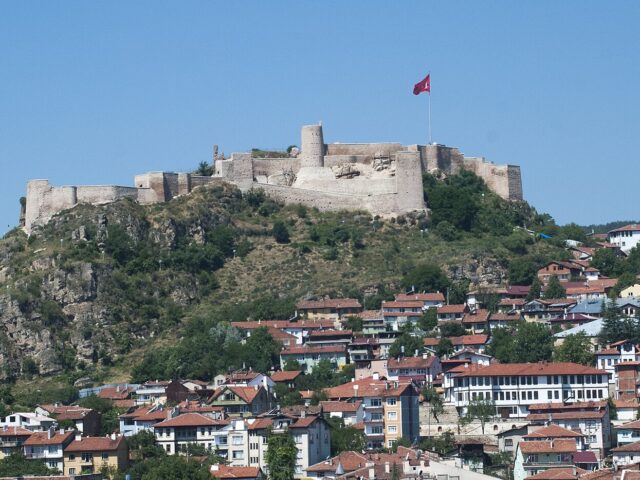
Kastamonu Castle
Kastamonu Castle: the Byzantine and Candarid citadel above the old…
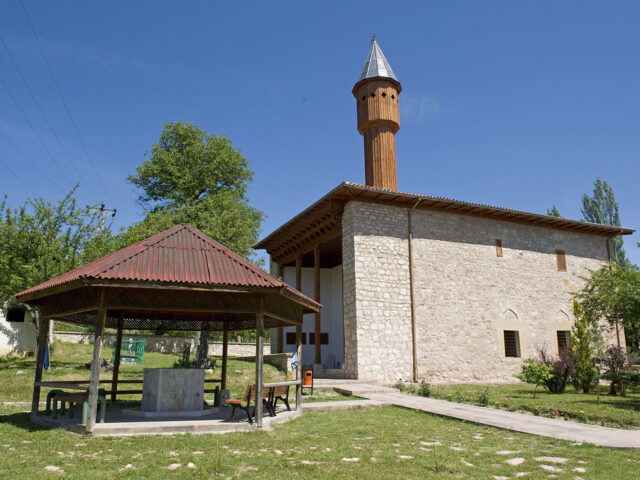
Mahmut Bey Mosque
Mahmut Bey Mosque in Kasaba village near Kastamonu: a UNESCO-listed…
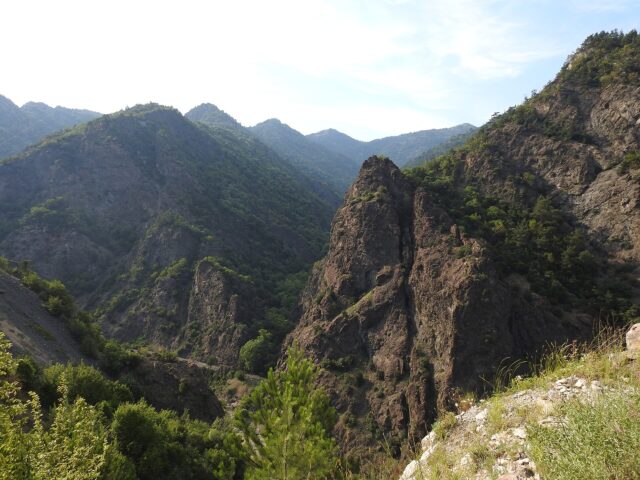
Küre Mountains National Park
Küre Mountains National Park in Kastamonu and Bartın: Valla Canyon,…
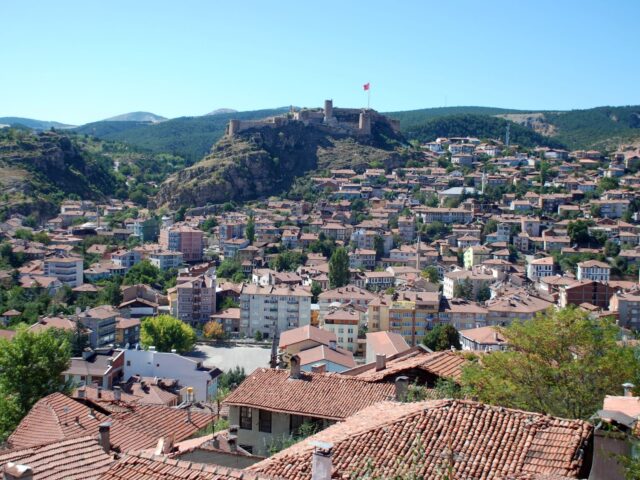
Kastamonu
Kastamonu travel guide: the UNESCO-listed Mahmut Bey Mosque, the castle,…
