Sivas: Seljuk Capital on the Anatolian Plateau
On this page
- What is Sivas?
- How do you get to Sivas?
- Where should you stay in Sivas?
- What type of climate does Sivas have?
- When is the best time to visit Sivas?
- What is the history of Sivas?
- What is Sivas famous for?
- What are the historical places of Sivas?
- What are the best things to do in Sivas?
- What are the best places to visit in Sivas?
- What is the traditional food of Sivas?
- What should you buy in Sivas?
- Frequently asked questions about Sivas
- What do the official records say about Sivas?
Key facts: Sivas
- UNESCO World Heritage: Great Mosque and Hospital of Divriği, inscribed in 1985 (UNESCO).
- Region: Eastern edge of Central Anatolia, at the meeting point of the Central Anatolian, Eastern Anatolian and Black Sea climates, on historic Silk Road routes.
- Best known for: Seljuk madrasas around the city square, the Sivas Congress of September 1919, the Kangal shepherd dog and the fish spring at Kangal.
What is Sivas?
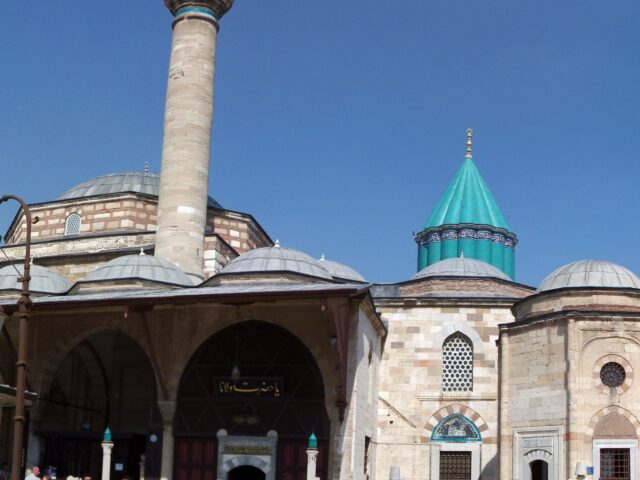
Sivas is one of Türkiye’s largest provinces by area, a high, open upland on the eastern side of Central Anatolia. Its capital, on the upper Kızılırmak, was one of the great cities of the Seljuk Sultanate of Rum, and the ensemble of 13th-century madrasas around its central square is one of the finest in Anatolia.
The 2002 inventory introduces Sivas as one of the oldest centres of history and culture in Anatolia, located where the historic Silk Road routes crossed and where the famous Royal Road also passed. With 4,500 years of history and architecture, it says, the province resembles an open-air museum.
Most visitors come for three things: the Seljuk monuments of the city, the UNESCO-listed Great Mosque and Hospital of Divriği, and the thermal spring at Kangal, where small fish nibble the skin of bathers.
Places to visit in Sivas
Great Mosque and Hospital of Divriği
Great Mosque and Hospital of Divriği: the 1228–29 UNESCO-listed complex in Sivas,…
Gök Medrese
Gök Medrese in Sivas: the 1271 Seljuk madrasa of Sahip Ata, its…
Şifaiye Madrasa
Şifaiye Madrasa in Sivas: the 1217 Seljuk hospital and medical school of…
Kangal Balıklı Kaplıca
Kangal Balıklı Kaplıca in Sivas: the 36–37°C spring where small fish feed…
Gökpınar Lake
Gökpınar Lake near Gürün, Sivas: a clear turquoise spring lake with trout…
How do you get to Sivas?
By air: Sivas Nuri Demirağ Airport (VAS) is about 22 km northwest of the city. Turkish Airlines flies from Istanbul Airport, AJet and Pegasus from Sabiha Gökçen, and Pegasus and SunExpress from İzmir. Municipal buses and shuttle buses run into the city.
By high-speed train: The Ankara–Sivas high-speed line opened for scheduled services on 26 April 2023 and cut the journey from Ankara to about 2 hours 50 minutes, against roughly 9.5 hours on the old line. The provincial directorate lists Sivas on the Istanbul–Ankara–Sivas YHT route.
By classic train: Sivas is a rail junction on the lines to Kayseri, Samsun and Erzurum. The Touristic Eastern Express (Turistik Doğu Ekspresi) between Ankara and Kars stops for about three hours in Sivas and about three hours in Divriği, long enough for a quick visit to each.
By road: Sivas sits on the crossing of the main north–south and east–west routes, with coaches from Istanbul, Ankara, Kayseri, Samsun, Erzurum and beyond.
Where should you stay in Sivas?
Stay in the centre, near Hükümet Meydanı (Government Square) and Atatürk Caddesi: the Seljuk madrasas, the Congress Museum, the Great Mosque and the shopping streets are all within a short walk. Divriği has only a small choice of accommodation, so most people visit it as a day trip or between trains. The thermal resorts at Sıcak Çermik and Kangal have their own hotels.
Book a Sivas tour
−5% Istambul readers save 5% on every tour below — applied at checkout.
Partner listings via GetYourGuide · free cancellation on most
What type of climate does Sivas have?
Sivas has a continental climate at about 1,300 m: warm, dry summers and cold, snowy winters. The average January temperature is about −2.7°C, snow falls on around 40 days a year, and the record low is −34.4°C. July and August are the driest months; April and May the wettest. The inventory notes that the province sits on a passage between the Central Anatolian, Eastern Anatolian and Black Sea climates.
When is the best time to visit Sivas?
May, June and September are the best months: warm days, cool evenings and green uplands. The inventory observed that tourism in Sivas, mostly day visits, concentrates in June, July and August. Early September is special in the city, when the Sivas Congress is commemorated on 4 September. Winter is cold, but the monuments are compact, and Yıldız Dağı has skiing.
What is the history of Sivas?
The inventory states that archaeological excavations strengthen the view that settlement in Sivas began in the Neolithic period, and that finds show settlements continued through the Chalcolithic (5000–3000 BC) and Early Bronze Age (3000–2000 BC). Its written history begins with the Hittites around 2600 BC, according to the inventory, and Sivas was home in turn to the Phrygians, Lydians, Romans, Byzantines, Seljuks and Ottomans. Two Hittite cities have been excavated in the province: Sarissa at Kuşaklı near Altınyayla, and Samuha at Kayalıpınar.
The city itself developed in the Roman period. Pompey founded a city here in 64 BC, later renamed Sebasteia, from which the name Sivas comes. After the Battle of Manzikert in 1071 the Turkmen Danishmend dynasty took it, and the Seljuks captured it in 1174. For long periods Sivas served alongside Konya as a capital of the Sultanate of Rum. Under İzzeddin Keykavus I the Şifaiye Madrasa was built in 1217, and in a single year, 1271, three great madrasas rose: the Gök Medrese, the Buruciye and the Çifte Minareli.
The Ilkhanids, the Eretnids and Kadı Burhaneddin followed. Timur’s army destroyed the city around 1400, and the Ottomans took it in 1408. In the 16th century the Ottomans added the Kurşunlu Hamam (1576), Behram Paşa Han (1573) and Kale Mosque (1580).
The inventory reminds readers that the foundations of the new Turkish Republic were also laid in Sivas, with the Sivas Congress that met under Atatürk’s chairmanship from 4 September 1919.
What is Sivas famous for?
Seljuk architecture. The madrasas of the city square and the Divriği complex are among the high points of medieval Anatolian stone carving.
The Sivas Congress. The congress of 4–11 September 1919 was a turning point on the way to the Republic; Atatürk and the Representative Committee used the building as their headquarters for 108 days, from 2 September to 18 December 1919.
The Kangal dog. The inventory notes that the existence of the Kangal shepherd dog is proven in archaeological records, Ottoman archives and Evliya Çelebi’s Book of Travels. It describes it as a very brave, strong, agile and fast animal with remarkable intelligence and a sensitive nature, which carries out the task it is given even at the cost of its life.
Âşıks. Sivas is the homeland of the folk poets Âşık Veysel, Pir Sultan Abdal and Âşık Ruhsati.
What are the historical places of Sivas?
In Sivas city
Şifaiye Madrasa. Built in 1217 by İzzeddin Keykavus I as a hospital and medical school, and his burial place. See our Şifaiye Madrasa guide.
Çifte Minareli Madrasa. Opposite the Şifaiye, built in 1271 by the Ilkhanid vizier Şemseddin Mehmet Cüveyni. Only its east front survives. The inventory describes a central crown portal with two minarets, flanked by windows and corner towers, a façade full of movement that plays strongly with light and shadow. The provincial directorate calls its portal the tallest in Anatolia.
Gök Medrese. The 1271 madrasa of Sahip Ata with twin minarets and tiles; now a foundation museum. See our Gök Medrese guide.
Buruciye Madrasa. Built in 1271, under Gıyaseddin Keyhüsrev III, by Muzaffer Bey, son of Hibetullah Burucerdi. The inventory says it was built for learning and long used as a school of the positive sciences of its day. The entrance portal, carved in yellowish stone, and the inner façade facing the courtyard are among the finest Seljuk stone carving of the period, with star, rumi and geometric motifs worked like lace. To the left of the entrance, a tomb room decorated with blue and black tiles holds the graves of Muzaffer Bey and his children.
Great Mosque (Ulu Cami). Built in 1196–97 by Kızıl Arslan bin İbrahim, according to its inscription in the Sivas Museum. Its prayer hall of 11 aisles has 50 masonry piers under a flat roof. The brick minaret, from the first half of the 13th century, has Kufic bands of turquoise glazed brick on its octagonal base.
Güdük Minare (Şeyh Hasan Bey Tomb). A cylindrical brick tomb on a square base, called the “Stumpy Minaret” because it looks like a short minaret. Eretna built it in 1347 for his eldest son Şeyh Hasan Bey, who died young.
Atatürk Congress and Ethnography Museum. The former school building where the Sivas Congress met from 4 to 11 September 1919. It was used as Sivas Lycée until 1981 and opened as a museum in 1990.
Other museums. The Sivas Archaeology Museum and the City Museum; the İnönü house, a typical two-storey wooden Sivas house where İsmet İnönü lodged as a schoolboy in 1891–1897; and the Hamidiye Millet Bahçesi with its small museums.
Around the province
Divriği. The Great Mosque and Hospital, the Mengücek castle with a glass viewing terrace, tombs and Burma Han. See our Divriği guide.
Hittite cities. Sarissa (Kuşaklı) near Altınyayla and Samuha (Kayalıpınar).
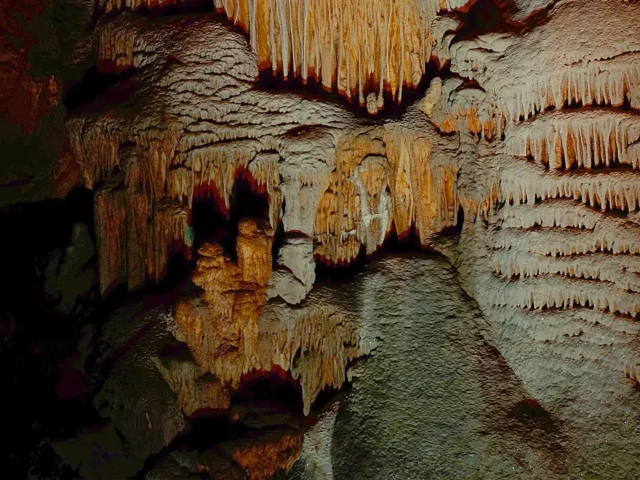
Demiryurt Caves. In Demiryurt village, Zara, nearly fifty man-made caves, some side by side, some in tiers. Marks inside show they were lived in before Christianity and used after it spread, the inventory notes.
Şuğul Valley. The inventory singles out the Hittite inscribed rock monuments in the Şuğul Valley at Gürün.
What are the best things to do in Sivas?
- Walk the Seljuk square. The Şifaiye, Çifte Minareli and Buruciye madrasas stand within a few steps of each other around the central park, with the Gök Medrese a short walk away.
- Bathe at a hot spring. Sıcak Çermik, 31 km on the Ankara road, has water at 46–50°C; Kangal’s fish spring is 98 km away.
- Visit the lakes. Gökpınar Lake near Gürün, Tödürge Lake in Zara (boating, diving, birdwatching) and Hafik Lake (boating, fish güveç).
- See a waterfall. Sızır Waterfall at Gemerek, about 119 km away, is a protected natural site.
- Go up to the yaylas. Eğriçimen Yaylası, 20 km from Koyulhisar, covered in pine forest, is the best known. The inventory notes that people from Koyulhisar living elsewhere, especially Istanbul, gather there on set days for yayla festivals.
- Trek or ski. The inventory lists Eğriçimen, Köse Dağ, Sızır Waterfall, the Sızır and Doğansar yaylas, Yıldız Dağı and Çal Dağı for walking; Yıldız Dağı is now the province’s ski centre.
- Follow the âşıks. The Âşık Veysel Museum in Şarkışla, the Âşık Ruhsati memorial house in Deliktaş (Kangal) and the tomb of Pir Sultan Abdal at Banaz (Yıldızeli).
What are the best places to visit in Sivas?
Great Mosque and Hospital of Divriği is the Mengujekid complex of 1228–29, a UNESCO World Heritage Site famous for its carved portals, reopened in 2024 after a long restoration.
Gök Medrese is the twin-minaret madrasa of 1271 built by Sahip Ata, now a foundation museum.
Şifaiye Madrasa is the hospital and medical school of 1217, with the tomb of Sultan İzzeddin Keykavus I.
Kangal Balıklı Kaplıca is the warm spring where small fish feed on the skin of bathers, long used by people with psoriasis.
Gökpınar Lake is a clear turquoise spring lake near Gürün, with trout farms and the Şuğul Valley nearby.
Also worth your time: the Buruciye and Çifte Minareli madrasas, the Great Mosque, the Congress Museum and the Hittite sites. Kayseri and Tokat are both within reach.
What is the traditional food of Sivas?
The inventory explains that Sivas food is based mainly on grain. Keş, peskutan and çökelik are made from dairy products. In summer people eat soups with ayran and with beet, madımak (a wild green), evelik and düğürcek aşı; in winter pastry dishes such as tırhıt, sübüra, kelecoş, tarhana, içli köfte and hıngel. Sivas kebabı, lamb cooked with aubergine, tomato and green pepper, is famous. Breads baked in the tandır include kül çöreği, fodla, kömbe (with potato or cheese), kete, lavaş and yufka.
What should you buy in Sivas?
Carpets and kilims. The inventory traces Sivas carpets to a tradition continuous since the Seljuk period (13th century), known for fine yarn, original dyes, high knot counts and harmonious motifs, colour and design, using at least 12 and up to 20–25 colours. The kilims of Şarkışla are famous, woven entirely of wool on a dense warp.
Knives. The city’s workshops make knives of every kind; the black-handled knives are especially famous, with steel blades and horn handles.
Ağızlık. Carved cigarette holders, a Sivas craft dating to around 1800, made from a wood called germişek; workshops now also make pens, candlesticks and minaret models.
Silver. Telkari filigree and engraved savat work. The inventory lists the Şifaiye Madrasa, the Municipal Bazaar, the Jewellers’ Bazaar and the area around the Paşa Mosque as places to shop.



Frequently asked questions about Sivas
Is Sivas worth visiting?
Yes. Its 13th-century madrasas stand within a few steps of each other in the centre, and the province holds Divriği, a UNESCO World Heritage Site, and the Kangal fish spring.
How many days do you need in Sivas?
One day for the city’s madrasas and museums, a second for Divriği, and a third if you want Kangal or Gökpınar Lake.
How do you get to Sivas from Ankara?
By high-speed train, about 2 hours 50 minutes since the line opened in April 2023, or by coach. Sivas Airport also has flights from Istanbul and İzmir.
What is the UNESCO site in Sivas?
The Great Mosque and Hospital of Divriği, built in 1228–29 and inscribed on the World Heritage List in 1985.
What happened at the Sivas Congress?
From 4 to 11 September 1919 delegates met under Mustafa Kemal to unite the resistance movements, a key step towards the Republic. The building is now a museum.
What food is Sivas known for?
Sivas kebabı with aubergine and tomato, madımak, kelecoş, tarhana and tandır breads such as kömbe.
When is the best time to visit Sivas?
May, June and September. Winters are cold and snowy, with January averaging below freezing.
What do the official records say about Sivas?
Sivas is one of the oldest centres of history and culture in Anatolia. Its written history begins with the Hittites around 2600 BC. Sivas was home in turn to the Phrygians, the Lydians, the Romans, the Byzantines, the Seljuks and the Ottomans. In addition, with the Sivas Congress that met under the chairmanship of the Great Atatürk on 4 September 1919, the foundation of the new Turkish Republic was laid in Sivas.
Located in the east of Central Anatolia, at a point where the historic Silk Road routes in Anatolia crossed, Sivas is a large province through which the famous Royal Road also passed. With its 4,500-year history and architectural fabric it has countless riches for tourism, and almost resembles an open-air museum. (Ministry of Culture and Tourism, Sivas Provincial Tourism Inventory, 2002)
Ready to see Sivas?
Hand-picked tours with good reviews and clear prices.
Partner listings via GetYourGuide · free cancellation on most
Before or after: Istanbul
Most trips start or end in Istanbul. Our own experiences there:

 Dinner, sunset and day cruises between Europe and Asia.See cruises bosporuscruise.com

 Historic Turkish baths in the old city — hand-picked hamams, booked direct.Book a hamam istanbulhamam.com

 Istanbul’s tallest viewpoint: both continents from 369 metres.Get tickets camlicatower.com

 Free audio guides in 15 languages, safe routes and local tips — plus 5% off GetYourGuide.Open the free guide localada.com