
Niksar: Neocaesarea and Its Great Castle
On this page
Key facts: Niksar
- What it is: A historic district town built over ancient Neocaesarea, with a large castle containing one of the earliest madrasas in Anatolia.
- Where: Kelkit valley, northeast of Tokat city, Tokat province.
- Period: Roman and Byzantine Neocaesarea; a major Danishmend and Seljuk centre from the late 11th century.
What is Niksar?
Niksar is a market town on the edge of the Kelkit valley, northeast of Tokat. The 2002 inventory notes that today’s town stands on top of the ancient city of Neocaesarea, and that the city, settled in the Roman and Byzantine periods, later became a very important centre in the Anatolian Seljuk period.
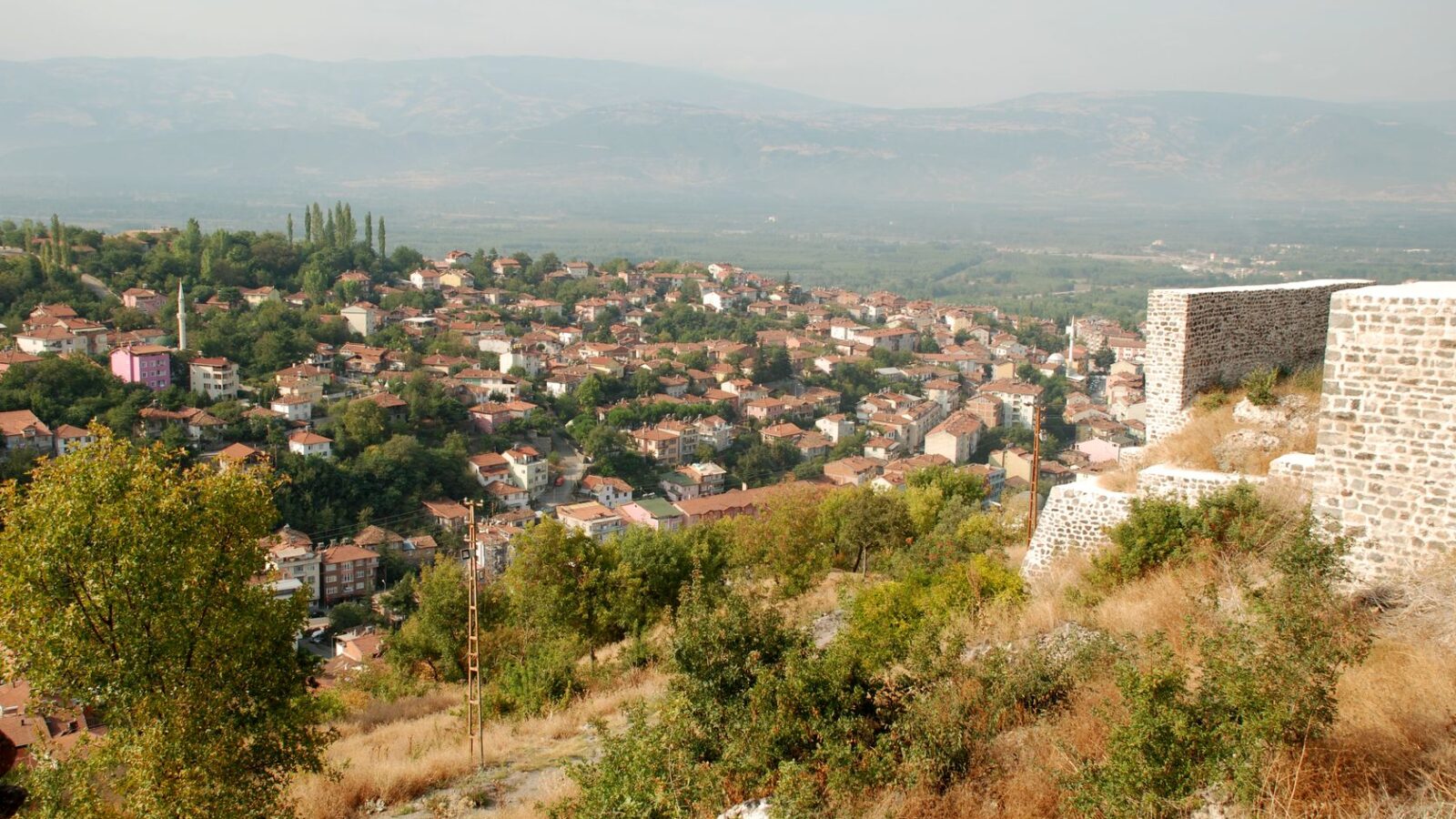
The town is dominated by its castle on the hill north of the Çanakçı stream valley. The Tokat Culture and Tourism Directorate calls it the second-largest castle in Türkiye; inside its walls stand a 12th-century madrasa, bathhouses, mosques, a church and a prison.
How do you get to Niksar?
Niksar is northeast of Tokat on the road that follows the Kelkit valley; minibuses run regularly from Tokat. It also lies on a route across the mountains towards Ordu and the Black Sea coast, so it can be visited on the way between Tokat and the coast. The castle is above the town centre; drive up or walk the lanes from the market.
Tours in Anatolia
−5% Istambul readers save 5% on every tour below — applied at checkout.
Partner listings via GetYourGuide · free cancellation on most
When is the best time to visit Niksar?
Late spring and early autumn are best. Niksar is greener and wetter than Tokat, and its orchards and the Kelkit valley are at their best in May and June. The inventory lists the Çamiçi yayla festivities in the fourth week of June among the province’s local events.
What is the history of Niksar?
As Neocaesarea, Niksar was a city of Pontus and then of the Roman province, and an early Christian centre: in the 3rd century its bishop was Gregory Thaumaturgus, the “Wonderworker”, and a church council met here in the early 4th century.
The inventory explains that rescue excavations by the Tokat Museum Directorate in the Harmancık, Kültür and Leylekli Çeşme quarters dated the city from the grave goods found in tombs: it was settled in the Roman and Byzantine periods and later became a very important centre under the Anatolian Seljuks. The Seljuk remains in Niksar Castle confirm this. A further rescue excavation in the centre of Niksar turned up 18,000 Anatolian Seljuk silver coins, more evidence of the town’s importance in that period.
After the Battle of Manzikert, Niksar became one of the first centres of the Danishmend dynasty in Anatolia. The Danishmend ruler Nizamettin Yağıbasan built the madrasa in the castle in 1158. The castle was first built in the Roman period, enlarged under Byzantium and fortified in the Islamic period.
What is Niksar famous for?
- Niksar Castle. One of the largest castles in Türkiye, with a whole medieval town’s worth of buildings inside.
- The Yağıbasan Madrasa. Built in 1158 inside the castle, among the earliest madrasas surviving in Anatolia and one of the first to teach medicine.
- Neocaesarea. The Roman and early Christian city under the town.
- The Seljuk coin hoard. 18,000 silver coins found in the town centre.
What can you see at Niksar?
Niksar Castle. Walk the walls on the hill above the town. The provincial directorate lists a madrasa, two bathhouses, two mosques, a church and a prison among the remains inside.
Yağıbasan Madrasa. A madrasa with a closed courtyard and two iwans and no arcades. The 2002 inventory notes that Tokat’s Çukur Medrese, with its great dome open at the centre, is one of only three madrasas of this kind, the others being in Niksar and Basra.
The town. The market streets below the castle, with old houses, mosques and fountains, and the views across the Kelkit plain.
The yaylas. In summer the highland pastures above Niksar, such as Çamiçi, hold festivals and are good for walking.
Along the Kelkit valley
The inventory notes that Hittite and Phrygian settlements along the Kelkit, Yeşilırmak and Çekerek rivers hosted a high level of art and culture between 2500 and 400 BC, so the valley around Niksar has deep roots.
Erbaa and Horoztepe. Southeast of Erbaa, near the İmbat stream, a cemetery of about 3000 BC at Horoztepe yielded metal and gold ornaments, among them a figurine of a woman nursing her child, now in the Museum of Anatolian Civilizations in Ankara.
Reşadiye. Further east along the Kelkit, Reşadiye has a hot spring that the inventory gives at an average of 40–41°C, used for rheumatism and joint complaints.
Selemen Yaylası. On the Reşadiye–Ordu border, where, the inventory records, Sultan Selim I camped with his army in 1514 on his way to Chaldiran and performed a Friday prayer. A traditional market has been held there every Friday from spring until the first snow ever since.



Frequently asked questions about Niksar
What was Niksar called in antiquity?
Neocaesarea. It was a Roman and Byzantine city and an early Christian centre before becoming a Danishmend and Seljuk town.
What is there to see in Niksar Castle?
The walls and, inside them, the 1158 Yağıbasan Madrasa, two bathhouses, two mosques, a church and a prison.
How big is Niksar Castle?
The Tokat Culture and Tourism Directorate calls it the second-largest castle in Türkiye.
How do you get to Niksar?
By road or minibus from Tokat, northeast along the Kelkit valley; it is also on the way between Tokat and the Black Sea coast at Ordu.
What do the official records say about Niksar?
Today’s district stands on top of the ancient city of Niksar (Neocaesarea). The history of this city is determined from the grave goods found in the tombs uncovered in rescue excavations carried out by the Museum Directorate in the Harmancık, Kültür and Leylekli Çeşme quarters of Niksar. Dated by these works, the city was settled in the Roman and Byzantine periods and later became a very important centre in the Anatolian Seljuk period. The remains of the Anatolian Seljuk period in Niksar Castle today confirm this.
In addition, the 18,000 Anatolian Seljuk silver coins found in a rescue excavation in the centre of Niksar document that Niksar was a very important centre in the Seljuk period. (Ministry of Culture and Tourism, Tokat Provincial Tourism Inventory, 2002)
Main photo: Bertramz, CC BY-SA 3.0, via Wikimedia Commons.
Ready to see Niksar?
Hand-picked tours with good reviews and clear prices.
Partner listings via GetYourGuide · free cancellation on most
Before or after: Istanbul
Most trips start or end in Istanbul. Our own experiences there:

 Dinner, sunset and day cruises between Europe and Asia.See cruises bosporuscruise.com

 Historic Turkish baths in the old city — hand-picked hamams, booked direct.Book a hamam istanbulhamam.com

 Istanbul’s tallest viewpoint: both continents from 369 metres.Get tickets camlicatower.com

 Free audio guides in 15 languages, safe routes and local tips — plus 5% off GetYourGuide.Open the free guide localada.com
Nearby
All destinations
Tokat Castle
Tokat Castle: the Byzantine, Seljuk and Ottoman citadel on the…
Sebastopolis
Sebastopolis at Sulusaray, Tokat: a Hellenistic and Roman city with…

Ballıca Cave
Ballıca Cave near Pazar, Tokat: five levels and eight halls…
Gök Medrese
Gök Medrese in Tokat: the 13th-century Seljuk madrasa and hospital…
