Gök Medrese: Tokat’s Seljuk Madrasa and Hospital
On this page
Key facts: Gök Medrese (Tokat)
- What it is: A 13th-century Seljuk madrasa that also served as a hospital (darüşşifa), with a two-storey arcaded courtyard and tile decoration.
- Where: Gaziosmanpaşa Bulvarı, next to Taşhan, central Tokat.
- Date: Built around 1277 by Muineddin Pervane; the foundation inscription is lost.
What is Gök Medrese?
The Gök Medrese (“Blue Madrasa”) is the most important Seljuk building in Tokat. The 2002 inventory calls it one of the most debated Seljuk works, a building that carries the most distinctive features of Seljuk architecture and art. It takes its popular name from the turquoise and blue tiles that once covered much of its courtyard.
It has had many names, which tell its story: Gök Medrese, Pervane Medresesi, Kırk Kızlar Medresesi (“Madrasa of the Forty Maidens”), Darüşşifa (hospital) and Bimarhane Tekkesi. For decades it housed the Tokat Museum.
How do you get to Gök Medrese?
It stands on Gaziosmanpaşa Bulvarı, the main street of the old town, next to Taşhan and a few minutes’ walk from Latifoğlu Konağı and the Tokat Museum on Sulusokak. From anywhere in central Tokat you can walk there.
Opening arrangements have changed since the museum moved out in 2012. The Tokat Culture and Tourism Directorate used the building for its Tourism Week programme in April 2026; check locally for current opening hours.
Tours in Anatolia
−5% Istambul readers save 5% on every tour below — applied at checkout.
Partner listings via GetYourGuide · free cancellation on most
When is the best time to visit Gök Medrese?
Any time of year. Morning light is best for the courtyard. Combine it with Taşhan next door, the bedesten and the Tokat Museum for a half-day in the old town. Spring and autumn are the most comfortable seasons for walking between the monuments.
What is the history of Gök Medrese?
The inventory explains that although its inscription is lost, the building is understood to have been built in the 13th century (1277) by Muineddin Pervane. Muineddin was one of the last Seljuk pervanes, the chief ministers who effectively ran the Sultanate of Rum in the later 13th century. Because he lived in Tokat, he gave importance to building in the city; the large Pervane Hamam in the city is also attributed to him and dated to around 1277.
In the Ottoman period, until the 18th century, the madrasa was used as a dervish lodge, a mental hospital (bimarhane), and one room as a tomb. Later it was used as a hospital and a shelter for refugees. Many of the tombstones now scattered in the museum’s north garden were taken up from the courtyard during restoration work that began in 1976: they belong to 19th-century and earlier Ottoman pashas, among them Grand Vizier Konyalı Çarhancı Ali Paşa, Vizier Çeçenzade Hacı Hasan Paşa, Vizier İbrahim Paşa and the Tokat governor Abdüllatif Bey, and were brought here from the Meydan Mosque in 1933.
The building then served for many years as the Tokat Museum. In 2012 the museum moved to the restored Arastalı Bedesten on Sulusokak.
What is Gök Medrese famous for?
- Seljuk tilework. Turquoise and dark blue tiles on the courtyard façades, the origin of the name.
- Reused Roman columns. The two-storey arcades around the courtyard rest on marble columns of the Late Roman period.
- A hospital as well as a school. It is one of the darüşşifas of Seljuk Anatolia, alongside those of Sivas and Divriği.
What can you see at Gök Medrese?
The plan. The inventory describes the Gök Medrese as two-storeyed, with two iwans and an open, arcaded courtyard. Two iwans face each other across the courtyard, which is surrounded on both floors by arcades on Late Roman marble columns.
The tiles. What survives of the tile mosaic and glazed brick on the courtyard walls is among the finest Seljuk tilework in this part of Anatolia.
Stone and plaster. The building combines stone, tile and plaster decoration; the portal on the street side is in cut stone.
The tomb room. The room that served as a tomb in the Ottoman period.
The tombstones. The Ottoman gravestones in the north garden, moved here from the Meydan Mosque in 1933.
Next door
Taşhan (1631) is immediately beside it, with shops in its cells. Latifoğlu Konağı, a late-18th-century mansion turned museum, is a short walk away.



Frequently asked questions about Gök Medrese
Who built the Gök Medrese in Tokat?
Muineddin Pervane, chief minister of the Seljuk Sultanate of Rum, around 1277. Its foundation inscription is lost.
Why is it called Gök Medrese?
Gök means sky blue; the name comes from the turquoise and blue tiles that decorated the courtyard.
Is the Tokat Museum still in the Gök Medrese?
No. The Tokat Museum moved to the Arastalı Bedesten on Sulusokak in 2012.
What was the Gök Medrese used for?
It was a madrasa and hospital, then in the Ottoman period a dervish lodge and mental hospital, later a hospital and refugee shelter, and finally a museum.
What is near the Gök Medrese?
Taşhan stands right next to it, and Latifoğlu Konağı, the bedesten and the Tokat Museum are a short walk away.
What do the official records say about Gök Medrese?
This historic monument in the Meydan quarter, now used as a museum, is one of the most debated Seljuk works. Although its inscription is lost, it is understood to have been built in the 13th century (1277) by Muineddin Pervane, and it carries the most distinctive features of Seljuk architecture and art. Muineddin was one of the last Seljuk Pervanes; because he lived in Tokat, he gave importance to its building.
In the Ottoman period, up to the 18th century, the madrasa was used as a lodge, a mental hospital and, in one room, a tomb; later it served as a hospital and a refugee shelter. This is why people call it “Gök Medrese”, “Pervane Medresesi”, “Kırk Kızlar Medresesi”, “Darüşşifa” and “Bimarhane Tekkesi”. The Gök Medrese is two-storeyed, with two iwans and an open, arcaded courtyard; two iwans face each other across a courtyard surrounded by two arcaded floors of Late Roman marble columns. (Ministry of Culture and Tourism, Tokat Provincial Tourism Inventory, 2002)
Ready to see Gök Medrese?
Hand-picked tours with good reviews and clear prices.
Partner listings via GetYourGuide · free cancellation on most
Before or after: Istanbul
Most trips start or end in Istanbul. Our own experiences there:
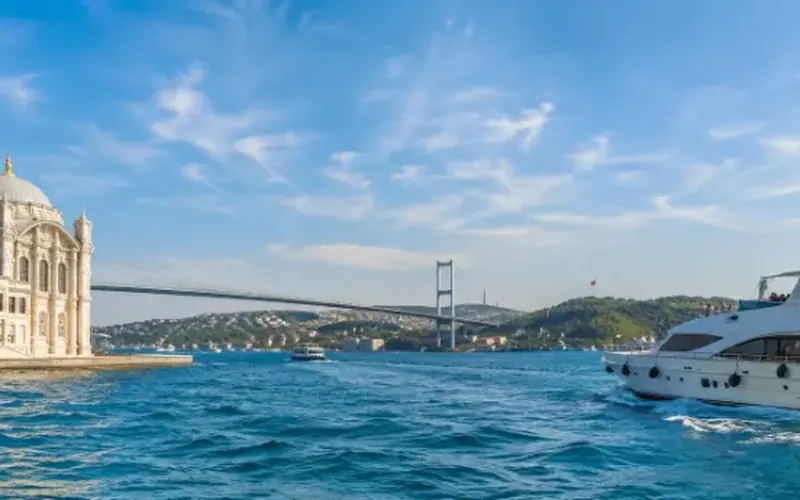
 Dinner, sunset and day cruises between Europe and Asia.See cruises bosporuscruise.com
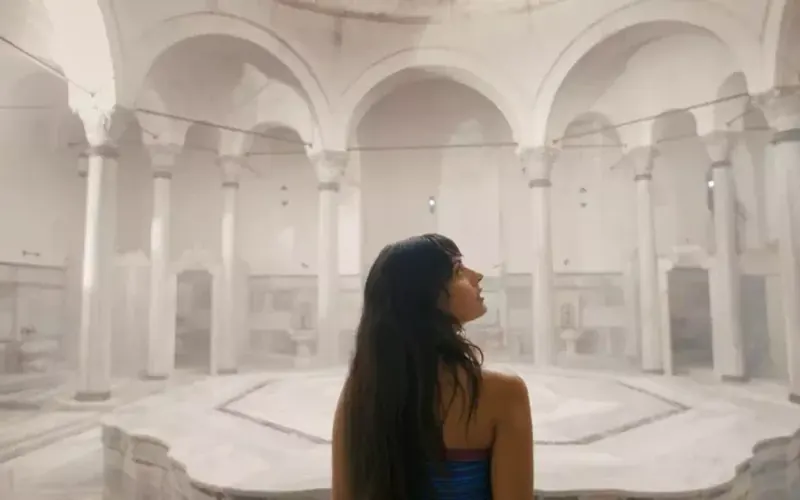
 Historic Turkish baths in the old city — hand-picked hamams, booked direct.Book a hamam istanbulhamam.com
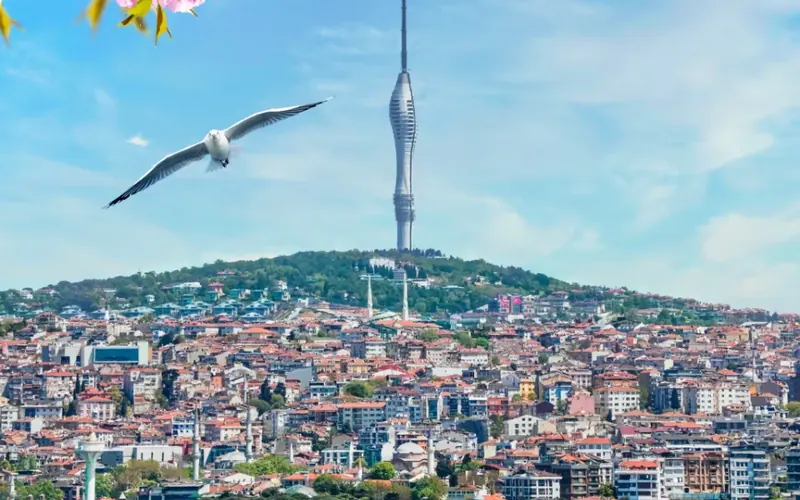
 Istanbul’s tallest viewpoint: both continents from 369 metres.Get tickets camlicatower.com
 Free audio guides in 15 languages, safe routes and local tips — plus 5% off GetYourGuide.Open the free guide localada.com
Nearby
All destinations
Tokat Castle
Tokat Castle: the Byzantine, Seljuk and Ottoman citadel on the…
Niksar
Niksar in Tokat: ancient Neocaesarea, a huge castle with the…
Sebastopolis
Sebastopolis at Sulusaray, Tokat: a Hellenistic and Roman city with…

Ballıca Cave
Ballıca Cave near Pazar, Tokat: five levels and eight halls…