
Şanlıurfa Archaeology and Mosaic Museum: Urfa Man to Amazon Queens
On this page
- What is the Şanlıurfa Archaeology and Mosaic Museum?
- How do you get to the Şanlıurfa Archaeology and Mosaic Museum?
- When is the best time to visit the Şanlıurfa Archaeology and Mosaic Museum?
- What is the history of the Şanlıurfa Archaeology and Mosaic Museum?
- What is the Şanlıurfa Archaeology and Mosaic Museum famous for?
- What can you see at the Şanlıurfa Archaeology and Mosaic Museum?
- Common misconceptions about the Şanlıurfa Archaeology and Mosaic Museum
- Frequently asked questions about the Şanlıurfa Archaeology and Mosaic Museum
Key facts: Şanlıurfa Archaeology and Mosaic Museum
- What it is: A museum complex of two buildings: an archaeology museum running from the Palaeolithic to the Islamic period, and a mosaic museum built over Roman and Byzantine villa floors.
- Where: Haleplibahçe, beside the Gölbaşı park and Balıklıgöl, in the old city of Şanlıurfa.
- Opened: 2015, replacing the old museum on Çamlık Street.
What is the Şanlıurfa Archaeology and Mosaic Museum?
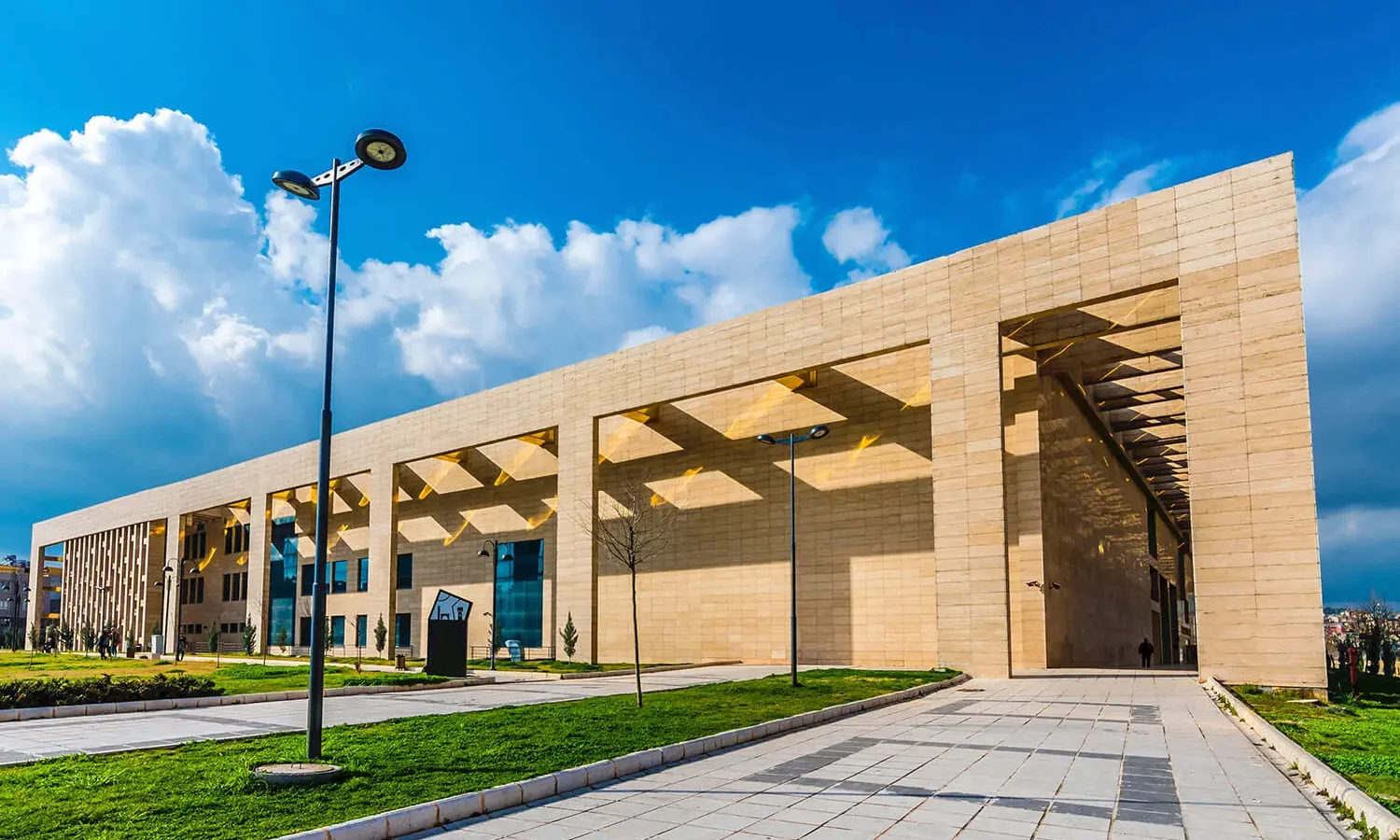
The Şanlıurfa Archaeology and Mosaic Museum is the museum complex of Şanlıurfa, one of the largest in Türkiye. It has two parts. The archaeology museum (north building) tells the story of the region from the Palaeolithic through the Neolithic of Göbeklitepe to the Islamic period. The Haleplibahçe Mosaic Museum (south building), under a large dome, protects the mosaic floors of Roman and Byzantine villas in the place where they were found.
It is the essential companion to Göbeklitepe: many of the finest Neolithic sculptures from the Taş Tepeler sites are here, along with the Urfa Man, the oldest known life-size statue of a human being.
How do you get to the Şanlıurfa Archaeology and Mosaic Museum?
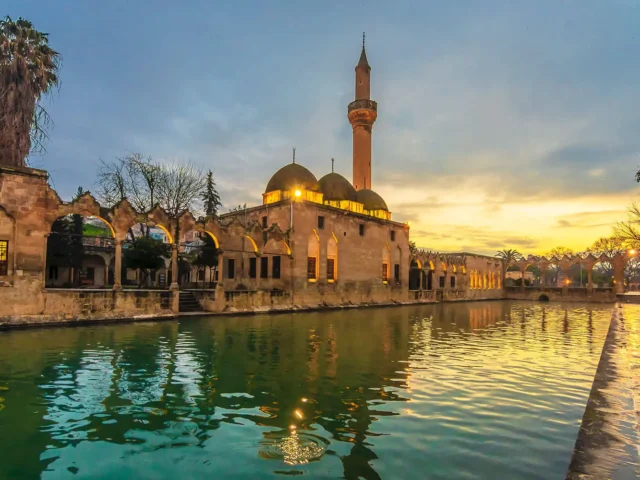
The museum is in the Haleplibahçe area, on the western side of the Gölbaşı park, a few minutes’ walk from Balıklıgöl and Ayn Zeliha Lake. From the old-town hotels, walk; from the newer districts, take a taxi or a city bus to Balıklıgöl. City bus lines including R2, 24 and 63 serve the Balıklıgöl area.
Book a Şanlıurfa Archaeology and Mosaic Museum tour
−5% Istambul readers save 5% on every tour below — applied at checkout.
Partner listings via GetYourGuide · free cancellation on most
When is the best time to visit the Şanlıurfa Archaeology and Mosaic Museum?
Any time of year, and especially in the heat of a summer afternoon. Ideally visit after Göbeklitepe, when the finds make most sense, or before it if you want the background first. Allow two to three hours for both buildings. Check opening hours on the Ministry’s museum portal (muze.gov.tr) before you go.
In March 2023 flash floods in Şanlıurfa reached the mosaic museum building. Ask at the entrance whether both buildings are fully open on the day of your visit.
What is the history of the Şanlıurfa Archaeology and Mosaic Museum?
Şanlıurfa’s first museum, on Çamlık Street, could not hold the flood of finds that came from rescue excavations before the Atatürk and Birecik dams were built and from Göbeklitepe. Then building work for a planned theme park at Haleplibahçe, next to the sacred pools, exposed mosaic floors of high quality. Instead of the park, a new museum complex was built: the mosaic floors were protected under a domed building on the spot, and a large archaeology museum was built beside them. The complex opened in 2015.
The Haleplibahçe mosaics belonged to villas of Edessa in late antiquity; they include scenes of Amazon queens hunting, described as the first known depictions of Amazon women in mosaic. In 2015 the Orpheus Mosaic, a floor made in Edessa in the late 2nd century AD that had been taken illegally to the United States, was returned from the Dallas Museum of Art and placed on display here.
What is the Şanlıurfa Archaeology and Mosaic Museum famous for?
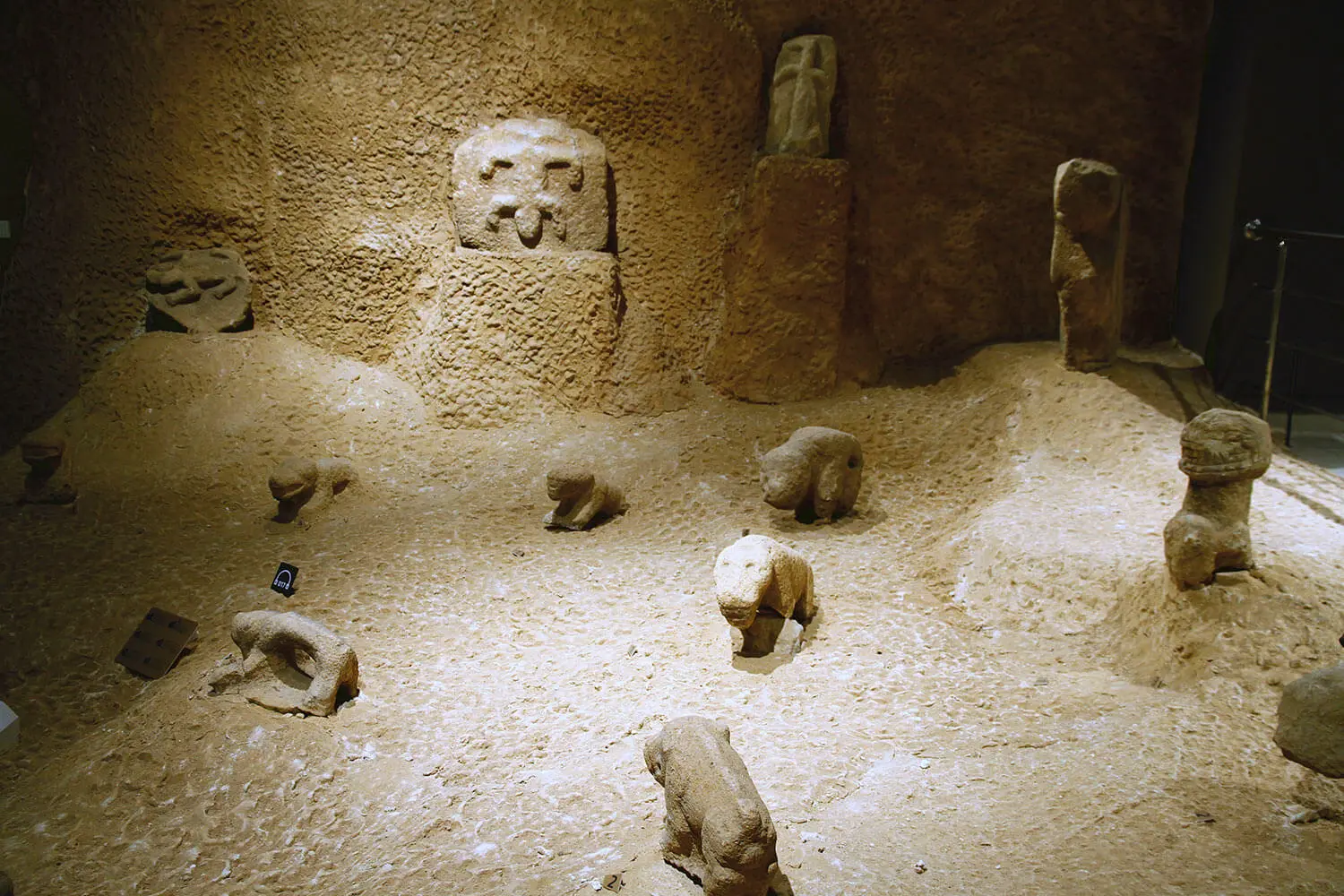
- The Urfa Man. A limestone statue about 1.8 m tall, found at Balıklıgöl and dated to the Neolithic, roughly 11,000 years ago.
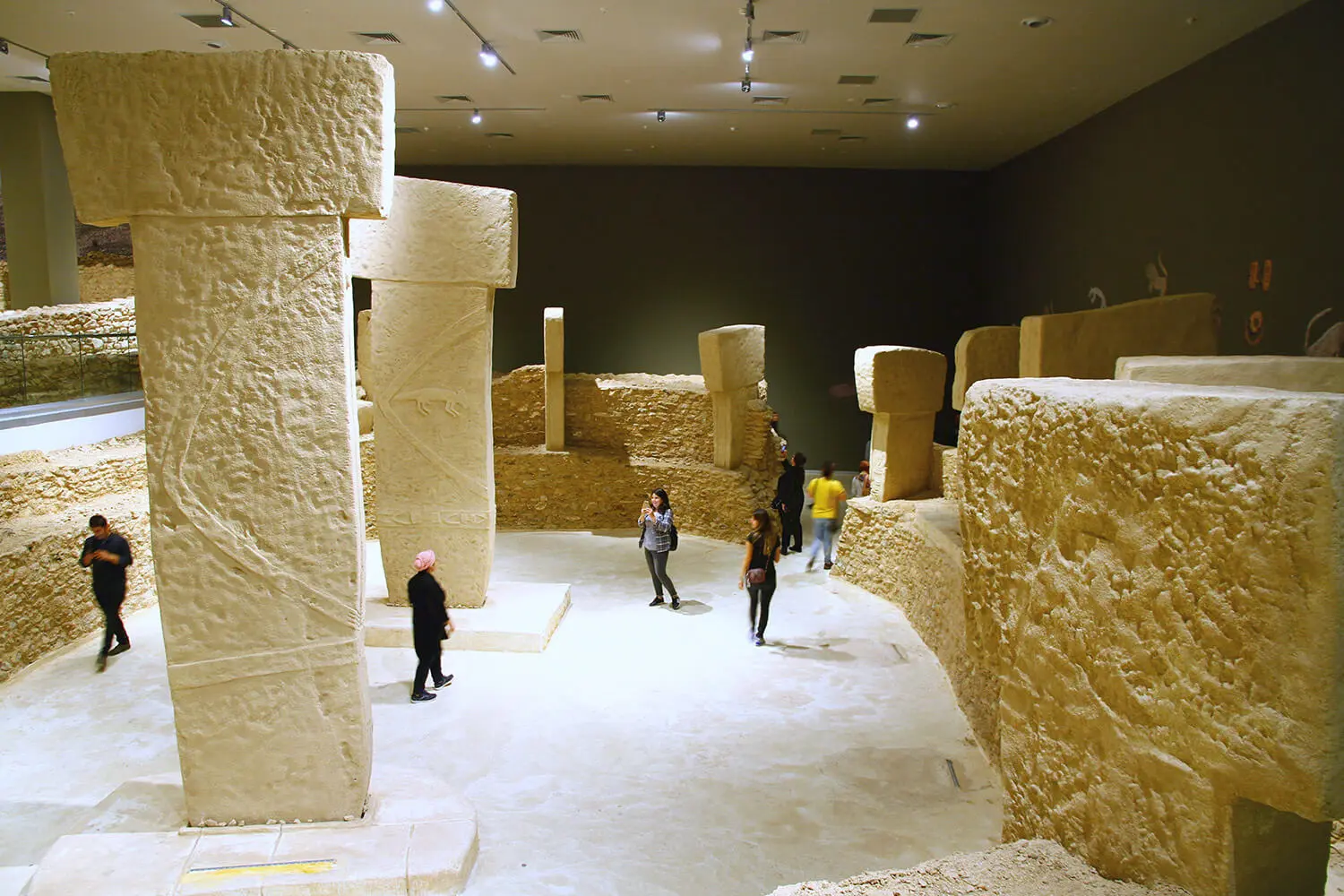
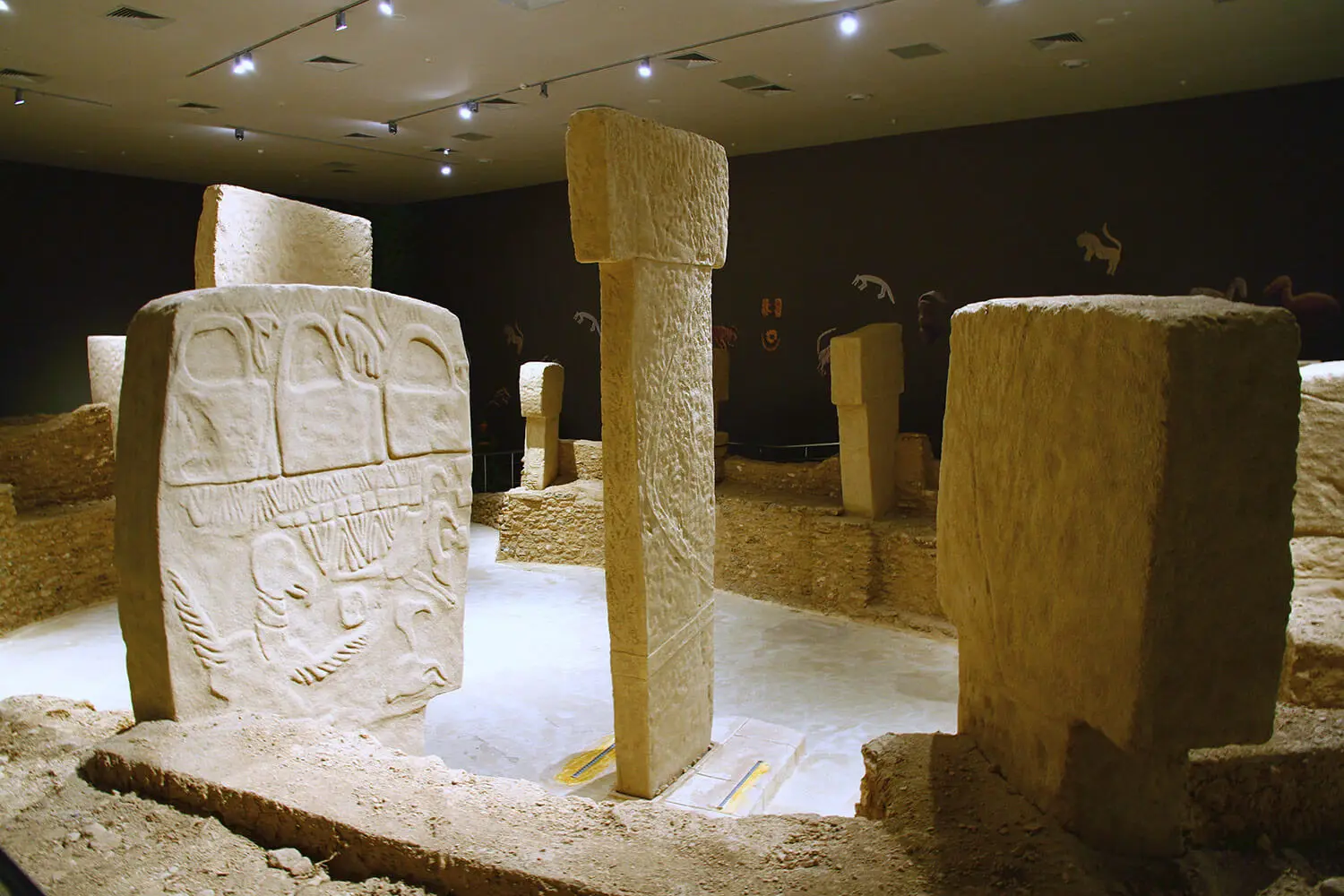
- The Göbeklitepe replica. A full-size reconstruction of Enclosure D, so you can stand among the pillars as you cannot at the site.
- Amazon mosaics. Hunting scenes of Amazon queens from Haleplibahçe, with the largest panel about 3 by 9 m.
- The Orpheus Mosaic. Returned from Dallas in 2015.
What can you see at the Şanlıurfa Archaeology and Mosaic Museum?
Neolithic hall. Sculptures, pillars and small finds from Göbeklitepe, Nevalı Çori (now under the Atatürk Dam lake) and other Taş Tepeler sites, with the Urfa Man and the Enclosure D replica.
Chalcolithic and Bronze Age halls. Finds from mounds such as Lidar Höyük, excavated before the dam lakes filled.
Iron Age to Roman. Assyrian, Babylonian and Hittite pieces, a basalt collection and a reconstructed Roman street and glass workshop.
Islamic period. Finds from Harran and from the city’s medieval buildings, and an ethnographic section.
The Haleplibahçe Mosaic Museum. Walkways over the villa floors: the Amazon queens hunting leopards and lions, animals, birds, an Eros figure and the smiling girl, plus the Orpheus Mosaic in its own room.
The garden. Stone pieces displayed in the grounds, and the remains of a 6th-century Byzantine bath next to the mosaic building.
Tips for your visit
- Start with the Neolithic hall if you are short of time; it is the part that sets Şanlıurfa apart from other museums.
- Do the mosaic museum separately. It is a different building, and some visitors miss it.
- Use the replica. Walk through the Enclosure D reconstruction before or after Göbeklitepe to understand the scale of the pillars.
- Pair it with the pools. Balıklıgöl and Ayn Zeliha are a few minutes away for tea afterwards.
Common misconceptions about the Şanlıurfa Archaeology and Mosaic Museum
Was the Urfa Man found at Göbeklitepe?
What people often assume: Because it is displayed with the Göbeklitepe finds, the Urfa Man is often thought to come from Göbeklitepe.
What the record says: The statue was found in Şanlıurfa itself, near Balıklıgöl, which is why it is also called the Balıklıgöl statue. It belongs to the same Neolithic world as Göbeklitepe but was not found there (source).



Frequently asked questions about the Şanlıurfa Archaeology and Mosaic Museum
What is the Urfa Man?
A life-size limestone statue found near Balıklıgöl and dated to the Neolithic, around 11,000 years ago. It is the oldest known life-size human statue.
Is there a Göbeklitepe replica in the museum?
Yes. A full-size replica of Enclosure D lets you stand among the pillars, which you cannot do at the site.
How long do you need at the museum?
Two to three hours for the archaeology museum and the Haleplibahçe Mosaic Museum.
Where is the museum?
At Haleplibahçe, on the west side of the Gölbaşı park, a few minutes’ walk from Balıklıgöl.
When did the museum open?
In 2015, replacing the older museum on Çamlık Street.
Ready to see Şanlıurfa Archaeology and Mosaic Museum?
Hand-picked tours with good reviews and clear prices.
Partner listings via GetYourGuide · free cancellation on most
Before or after: Istanbul
Most trips start or end in Istanbul. Our own experiences there:

 Dinner, sunset and day cruises between Europe and Asia.See cruises bosporuscruise.com

 Historic Turkish baths in the old city — hand-picked hamams, booked direct.Book a hamam istanbulhamam.com

 Istanbul’s tallest viewpoint: both continents from 369 metres.Get tickets camlicatower.com

 Free audio guides in 15 languages, safe routes and local tips — plus 5% off GetYourGuide.Open the free guide localada.com
Nearby
All destinations
Göbeklitepe
Göbeklitepe near Şanlıurfa: UNESCO-listed Neolithic enclosures of carved T-shaped pillars…

Halil-ür Rahman Mosque
Halil-ür Rahman Mosque at Balıklıgöl, Şanlıurfa: Ayyubid mosque of 1211…

Halfeti
Halfeti on the Euphrates: the half-submerged stone town, boat trips…
Ayn Zeliha Lake
Ayn Zeliha Lake in Şanlıurfa: the sacred fish pool named…
