
Balıklıgöl: The Pool of Abraham in Şanlıurfa
On this page
Key facts: Balıklıgöl
- What it is: The sacred spring-fed pools of Şanlıurfa, Halil-ür Rahman and Ayn Zeliha, full of carp and ringed by mosques and madrasas.
- Where: Gölbaşı park, in the old city of Şanlıurfa, at the foot of the castle (Eyyübiye district).
- Significance: Associated by tradition with the Prophet Abraham. Part of the “Harran and Şanlıurfa” entry on the UNESCO Tentative List since 2000 (UNESCO).
What is Balıklıgöl?
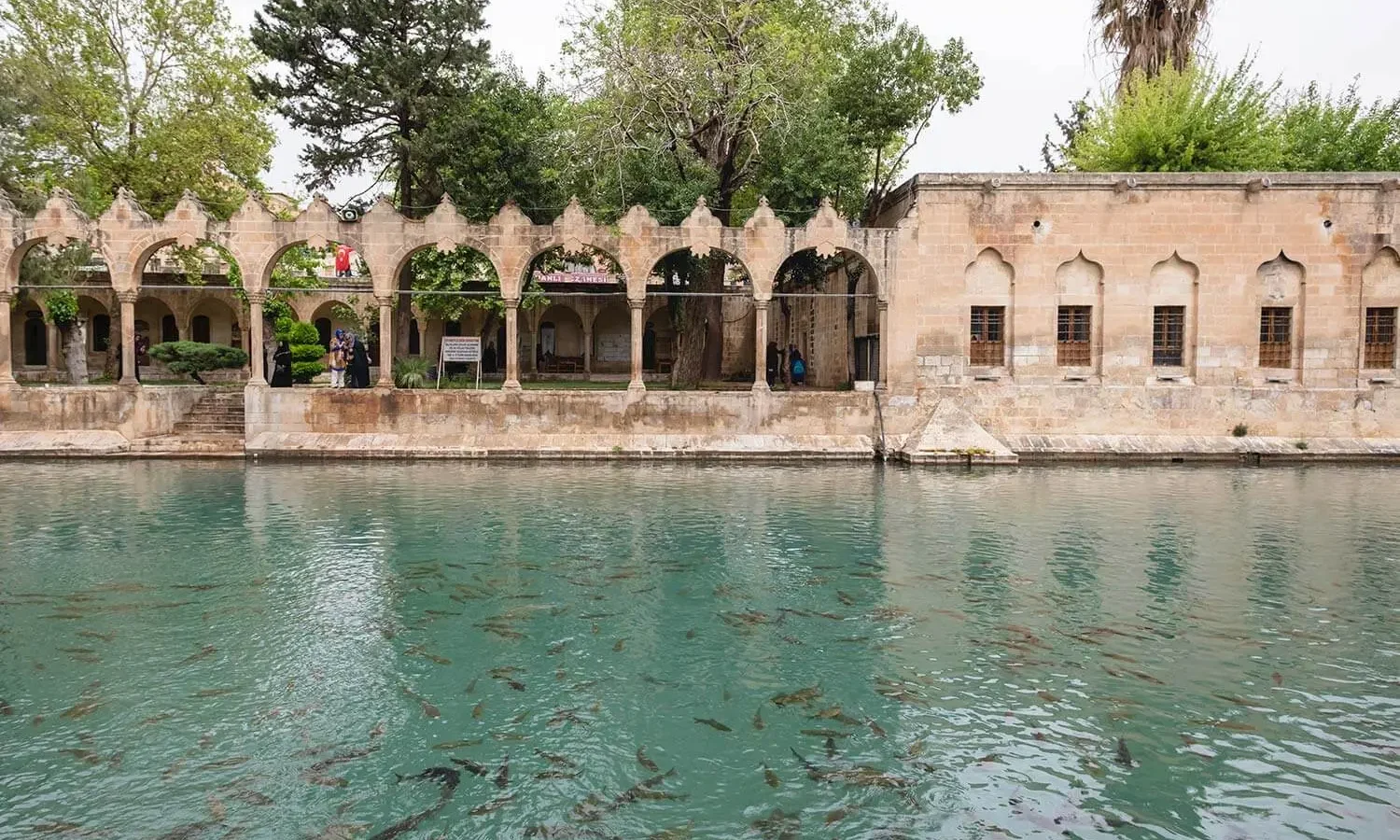
Balıklıgöl (“lake with fish”), also called the Pool of Abraham, is the spiritual and social centre of Şanlıurfa. It is a long rectangular pool fed by springs, crowded with carp that are considered sacred and are never caught. Around its edges stand the Halil-ür Rahman Mosque, the Rızvaniye Mosque and Madrasa, and arcades shaded by old plane trees, with the castle rock rising directly behind.
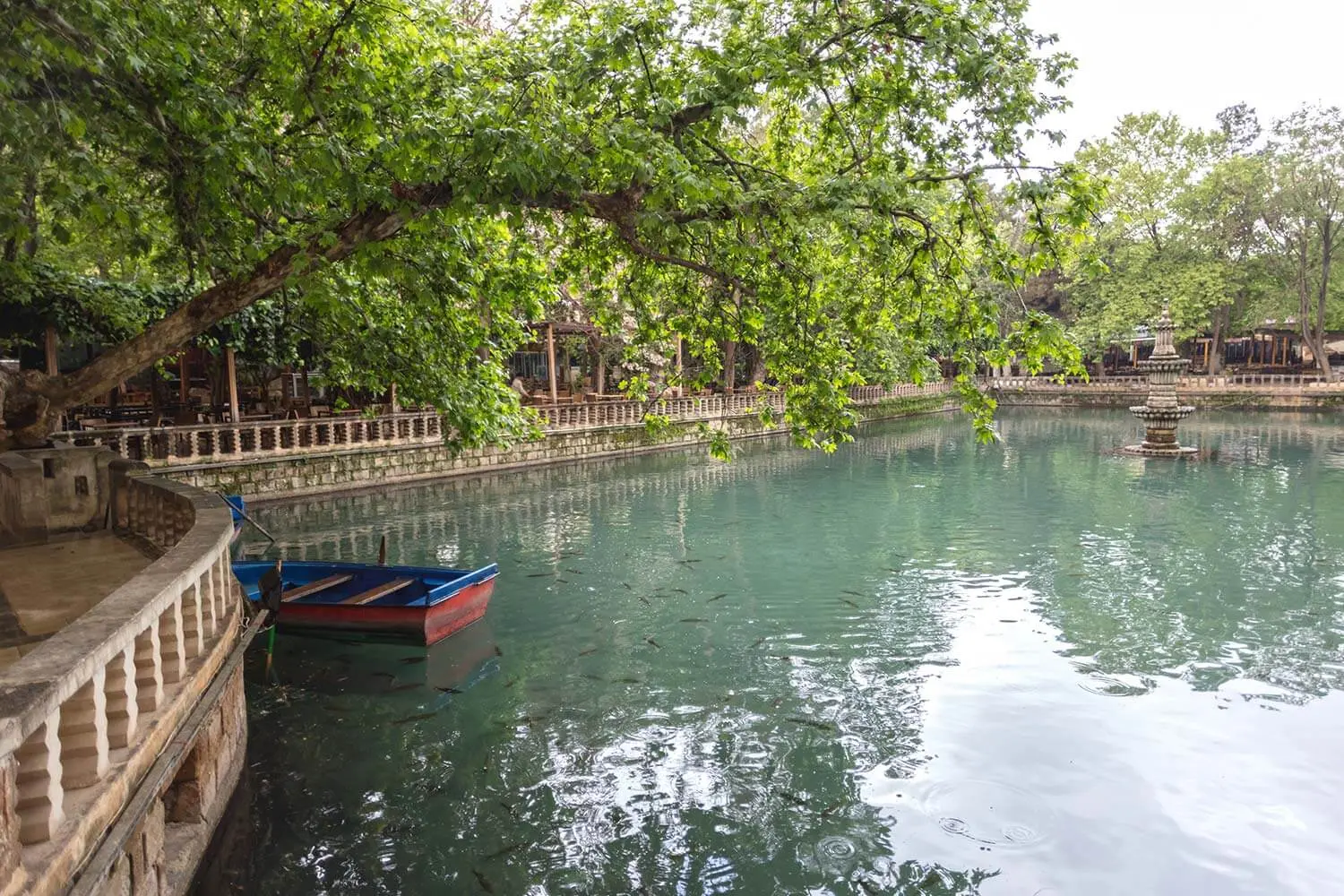
The name is used both for this main pool, properly Halil-ür Rahman Lake, and for the whole complex, which includes the smaller Ayn Zeliha Lake in the same park. The Ministry of Culture and Tourism describes it as looking like a natural aquarium, with fish, centuries-old plane trees and willows. Pilgrims and families come from all over Türkiye and beyond to feed the fish, pray and walk under the arcades.
How do you get to Balıklıgöl?
Balıklıgöl is in the old city, at the southern end of the main street running down from the centre. Most hotels in the old quarter are within walking distance; from the newer districts take a taxi or a city bus marked for Balıklıgöl. The Archaeology and Mosaic Museum is a few minutes’ walk west, through the Gölbaşı park.
Book a Balıklıgöl tour
−5% Istambul readers save 5% on every tour below — applied at checkout.
Partner listings via GetYourGuide · free cancellation on most
When is the best time to visit Balıklıgöl?
Opening hours change through the year, so check them before you visit. Evening is lively, with families strolling and the mosques lit. Spring and autumn are most pleasant; in summer the plane trees give some shade, but midday is very hot. Religious holidays and Fridays bring large crowds.
The pools are open at all times and there is no entry fee. Dress modestly, as the site is a place of prayer, and remove your shoes to enter the mosques.
What is the history of Balıklıgöl?
According to the tradition told in Urfa, King Nimrod had Abraham thrown into a fire from the castle hill above the pool, as punishment for rejecting idols. God turned the fire into water and the burning logs into fish. The spot where Abraham fell is the Halil-ür Rahman Lake; the name Halil-ür Rahman, “friend of the Merciful”, is a title of Abraham in Islam.
The buildings around the pool record the city’s long history. The Halil-ür Rahman Mosque, on the southwest corner, stands on the site of a church built in 504 and carries an inscription of 1211 from the Ayyubid period. On the north side, the Rızvaniye Mosque and Madrasa were built in the early 18th century by Rıdvan Ahmed Pasha, Ottoman governor of Raqqa, on the site of a Byzantine church of St Thomas; its madrasa, around a courtyard with a library and students’ rooms, still houses students. A madrasa of 1871 lines the west shore.
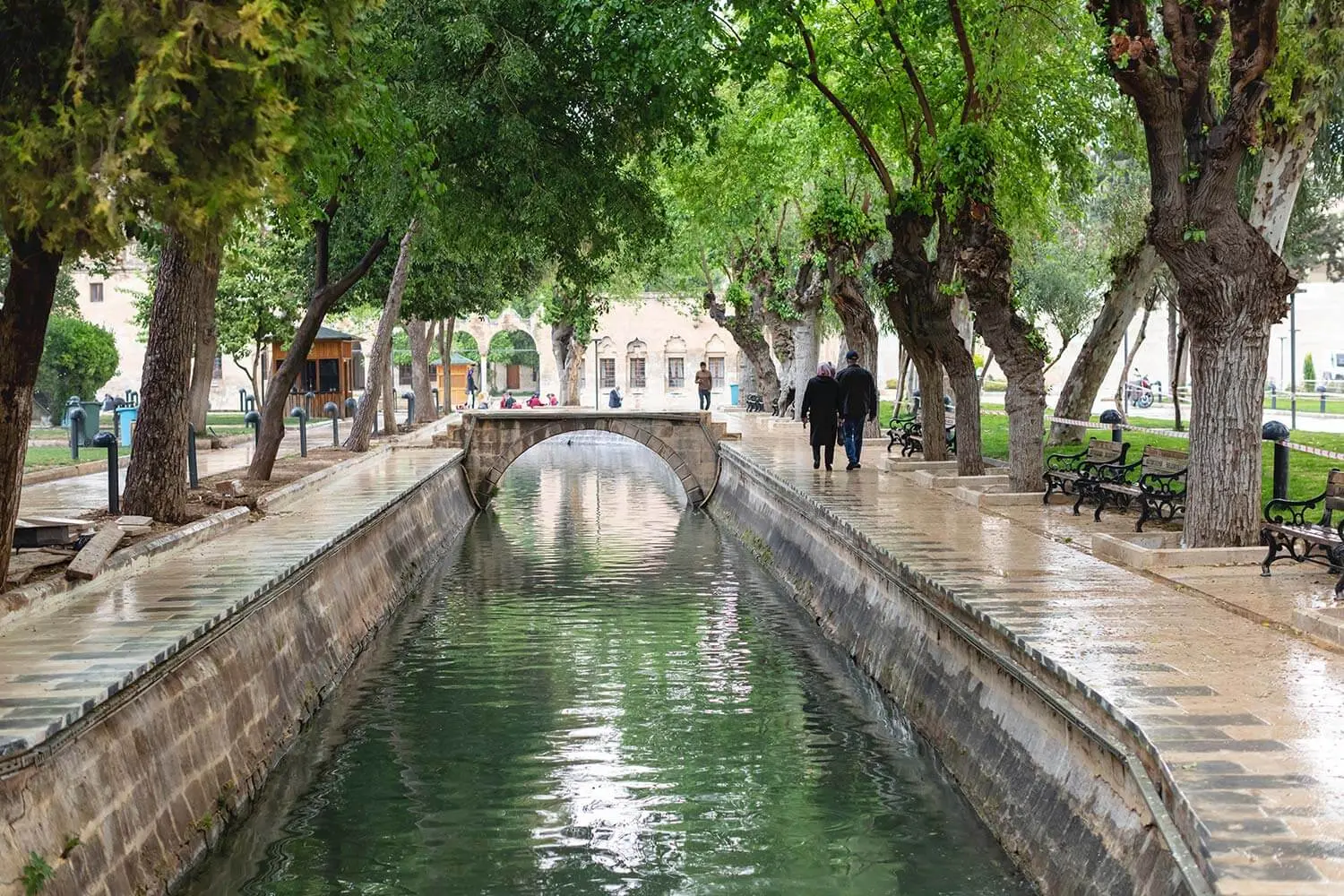
Between 1924 and 1958 a bath and nearby houses were demolished and a canal with a bridge was cut to link the pool with Ayn Zeliha. A restoration in 1991 added the railings, arches and lighting that tie the buildings together around the water today.
What is Balıklıgöl famous for?
- The sacred carp. Thousands of fish, fed by visitors with pellets sold at the edge. Local belief holds that anyone who eats them will go blind.
- Abraham. The pool is the setting of the story of Abraham and Nimrod’s fire.
- Architecture. Ayyubid and Ottoman mosques and madrasas reflected in the water.
- Atmosphere. Pilgrims, families and tea gardens make it the city’s gathering place.
What can you see at Balıklıgöl?
The pool. Walk the full length of Halil-ür Rahman Lake under the arcades and across the bridges.
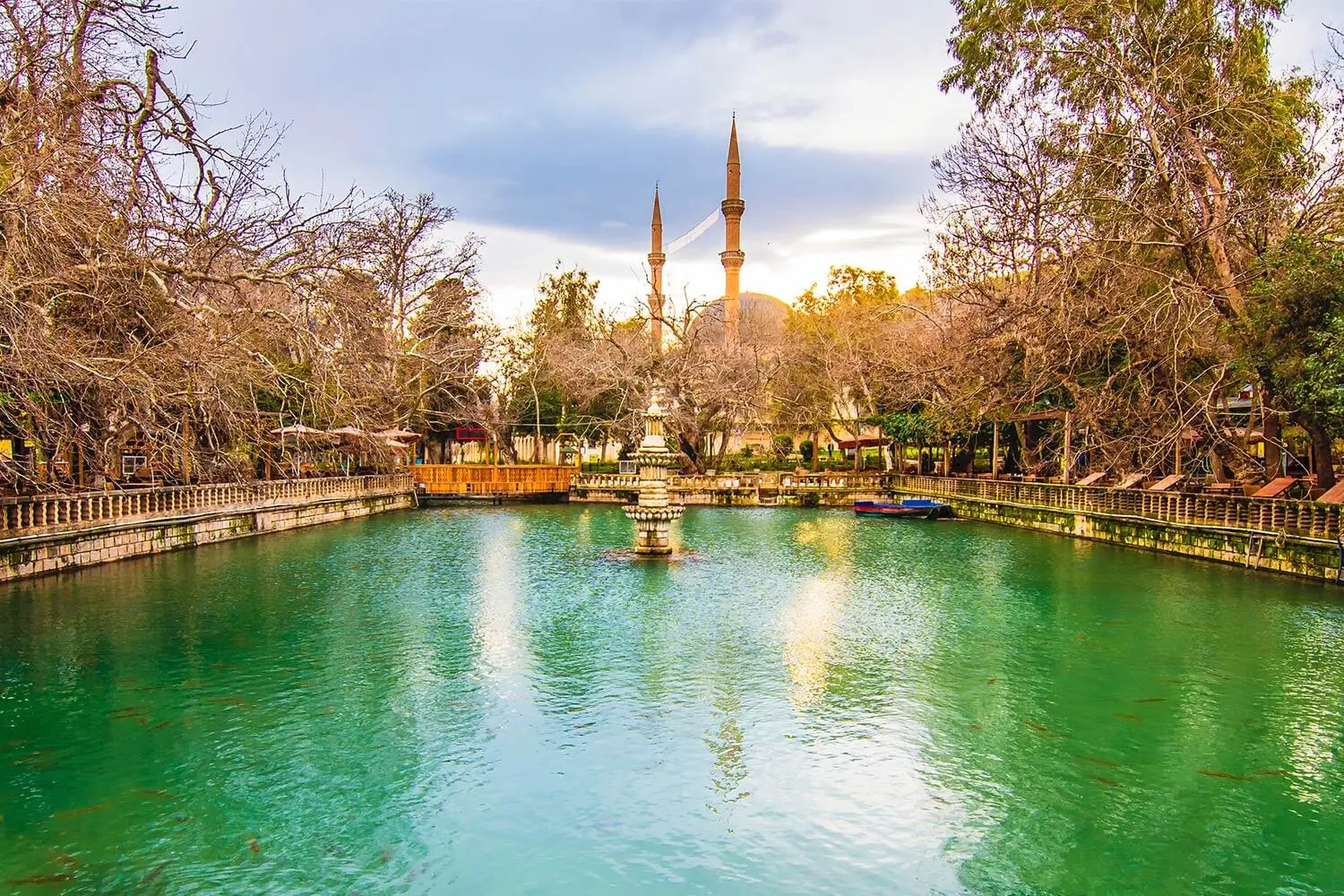
Halil-ür Rahman Mosque. With its square stone minaret, at the southwest corner where Abraham is said to have fallen. See our Halil-ür Rahman Mosque guide.
Rızvaniye Mosque and Madrasa. The long arcaded front along the north side, with its wooden gate and green courtyard.
Ayn Zeliha Lake. The second pool, a short walk through the park, with tea gardens and a fountain.
The castle and the Cave of Abraham. The castle with its two columns stands above the pool, and the Cave of Abraham is a short walk south.
Tips for your visit
- Combine the old-city sights. Balıklıgöl, Ayn Zeliha, the Cave of Abraham and the museum complex fit comfortably into one unhurried day.
- Respect the pilgrims. Many visitors come to pray. Keep voices down near the mosques and ask before photographing people.
- Stop for tea. The tea gardens around Ayn Zeliha and in the Gölbaşı park are the place to sit and watch the city.
- Come back after dark. The arcades and minarets are floodlit, and the pool reflects them.



Frequently asked questions about Balıklıgöl
Why are the fish at Balıklıgöl sacred?
Tradition says that when Nimrod threw Abraham into the fire, God turned the fire into water and the logs into fish. The carp are never caught, and locals believe eating them brings blindness.
Is there an entry fee for Balıklıgöl?
No. The pools and gardens are open to everyone at all times.
What is the difference between Balıklıgöl and Ayn Zeliha?
Balıklıgöl usually means the main Halil-ür Rahman pool; Ayn Zeliha is a second, smaller pool in the same park, named after Nimrod’s daughter Zeliha.
When is the best time to visit Balıklıgöl?
Early morning for calm and soft light, or evening for the lively atmosphere. Avoid midday in summer.
Can you feed the fish?
Yes. Fish food is sold at stalls around the pool.
What do the official records say about Balıklıgöl?
The Ministry of Culture and Tourism describes Balıklıgöl as lying in the city centre and resembling a natural aquarium, with its fish, centuries-old plane trees and willows. It consists of two lakes, Ayn-ı Zeliha and Halil-ür Rahman. According to the legend, Abraham was thrown into the fire by Nimrod from Şanlıurfa Castle; the fire turned into water and the logs into fish. The place where Abraham fell is the Halil-ür Rahman Lake. (Ministry of Culture and Tourism, “Şanlıurfa”, ktb.gov.tr)
Ready to see Balıklıgöl?
Hand-picked tours with good reviews and clear prices.
Partner listings via GetYourGuide · free cancellation on most
Before or after: Istanbul
Most trips start or end in Istanbul. Our own experiences there:

 Dinner, sunset and day cruises between Europe and Asia.See cruises bosporuscruise.com

 Historic Turkish baths in the old city — hand-picked hamams, booked direct.Book a hamam istanbulhamam.com

 Istanbul’s tallest viewpoint: both continents from 369 metres.Get tickets camlicatower.com

 Free audio guides in 15 languages, safe routes and local tips — plus 5% off GetYourGuide.Open the free guide localada.com
Nearby
All destinations
Halfeti
Halfeti on the Euphrates: the half-submerged stone town, boat trips…
Harran
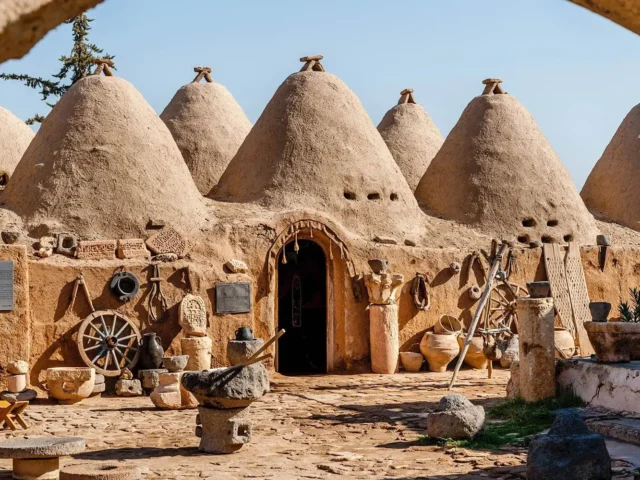
Harran near Şanlıurfa: conical mudbrick beehive houses, the 8th-century Great…
Ayn Zeliha Lake
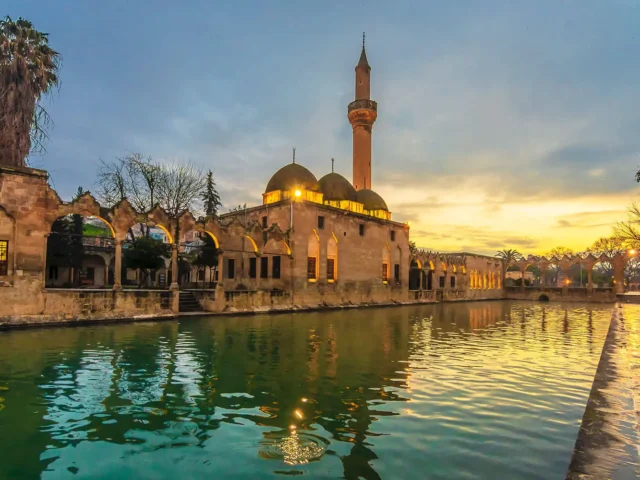
Ayn Zeliha Lake in Şanlıurfa: the sacred fish pool named…

Halil-ür Rahman Mosque
Halil-ür Rahman Mosque at Balıklıgöl, Şanlıurfa: Ayyubid mosque of 1211…
