
Cave of Abraham: Mevlid-i Halil in Şanlıurfa
On this page
- What is the Cave of Abraham?
- How do you get to the Cave of Abraham?
- When is the best time to visit the Cave of Abraham?
- What is the history of the Cave of Abraham?
- What is the Cave of Abraham famous for?
- What can you see at the Cave of Abraham?
- Common misconceptions about the Cave of Abraham
- Frequently asked questions about the Cave of Abraham
- What do the official records say about the Cave of Abraham?
Key facts: Cave of Abraham
- What it is: A small cave revered as the birthplace of the Prophet Abraham, beside the Mevlid-i Halil Mosque; a place of pilgrimage.
- Where: Dergâh area south of Balıklıgöl, Eyyübiye district, in the old city of Şanlıurfa.
- Period: The mosque beside it is Ottoman, usually dated to the 16th century and repaired in 1816, 1852, 1951 and the early 1990s.
What is the Cave of Abraham?
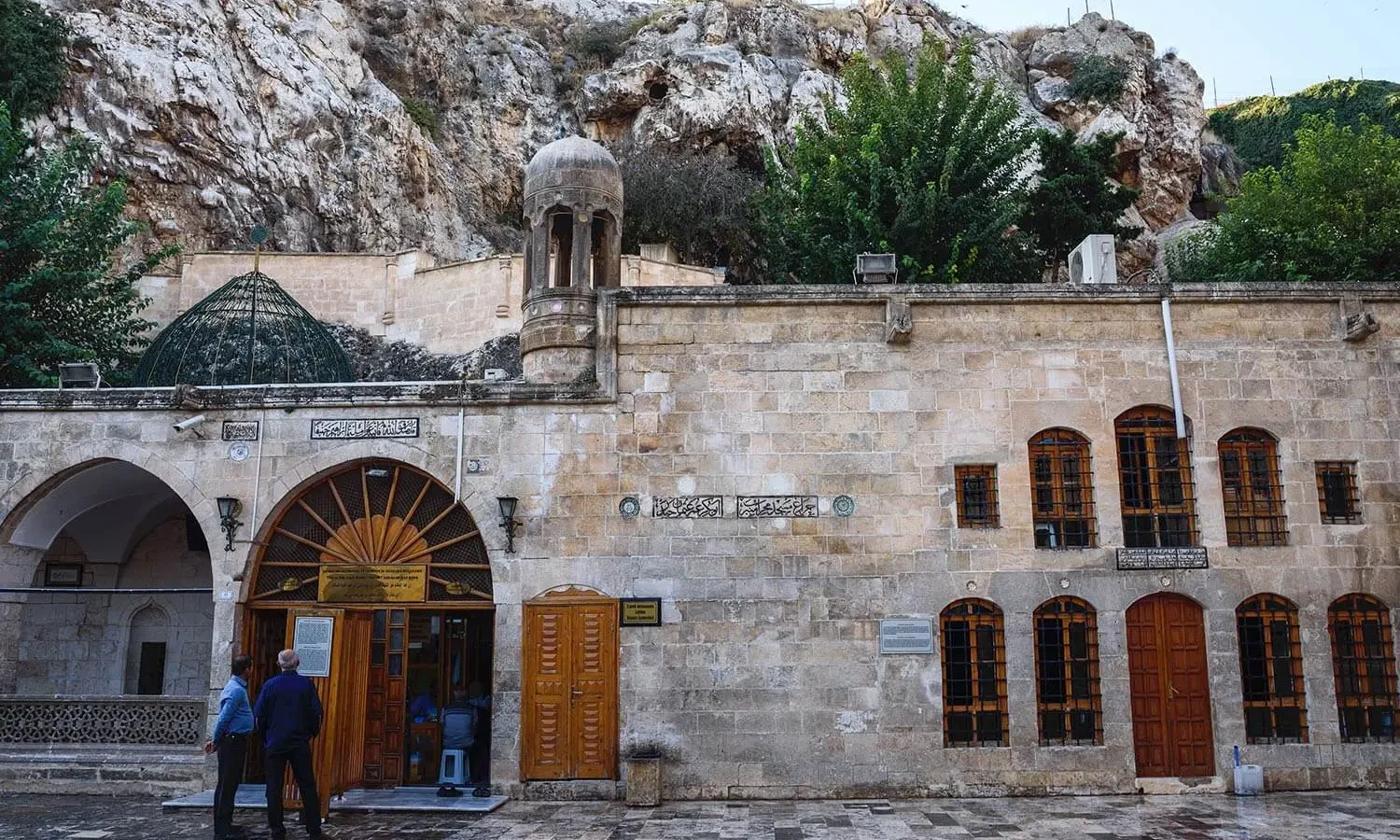
The Cave of Abraham (Hz. İbrahim’in Doğduğu Mağara), also known as Mevlid-i Halil, “birthplace of the Friend [of God]”, is a small cave in the old city of Şanlıurfa where, according to local and Islamic tradition, the Prophet Abraham was born and spent his early childhood in hiding. It lies on the south side of the courtyard of the Mevlid-i Halil Mosque, a short walk from Balıklıgöl.
It is one of the most visited pilgrimage places in Türkiye. Visitors queue to pray in the cave and to drink its spring water, which many believe has healing power; some say it is second in holiness only to the Zamzam well in Mecca.
How do you get to the Cave of Abraham?
The cave is in the Dergâh area of the old city, just south of Balıklıgöl and the Gölbaşı park, below the castle. Walk from the old-town hotels or from the pools; from newer districts take a taxi or a city bus to Balıklıgöl. Follow signs for Mevlid-i Halil or Hz. İbrahim’in Doğduğu Mağara.
Book a Cave of Abraham tour
−5% Istambul readers save 5% on every tour below — applied at checkout.
Partner listings via GetYourGuide · free cancellation on most
When is the best time to visit the Cave of Abraham?
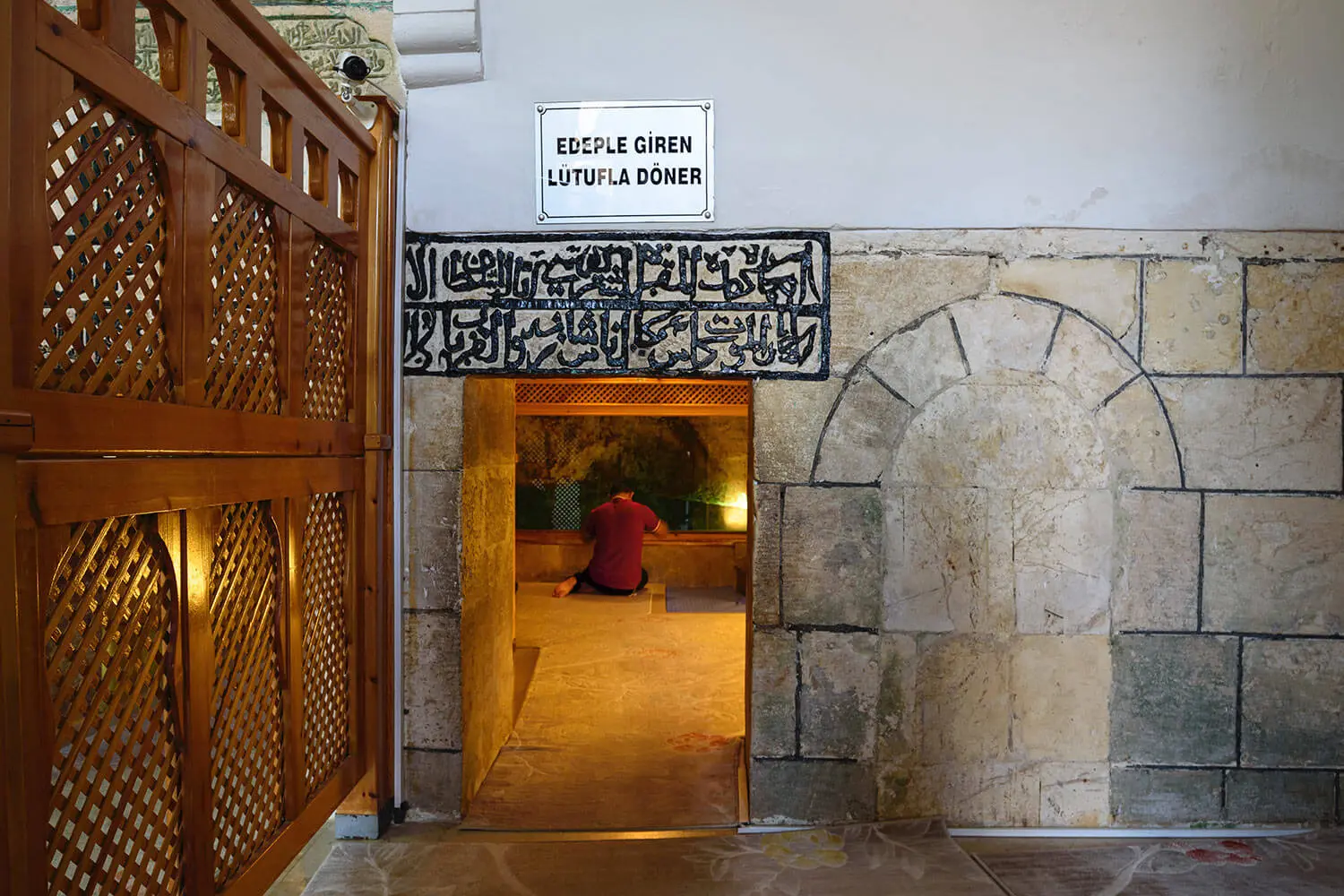
Early morning or mid-afternoon on a weekday, avoiding prayer times. Fridays, religious holidays and the holy months bring long queues. The cave has separate entrances for men and women. Dress modestly: women should cover their hair, and shoulders and knees should be covered. Shoes are removed before entering. There is no entry fee.
What is the history of the Cave of Abraham?
The Ministry of Culture and Tourism recounts the local legend. King Nimrod’s astrologers predicted that a boy would be born that year who would end his reign, and Nimrod ordered all newborn boys to be killed. Abraham was secretly born in this cave to the wife of Azer, an idol-maker in the palace, and lived hidden in the cave until he was seven years old.
The mosque beside the cave is an Ottoman building. The encyclopaedia Kure attributes it to the governor Muhammed Salih Pasha in 1523; other sources give different dates, and the complex has been repaired many times, in 1816, 1852, 1951 and the early 1990s. After the 2023 earthquakes cracks in its minarets were assessed and strengthened. The mosque is rectangular in plan with three minarets, and its courtyard cemetery holds more than 200 gravestones of the 19th and 20th centuries.
What is the Cave of Abraham famous for?
- Abraham’s birthplace. Revered by Muslims as the place of his birth and early childhood.
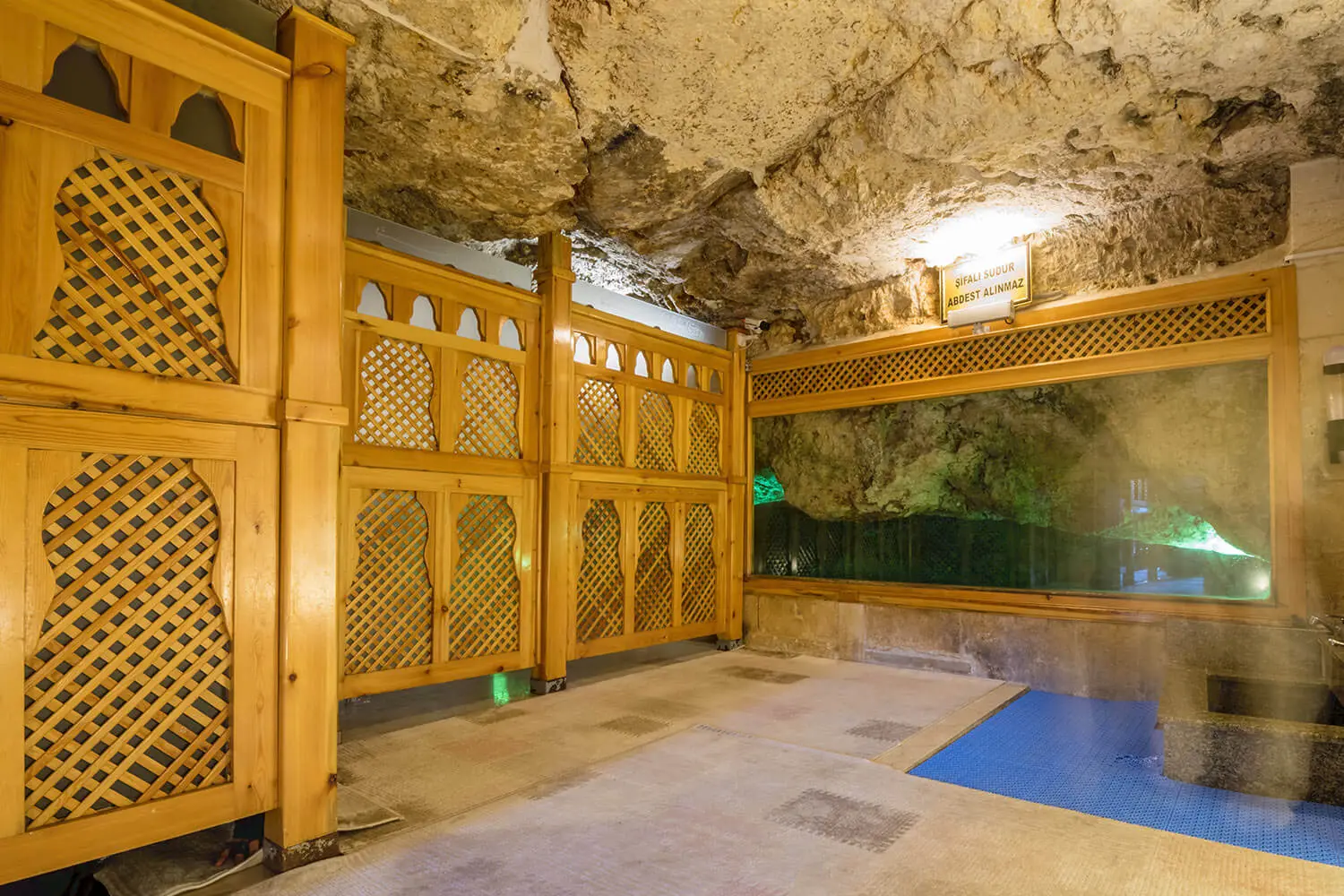
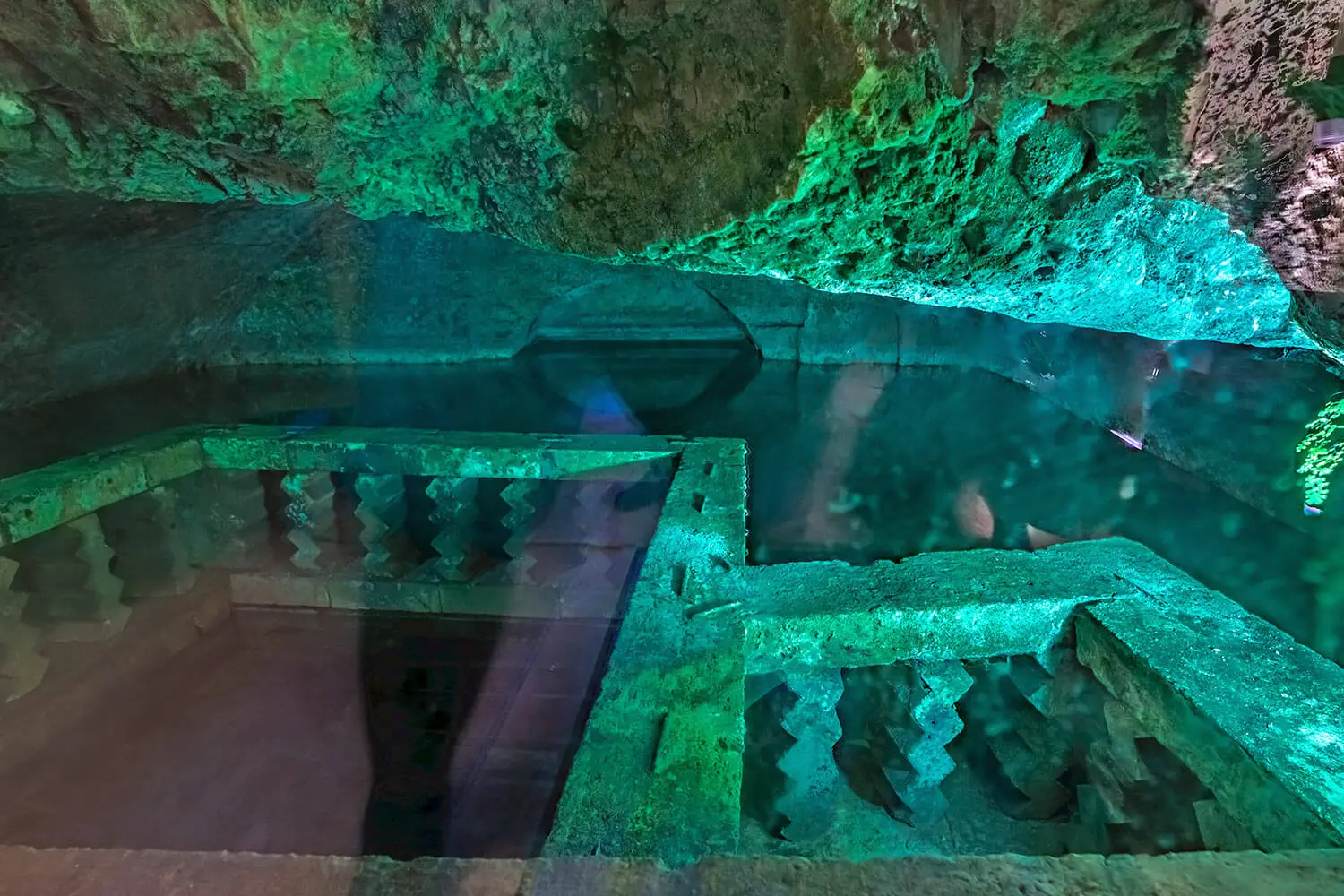
- Healing water. Pilgrims drink and bottle the water of the spring in the cave.
- Pilgrimage. Together with Balıklıgöl, it makes Şanlıurfa a major centre of faith tourism.
What can you see at the Cave of Abraham?
The cave. A low, small chamber reached through a doorway at the south of the mosque courtyard, with separate sections for men and women, where pilgrims pray and drink the spring water.
The Mevlid-i Halil Mosque. The Ottoman mosque with its three minarets, beside the cave.
The courtyard and cemetery. Old gravestones and the arcades of the Dergâh complex.
The Dergâh area. Courtyards and gardens linking the cave with the Balıklıgöl area and the castle slope above.
Tips for your visit
- Be patient in the queue. The cave is small and pilgrims enter a few at a time.
- Photography. Be discreet, and avoid photographing people at prayer.
- Combine it. The cave, Balıklıgöl, the Halil-ür Rahman Mosque and Ayn Zeliha form a natural walking circuit.
Common misconceptions about the Cave of Abraham
Do all traditions agree that Abraham was born in Urfa?
What people often assume: That Urfa is universally accepted as Abraham’s birthplace.
What the record says: The Urfa tradition is a local and Islamic one. The Hebrew Bible names “Ur of the Chaldees” as the home of Abraham’s family, commonly identified with Ur in southern Iraq, and describes Harran, 45 km southeast of Şanlıurfa, as the place where the family settled before going on to Canaan (source).



Frequently asked questions about the Cave of Abraham
Where is the Cave of Abraham?
In the Dergâh area of Şanlıurfa’s old city, on the south side of the Mevlid-i Halil Mosque courtyard, a short walk from Balıklıgöl.
Can non-Muslims visit the Cave of Abraham?
Yes. Dress modestly, women should cover their hair, and men and women use separate entrances.
Is there an entrance fee?
No. The cave and mosque are free to visit.
Why do people drink the water in the cave?
The cave spring is believed to have healing power, and pilgrims drink and bottle it.
How long does a visit take?
Around half an hour, longer if there is a queue on Fridays or holidays.
What do the official records say about the Cave of Abraham?
The Ministry of Culture and Tourism records that the cave lies to the south of the courtyard of the Mevlid-i Halil Mosque. According to local legend, King Nimrod ordered the killing of all male children born in the year his astrologers predicted would bring the end of his reign. Abraham was born secretly in this cave to the wife of Azer, an idolater in the palace, and lived there until the age of seven. The water of the cave is believed to cure many diseases. (Ministry of Culture and Tourism, “Şanlıurfa”, ktb.gov.tr)
Ready to see Cave of Abraham?
Hand-picked tours with good reviews and clear prices.
Partner listings via GetYourGuide · free cancellation on most
Before or after: Istanbul
Most trips start or end in Istanbul. Our own experiences there:

 Dinner, sunset and day cruises between Europe and Asia.See cruises bosporuscruise.com

 Historic Turkish baths in the old city — hand-picked hamams, booked direct.Book a hamam istanbulhamam.com

 Istanbul’s tallest viewpoint: both continents from 369 metres.Get tickets camlicatower.com

 Free audio guides in 15 languages, safe routes and local tips — plus 5% off GetYourGuide.Open the free guide localada.com
Nearby
All destinations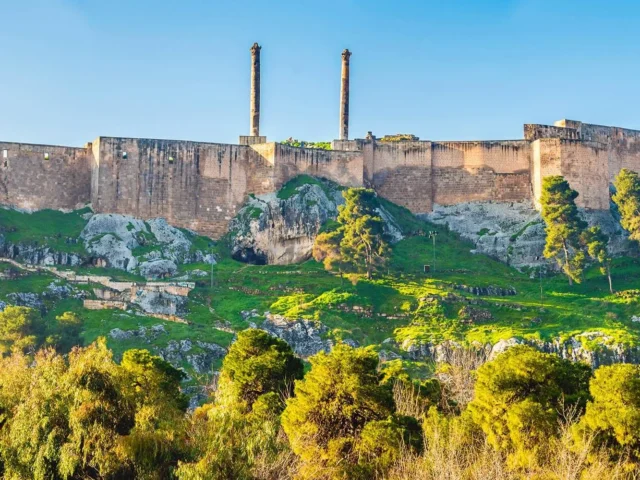
Şanlıurfa Castle
Şanlıurfa Castle on Dambak hill: two 3rd-century Corinthian columns, a…

Halfeti
Halfeti on the Euphrates: the half-submerged stone town, boat trips…
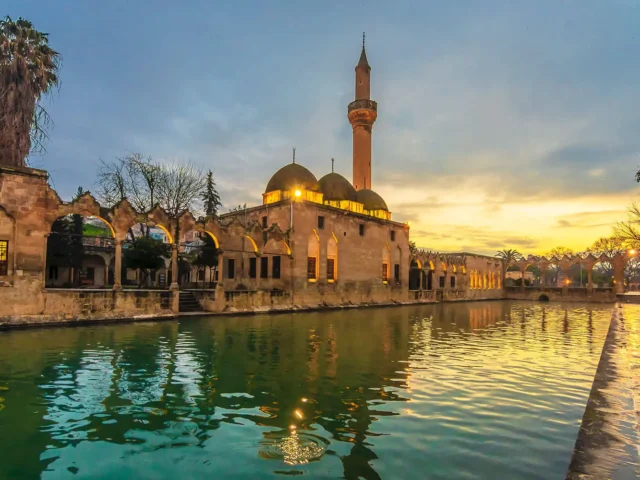
Ayn Zeliha Lake
Ayn Zeliha Lake in Şanlıurfa: the sacred fish pool named…

Balıklıgöl
Balıklıgöl in Şanlıurfa: the Pool of Abraham with its sacred…
