
Harbiye (Daphne): The Waterfalls of Ancient Antioch
On this page
- What is Harbiye (Daphne)?
- How do you get to Harbiye (Daphne)?
- When is the best time to visit Harbiye (Daphne)?
- What is the history of Harbiye (Daphne)?
- What is Harbiye (Daphne) famous for?
- What can you do at Harbiye (Daphne)?
- Frequently asked questions about Harbiye (Daphne)
- What do the official records say about Harbiye (Daphne)?
Key facts: Harbiye (Daphne)
- What it is: A wooded valley of springs and waterfalls on the site of ancient Daphne, the garden suburb of Seleucid and Roman Antioch.
- Where: Harbiye, Defne district, about 7–8 km south of central Antakya, Hatay province.
- Known for: The waterfalls of “Daphne’s tears”, shaded tea gardens and riverside restaurants, and the Roman villa mosaics now in the Hatay Archaeology Museum.
What is Harbiye (Daphne)?
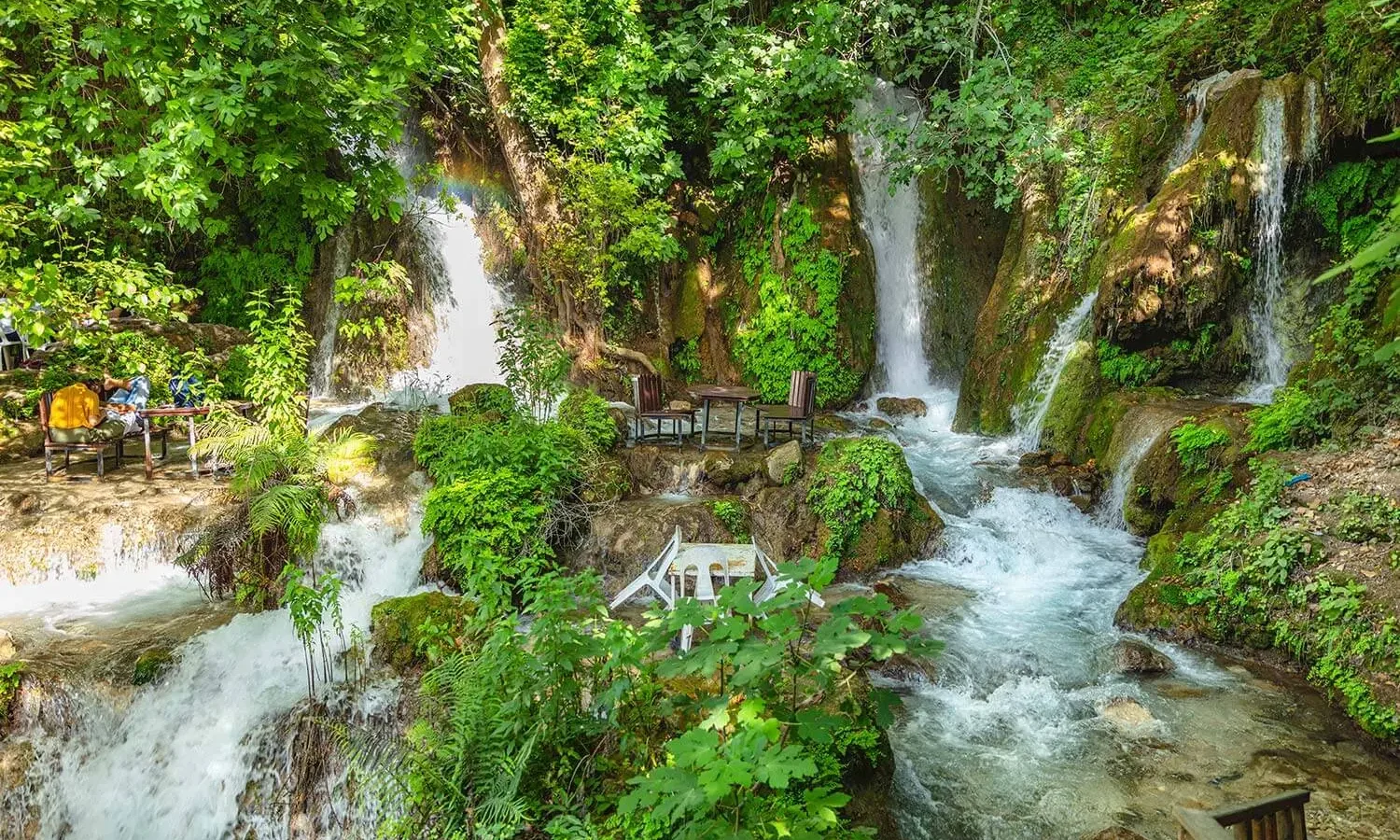
Harbiye is a hillside town just south of Antakya where springs burst out of the rock and run down a green valley in a series of small waterfalls before joining the Asi (Orontes). In antiquity this was Daphne, the pleasure suburb of Antioch, famous across the Roman world for its laurel groves, its sanctuary of Apollo and its villas.
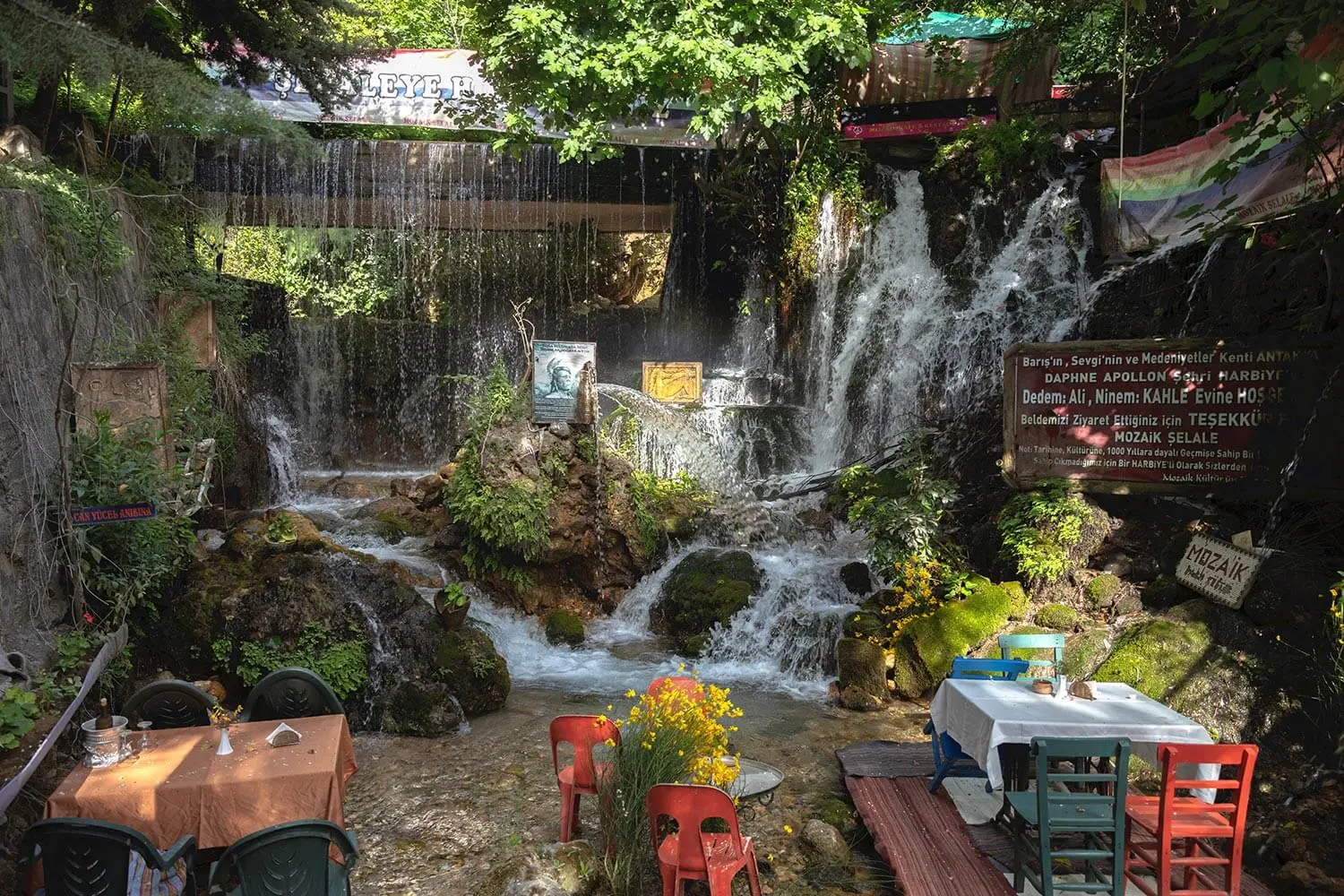
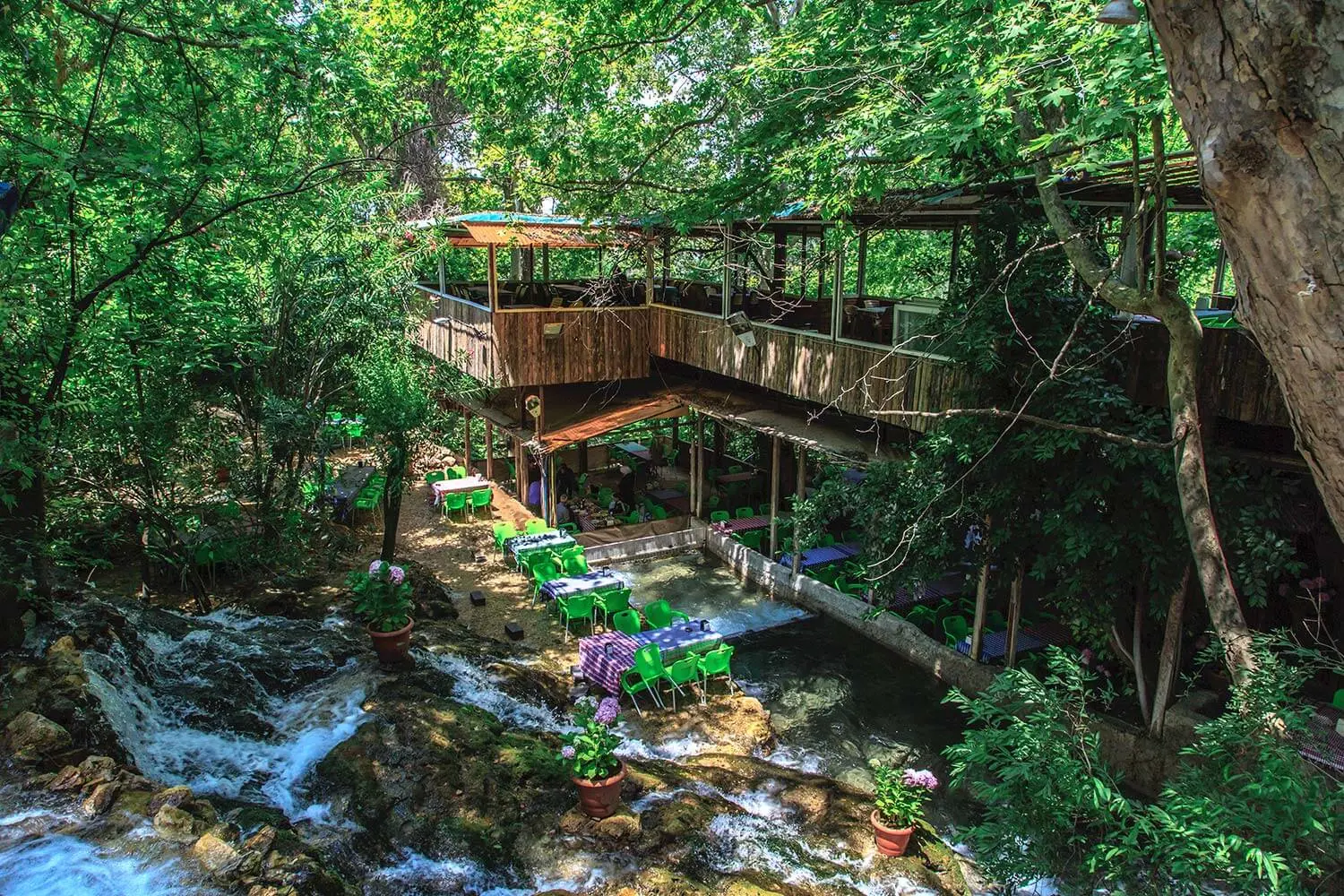
For generations it has been Antakya’s favourite escape from the summer heat. Families come to eat in the open-air restaurants built over the streams, and the valley fills with tea gardens under plane trees. The 2002 inventory describes it as a popular picnic area and summer retreat, and a centre for sculpture and souvenirs, where the natural silk woven on local looms was sought after both in Türkiye and abroad.
Harbiye lies in Defne district, which was hit hard by the 6 February 2023 earthquakes and again by the magnitude 6.4 quake centred in Defne on 20 February 2023. Days after that second quake, the operator of a waterfall site reported that the flow had dropped and the water was running yellowish. Many buildings in the area were damaged, so ask locally which restaurants and gardens are operating before you go.
How do you get to Harbiye (Daphne)?
Harbiye is about 7–8 km south of central Antakya on the road towards Yayladağı. Minibuses (dolmuş) run between the two, and a taxi takes about 15 minutes. The waterfalls and restaurants are in the valley below the main road, reached by steps and steep lanes.
Hatay Airport (HTY) is about 25 km north of Antakya by road. The coast at Samandağ and the Titus Tunnel are within an hour’s drive, so Harbiye fits well into a day trip to the sea.
Book a Harbiye (Daphne) tour
−5% Istambul readers save 5% on every tour below — applied at checkout.
Partner listings via GetYourGuide · free cancellation on most
When is the best time to visit Harbiye (Daphne)?
Late spring and early summer, from April to June, is when the springs are fullest after the winter rains and the valley is greenest. In July and August Harbiye is busiest with local families escaping the heat of Antakya, especially at weekend lunchtimes and on summer evenings.
The waterfalls depend on the springs, and their flow drops in dry years and late summer. Winter is quiet and many restaurants close or cut their hours.
What is the history of Harbiye (Daphne)?
Daphne was laid out by the Seleucid kings soon after the foundation of Antioch around 300 BC. Its sanctuary of Apollo and the oracle of the spring of Castalia made it a religious centre, and its cool groves made it a resort. According to the inventory, Daphne in the Seleucid and Roman periods was a world-famous summer retreat known for its waterfalls, and was said to be full of mansions, temples and places of entertainment.
Water from these springs also supplied the city. The inventory records that, in the Seleucid and Roman periods, channels about 10 km long, with bridges, were built to carry water from the Harbiye falls to Antakya, and their remains can still be seen. The only section inside Antakya is known as the Memekli Bridge.
The villas of Daphne were excavated in the 1930s, and many of their mosaic floors are among the treasures of the Hatay Archaeology Museum, including the Yakto mosaic and Ariadne Abandoned.
What is Harbiye (Daphne) famous for?
- The myth of Daphne. This is the valley where, in local tradition, the nymph Daphne turned into a laurel tree to escape Apollo, and her tears became the waterfalls.
- Waterfalls and restaurants. Tables set beside or over running water, under plane trees.
- Mosaics. The Roman villas of Daphne produced some of the finest pavements in the Hatay museum.
- Silk and laurel. The inventory notes Harbiye’s hand-woven silk, and laurel (defne) is still the plant of the town.
What can you do at Harbiye (Daphne)?
Walk the valley. Paths and stairs lead down from the main road to the springs and falls. The water is cold even in August.
Eat by the water. Grills and meze are the usual menu at the valley restaurants. Check which places are open in the season you visit, as several were affected by the earthquakes.
Look for the ancient city. Little of Daphne survives above ground, but the setting of springs and groves is the same one ancient writers described, and the water channels the inventory mentions can be traced in places.
Combine with the coast. Continue to Samandağ for the beach at Çevlik, the Titus Tunnel and Beşikli Cave.



Frequently asked questions about Harbiye (Daphne)
How far is Harbiye from Antakya?
About 7–8 km south of the centre. Minibuses run from Antakya, and a taxi takes about 15 minutes.
Was Harbiye affected by the 2023 earthquake?
Yes. Defne district was hit by the 6 February quakes and by a magnitude 6.4 quake centred in Defne on 20 February 2023, and the waterfall flow dropped and turned cloudy afterwards. Ask locally which restaurants are open.
What is the legend of Harbiye?
Apollo chased the nymph Daphne, who turned into a laurel tree to escape him. Local tradition says her tears formed the waterfalls.
When are the waterfalls at their best?
From April to June, when the springs are fullest after the winter rains. Flow drops in late summer and in dry years.
Can you see ancient Daphne’s ruins?
Very little stands above ground. Its mosaics are in the Hatay Archaeology Museum, which is due to reopen in stages from late 2026.
What do the official records say about Harbiye (Daphne)?
It is 7 km from the centre of Antakya, a beautiful picnic spot green on every side. It is the famous ancient city of Daphne. According to legend, Apollo, the god of light and son of Zeus, fell in love with Daphne, a young and beautiful girl he saw on the riverbank, and wanted to speak to her. He chased Daphne. Realising she could not escape, Daphne begged: “O Mother Earth, cover me, hide me, protect me.” Daphne turned into a tree.
After this, victories in poetry and in arms were rewarded with a branch of the laurel (daphne) tree, and it is believed that Daphne’s tears formed the waterfalls at Harbiye. (Ministry of Culture and Tourism, Hatay Provincial Tourism Inventory, 2002)
Ready to see Harbiye (Daphne)?
Hand-picked tours with good reviews and clear prices.
Partner listings via GetYourGuide · free cancellation on most
Before or after: Istanbul
Most trips start or end in Istanbul. Our own experiences there:

 Dinner, sunset and day cruises between Europe and Asia.See cruises bosporuscruise.com

 Historic Turkish baths in the old city — hand-picked hamams, booked direct.Book a hamam istanbulhamam.com

 Istanbul’s tallest viewpoint: both continents from 369 metres.Get tickets camlicatower.com

 Free audio guides in 15 languages, safe routes and local tips — plus 5% off GetYourGuide.Open the free guide localada.com
Nearby
All destinations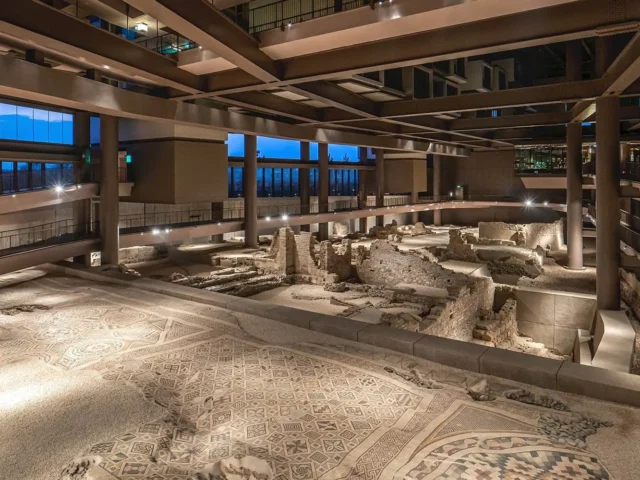
Hatay Archaeology Museum
Hatay Archaeology Museum in Antakya: its Antioch and Daphne mosaics,…
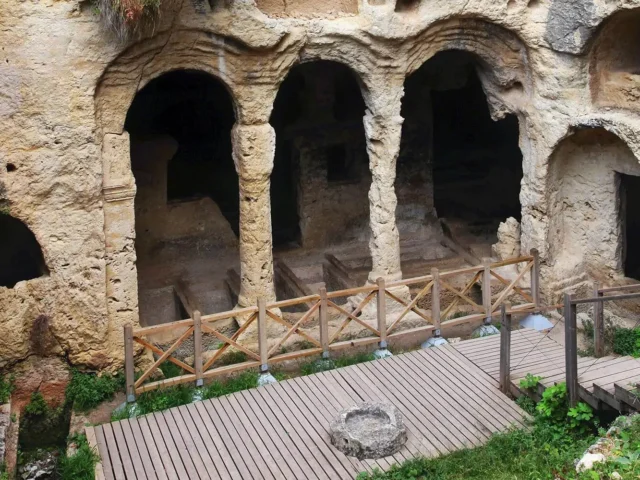
Beşikli Cave
Beşikli Cave at Çevlik, Samandağ: the largest rock-cut tomb of…

Habib-i Neccar Mosque
Habib-i Neccar Mosque in Antakya: its legend, history, destruction in…
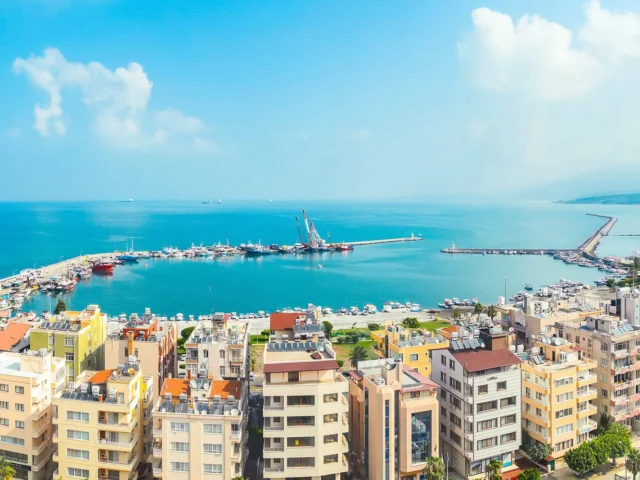
İskenderun
İskenderun travel guide: Alexander’s Alexandretta, the port city’s post-2023 rebuilding,…
