
Church of St Peter: The Cave Church of Antioch
On this page
- What is the Church of St Peter?
- How do you get to the Church of St Peter?
- When is the best time to visit the Church of St Peter?
- What is the history of the Church of St Peter?
- What is the Church of St Peter famous for?
- What can you see at the Church of St Peter?
- Frequently asked questions about the Church of St Peter
- What do the official records say about the Church of St Peter?
Key facts: Church of St Peter
- What it is: A cave church cut into the rock of Mount Staurin above Antakya, traditionally linked to St Peter and the first Christian community of Antioch, now a monument museum.
- Where: Küçükdalyan neighbourhood, on the north-eastern edge of Antakya, Hatay province, about 2 km from the centre on the old Reyhanlı road.
- UNESCO Tentative List: Listed as “Hatay, St. Pierre Church” since 2011 (UNESCO). Not an inscribed World Heritage Site.
What is the Church of St Peter?
The Church of St Peter, known in Turkish as St. Pierre Kilisesi or Aziz Petrus Kilisesi, is a natural cave in the hillside above Antakya that was turned into a church. Tradition holds that the early Christians of Antioch met here, and that this is where St Peter preached after the death of Jesus. The Book of Acts records that it was in Antioch that the followers of Jesus were first called Christians, and the church is honoured by many as one of the oldest places of Christian worship in the world.
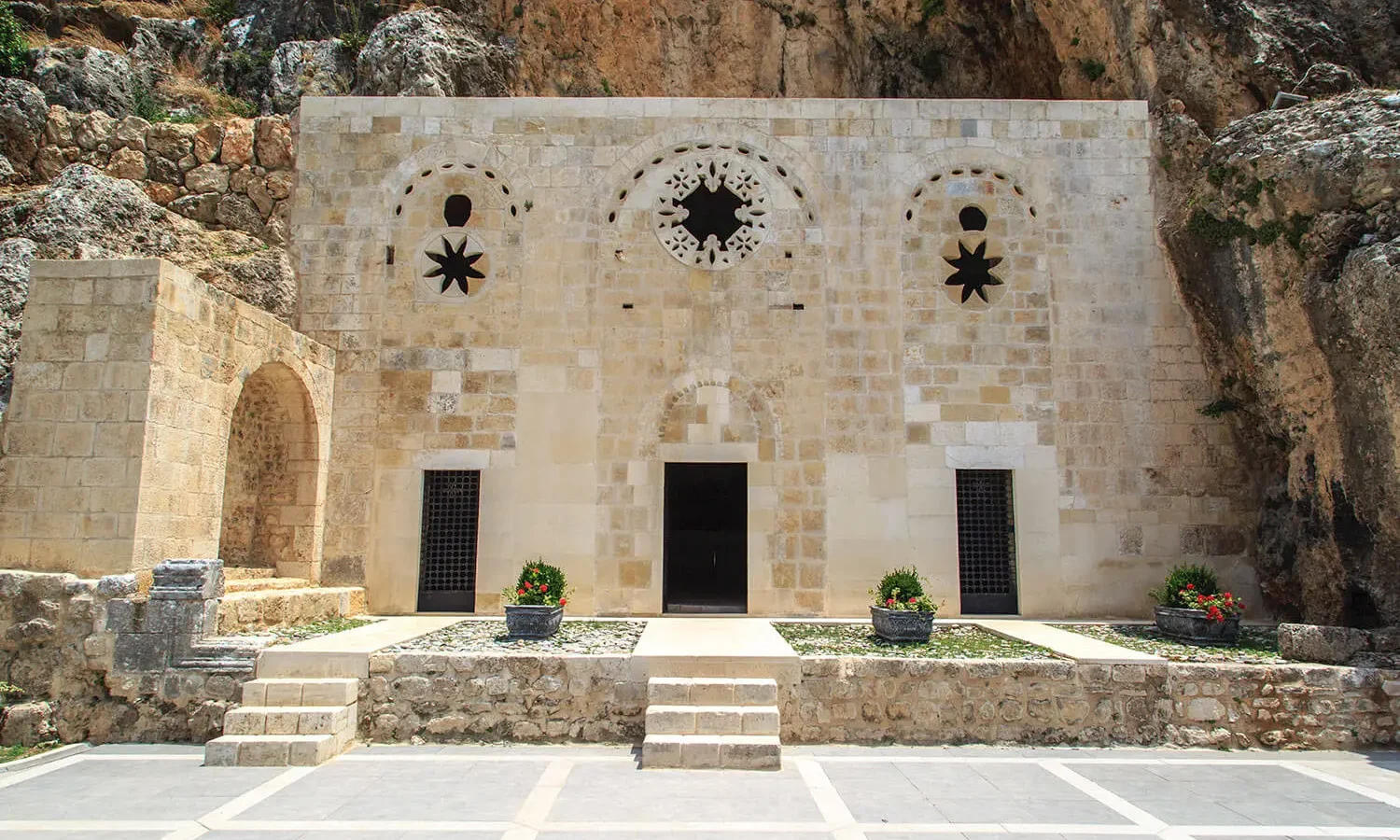
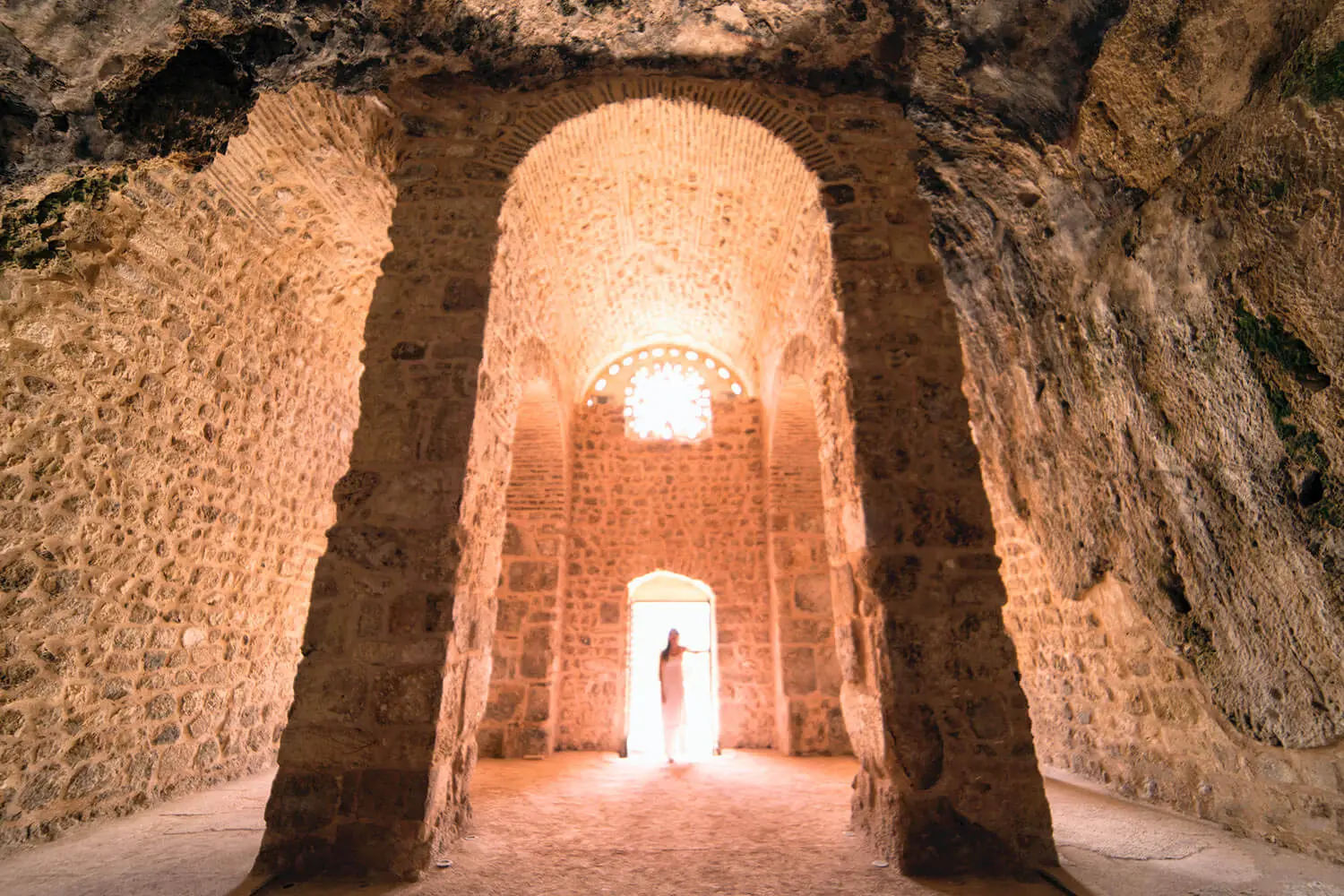
The cave is about 13 m deep, 9.5 m wide and 7 m high. A stone façade closes the front, and inside are a rock-cut altar, traces of wall painting and fragments of 4th–5th-century floor mosaic. The site is run by the Ministry of Culture and Tourism as a monument museum, and Catholic and Orthodox Christians hold a service here every year on 29 June, the feast of Saints Peter and Paul.
The church came through the February 2023 earthquakes in far better shape than the city below it. On 29 June 2023, just months after the disaster, Antakya’s Christians held their first post-earthquake service here, and the site is listed by the ministry as open to visitors.
How do you get to the Church of St Peter?
The church is on the lower slopes of Mount Staurin (Haç Dağı), about 2 km north-east of the old centre. From central Antakya it is a short taxi ride, and the last stretch is a steep lane up from the main road to the car park. Walking from the river takes around 30 minutes, uphill and through areas still being rebuilt after the earthquake, so a taxi is more practical in summer.
Hatay Airport (HTY) is about 25 km from Antakya by road, with direct flights from Istanbul, Ankara and İzmir. From İskenderun, allow roughly an hour by car over the Belen Pass.
Book a Church of St Peter tour
−5% Istambul readers save 5% on every tour below — applied at checkout.
Partner listings via GetYourGuide · free cancellation on most
When is the best time to visit the Church of St Peter?
Opening hours change through the year, so check them before you visit. Check before you go, as hours can change around religious services and holidays.
Spring (April–May) and autumn (October–November) are the most comfortable seasons. The cave itself stays cool, but the climb to it and the terrace in front have little shade, and Antakya’s summer afternoons often pass 35°C. Early morning gives the best light on the façade and the view over the city.
On 29 June the church hosts the feast-day service of Saints Peter and Paul. It is a moving occasion, but expect crowds and restricted access for tourists during the liturgy.
What is the history of the Church of St Peter?
Antioch was one of the great cities of the Roman East and an early centre of Christianity. Peter and Paul both worked in the city, and the church of Antioch counts Peter as its founder. The UNESCO Tentative List submission dates the earliest use of the cave as a place of worship to around AD 38–39, when the Christian community in the city was still small.
The fragments of floor mosaic inside date from the 4th and 5th centuries. In the 11th and 12th centuries, when the Crusaders held Antioch, the cave was enlarged into a church with three naves. Its present west façade was added in the 19th century by Capuchin friars.
The Vatican later recognised it as a place of pilgrimage (sources give different years in the 20th century). In 1997 the Turkish Ministry of Tourism carried out a restoration and landscaping project, and a further restoration completed in 2015 secured the rock above the entrance with wire netting, renewed the façade and brought more mosaics to light.
What is the Church of St Peter famous for?
- Opening hours change through the year, so check them before you visit.
- St Peter. Tradition says Peter preached here, and the church of Antioch regards him as its first bishop.
- The 29 June service. The annual feast of Saints Peter and Paul brings Antakya’s Christians and pilgrims from abroad.
- Surviving the earthquake. While much of Antakya collapsed in 2023, the cave church remained standing.
What can you see at the Church of St Peter?
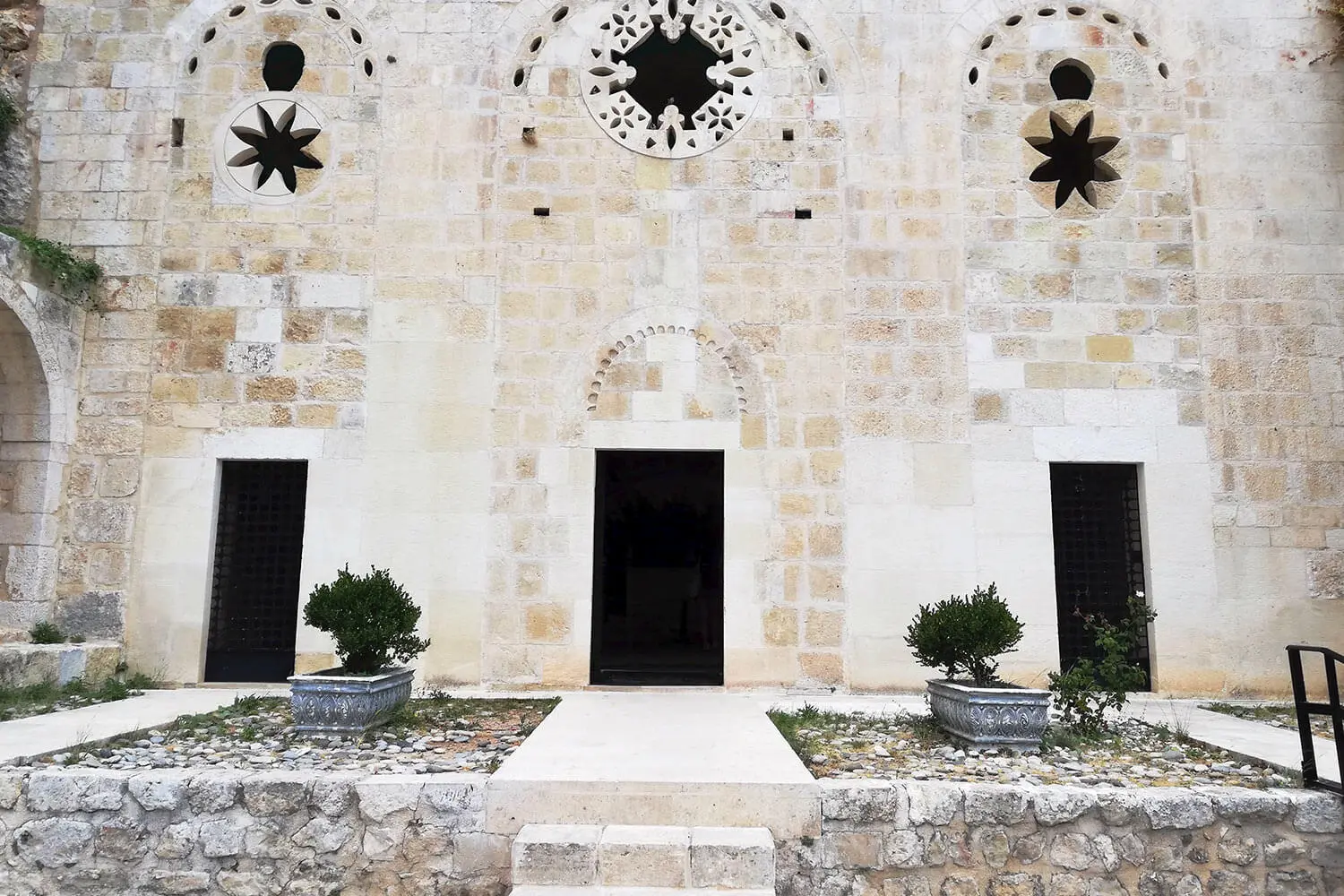
The façade. A stone front added by Capuchin friars in the 19th century closes the mouth of the cave and gives the church its familiar outline from the terrace below.
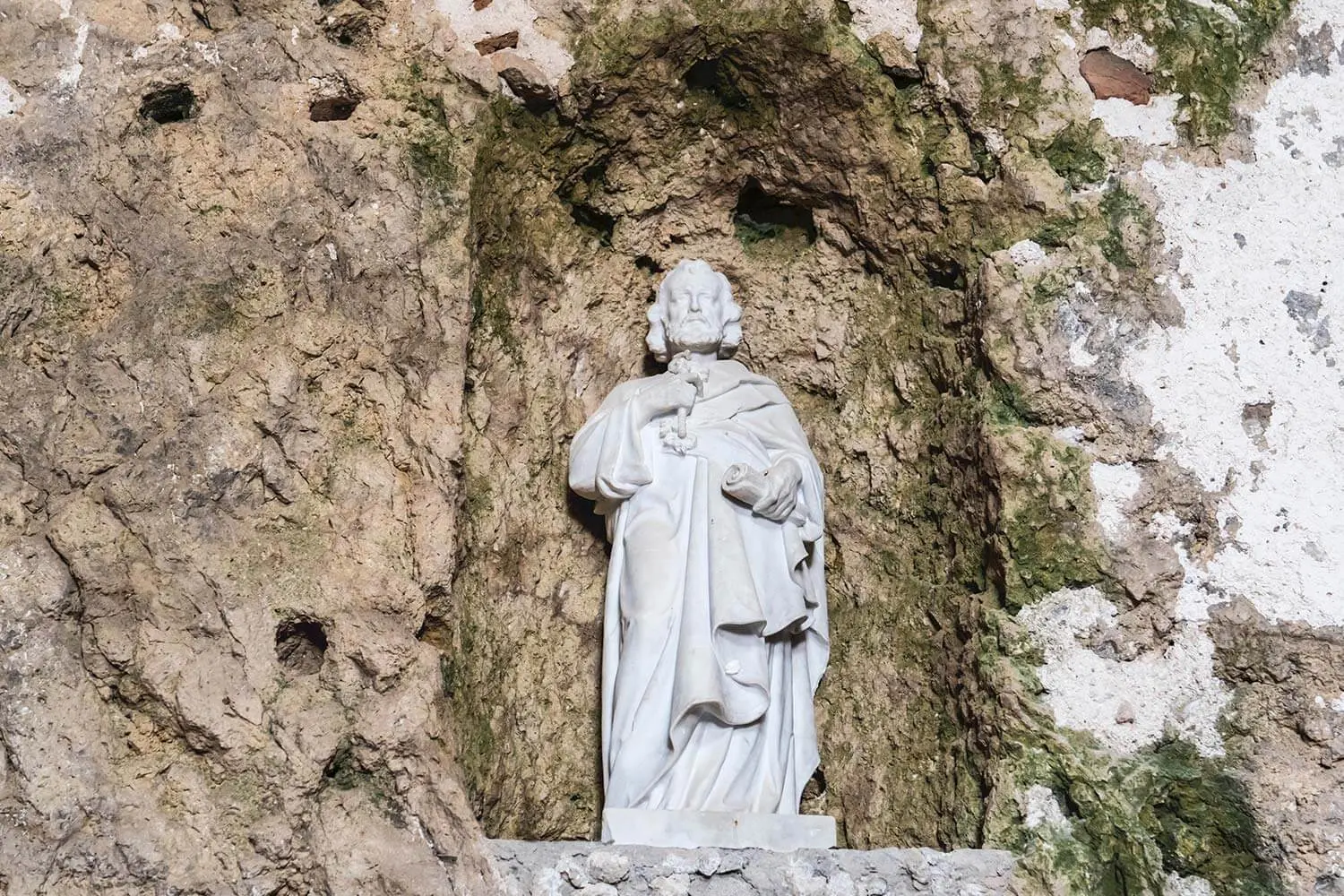
The altar and statue. A rock-cut stone altar stands at the back of the cave, with a marble statue of St Peter.
Mosaics and frescoes. Fragments of 4th–5th-century floor mosaic survive on the floor and in the side aisles, and faint traces of wall painting are visible to the right of the altar.
The spring and the tunnel. To the right of the apse is a small basin collecting water that seeps from the rock, used as baptismal water. To the left is the entrance of a tunnel, said to have been used as an escape route during attacks. It is not normally open to visitors.
The Charonion. About ten minutes’ walk east along the hillside is a large relief of a veiled figure carved into the rock, known as Charon, the ferryman of the dead. The ministry describes it as made to protect the city against a plague epidemic.



Frequently asked questions about the Church of St Peter
Is the Church of St Peter in Antakya open after the earthquake?
Yes. The cave church survived the February 2023 earthquakes, held its first service afterwards on 29 June 2023, and is listed by the ministry as open daily from 08:30 to 17:00.
Is it really the first church in the world?
It is traditionally called the first church, and the UNESCO Tentative List file dates its earliest use to around AD 38–39. Other sites also claim very early church status, so treat “first” as tradition rather than proven fact.
When is the St Peter’s Day service?
Every year on 29 June, the feast of Saints Peter and Paul. Tourist access is limited during the liturgy.
How far is the church from central Antakya?
About 2 km north-east of the old centre, on the slopes of Mount Staurin. A taxi takes around ten minutes.
What should I wear?
It is a consecrated church, so cover shoulders and knees. Wear shoes with grip, as the approach is steep and the cave floor uneven.
What do the official records say about the Church of St Peter?
It is on the Antakya–Reyhanlı road, 2 km from the city, at the foot of Mount Habib-i Neccar. St Pierre, which was a natural cave turned into a church with later additions, is believed to be the first church in the world. It was also here that, for the first time in history, those who recognised the religion of Jesus were called “Christians”.
There are mosaic remains on the floor of the church and frescoes on the walls. To the right of the apse is a small pool where water seeping from the rocks collects (baptismal water), and to the left is the entrance of a secret tunnel used for escape during attacks. (Ministry of Culture and Tourism, Hatay Provincial Tourism Inventory, 2002)
Ready to see Church of St Peter?
Hand-picked tours with good reviews and clear prices.
Partner listings via GetYourGuide · free cancellation on most
Before or after: Istanbul
Most trips start or end in Istanbul. Our own experiences there:

 Dinner, sunset and day cruises between Europe and Asia.See cruises bosporuscruise.com

 Historic Turkish baths in the old city — hand-picked hamams, booked direct.Book a hamam istanbulhamam.com

 Istanbul’s tallest viewpoint: both continents from 369 metres.Get tickets camlicatower.com

 Free audio guides in 15 languages, safe routes and local tips — plus 5% off GetYourGuide.Open the free guide localada.com
Nearby
All destinations
Habib-i Neccar Mosque
Habib-i Neccar Mosque in Antakya: its legend, history, destruction in…
Hatay Archaeology Museum
Hatay Archaeology Museum in Antakya: its Antioch and Daphne mosaics,…

Titus Tunnel
Vespasianus Titus Tunnel at Çevlik, Samandağ: the Roman channel that…
Harbiye (Daphne)
Harbiye, ancient Daphne near Antakya: the waterfalls of Daphne’s tears,…
