
Hatay Archaeology Museum: The Mosaics of Ancient Antioch
On this page
- What is Hatay Archaeology Museum?
- How do you get to Hatay Archaeology Museum?
- When is the best time to visit Hatay Archaeology Museum?
- What is the history of Hatay Archaeology Museum?
- What is Hatay Archaeology Museum famous for?
- What can you see at Hatay Archaeology Museum?
- Frequently asked questions about Hatay Archaeology Museum
- What do the official records say about Hatay Archaeology Museum?
Key facts: Hatay Archaeology Museum
- What it is: Türkiye’s great collection of Roman and Byzantine mosaics from ancient Antioch, Daphne (Harbiye) and Seleucia Pieria, plus Hittite and Iron Age finds from the Amik plain.
- Where: A purpose-built museum on Atatürk Caddesi in the Maşuklu neighbourhood of Antakya, Hatay province, opened on 28 December 2014.
- Status in 2026: Closed since the February 2023 earthquakes. Strengthening work is under way, and officials said in February 2026 that the first section should reopen by the end of 2026, with the rest following in stages.
What is Hatay Archaeology Museum?
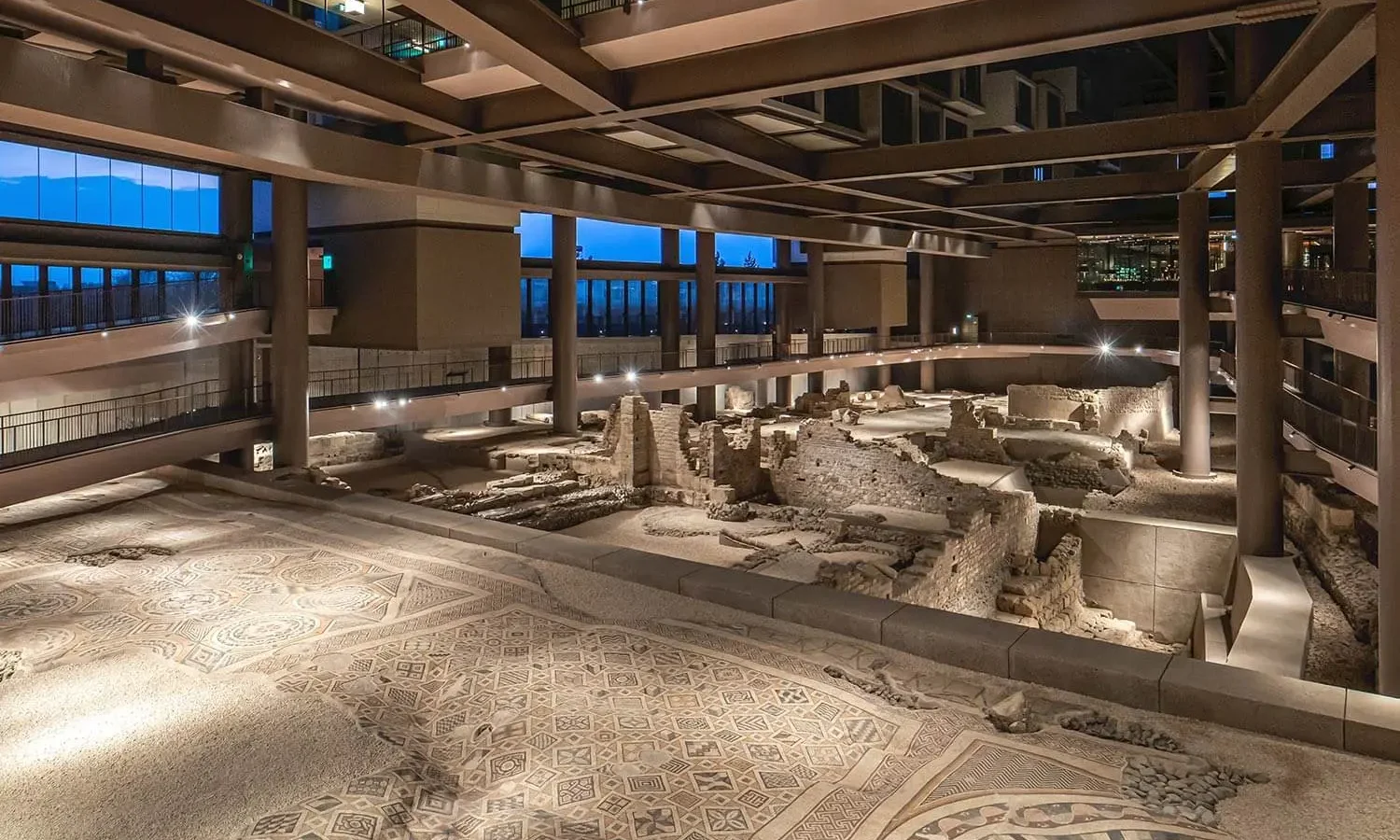
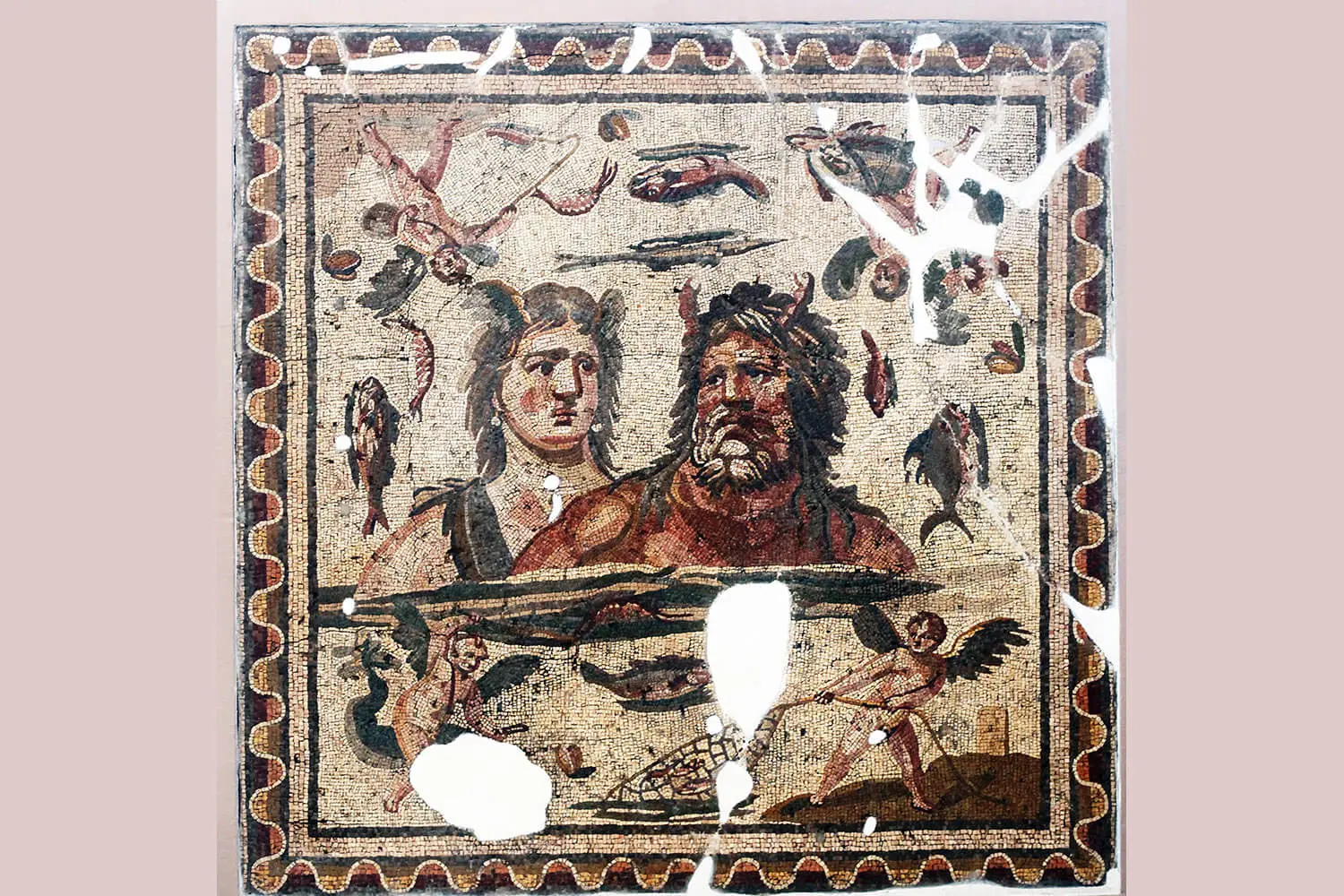
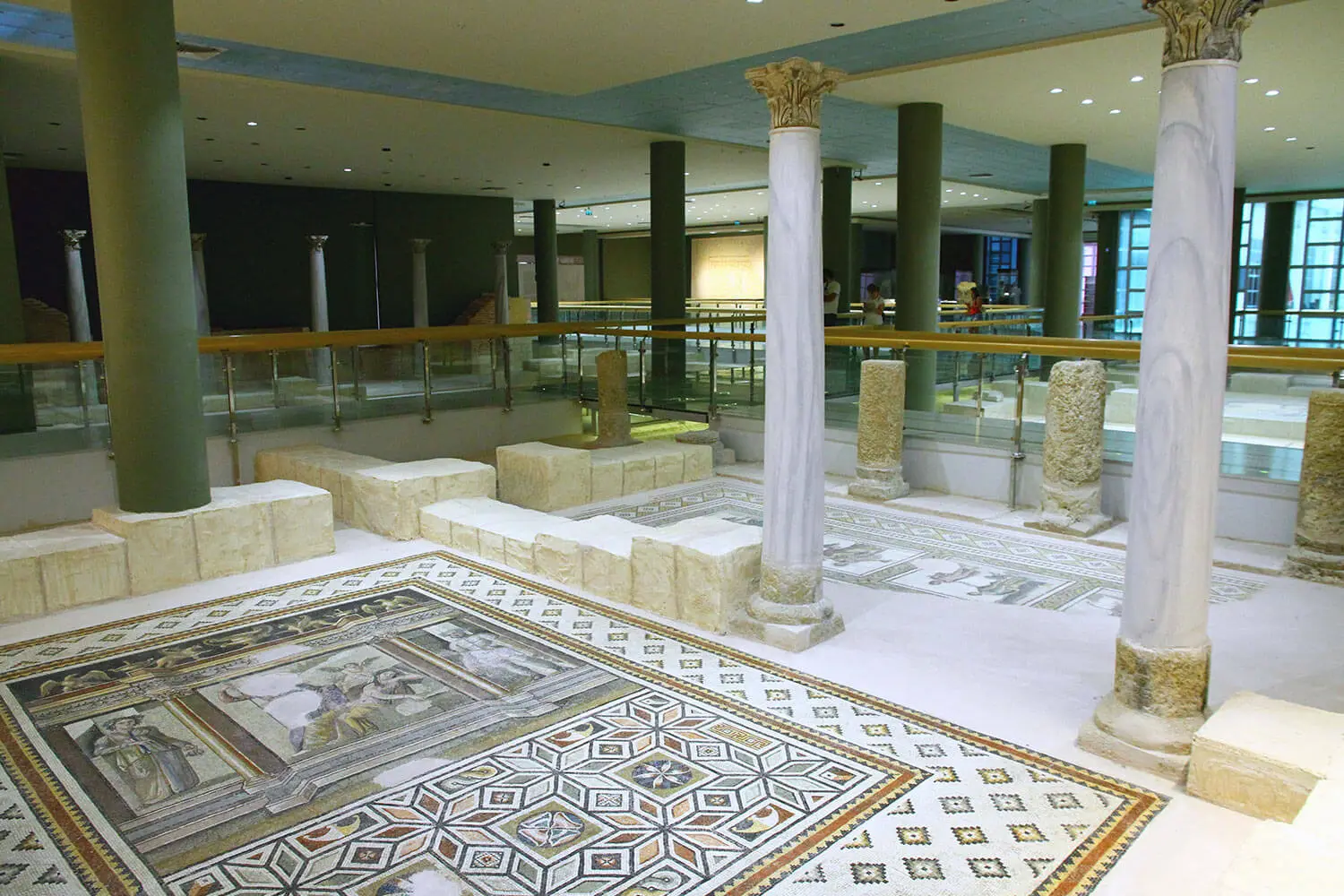
Hatay Archaeology Museum, still often called the Antakya Mosaic Museum, holds one of the largest collections of ancient floor mosaics anywhere. Most of them were lifted from the villas, baths and public buildings of Antioch on the Orontes, the Seleucid and Roman city under modern Antakya, and from its garden suburb of Daphne, today’s Harbiye.
The collection moved in 2014 from its historic home beside the Asi river to a much larger building on the northern side of the city, with around 10,700 m² of exhibition space and about 3,250 m² of mosaics on display. Alongside the mosaics are Hittite and Late Hittite sculpture from the mounds of the Amik plain, Roman sarcophagi, coins and seals.
The museum building was damaged in the earthquakes of 6 February 2023 and has been closed to visitors since. Its roughly 37,000 objects were moved into protected storage in the city, and none of the halls were open when this page was written in autumn 2026. Please check the current situation before you plan a visit around it.
How do you get to Hatay Archaeology Museum?
The museum stands on Atatürk Caddesi in Maşuklu, on the main road leading north out of central Antakya towards Reyhanlı. It is a short taxi or minibus ride from the city centre. Hatay Airport (HTY), on the drained bed of Lake Amik, is about 25 km away by road, with direct flights from Istanbul, Ankara and İzmir.
Antakya itself is still a reconstruction zone, with many streets closed or rerouted and addresses changing, so a taxi is the simplest way to reach the building.
Book a Hatay Archaeology Museum tour
−5% Istambul readers save 5% on every tour below — applied at checkout.
Partner listings via GetYourGuide · free cancellation on most
When is the best time to visit Hatay Archaeology Museum?
Only once it has reopened. Officials announced in February 2026 that the first section was expected to open by the end of 2026, with the number of exhibits planned to rise to about 40,000 when work is finished. Until the ministry confirms an opening date and hours, treat any visit as unconfirmed.
When it does reopen, an indoor museum is a good choice for the hot months in Antakya, when afternoons regularly go above 35°C, and for the wet winter days between December and February.
In the meantime, the privately run Necmi Asfuroğlu Archaeology Museum, built over excavations inside a hotel on the slopes above the city, reopened on 11 June 2024. It came through the earthquakes with only cracked entrance walls, and shows a 1,050 m² floor mosaic described as the largest single-piece mosaic in the world.
What is the history of Hatay Archaeology Museum?
The 2002 inventory tells the story like this. Scientific excavations in Hatay began in 1932. In the first years of work, finds of such variety and value came to light that the idea of founding a museum was born. Hatay was then under French administration, and a museum was designed around the finds. The building, planned as a mosaic museum, was begun in 1934 and completed during the short-lived Hatay State. Because arranging the displays took a long time, it opened to visitors on 23 July 1948, on Hatay’s Liberation Day. An extension added to make room for the growing collection was finished in 1974.
Three separate archaeological expeditions supplied the collection. The best known was the Princeton-led excavation of Antioch in the 1930s, which found the mosaics of Daphne’s villas. The inventory describes a museum showing Hittite, Hellenistic, Roman and Byzantine works found at Harbiye, Antakya, Atçana (Alalakh), Seleucia Pieria and İskenderun, and ranks it second in the world for the richness of its mosaic collection.
By the 2000s the old building could no longer hold the collection. Construction of the new museum began in 2011 and it opened on 28 December 2014, with a second phase opening in 2019. Less than a decade later the earthquakes of February 2023 damaged the building and closed it.
What is Hatay Archaeology Museum famous for?
- Mosaics. The Roman and Byzantine pavements of Antioch and Daphne, many showing myths and mythological figures, are the reason most people come.
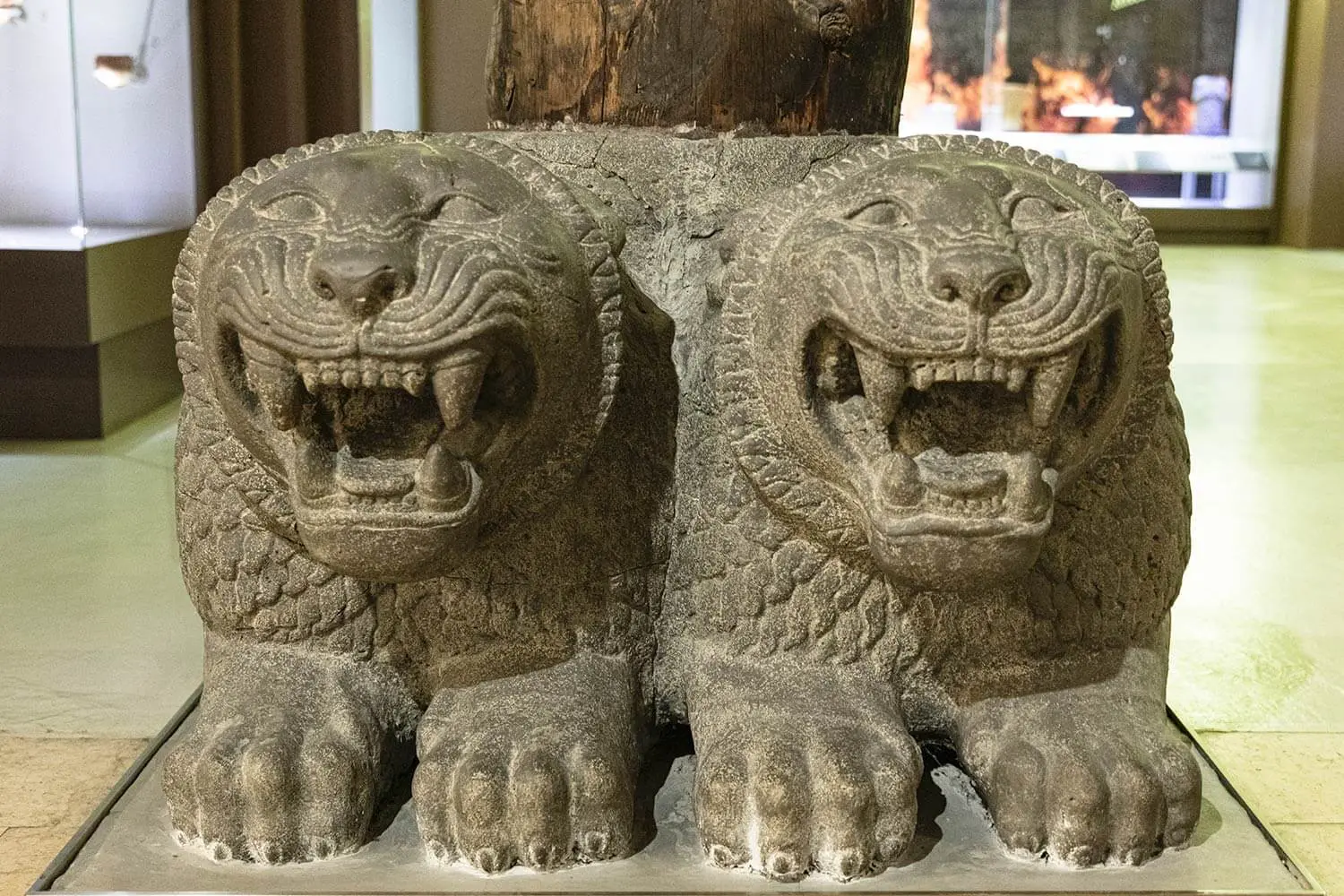
- The statue of King Suppiluliuma. A basalt statue of about 1.5 tonnes, carved with Luwian hieroglyphic inscriptions, from the Late Hittite site of Tell Tayinat on the Amik plain.
- The Antakya Sarcophagus. A Roman columned sarcophagus of the AD 260s, found by chance during building work in the city, with a hall of its own.
- Finds from Alalakh and Tayinat. Palace and temple finds from the Bronze and Iron Age mounds east of Antakya.
What can you see at Hatay Archaeology Museum?
When the halls reopen, these are the pieces to look for.
The Daphne mosaics. Among the best known are Ariadne Abandoned, the Yakto mosaic with its border of city scenes, the Skeleton mosaic, the Seasons, the Birth of Venus, the Drunken Dionysus and Orpheus charming the animals. The inventory notes that the mosaics span the Roman and Byzantine periods and depict mythological events and figures.
The Antakya Sarcophagus. According to the 2002 inventory, it was found during foundation digging on a private plot and took five days to lift out and bring to the museum, which built a special hall for it. Opening hours change through the year, so check them before you visit. An important piece of evidence for that date is the gold coins found with it, of the emperor Gordian II (AD 238) and of the emperor Gallienus and his wife Salonina (AD 253–268). The Gallienus coin, struck in Rome in the 260s, is the key to the dating.
Hittite and Iron Age sculpture. The Suppiluliuma statue from Tell Tayinat, and finds from the palaces of Alalakh (Tell Atçana), where the inventory records 17 settlement layers and two large palaces of the 18th and 15th centuries BC.
Coins and seals. The 2002 inventory counted more than 13,000 coins and over 1,300 seals in the collection.



Frequently asked questions about Hatay Archaeology Museum
Is Hatay Archaeology Museum open?
Not as of autumn 2026. It has been closed since the February 2023 earthquakes, and officials said in February 2026 that the first section should reopen by the end of 2026.
Were the mosaics destroyed in the earthquake?
The building was damaged, but its roughly 37,000 objects were moved into protected storage in Antakya. Work to strengthen the building and prepare the collection for reopening is under way.
Where is Hatay Archaeology Museum?
On Atatürk Caddesi in the Maşuklu neighbourhood of Antakya, in the building opened in December 2014. The old museum by the Asi river no longer houses the collection.
What is the most famous object in the museum?
The Daphne mosaics are the main draw, especially Ariadne Abandoned and the Yakto mosaic. The basalt statue of King Suppiluliuma from Tell Tayinat is the star of the Iron Age galleries.
Can I see Antioch mosaics anywhere else in Antakya now?
Yes. The Necmi Asfuroğlu Archaeology Museum, built over excavations inside a hotel above the city, reopened on 11 June 2024 and shows a 1,050 m² floor mosaic.
What do the official records say about Hatay Archaeology Museum?
It is in Antakya, in Cumhuriyet Alanı, on the bank of the Asi river near the bridge. Scientific excavations in Hatay began in 1932. In the first years of the work, finds of great variety and value came to light, and this gave rise to the idea of founding a museum. In Hatay, then under French administration, a museum was prepared according to the finds, following a project drawn up for the purpose.
The museum, where works from Harbiye, Antakya, Atçana, Seleucia Pieria and İskenderun belonging to the Hittite, Hellenistic, Roman and Byzantine periods are displayed, ranks second in the world for the richness of its mosaic collections. The mosaics cover the Byzantine and Roman periods and symbolise mythological events and figures. (Ministry of Culture and Tourism, Hatay Provincial Tourism Inventory, 2002)
Ready to see Hatay Archaeology Museum?
Hand-picked tours with good reviews and clear prices.
Partner listings via GetYourGuide · free cancellation on most
Before or after: Istanbul
Most trips start or end in Istanbul. Our own experiences there:

 Dinner, sunset and day cruises between Europe and Asia.See cruises bosporuscruise.com

 Historic Turkish baths in the old city — hand-picked hamams, booked direct.Book a hamam istanbulhamam.com

 Istanbul’s tallest viewpoint: both continents from 369 metres.Get tickets camlicatower.com

 Free audio guides in 15 languages, safe routes and local tips — plus 5% off GetYourGuide.Open the free guide localada.com
Nearby
All destinations
Church of St Peter
St Peter’s cave church above Antakya: where Christians were first…

Titus Tunnel
Vespasianus Titus Tunnel at Çevlik, Samandağ: the Roman channel that…
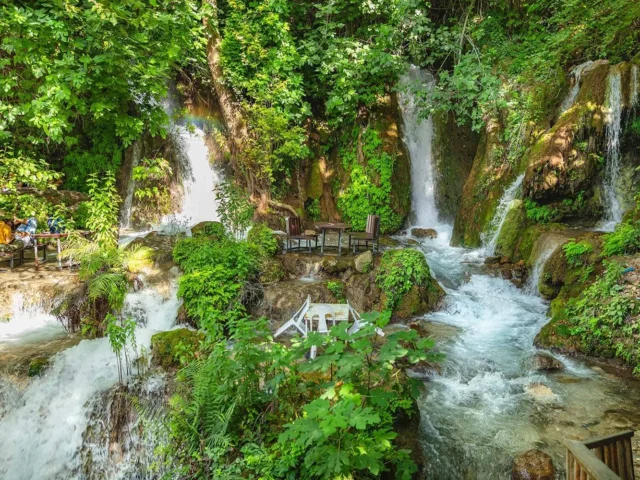
Harbiye (Daphne)
Harbiye, ancient Daphne near Antakya: the waterfalls of Daphne’s tears,…

Habib-i Neccar Mosque
Habib-i Neccar Mosque in Antakya: its legend, history, destruction in…
