
Habib-i Neccar Mosque: Antakya’s First Mosque, Rebuilt
On this page
- What is Habib-i Neccar Mosque?
- How do you get to Habib-i Neccar Mosque?
- When is the best time to visit Habib-i Neccar Mosque?
- What is the history of Habib-i Neccar Mosque?
- What is Habib-i Neccar Mosque famous for?
- What can you see at Habib-i Neccar Mosque?
- Frequently asked questions about Habib-i Neccar Mosque
- What do the official records say about Habib-i Neccar Mosque?
Key facts: Habib-i Neccar Mosque
- What it is: The historic main mosque of Antakya, held to be one of the first mosques in Anatolia, with the shrine of Habib-i Neccar, the carpenter of Antioch.
- Where: Kurtuluş Caddesi, in the old centre of Antakya, Hatay province.
- Status: Largely destroyed in the February 2023 earthquakes; rebuilt using numbered stones salvaged from the rubble and reopened for worship on 27 December 2025.
What is Habib-i Neccar Mosque?
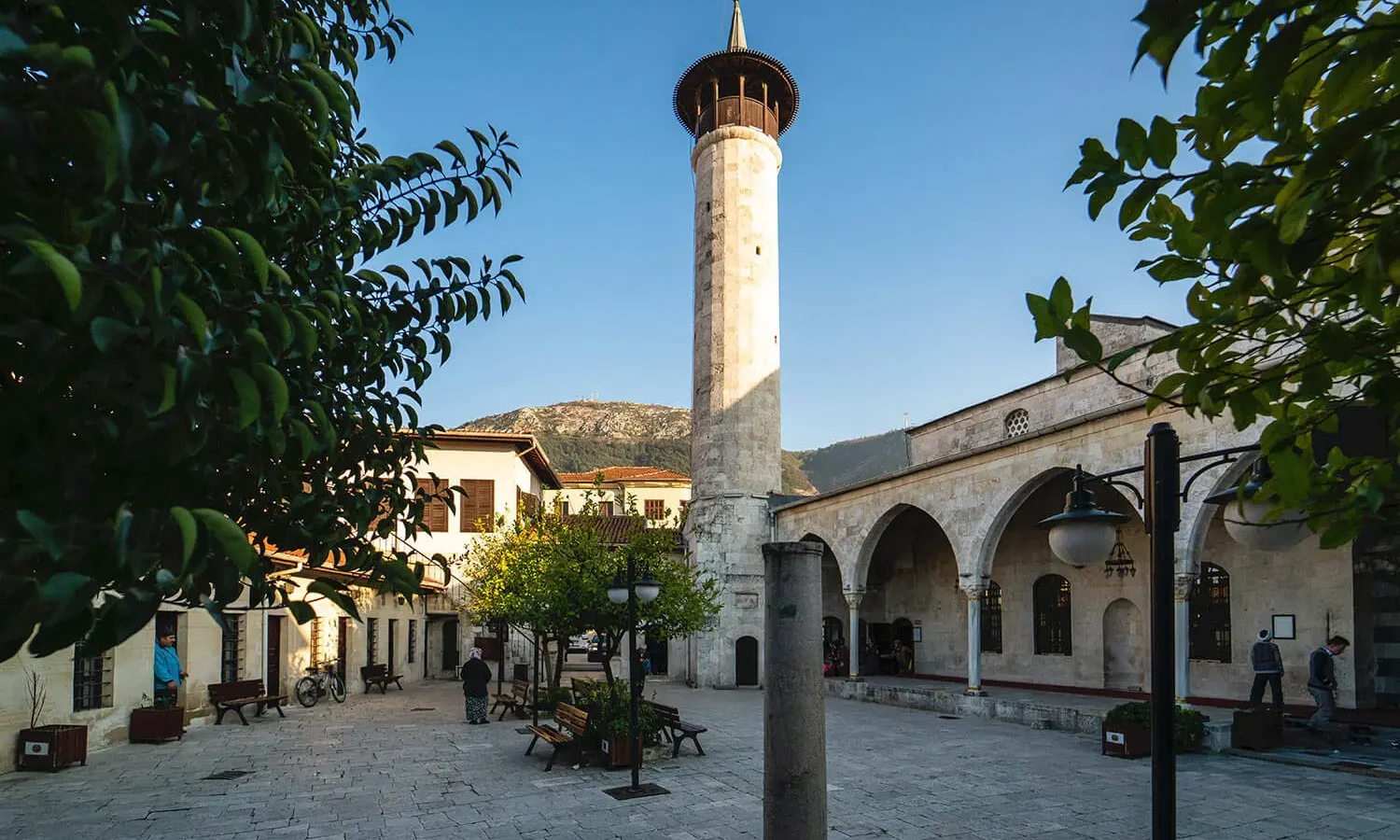
Habib-i Neccar Mosque stands on Kurtuluş Caddesi, the long street that runs along the foot of Mount Habib-i Neccar (ancient Mount Silpius) through the old centre of Antakya. It is known as the first mosque built in the city and is widely described as one of the first in Anatolia. Its courtyard holds the shrine of Habib-i Neccar, a local saint venerated by Muslims and remembered in Antakya’s own traditions.
The mosque collapsed almost completely in the earthquakes of 6 February 2023, which destroyed much of old Antakya. Restoration teams numbered and kept every usable stone from the rubble, and the building was rebuilt under the General Directorate of Foundations with Konya Metropolitan Municipality as builder. It reopened for prayers on 27 December 2025, and the first Friday prayer and Ramadan prayers followed in early 2026.
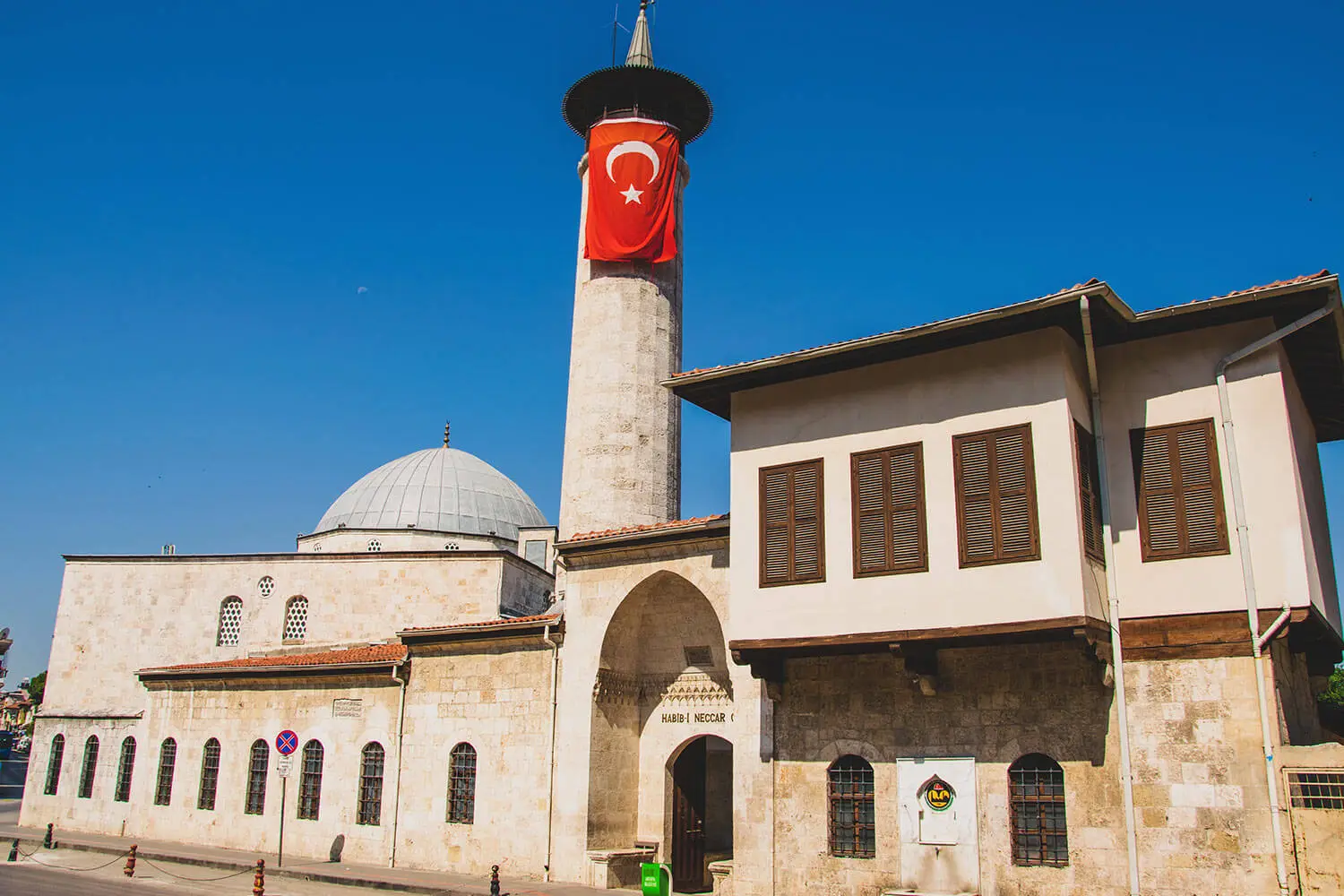
What you see today is therefore a reconstruction, faithful in form and partly built from its original stones, but not the building that stood here before 2023. The street around it is still a construction zone.
How do you get to Habib-i Neccar Mosque?
The mosque is on Kurtuluş Caddesi, a few minutes’ walk east of the Asi river and the old bridge area. Before the earthquake this was the heart of the old town, next to the Uzun Çarşı (Long Bazaar). In 2026 the street is being rebuilt, much of the bazaar is closed and its traders have moved to temporary markets nearby, so expect detours, mud in wet weather and changing access.
Taxis and minibuses run along Kurtuluş Caddesi. Hatay Airport (HTY) is about 25 km away by road.
Book a Habib-i Neccar Mosque tour
−5% Istambul readers save 5% on every tour below — applied at checkout.
Partner listings via GetYourGuide · free cancellation on most
When is the best time to visit Habib-i Neccar Mosque?
Visit outside the five daily prayers, and avoid the hour around Friday midday prayer, when the courtyard fills. Mornings are quietest. Spring and autumn are the most comfortable seasons in Antakya; July and August are hot and humid.
Dress as for any working mosque: shoulders and knees covered, headscarf for women, shoes off inside the prayer hall.
What is the history of Habib-i Neccar Mosque?
The site has been sacred for a very long time. According to the 2002 inventory, the mosque was built in the time of the Mamluk sultan Baybars on the site of an older temple; Baybars took Antioch from the Crusaders in 1268. The building was damaged by earthquakes and rebuilt, keeping its old minaret. Its inscription gives the date of rebuilding as 1275 in the Islamic calendar, which is 1858–59. Another inscription over the east gate records that the gate was completed in 1863 through the efforts of local people.
The building that stood until 2023 had a rectangular prayer hall with a dome in front of the mihrab, a portico with four reused columns, a polygonal minaret with a wooden balcony, and a stone-paved courtyard surrounded by madrasa cells, a fountain and the shrine.
After the 2023 earthquakes, restoration began in September 2023. The reconstruction followed the old plan and reused salvaged stone where it could, and the mosque reopened on 27 December 2025, on the same day as the rebuilt Hatay State Parliament building in Cumhuriyet Alanı.
What is Habib-i Neccar Mosque famous for?
- Habib-i Neccar. Islamic tradition identifies him with the man who, in Sura Yasin of the Qur’an, comes running from the far end of a city to urge its people to follow God’s messengers, and is killed for it.
- Age. It is regarded as the first mosque of Antakya and one of the first in Anatolia.
- Its rebuilding. After the 2023 earthquakes it became a symbol of Antakya’s recovery.
What can you see at Habib-i Neccar Mosque?
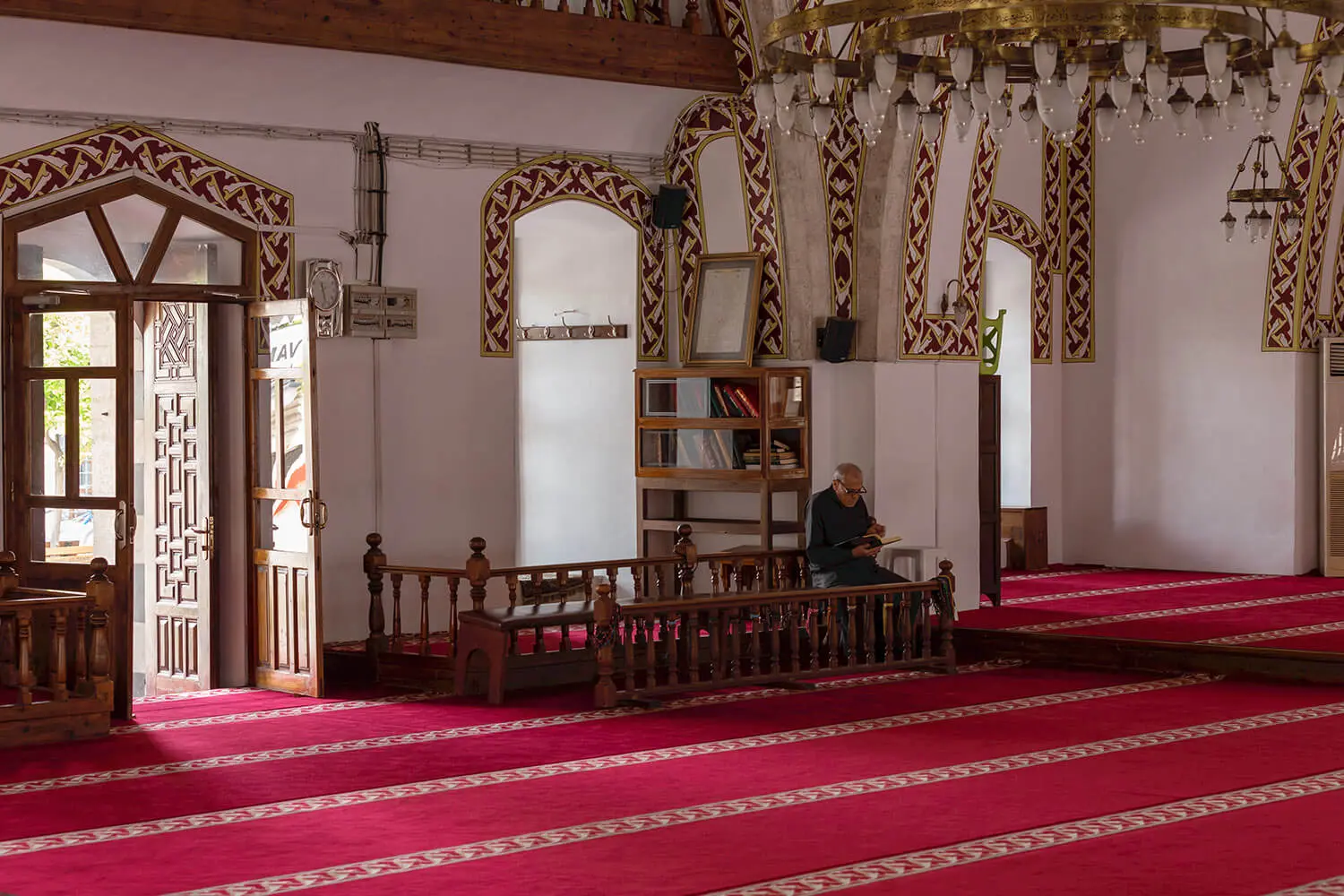
The prayer hall. A single domed space carried on pendentives, with seven arched windows along the south wall.
The minaret. Square at the base and polygonal above, with a balcony and a pointed cap.
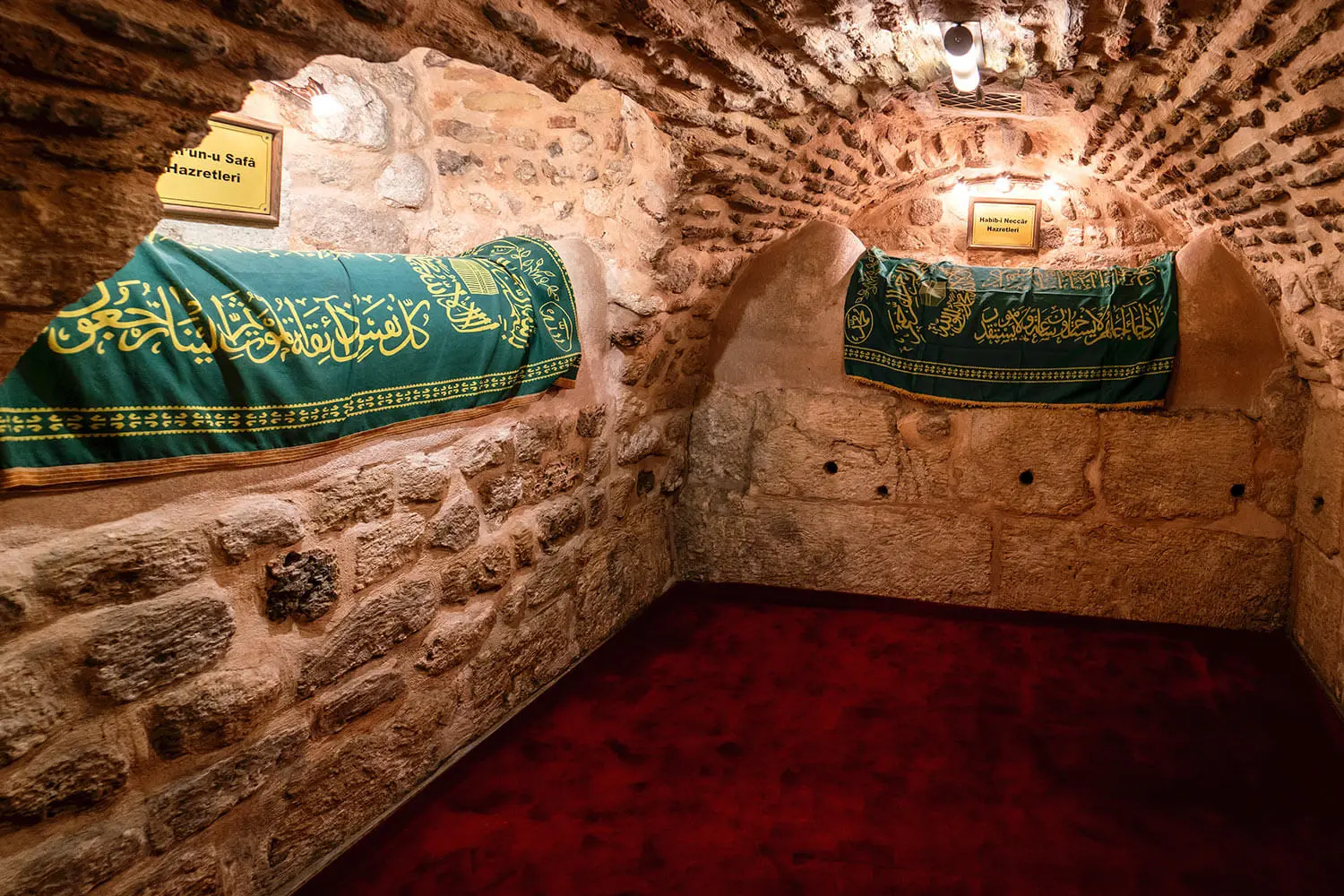
The courtyard and shrine. The trapezoid courtyard holds the fountain, two wells and the madrasa cells, and on its east side the tomb of Habib-i Neccar, which draws a steady stream of visitors who come to pray.
The cave on the mountain. Local tradition places Habib’s martyrdom on the slope of Mount Habib-i Neccar above the mosque, where a cave is said to hold his body.



Frequently asked questions about Habib-i Neccar Mosque
Is Habib-i Neccar Mosque open?
Yes. It was rebuilt after the 2023 earthquakes and reopened for worship on 27 December 2025. Visitors are welcome outside prayer times.
Was the mosque destroyed in the earthquake?
Almost entirely. Usable stones were numbered and salvaged, and the mosque was reconstructed on its original plan, so today’s building is a faithful rebuild rather than the pre-2023 structure.
Who was Habib-i Neccar?
Habib the Carpenter, a man of 1st-century Antioch who, according to tradition, believed the messengers sent to the city and was killed by its people. Islamic tradition links him to a passage in Sura Yasin.
Is the mosque really the first in Anatolia?
It is traditionally called the first mosque of Antakya and of Anatolia. The 2002 inventory dates the building to the Mamluk sultan Baybars, after 1268, on the site of an older temple; the pre-2023 fabric was mostly 19th century.
What do the official records say about Habib-i Neccar Mosque?
Habib-i Neccar lived in Antakya in the 40s AD. Because the people of Antakya were pagan in Roman times, God commanded Jesus to send two messengers to them. Jesus sent two messengers, and later a third. The first to believe the messengers’ preaching was Habib-i Neccar. The people of Antakya did not believe and resolved to stone the messengers to death. Habib-i Neccar came running from far away and told them that the messengers spoke the truth and should be believed. The pagans then threatened him: “They have deceived you; either return to your old religion or die.” They carried out their threat and killed him.
There are many accounts of his martyrdom. The most widespread, the one the people tell, is this: Habib-i Neccar’s head was severed from his body on Mount Silpius and rolled down to the place where his mosque and tomb stand today. (Today his body lies in the cave where he was martyred, and his head in the tomb beside the mosque.) (Ministry of Culture and Tourism, Hatay Provincial Tourism Inventory, 2002)
Ready to see Habib-i Neccar Mosque?
Hand-picked tours with good reviews and clear prices.
Partner listings via GetYourGuide · free cancellation on most
Before or after: Istanbul
Most trips start or end in Istanbul. Our own experiences there:

 Dinner, sunset and day cruises between Europe and Asia.See cruises bosporuscruise.com

 Historic Turkish baths in the old city — hand-picked hamams, booked direct.Book a hamam istanbulhamam.com

 Istanbul’s tallest viewpoint: both continents from 369 metres.Get tickets camlicatower.com

 Free audio guides in 15 languages, safe routes and local tips — plus 5% off GetYourGuide.Open the free guide localada.com
Nearby
All destinations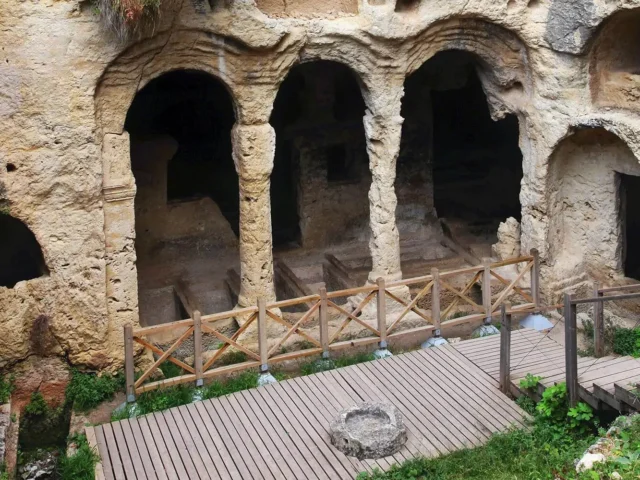
Beşikli Cave
Beşikli Cave at Çevlik, Samandağ: the largest rock-cut tomb of…
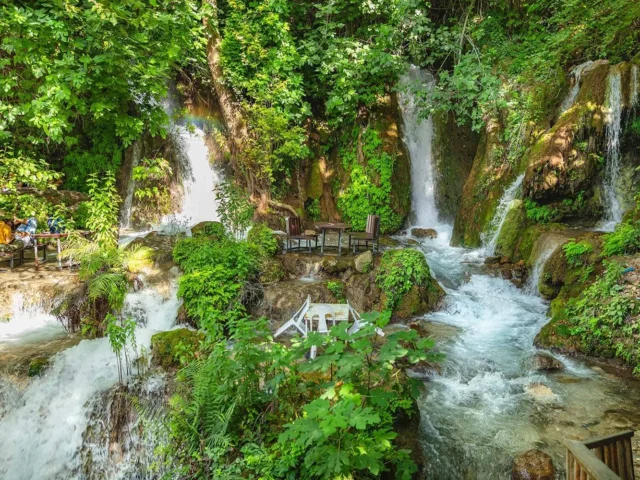
Harbiye (Daphne)
Harbiye, ancient Daphne near Antakya: the waterfalls of Daphne’s tears,…

Titus Tunnel
Vespasianus Titus Tunnel at Çevlik, Samandağ: the Roman channel that…
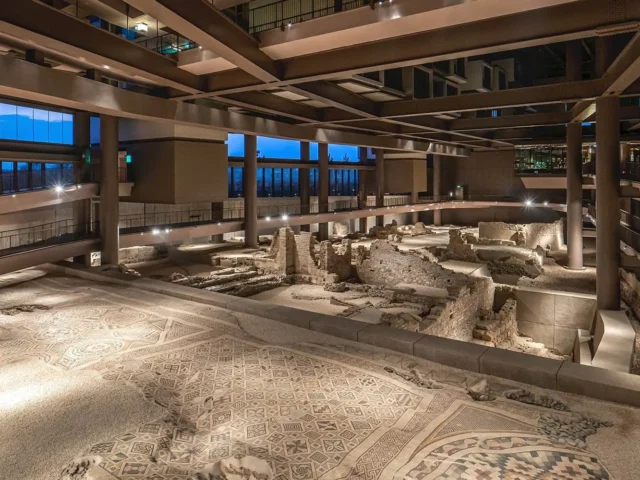
Hatay Archaeology Museum
Hatay Archaeology Museum in Antakya: its Antioch and Daphne mosaics,…
