
Rumkale: Fortress on the Euphrates
On this page
Key facts: Rumkale
- What it is: A ruined fortress-town on a cliff where the Merzimen stream meets the Euphrates, seat of the Armenian Catholicos in the 12th–13th centuries.
- Where: Near Kasaba village, Yavuzeli district, Gaziantep province, about 62 km from Gaziantep; reached by road via Yavuzeli or by boat from Halfeti in Şanlıurfa.
- Period: Mentioned in Assyrian records of the 9th century BC; Roman, Byzantine, Armenian, Mamluk (from 1292) and Ottoman (from 1516).
What is Rumkale?
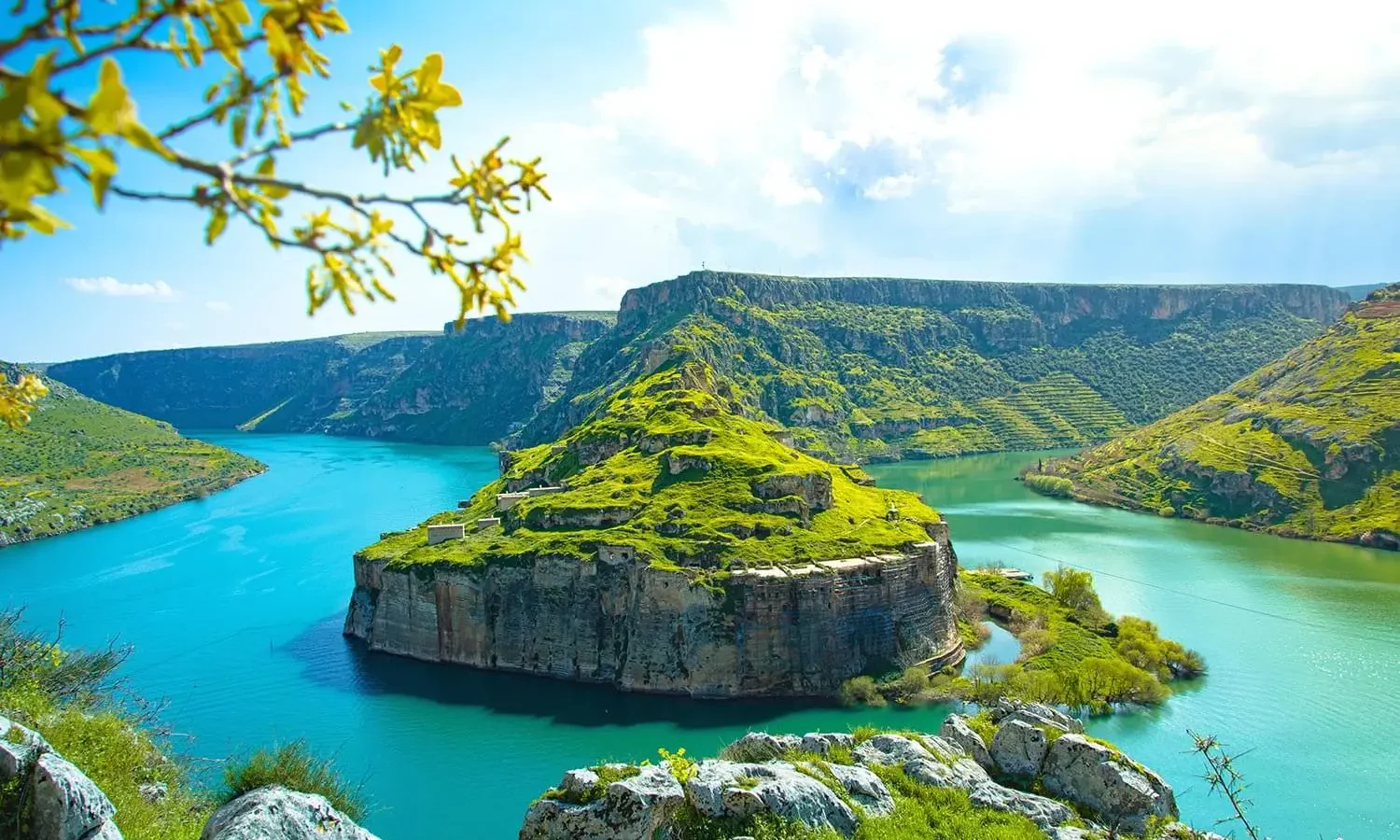
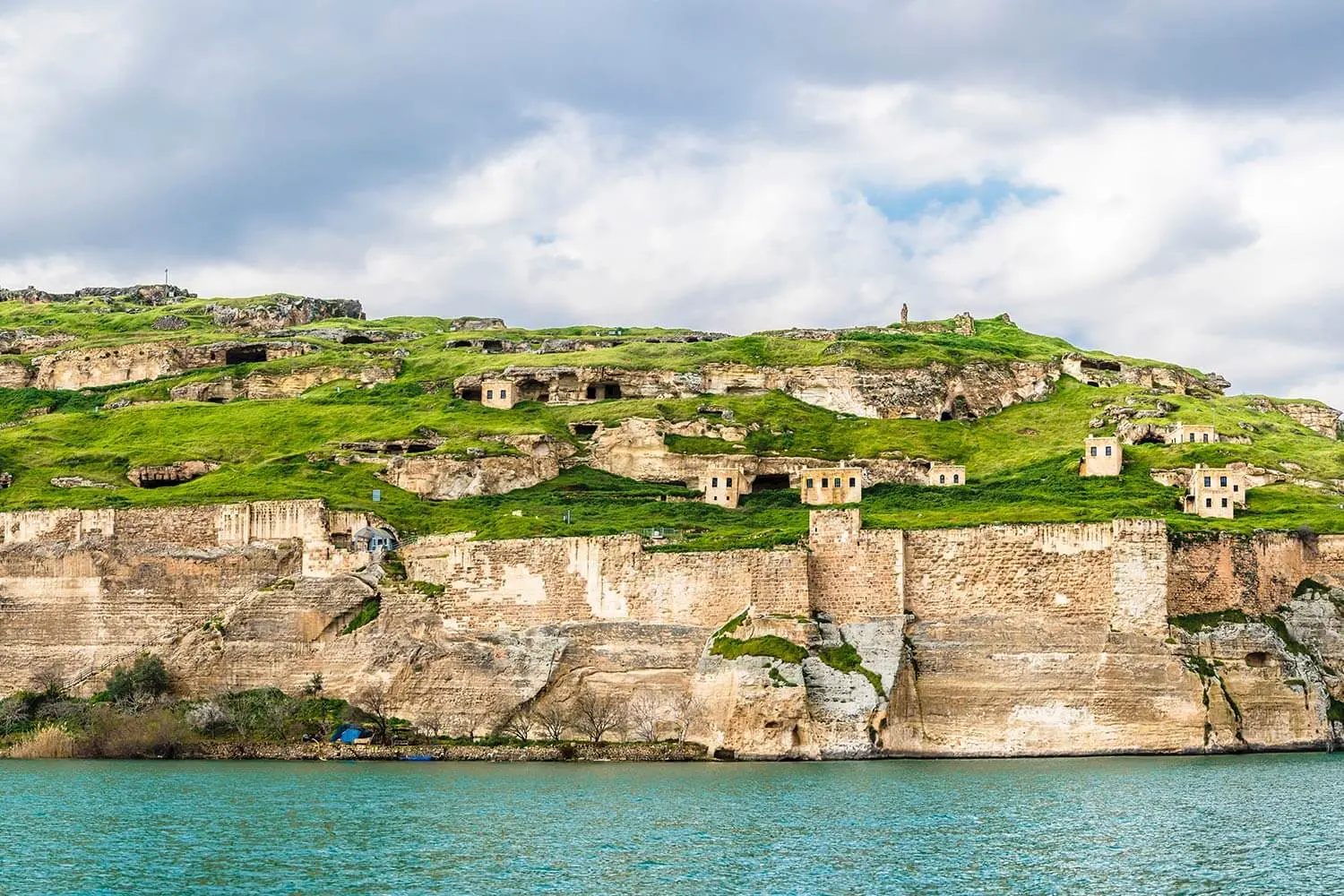
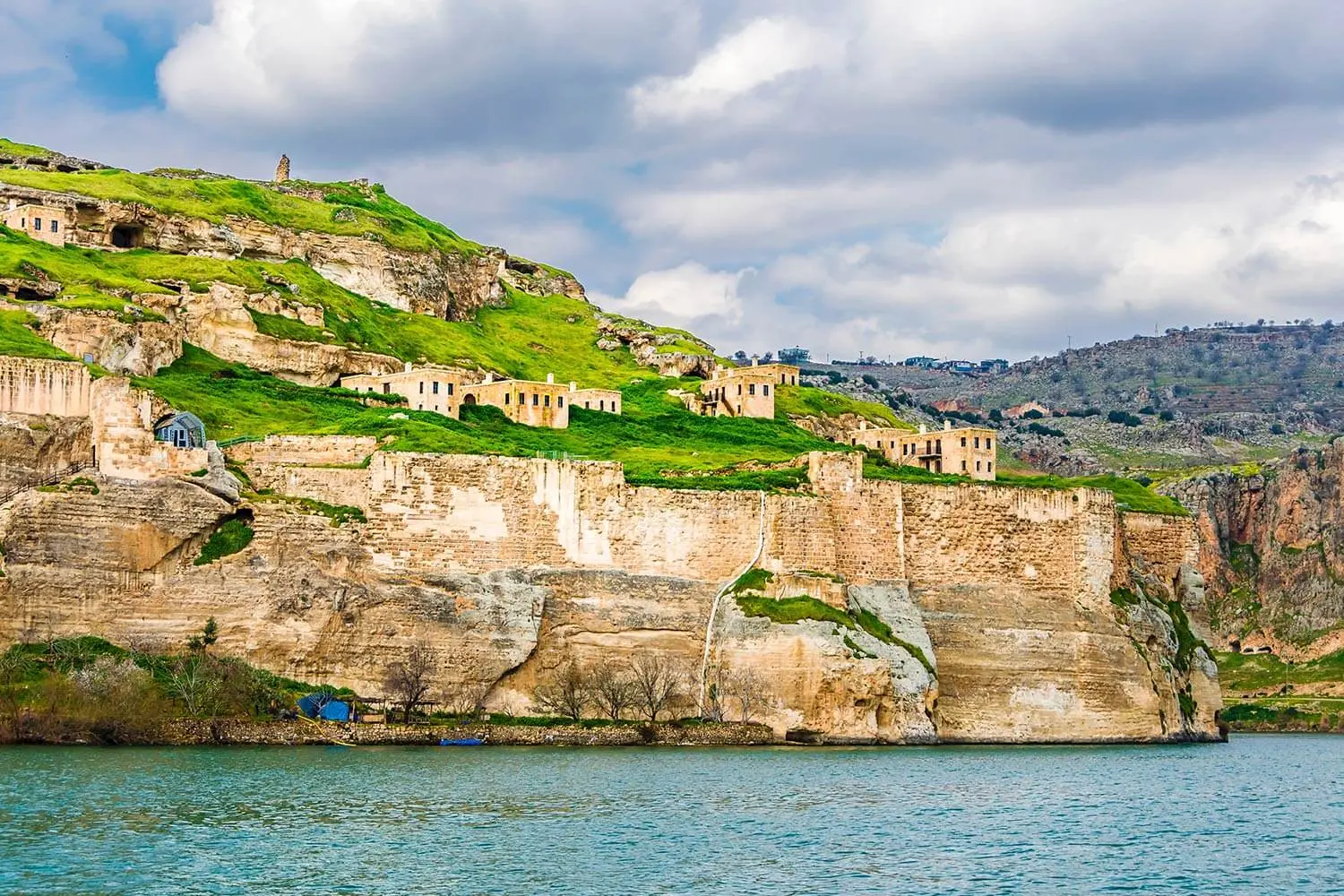
Rumkale (“Roman castle”, historically Hromgla) is a fortress built on a high rock at the meeting of the Euphrates and the Merzimen stream. Its walls follow the edge of the cliffs, and inside are the remains of churches, a monastery, a mosque, cisterns and a deep well cut through the rock down to river level. Since the Birecik Dam reservoir filled, the rock has become a peninsula in a long green lake, and the castle is one of the most photographed views on the Euphrates.
The 2002 inventory describes it as a monastery-like castle, sacred to Christians, with traditions linking it to St John. It lies in Gaziantep province but is often visited by boat from Halfeti, just upstream in Şanlıurfa.
How do you get to Rumkale?
By road: The inventory puts Rumkale 62 km from Gaziantep and 25 km from Yavuzeli, at Kasaba village. From Kasaba you look across to the fortress; the last stage is by boat or on foot depending on access at the time.
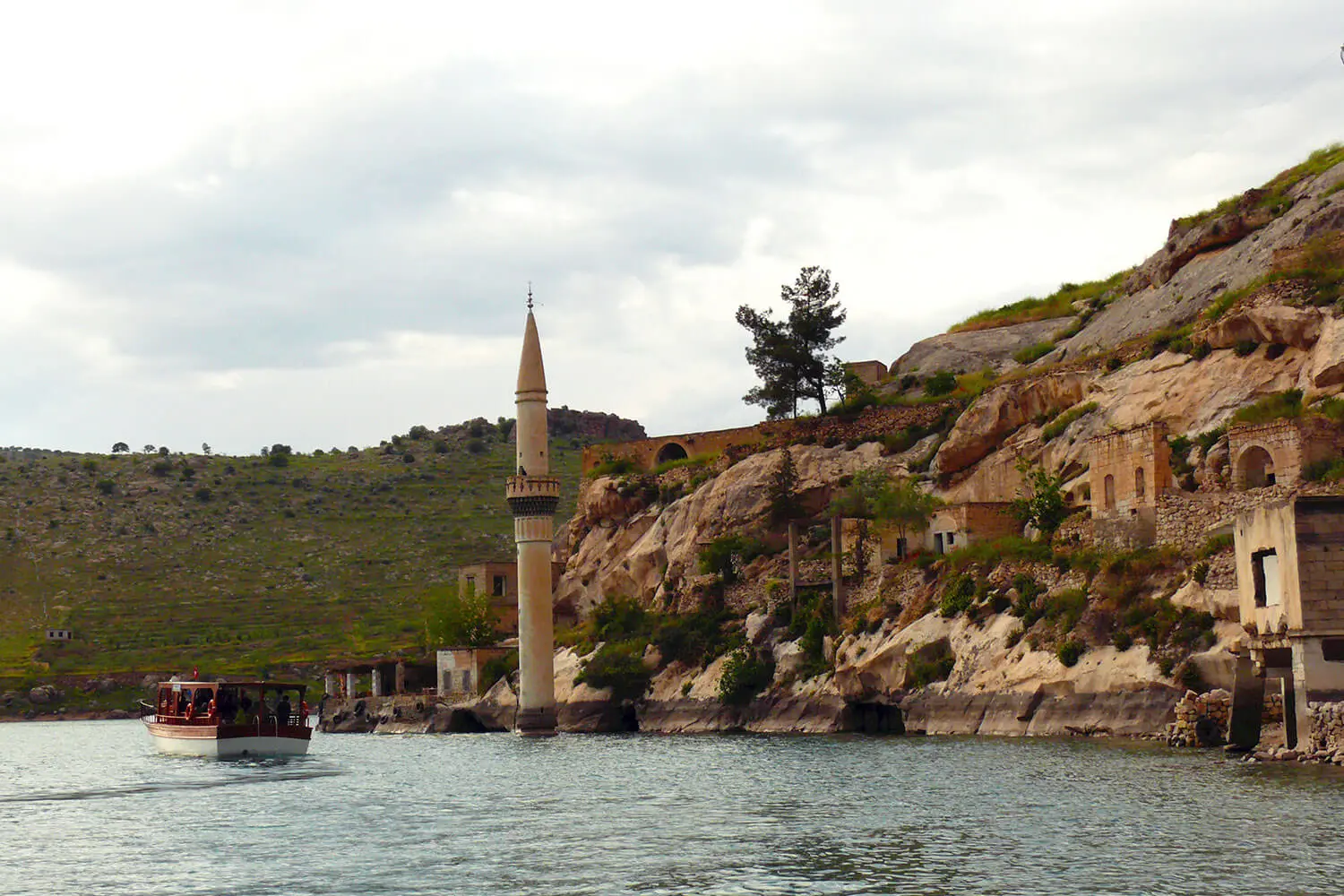
By boat from Halfeti: Most visitors come on the boat trips from Halfeti, about 110 km from Şanlıurfa and roughly the same from Gaziantep. Boats run along the reservoir past the half-submerged village of Savaşan to the foot of Rumkale. Ask the boat operator whether the trip includes landing and time to walk up into the fortress, as access has changed with restoration work.
Book a Rumkale tour
−5% Istambul readers save 5% on every tour below — applied at checkout.
Partner listings via GetYourGuide · free cancellation on most
When is the best time to visit Rumkale?
April to June and September to October. The boat ride is pleasant in the heat, but the climb up the rock is steep and exposed, so in July and August go early in the day. Weekends and public holidays bring crowds of day-trippers to Halfeti; weekdays are quieter. Wear shoes with grip for the stone paths.
What is the history of Rumkale?
The inventory says there is no certain information about Rumkale’s history, but it has had strategic importance since very early times because it commands the Euphrates. It says the castle was built by the Assyrians in the 9th century BC and passed in turn to the Medes, Persians, Romans and Arabs. The Assyrian king Shalmaneser III recorded the site in the 9th century BC.
In 1148–1150 the Armenian Catholicos Grigor III Pahlavuni bought the fortress, and it became the seat of the head of the Armenian Church. Nerses IV, known as Nerses the Gracious (Shnorhali), poet and theologian, was elected Catholicos here in 1166; the inventory notes that a church named after him and his tomb are in the castle, and that he died in 1173. The Mamluks besieged Rumkale without success in 1280 and took it in 1292 after a long siege, renaming it Qal’at al-Muslimin. It became Ottoman in 1516 and was governed as a district of Aleppo. In the 17th century Evliya Çelebi described strong walls and a mosque, han and bath. After 1832 its people moved to Kasaba village below.
Restoration of the walls and buildings has been carried out in recent years to open the site to visitors.
What is Rumkale famous for?
- The setting. A walled rock rising out of the Euphrates reservoir, best seen from a boat.
- St John. A tradition holds that the apostle St John lived here and wrote his Gospel in a room cut into the rock.
- The Armenian Catholicate. For about 140 years Rumkale was the seat of the Armenian Church.
- The deep well. A shaft cut through the rock down to the level of the Euphrates.
What can you see at Rumkale?
Walls and towers. Seven rectangular towers stand on the east and north walls, pierced by arrow slits. A rock-cut moat of the 12th century separated the castle from the high ground to the south.
The Church of St Nerses. A rectangular church associated with Nerses the Gracious, dated to the 12th century.
The Barşavma Monastery. A 13th-century monastery of square rooms under cross vaults.
The well. Wells around 75 m deep reach down to the river; the tradition of St John’s room is attached to a rock-cut chamber at the well entrance.
The mosque. The remains of the Ottoman mosque described by Evliya Çelebi.
The view. From the top you look down on the Euphrates, Kasaba village and the cliffs of the Merzimen valley.



Frequently asked questions about Rumkale
How do you get to Rumkale?
Most visitors take a boat trip from Halfeti in Şanlıurfa. By road, it is about 62 km from Gaziantep via Yavuzeli and Kasaba village.
Can you go inside Rumkale?
The fortress has been restored for visitors, but access depends on current arrangements. Ask boat operators in Halfeti whether a landing and climb are included.
Is Rumkale in Gaziantep or Şanlıurfa?
It is in Gaziantep province (Yavuzeli district), but boats to it leave from Halfeti, just across the provincial line in Şanlıurfa.
What is the connection between Rumkale and St John?
Local tradition holds that St John lived here and wrote his Gospel in a rock-cut room by the well. It is a tradition, not a documented fact.
Who lived at Rumkale?
From the mid-12th century until the Mamluk conquest of 1292 it was the seat of the Armenian Catholicos, including Nerses the Gracious.
What do the official records say about Rumkale?
Rumkale stands on a fortified hill at the meeting of the Euphrates and the Merzimen stream, in Kasaba village of Yavuzeli district. It is 62 km from Gaziantep and 25 km from Yavuzeli. Although there is no certain information about its history, it is known to have had strategic importance since very early times because it commands the banks of the Euphrates.
It is told that St Johannes, one of the apostles of Jesus, lived in this monastery-like castle, known in antiquity as Hromgla, chose it as his base for spreading Christianity, wrote the Gospel of John in a rock-cut room at the entrance of the well that still exists today and kept his drafts there, and that the Gospel was later smuggled to Beirut. It is known that the tomb of St Johannes is said to be in this castle and that for this reason it is considered sacred by Christians. There are also a church built in the name of St Nerses, the last patriarch recognised as a saint, who died in 1173, and his tomb at Rumkale. (Ministry of Culture and Tourism, Gaziantep Provincial Tourism Inventory, 2002)
Ready to see Rumkale?
Hand-picked tours with good reviews and clear prices.
Partner listings via GetYourGuide · free cancellation on most
Before or after: Istanbul
Most trips start or end in Istanbul. Our own experiences there:

 Dinner, sunset and day cruises between Europe and Asia.See cruises bosporuscruise.com

 Historic Turkish baths in the old city — hand-picked hamams, booked direct.Book a hamam istanbulhamam.com

 Istanbul’s tallest viewpoint: both continents from 369 metres.Get tickets camlicatower.com

 Free audio guides in 15 languages, safe routes and local tips — plus 5% off GetYourGuide.Open the free guide localada.com
Nearby
All destinations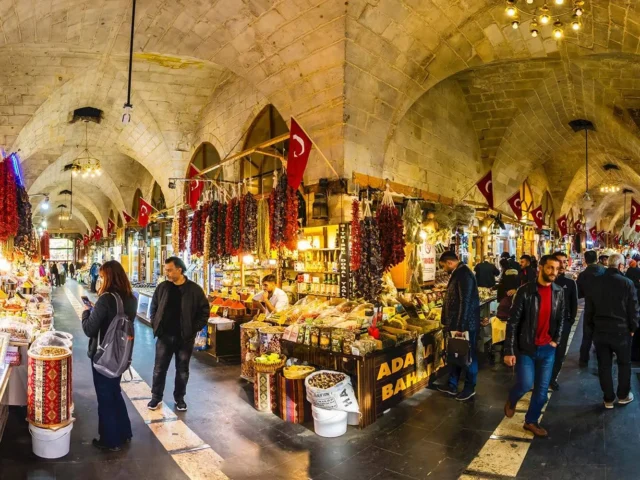
Zincirli Bedesten
Zincirli Bedesten in Gaziantep: an L-shaped Ottoman market of 1718,…
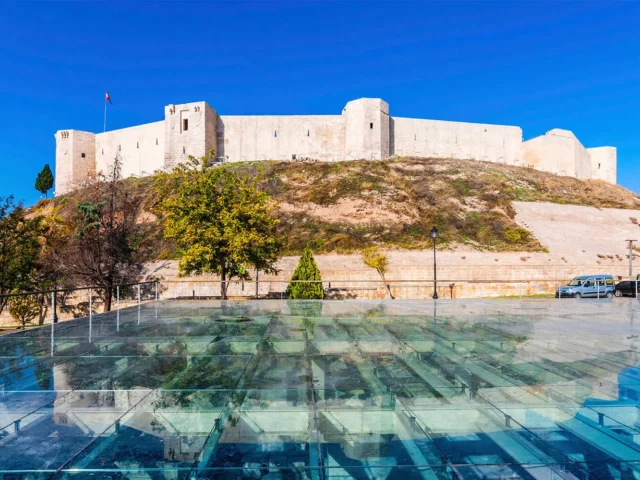
Gaziantep Castle
Gaziantep Castle: Roman watchtower turned Byzantine citadel, damaged in the…
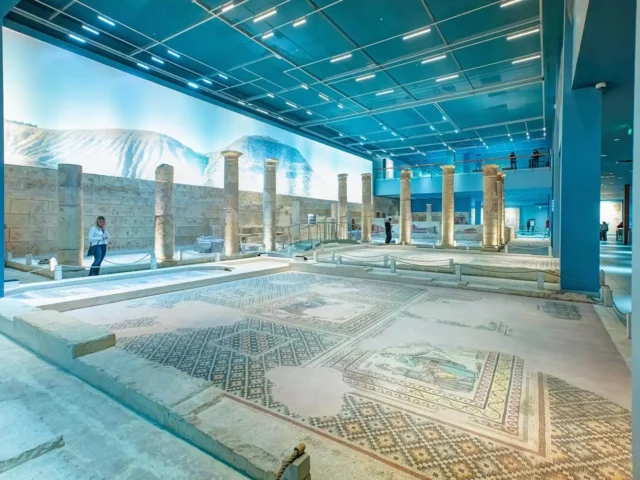
Zeugma Mosaic Museum
Zeugma Mosaic Museum in Gaziantep: the Gypsy Girl, Dionysos and…

Coppersmiths’ Bazaar
Gaziantep’s Coppersmiths’ Bazaar below the castle: working copper workshops, engraved…
