
Coppersmiths’ Bazaar: Hammered Copper Below Gaziantep Castle
On this page
- What is the Coppersmiths’ Bazaar?
- How do you get to the Coppersmiths’ Bazaar?
- When is the best time to visit the Coppersmiths’ Bazaar?
- What is the history of the Coppersmiths’ Bazaar?
- What is the Coppersmiths’ Bazaar famous for?
- What can you see at the Coppersmiths’ Bazaar?
- Frequently asked questions about the Coppersmiths’ Bazaar
- What do the official records say about the Coppersmiths’ Bazaar?
Key facts: Coppersmiths’ Bazaar
- What it is: Lanes of working copper workshops in the old bazaar quarter of Gaziantep, where trays, pots and coffee sets are hammered, engraved and sold.
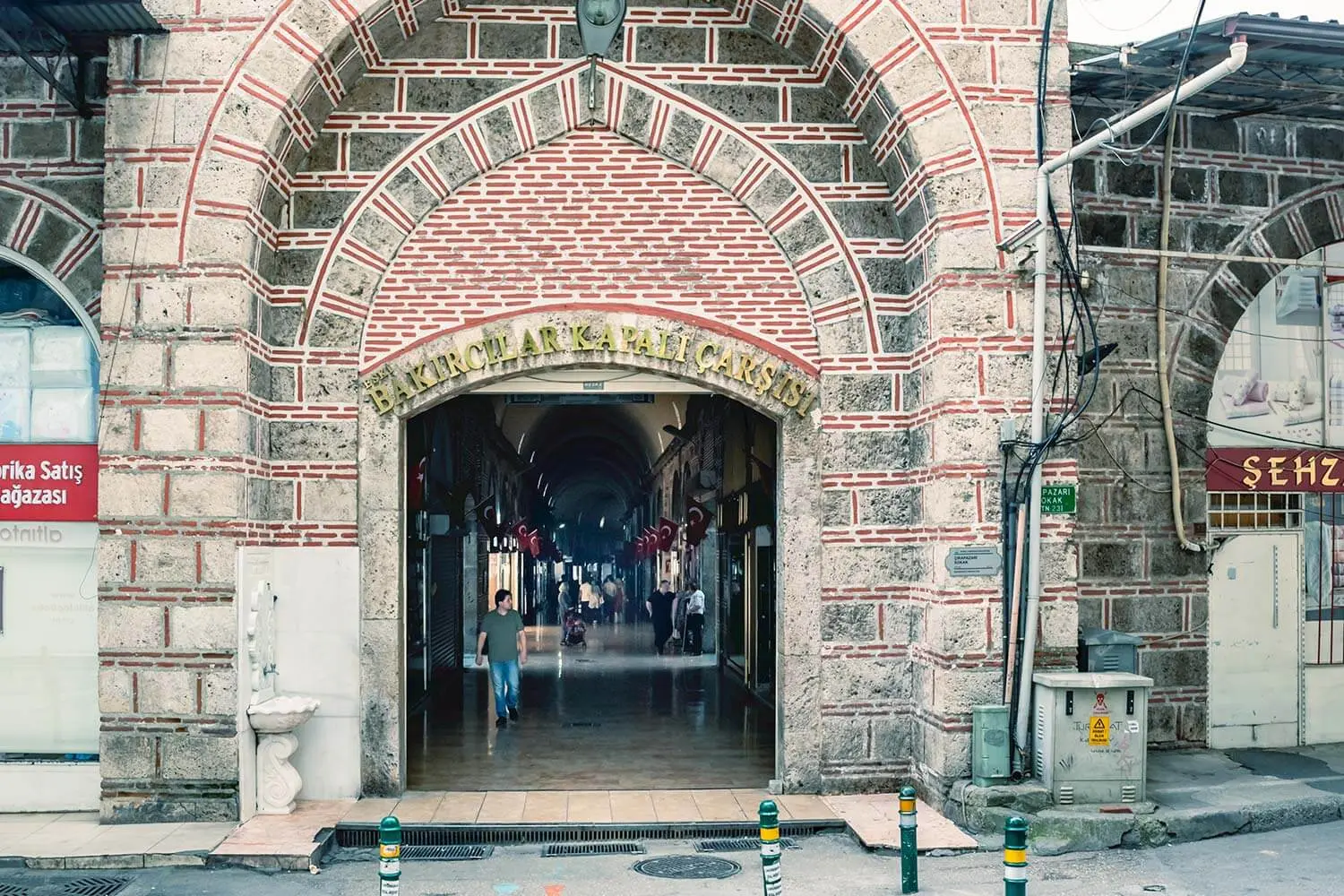
- Where: Şahinbey district, on the slopes below Gaziantep Castle, next to Zincirli Bedesten.
- Known for: Hand-hammered and engraved copperware, alongside yemeni shoemakers, mother-of-pearl workshops and historic coffee houses.
What is the Coppersmiths’ Bazaar?
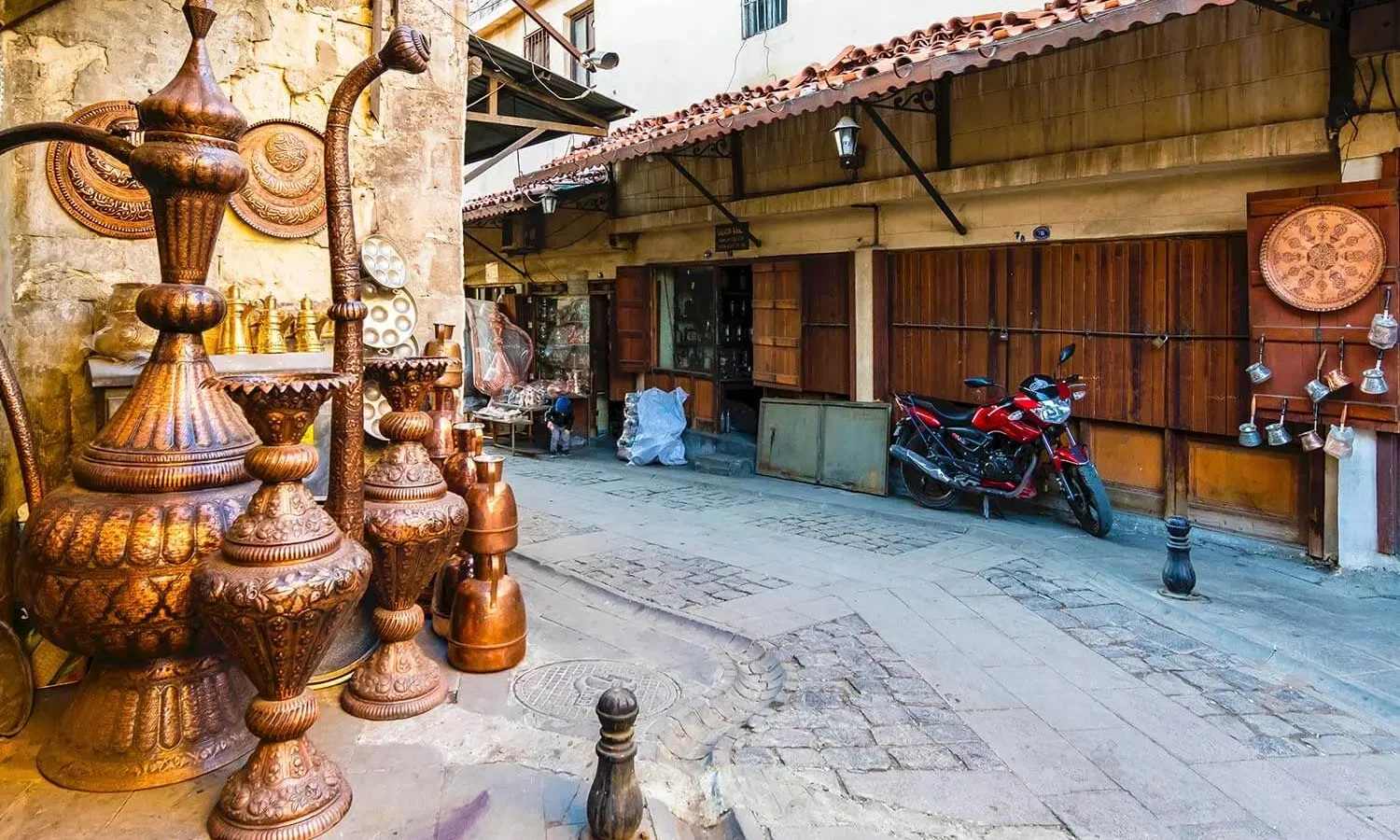
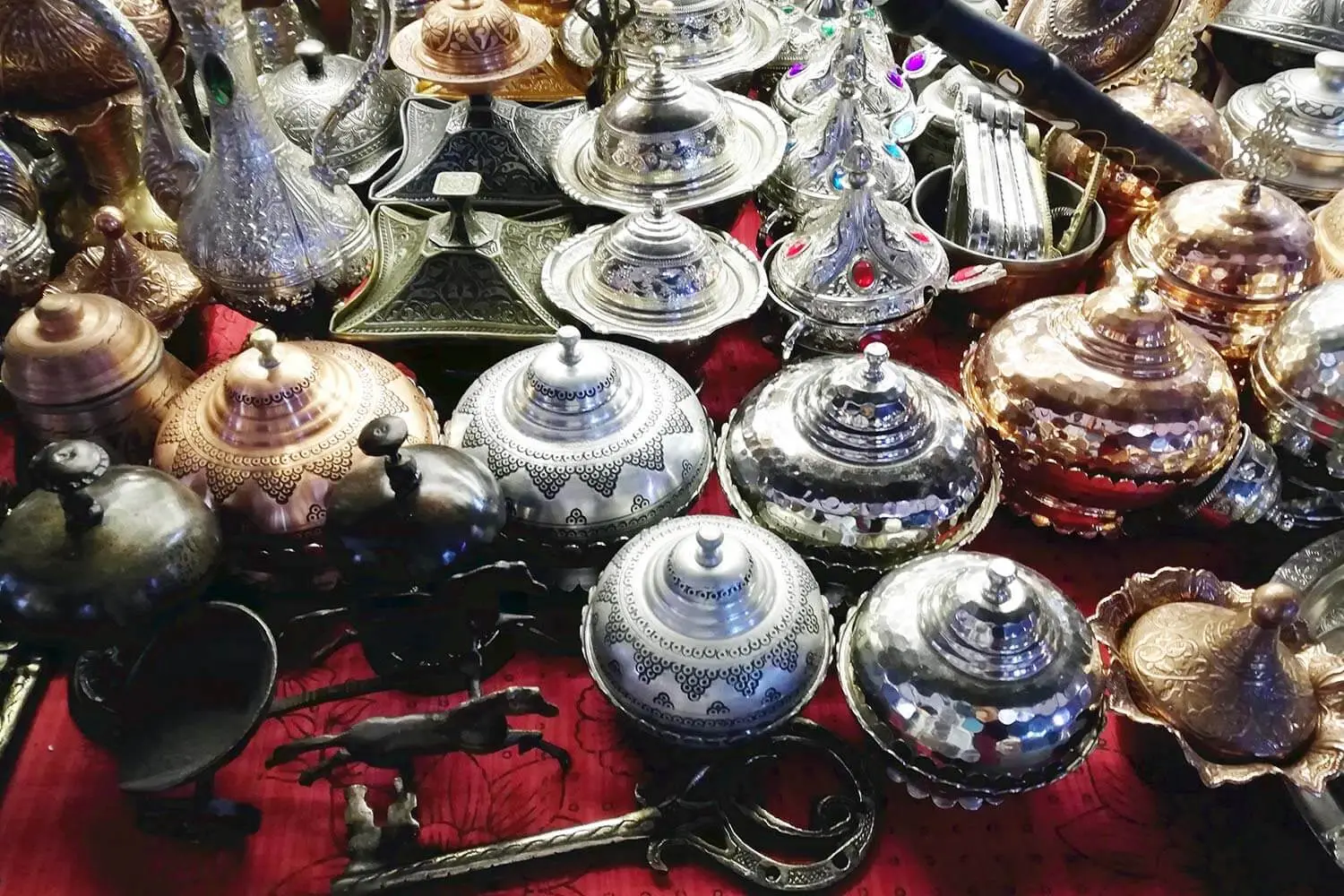
The Coppersmiths’ Bazaar (Bakırcılar Çarşısı) is a group of narrow lanes in old Gaziantep, just below the castle, where copperware is still made by hand. You hear it before you see it: the steady tapping of hammers on metal from the workshops. Shopfronts are stacked with trays, pots, cauldrons, jugs, coffee pots, lanterns and bowls, some plain and some engraved with dense floral and geometric patterns.
It is part of the old commercial quarter of the city, along with the Zincirli Bedesten, the hans and the coffee houses, and it is one of the few bazaars in Türkiye where you can watch a traditional metal craft from start to finish.
How do you get to the Coppersmiths’ Bazaar?
The bazaar is in the historic centre, in Şahinbey district, on the slopes below the castle. Walk down from the castle gate or in from the Zincirli Bedesten; the two are next to each other. Most old-town hotels are within ten minutes’ walk. From the newer districts, take a taxi or the tram towards the centre.
Book a Coppersmiths’ Bazaar tour
−5% Istambul readers save 5% on every tour below — applied at checkout.
Partner listings via GetYourGuide · free cancellation on most
When is the best time to visit the Coppersmiths’ Bazaar?
Weekday mornings, when craftsmen are at work and you can watch them shape and engrave pieces. Late afternoon is good for shopping. Opening hours change through the year, so check them before you visit. In summer the covered and shaded lanes are cooler than the open streets, but the workshops themselves can be very hot.
What is the history of the Coppersmiths’ Bazaar?
Gaziantep grew rich as a market town on the routes between Aleppo, Anatolia and Mesopotamia, and by the Ottoman period its centre was a network of covered markets, hans and workshop streets around the castle. Each craft had its own street: coppersmiths, shoemakers (kavaflar), saddlers and others. The 2002 inventory mentions the Kavaflar bazaar in the Boyacı quarter, beside the tombs of Yuşa and Pirsefa, and lists the hans and bazaars of the old town for restoration under the urban conservation plan.
Copper working has been handed down from father to son here for generations. Pots and trays were once part of every household and every bride’s trousseau, and coppersmiths also tinned old pieces to keep them safe for cooking. As cheaper metals and plastic took over, many workshops closed, but tourism and the restoration of the old town since the 2000s have kept a core of craftsmen working. The bazaar is now part of the city’s cultural walking route between the castle, the bazaars and the old houses.
What is the Coppersmiths’ Bazaar famous for?
- Hand-hammered copper. Pieces are shaped from sheet copper with hammers on anvils and stakes.
- Engraving. Engravers cut fine patterns into trays and bowls with chisels, a style known as kalem işi.
- Tinning. Some workshops still line pots with tin for cooking.
- Neighbouring crafts. Yemeni shoemakers, mother-of-pearl inlayers and spice sellers work alongside the coppersmiths.
What can you see at the Coppersmiths’ Bazaar?
Workshops. Craftsmen hammering and engraving in small open-fronted shops. Many are happy for you to watch, and some will engrave a name or pattern to order.
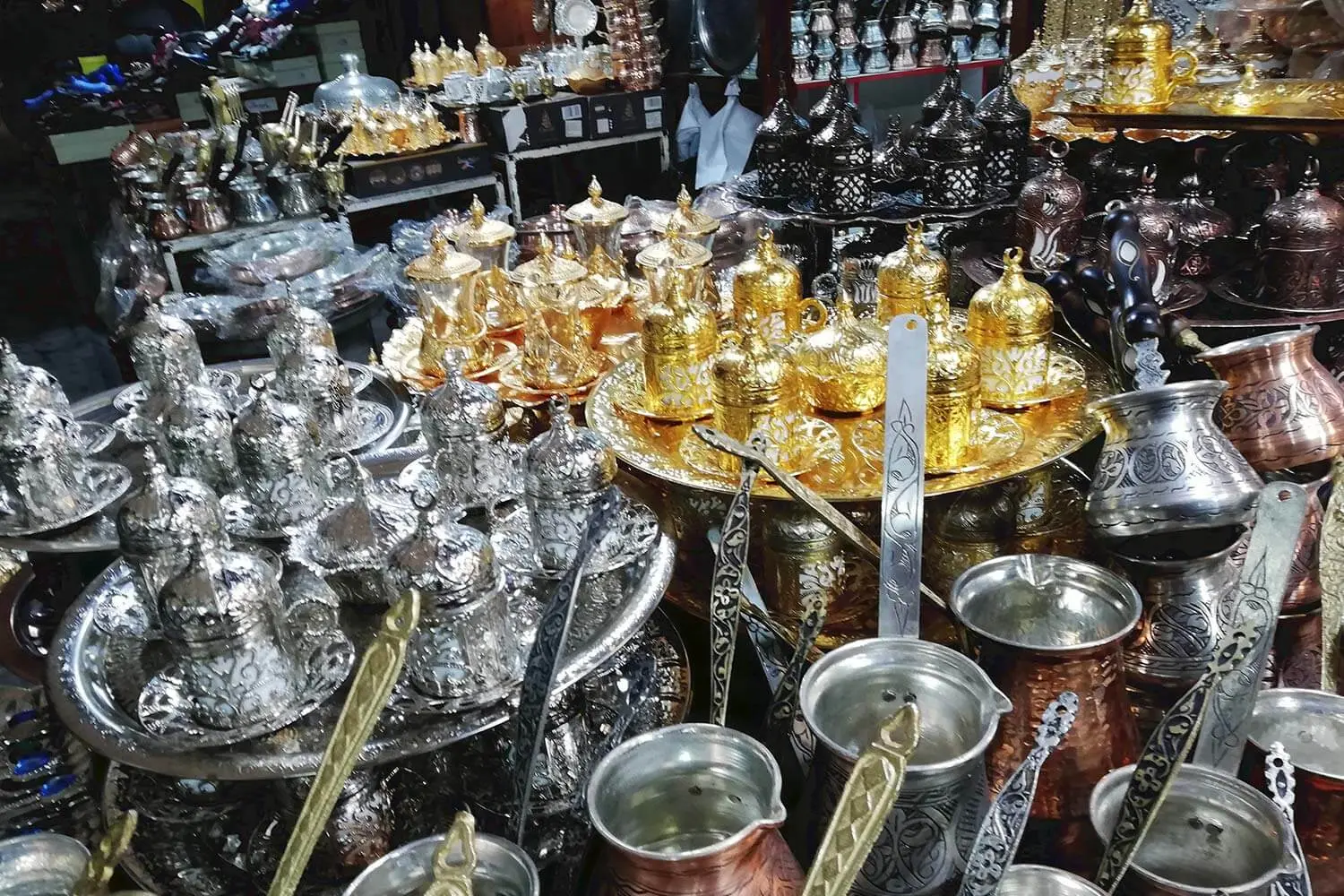
Copperware. Large trays (sini) for serving food on the floor, cauldrons, water jugs, coffee pots and cups, lanterns and decorative plates.
Yemeni makers. Workshops producing yemeni, the soft, flat leather slip-on shoes of the region, stitched by hand.
Coffee houses. Historic coffee houses near the bazaar serve menengiç coffee, made from wild pistachio, and Turkish coffee.
The castle above. The lanes climb towards the castle, so the walk can finish at its moat and bridge.
How to choose copperware
- Cooking or decoration. Copper used for cooking must be lined with tin, because acidic food reacts with bare copper. Decorative trays and plates do not need it.
- Weight. Thicker sheet copper is heavier and dents less; lift a few pieces to compare.
- Hand engraving. Hand-cut patterns are slightly irregular and deeper than machine-stamped ones. Ask to see the engraver at work.
- Getting it home. Large trays are heavy and awkward in luggage; many shops will wrap pieces well, and some can arrange shipping.



Frequently asked questions about the Coppersmiths’ Bazaar
Where is the Coppersmiths’ Bazaar in Gaziantep?
In Şahinbey district, on the slopes below Gaziantep Castle, right next to Zincirli Bedesten.
Can you watch the coppersmiths at work?
Yes. On weekday mornings craftsmen hammer and engrave pieces in open-fronted workshops, and many are happy for visitors to watch.
What should you buy at the Coppersmiths’ Bazaar?
Engraved trays, coffee pots and cups, bowls and lanterns. Ask whether a pot is tinned inside if you plan to cook with it.
Is the bazaar open on Sundays?
Many workshops close on Sundays, so visit Monday to Saturday.
What do the official records say about the Coppersmiths’ Bazaar?
The 2002 inventory has no separate entry for the bazaar; it describes the city as a whole in these terms. With its ruins, old houses, mosques, tombs, madrasas, hans, baths, churches and castles worth seeing, its unique natural beauty, its handicrafts, its delicious cuisine, its industry and the particular industriousness and warmth of its people, Gaziantep is a city of veterans where the past and the future live together.
Being the central point of the roads and railways that connect Southeastern Anatolia to the west, the Mediterranean and the Middle East intensifies the flow of goods, services and visitors into the city. (Ministry of Culture and Tourism, Gaziantep Provincial Tourism Inventory, 2002)
Ready to see Coppersmiths’ Bazaar?
Hand-picked tours with good reviews and clear prices.
Partner listings via GetYourGuide · free cancellation on most
Before or after: Istanbul
Most trips start or end in Istanbul. Our own experiences there:

 Dinner, sunset and day cruises between Europe and Asia.See cruises bosporuscruise.com

 Historic Turkish baths in the old city — hand-picked hamams, booked direct.Book a hamam istanbulhamam.com

 Istanbul’s tallest viewpoint: both continents from 369 metres.Get tickets camlicatower.com

 Free audio guides in 15 languages, safe routes and local tips — plus 5% off GetYourGuide.Open the free guide localada.com
Nearby
All destinations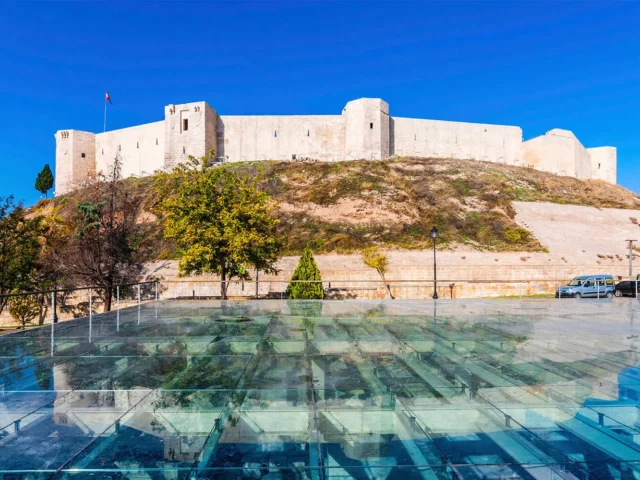
Gaziantep Castle
Gaziantep Castle: Roman watchtower turned Byzantine citadel, damaged in the…
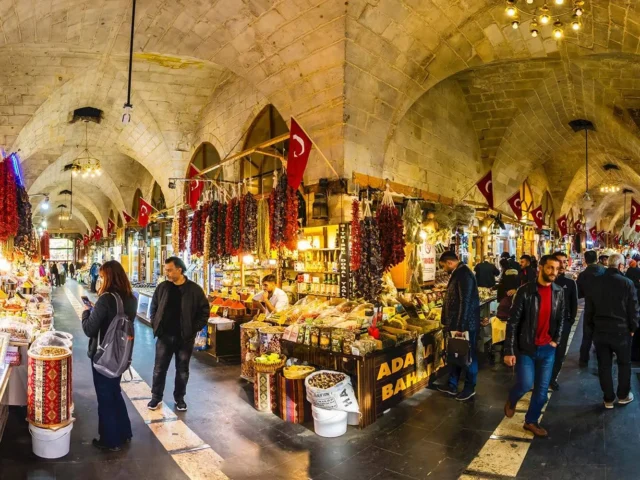
Zincirli Bedesten
Zincirli Bedesten in Gaziantep: an L-shaped Ottoman market of 1718,…

Rumkale
Rumkale on the Euphrates: cliff-top fortress, former seat of the…
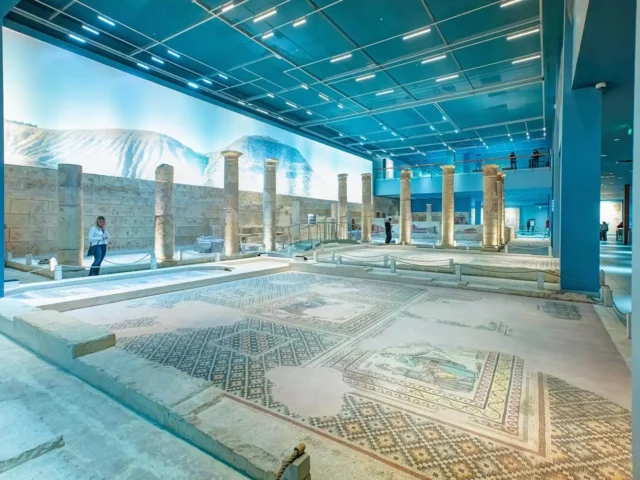
Zeugma Mosaic Museum
Zeugma Mosaic Museum in Gaziantep: the Gypsy Girl, Dionysos and…
