
Yozgat: Pines, Hot Springs and Iron Age Kerkenes
On this page
- What is Yozgat?
- How do you get to Yozgat?
- Where should you stay in Yozgat?
- What type of climate does Yozgat have?
- When is the best time to visit Yozgat?
- What is the history of Yozgat?
- What is Yozgat famous for?
- What are the historical places of Yozgat?
- What are the best things to do in Yozgat?
- What are the best places to visit in Yozgat?
- What is the traditional food of Yozgat?
- Frequently asked questions about Yozgat
- What do the official records say about Yozgat?
Key facts: Yozgat
- UNESCO Tentative List: The Roman bath at Sarıkaya, Basilica Therma, has been on Türkiye’s Tentative List since 2018 (UNESCO). It is not an inscribed World Heritage Site.
- Region: Central Anatolia, in the middle Kızılırmak basin, about 170 km east of Ankara.
- Best known for: Çamlık, Türkiye’s first national park (1958), the Iron Age city of Kerkenes, the Çapanoğlu Mosque, hot springs and testi kebabı.
What is Yozgat?
Yozgat is a province on the high plateau of Central Anatolia, between Ankara and Sivas. Its capital sits at around 1,300 m in a bowl of hills, ringed on the south by the black pines of Çamlık National Park, the first national park declared in Türkiye. The province covers just over 14,000 km² of steppe, wheat land and forested mountains, and stretches from the Kızılırmak valley in the west to the Akdağ range in the east.
The 2002 provincial tourism inventory summed up Yozgat as a province with its nature, people, cultural and natural assets, the historic Çapanoğlu Mosque, its ethnography and archaeology museums, Çamlık National Park, the Kerkenes ruins, its tombs, underground cities, caves, rich cuisine and hot springs. The list still holds. What has changed is access: since 2023 the Ankara–Sivas high-speed railway has put Yozgat within easy reach of Ankara.
Yozgat is also a good base for central Anatolian archaeology. Kerkenes, one of the largest pre-Hellenistic cities on the plateau, is in the province, and the Hittite capital Hattusa is just across the border in Çorum.
Places to visit in Yozgat
Kerkenes
Kerkenes near Yozgat: a 7 km circuit of Iron Age walls, the…
Yozgat Çamlık National Park
Yozgat Çamlık National Park, declared in 1958 as Türkiye’s first: 264 hectares…
Çapanoğlu Mosque
Çapanoğlu Mosque in Yozgat: built in 1779 and 1795 by the Çapanoğlu…
Sarıkaya Roman Bath
Sarıkaya Roman Bath (Basilica Therma) in Yozgat: a 2nd-century Roman spa still…
How do you get to Yozgat?
By rail: The Ankara–Sivas high-speed line opened to passengers on 26 April 2023. Yozgat YHT station is 204 km from Ankara by rail, and the line also stops at Yerköy, Sorgun and Akdağmadeni in the province. Through trains connect with Istanbul via Ankara.
By air: Yozgat has no airport. Ankara Esenboğa Airport is the usual gateway; Kayseri Airport, to the south, is an alternative for southern Yozgat and for combining a trip with Cappadocia.
By road: Yozgat city is about 170 km east of Ankara, near the Ankara–Sivas road. Coaches connect Yozgat with Ankara and other major cities. A car is the easiest way to reach Kerkenes, Sarıkaya and the plateaus.
Where should you stay in Yozgat?
Yozgat city is the natural base, with hotels in the centre and the national park on the edge of town. For a spa stay, look at the hot-spring towns of Sorgun and Sarıkaya, where thermal water is piped to baths and accommodation. If your main interest is Hattusa and Kerkenes, Yozgat also works as an alternative to staying in Boğazkale or Çorum.
Tours in Anatolia
−5% Istambul readers save 5% on every tour below — applied at checkout.
Partner listings via GetYourGuide · free cancellation on most
What type of climate does Yozgat have?
Yozgat has a continental highland climate: cold, snowy winters and warm, dry summers. The city stands at around 1,300 m. Winter nights can fall to about −20°C, and snow is common from December to March. In the hottest month, daytime temperatures average about 26°C, and nights are fresh even in July.
When is the best time to visit Yozgat?
May to October. Late spring brings green steppe, wild tulips at Cehirlik and comfortable walking in Çamlık National Park. July and August are pleasant by Anatolian standards thanks to the altitude, and this is plateau festival season. September and October are ideal for Kerkenes, where there is little shade. The hot springs are at their best in winter, when the contrast with the snow is part of the appeal.
What is the history of Yozgat?
According to the 2002 inventory, Yozgat has been settled since early antiquity, and its lands have been home in turn to Hittites, Phrygians, Persians, Romans, Byzantines, the Anatolian Seljuks and the Ottomans. At Alişar Höyük, 45 km southeast of the city, excavations by German archaeologists and the Oriental Institute of the University of Chicago revealed a mound first settled in the Chalcolithic on a natural rise in a marsh or lake; as the surroundings dried out, a lower town spread around its foot.
In the Iron Age, Kerkenes was laid out as a vast planned city, then burned and abandoned, most likely when the Lydian king Croesus captured Pteria around 547 BC. In the 3rd century BC the Galatians, Celtic tribes from the Danube, settled central Anatolia, and the Trocmi made Tavium, at today’s Büyüknefes, their capital (see Galatia). Ancient sources describe a great sanctuary and a colossal bronze statue of Zeus there.
The region came under Ottoman rule in 1398. In the 18th century the Çapanoğlu family, powerful local lords, built up Yozgat (then known as Bozok) as a new centre after old Tavium had declined. Their mosque of 1779 still marks the heart of the city.
What is Yozgat famous for?
- Çamlık National Park, declared on 5 February 1958 as Türkiye’s first national park.
- Kerkenes, the largest pre-Hellenistic site on the Anatolian plateau.
- Hot springs at Sarıkaya, Sorgun, Boğazlıyan, Yerköy and Saraykent, including the Roman bath of Basilica Therma.
- Testi kebabı (desti kebabı) and Yozgat tandır kebabı, both with geographical indication status.
- “Sürmeli”, the folk song of Yozgat, which gives its name to the city’s festival.
What are the historical places of Yozgat?
Kerkenes. An Iron Age city of about 2.5 km² inside 7 km of stone walls with seven gates, on a mountain near Şahmuratlı village in Sorgun district.
Çapanoğlu Mosque. The great mosque of the Çapanoğlu family, built in two stages in 1779 and 1795, with a high drum and a 15 m dome.
Sarıkaya Roman Bath (Basilica Therma). A 2nd-century Roman bath still fed by thermal water.
Yozgat Museum (Nizamoğlu Mansion). A two-storey mansion of 1871 that opened as an ethnography museum in 1985. Archaeological halls on the ground floor now show finds from around the province, and the upper rooms keep fine 19th-century wall paintings.
Tavium (Büyüknefes). On the Yozgat–Haydarbeyli road. The inventory lists a lion statue, columns, engraved ring stones, carved bird figures, road remains, cemeteries and pools, and a wide square that hints at an underground city to the southeast.
Başçavuş and Cevheri Ali Efendi mosques. Two late-18th-century mosques famous for their wooden interiors. Cevheri Ali Efendi was completed in 1788; Başçavuş, built 13 years later for the Çapanoğlu chief sergeant Halit Ağa, copied its plan and decoration.
Clock Tower. Built in 1908 by Şakir Usta in the city centre, a tall square tower divided into six storeys, with a balcony and a bell-shaped cap. Its 250 kg bell strikes the hours and half-hours.
Şah Sultan Hatun Tomb (Çandır). Built around 1500 for Şah Sultan, wife of Şah Ruh, son of the Dulkadirid ruler Alaüddevle. The inventory calls it important among the iwan tombs of Anatolia: an octagonal domed body with a pyramidal roof, a crypt, and marble panels with Persian verses carved in relief.
Karabıyık Bridge. At the 38th km of the Yozgat–Şefaatli road over the Kanak stream, a three-arched white stone bridge 54 m long, said to have been built by Yavuz Sultan Selim on his way to Egypt in 1516.
Alişar Höyük. The finds from the excavations are, in the inventory’s words, unique works revealing the way of life of early people: black, grey and red pottery of superior workmanship and decoration, seals, well-worked stone and bone, and human and animal figures. Its single-roomed, flat-roofed, four-cornered houses had skeletons buried in simple pits, jars and stone or wooden chests, often under the floors.
Çeşka Castle. An underground settlement on a high hill 3 km northeast of the city, with three entrances and a two-level, three-room space on its south side; Roman and Byzantine pottery is scattered among the ruins.
Çinçinli Sultan Han. A caravanserai built in 1221 by Mahperi Hatun, mother of the Seljuk sultan; its roof has fallen but parts of the walls stand.
What are the best things to do in Yozgat?
- Walk under the black pines of Çamlık National Park, 5 km from the centre.
- Soak in the hot springs. Sorgun’s water emerges at 50–61°C, Saraykent’s at 74°C, and Sarıkaya’s Roman pool is the most atmospheric place to bathe.
- Go up to the plateaus. Hisarbeyli (Yoğurtyurdu) in the Akdağ forests is known for its yogurt and cold springs; Cehirlik, 2 km from Yozgat on the Boğazkale road, for the Gelin Kayası rock and its wild tulips.
- Hike Kazankaya Canyon in Aydıncık, recommended in the inventory for rafting, trekking and walking.
- Visit Hattusa. The inventory notes that Boğazköy, Alacahöyük and the Sarıkaya springs are the main sights near the national park.
- Catch a festival. The 2002 inventory lists the Yozgat Sürmeli Festival in June, the Kazankaya Canyon Culture and Tourism Festival in July, plateau festivals at Eymir (Sorgun) and Bozhöyük (Akdağmadeni), and the celebration of Atatürk’s arrival in Yozgat on 15 October.
What are the best places to visit in Yozgat?
Yozgat Çamlık National Park protects 264 hectares of black pine, oak and juniper on the hills above the city, an island of old forest in the steppe.
Kerkenes is the vast walled Iron Age city now generally identified with Pteria.
Çapanoğlu Mosque is the 18th-century landmark of the city centre, built in the European-influenced Ottoman style of its time.
Sarıkaya Roman Bath, the Basilica Therma, is a Roman spa still filled with hot spring water.
Also worth a stop: Tavium at Büyüknefes, Alişar Höyük, the Yozgat Museum and the wooden mosques of the old quarters.
What is the traditional food of Yozgat?
The provincial culture directorate lists eight geographical-indication products for Yozgat:
- Testi kebabı (desti kebabı): meat cooked slowly in a sealed clay jug, which is broken open at the table.
- Tandır kebabı: lamb cooked in a pit oven.
- Arabaşı çorbası: a spicy chicken soup eaten with a set dough on winter evenings.
- Parmak çörek and Sorgun yağlısı: local breads and pastries.
- Çanak peyniri: cheese matured in earthenware pots.
- Akdağmadeni salebi and Aydıncık bağrıbütün kavunu, a local melon.
The culture directorate’s list of local dishes also includes madımak (a wild green), hedik (boiled wheat), pezik turşusu (chard-stem pickle) and çiğdem pilavı.



Frequently asked questions about Yozgat
Is Yozgat worth visiting?
Yes, especially if you are interested in Anatolian archaeology or hot springs. Kerkenes, Çamlık National Park and the Roman bath at Sarıkaya are the highlights, and Hattusa is close by.
How do you get from Ankara to Yozgat?
By the Ankara–Sivas high-speed train, running since April 2023, to Yozgat YHT station, or by coach or car; the city is about 170 km east of Ankara by road.
What is Yozgat famous for?
Çamlık, Türkiye’s first national park, the Kerkenes ruins, the Çapanoğlu Mosque, its hot springs and testi kebabı.
What was Türkiye’s first national park?
Yozgat Çamlık National Park, declared on 5 February 1958. It covers 264 hectares of black pine forest just south of the city.
How far is Hattusa from Yozgat?
Hattusa, at Boğazkale in Çorum province, is a short drive from Yozgat; the 2002 inventory puts it about 40 km from Çamlık National Park.
What is testi kebabı?
Meat and vegetables cooked slowly in a sealed clay jug, which is cracked open when served. Yozgat’s version has geographical indication status.
What do the official records say about Yozgat?
Yozgat is a province spread over an area of 14,037 square kilometres in the Middle Kızılırmak section of the Central Anatolia Region. A place of settlement since early antiquity, Yozgat has carried the remains of various civilisations, if only partly, to the present day. Throughout history the region’s lands have been home to the Hittites, Phrygians, Persians, Romans, Byzantines, the Anatolian Seljuks and the Ottoman Empire.
With its nature, its people, its cultural and natural assets, the historic Çapanoğlu Mosque, the Ethnography and Archaeology Museums, Çamlık National Park, one of Türkiye’s first national parks, the Kerkenes ruins, its tombs, underground cities, caves, rich cuisine and hot springs, Yozgat is one of the centres of tourist attraction in Central Anatolia. (Ministry of Culture and Tourism, Yozgat Provincial Tourism Inventory, 2002)
Ready to see Yozgat?
Hand-picked tours with good reviews and clear prices.
Partner listings via GetYourGuide · free cancellation on most
Before or after: Istanbul
Most trips start or end in Istanbul. Our own experiences there:

 Dinner, sunset and day cruises between Europe and Asia.See cruises bosporuscruise.com

 Historic Turkish baths in the old city — hand-picked hamams, booked direct.Book a hamam istanbulhamam.com

 Istanbul’s tallest viewpoint: both continents from 369 metres.Get tickets camlicatower.com

 Free audio guides in 15 languages, safe routes and local tips — plus 5% off GetYourGuide.Open the free guide localada.com
Nearby
All destinations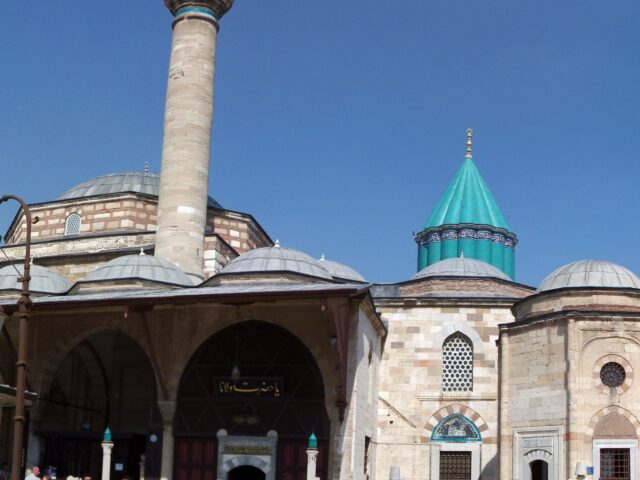
Konya
Konya, home of the Mevlana Museum and Rumi's tomb: a…
Tekirdağ
Tekirdağ travel guide: Rüstem Paşa Mosque, the Rákóczi Museum, Şarköy…
Niğde
Niğde travel guide: Gümüşler Monastery, the Alaaddin Mosque, Hüdavend Hatun…
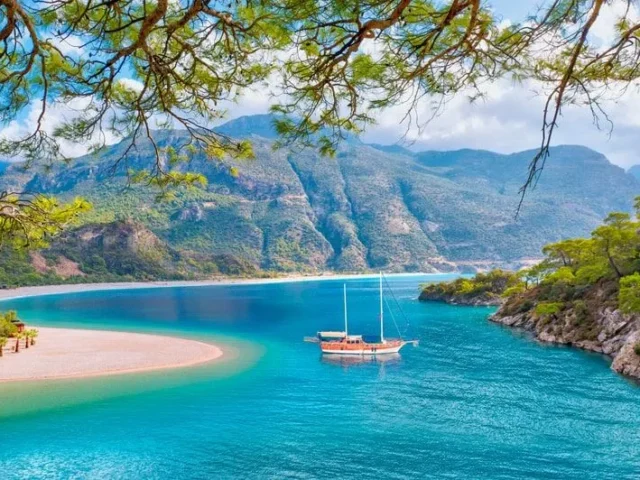
Mediterranean Region
Türkiye's Mediterranean region around Antalya: Lycian rock tombs, the Roman…
