
Vize Hagia Sophia: Justinian’s Church in Thrace
On this page
- What is Vize Hagia Sophia?
- How do you get to Vize Hagia Sophia?
- When is the best time to visit Vize Hagia Sophia?
- What is the history of Vize Hagia Sophia?
- What is Vize Hagia Sophia famous for?
- What can you see at Vize Hagia Sophia?
- Common misconceptions about Vize Hagia Sophia
- Frequently asked questions about Vize Hagia Sophia
- What do the official records say about Vize Hagia Sophia?
Key facts: Vize Hagia Sophia
- What it is: A Byzantine church built in the reign of Justinian I, later converted into the Gazi Süleyman Paşa Mosque; also called the Little Hagia Sophia (Küçük Ayasofya).
- Where: In the town of Vize, Kırklareli, about 56 km from Kırklareli city.
- Period: 6th century, with the dome added in the 12th–13th centuries; converted to a mosque in the 14th century.
What is Vize Hagia Sophia?
Vize Hagia Sophia is a Byzantine church in the town of Vize, in the south of Kırklareli province. Locally it is called the Küçük Ayasofya, the “Little Hagia Sophia”, and since the Ottoman period it has served as the Gazi Süleyman Paşa Mosque. It is one of the best-known Byzantine buildings in Eastern Thrace.
The church is built of stone and brick on a basilica plan with a cross-shaped upper structure: a nave flanked by two rows of three columns, two side aisles and an apse. According to its Wikipedia entry, it stands on the foundations of a temple of Apollo. Its original wooden roof was later replaced by a high dome, and the vaulting around that dome is unusual in Byzantine architecture.
Vize itself was once Bizye, capital of the Thracian Asti, and the church is one of several monuments from its long history, alongside a castle and a Roman theatre.
How do you get to Vize Hagia Sophia?
Vize is about 56 km southeast of Kırklareli city, on state road D.020, which runs between Istanbul and Edirne via Kırklareli. Coaches from Istanbul and Kırklareli serve Vize, and the coastal town of Kıyıköy is 40 km away. The church is in the town itself, so once in Vize you can reach it on foot.
Vize works well as a stop on the way between Istanbul and Kıyıköy or the Black Sea coast.
Tours in Anatolia
−5% Istambul readers save 5% on every tour below — applied at checkout.
Partner listings via GetYourGuide · free cancellation on most
When is the best time to visit Vize Hagia Sophia?
Any time of year works, but spring and autumn are the most comfortable for combining the church with the castle and the Roman theatre on foot. As the building is used as a mosque, avoid prayer times, especially Friday midday, dress modestly and remove your shoes at the entrance.
What is the history of Vize Hagia Sophia?
Vize was Bizye, capital of the Thracian Asti tribe, and later an important Roman and Byzantine town on the road to Constantinople. By the 5th century it was the seat of an archbishop, and in the 6th century water was piped from Bizye to Constantinople.
The church was built in the 6th century under Justinian I (527–565), the emperor who also built the great Hagia Sophia in Constantinople, hence the local name. In the 12th or 13th century the wooden roof was replaced by the present dome. Vize itself changed hands many times: the Bulgarian tsar Simeon I took it around 925 after a five-year siege, the Latin Empire held it after 1204, and in the 14th century it passed between Byzantine, Bulgarian, Catalan and Turkish forces.
According to the 2002 inventory, Gazi Süleyman Paşa converted the church into a mosque in the 14th century; Ottoman control over Vize became permanent in the 15th century. Evliya Çelebi visited in 1661 and noted the town’s mixed Turkish, Bulgarian and Greek population, and its leeks.
What is Vize Hagia Sophia famous for?
- Its link with Justinian, builder of Istanbul’s Hagia Sophia, which gives it the name “Little Hagia Sophia”.
- The high dome over a basilica plan, a rare combination in Byzantine Thrace.
- Layers of use: a temple of Apollo, a Byzantine church and an Ottoman mosque on the same spot.
What can you see at Vize Hagia Sophia?
The church-mosque. Inside, the two rows of columns divide the nave from the aisles, and the dome rises over the centre. Look for the mix of stone and brick courses in the walls, typical of Byzantine building, and the apse at the east end.
Vize Castle. Northwest of the town, believed to have been first built in 72–76 BC and rebuilt under Justinian. It has two concentric walls; the western and southern walls are intact. A Greek inscription recording the building of watchtowers is now in the Kırklareli Museum.
The Roman theatre. Found during excavations on the Çömlektepe tumulus in the 1990s and dated to the 2nd century AD, it is the only known ancient theatre in Thrace. Parts of the seating, stage and orchestra survive; reliefs from its stage front are displayed in the Kırklareli Museum. The provincial culture directorate has run a landscaping project around it.
The cave monastery. The 2002 inventory describes a rock-cut monastery on the slope of the valley northwest of Vize, at Asmakaya, with a clover-leaf chapel, a single-nave church, irregular rooms, a burial chapel and regular cells.
Common misconceptions about Vize Hagia Sophia
Is it a copy of Hagia Sophia in Istanbul?
What people often assume: The name suggests a scaled-down version of the great church in Istanbul.
What the record says: Both date from Justinian’s reign, but Vize’s church was a basilica with a wooden roof; its dome was only added in the 12th–13th centuries, centuries after the Istanbul building (Vize, Wikipedia).



Frequently asked questions about Vize Hagia Sophia
Why is it called the Little Hagia Sophia?
Because, like Istanbul’s Hagia Sophia, it dates from the reign of Justinian I in the 6th century and bears the same dedication.
Can you visit Vize Hagia Sophia?
Yes. It is used as the Gazi Süleyman Paşa Mosque, so visit outside prayer times, dress modestly and take off your shoes.
How far is Vize from Kırklareli?
About 56 km southeast, on the D.020 road between Istanbul and Edirne via Kırklareli.
What else is there to see in Vize?
The castle, the 2nd-century Roman theatre, the only known ancient theatre in Thrace, and a rock-cut Byzantine monastery northwest of town.
What do the official records say about Vize Hagia Sophia?
The Little Hagia Sophia Church (Gazi Süleyman Paşa Mosque) is in Vize district. The church, built in the 6th century in the time of Justinian, was converted into a mosque by Gazi Süleyman Paşa in the 14th century.
The Cave Monastery is also in Vize district. It was made by carving into the rocks on the slope of the valley northwest of the town. Starting from the Vize side, there is a clover-leaf chapel, a large single-nave church with irregular rooms attached to it, a burial chapel and regular cells. (Ministry of Culture and Tourism, Kırklareli Provincial Tourism Inventory, 2002)
Ready to see Vize Hagia Sophia?
Hand-picked tours with good reviews and clear prices.
Partner listings via GetYourGuide · free cancellation on most
Before or after: Istanbul
Most trips start or end in Istanbul. Our own experiences there:

 Dinner, sunset and day cruises between Europe and Asia.See cruises bosporuscruise.com

 Historic Turkish baths in the old city — hand-picked hamams, booked direct.Book a hamam istanbulhamam.com

 Istanbul’s tallest viewpoint: both continents from 369 metres.Get tickets camlicatower.com

 Free audio guides in 15 languages, safe routes and local tips — plus 5% off GetYourGuide.Open the free guide localada.com
Nearby
All destinations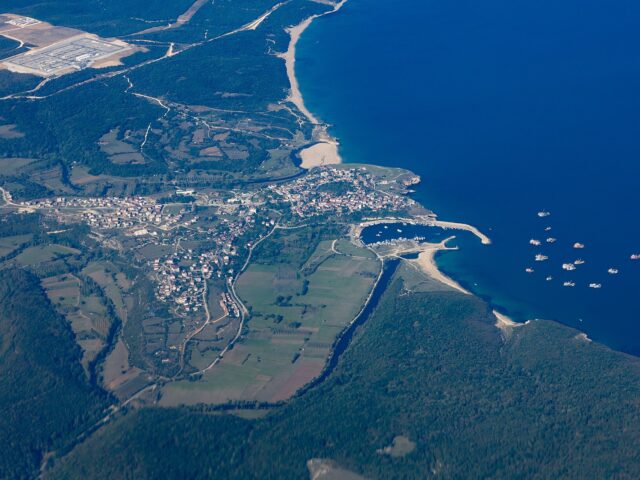
Kıyıköy
Kıyıköy on the Black Sea: Byzantine walls, the rock-cut St…
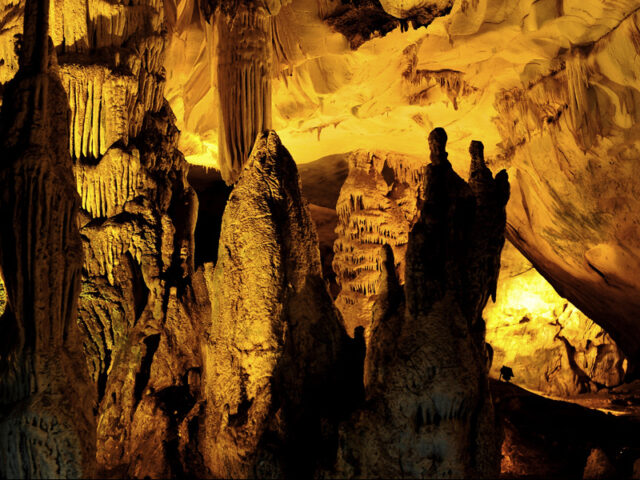
Dupnisa Cave
Dupnisa Cave in the Istranca Mountains: two open caves, an…
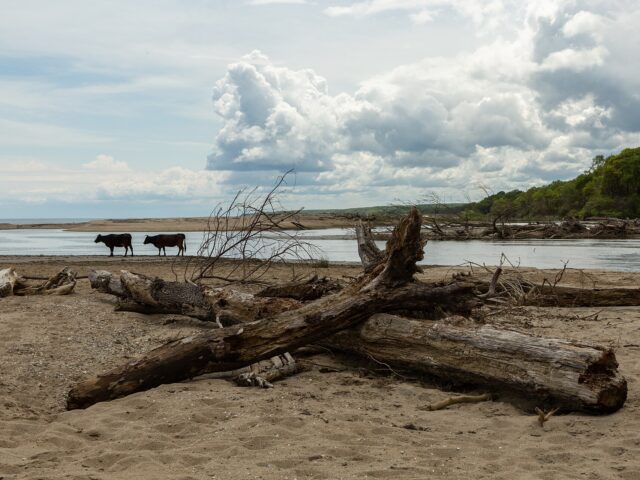
İğneada Floodplain Forests
İğneada Floodplain Forests National Park: flooded longoz woods, five lakes…
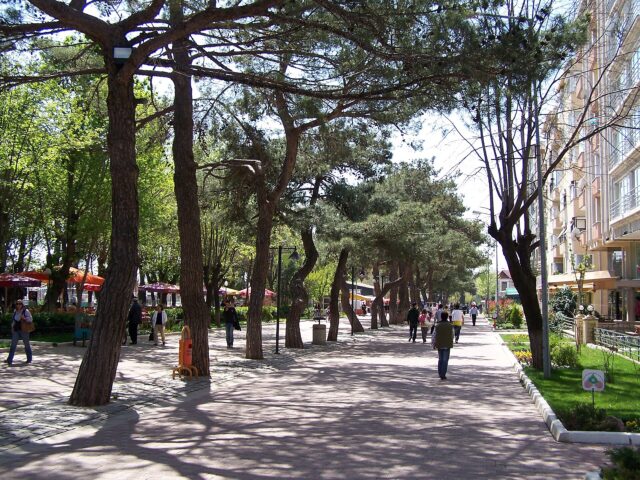
Kırklareli
Kırklareli travel guide: Dupnisa Cave, İğneada floodplain forests, Kıyıköy, Vize…
