
Dupnisa Cave: Underground River in the Istranca Forest
On this page
Key facts: Dupnisa Cave
- What it is: A two-level karst cave system with an underground river, the only show cave in East Thrace.
- Where: Near Sarpdere village, Demirköy district, Kırklareli: about 58 km from the city and 25 km southwest of Demirköy.
- Open: The dry upper cave all year; the wet lower cave closes from 15 November to 15 May for its bats.
What is Dupnisa Cave?
Dupnisa Cave is a cave system in the Istranca (Yıldız) Mountains of Kırklareli province, close to the Bulgarian border. It is made up of three connected caves on two levels. The upper level holds the Dry Cave (Kuru Mağara) and the Girl’s Cave (Kız Mağarası); the Wet Cave (Sulu Mağara) lies 50 to 60 m below, with a permanent underground river running through it.
According to the Kırklareli Provincial Directorate of Culture and Tourism, the system is 2,720 m long. About 200 m of the Dry Cave and 250 m of the Wet Cave are open to visitors; the Girl’s Cave is closed entirely because it shelters the main bat colonies (Kırklareli Culture and Tourism Directorate).
The cave was formed in marble, and the water of the Dry Cave feeds the spring that flows into the Rezve stream, which marks the border between Türkiye and Bulgaria. The name comes from the Bulgarian Dupnitsa, linked to the word for “hole”.
How do you get to Dupnisa Cave?
Dupnisa is about 58 km northeast of Kırklareli city and roughly 230 km from Istanbul. The cave lies about 5.5 km southwest of Sarpdere village and 25 km southwest of Demirköy, deep in the forest. The usual route from Kırklareli is the D.555 towards Dereköy, then regional roads east through the Istranca forest to Sarpdere.
There is no regular public transport to the cave, so you need your own car or a tour. Many visitors combine it with a night in İğneada, on the coast beyond Demirköy, and a walk in the İğneada floodplain forests.
Tours in Anatolia
−5% Istambul readers save 5% on every tour below — applied at checkout.
Partner listings via GetYourGuide · free cancellation on most
When is the best time to visit Dupnisa Cave?
The full visit, including the Wet Cave and its river, is only possible between 15 May and 15 November. Outside that period the Wet Cave is closed to protect hibernating bats, and only the Dry Cave can be visited. Late May, June and September are the best months: the forest around the entrance is green, the access road is dry and there are fewer people than on summer weekends.
The temperature inside stays cool all year, so bring a layer even in August. The paths are wet in places and there are steps between levels; wear shoes with a good grip.
What is the history of Dupnisa Cave?
The cave formed by the erosion of marble, which Wikipedia’s geological summary dates to the Early Jurassic, some 180 million years ago. Local tradition and some writers connect the area with Mount Nysa of Greek myth, where Dionysus was said to have discovered wine; the Bulgarian name for Kırklareli, Lozengrad (“vineyard town”), is sometimes linked to the same story.
In 1913 a small Bulgarian farming settlement called Dupnitsa, with 15 to 20 houses, was recorded just south of today’s border, probably near the cave. Its people moved to Bulgaria after the Second Balkan War.
The 2002 tourism inventory already named Dupnisa as one of Türkiye’s important caves and noted four more caves in the province suitable for tourism. Dupnisa opened as a show cave in the 2000s; sources give both 2003 and 2005. Visitor numbers grew quickly: around 120,000 people came in 2013.
What is Dupnisa Cave famous for?
- The underground river in the Wet Cave, with pools up to about 2 m deep.
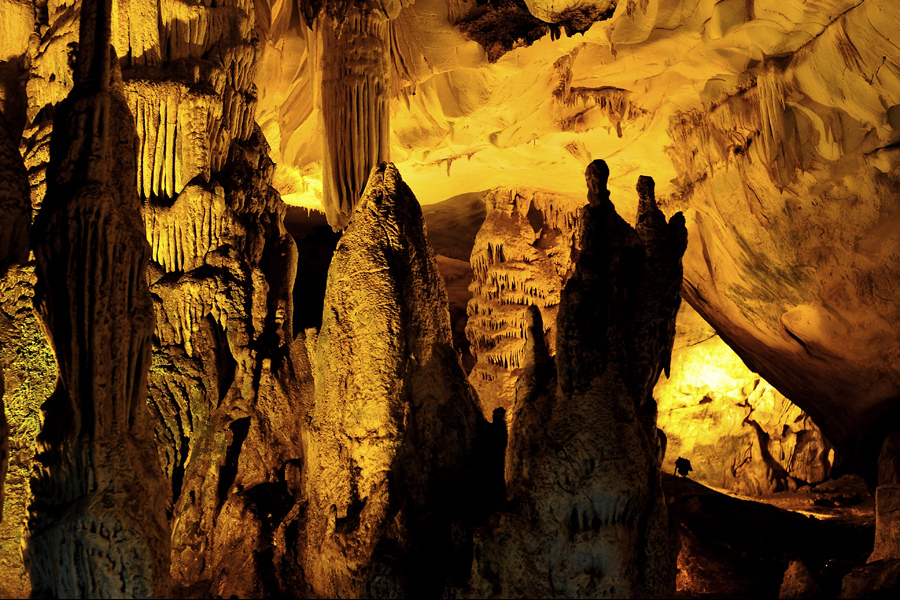
- Dripstones: stalactites, stalagmites and columns in colours from milky white to red and brown, and terraced dripstone pools.
- Bats. The directorate counts about 60,000 bats of 11 species, and 184 species of cave invertebrates.
- Being the only show cave in East Thrace, within reach of Istanbul for a long day or a weekend.
What can you see at Dupnisa Cave?
The Dry Cave (Kuru Mağara). The upper cave, open all year. A walkway leads past stalactites, stalagmites and flowstone; this is where the formations are densest.
The Wet Cave (Sulu Mağara). Lower down, with the stream running beside the path, still pools and columns rising from the water. Only the first 250 m is open; beyond that the cave is reserved for experienced cavers.
The forest walk. The exit is about 61 m higher than the entrance, and the return path through the woods takes around 15 minutes. The directorate notes that the surrounding forest is suitable for day picnics and nature walks.
The Istranca forest. The drive in crosses the forested Istranca range that runs from the Bulgarian border to the Black Sea. The Dereköy forests, west of the cave, are recommended in the 2002 inventory for birdwatching, cycling and horse trekking.



Frequently asked questions about Dupnisa Cave
Is Dupnisa Cave open in winter?
Partly. The Dry Cave is open all year, but the Wet Cave with the underground river is closed from 15 November to 15 May to protect hibernating bats.
How far is Dupnisa Cave from Istanbul?
About 230 km by road. It is about 58 km from Kırklareli city and 25 km from Demirköy.
How much of Dupnisa Cave can you visit?
About 200 m of the Dry Cave and 250 m of the Wet Cave. The Girl’s Cave is closed, and the deeper parts of the Wet Cave are for experienced cavers only.
Can you get to Dupnisa Cave by public transport?
Not easily. There is no regular service to the cave, so use a car or join an organised tour.
Are there bats in Dupnisa Cave?
Yes, about 60,000 of 11 species. The Girl’s Cave, where most of them roost, is closed to visitors.
What do the official records say about Dupnisa Cave?
Dupnisa Cave, about 6 km south of Sarpdere village and some 50 km northeast of Kırklareli, lies on the northwestern slopes of Mahya Dağı (1,031 m), the highest peak of the Istranca (Yıldız) Mountains.
Apart from Dupnisa Cave, one of Türkiye’s important caves, Kırklareli has four more caves suitable for opening to tourism: Kaptanın Mağarası and Kıyıköy Mağarası at Kıyıköy in Vize, and the Domuzdere and Yenesu caves at Balkaya in Vize. (Ministry of Culture and Tourism, Kırklareli Provincial Tourism Inventory, 2002)
Main photo: Ahmet Baris ISITAN, CC BY-SA 3.0, via Wikimedia Commons.
Ready to see Dupnisa Cave?
Hand-picked tours with good reviews and clear prices.
Partner listings via GetYourGuide · free cancellation on most
Before or after: Istanbul
Most trips start or end in Istanbul. Our own experiences there:

 Dinner, sunset and day cruises between Europe and Asia.See cruises bosporuscruise.com

 Historic Turkish baths in the old city — hand-picked hamams, booked direct.Book a hamam istanbulhamam.com

 Istanbul’s tallest viewpoint: both continents from 369 metres.Get tickets camlicatower.com

 Free audio guides in 15 languages, safe routes and local tips — plus 5% off GetYourGuide.Open the free guide localada.com
Nearby
All destinations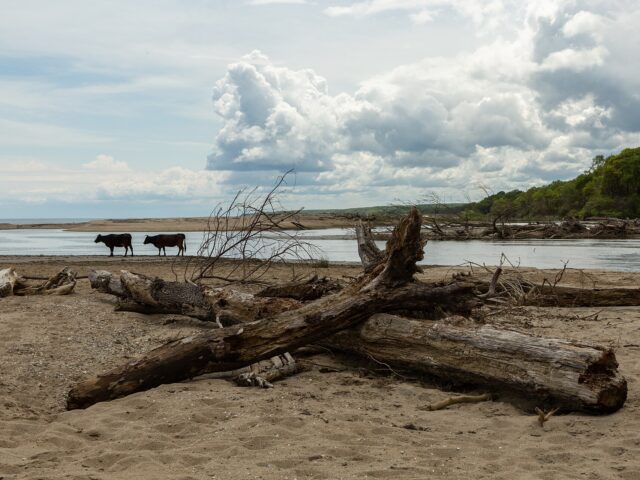
İğneada Floodplain Forests
İğneada Floodplain Forests National Park: flooded longoz woods, five lakes…
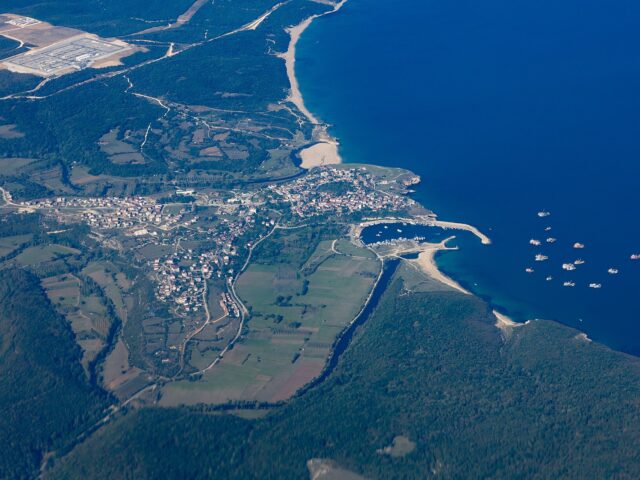
Kıyıköy
Kıyıköy on the Black Sea: Byzantine walls, the rock-cut St…
Vize Hagia Sophia
Vize Hagia Sophia, the Little Hagia Sophia: a 6th-century Byzantine…
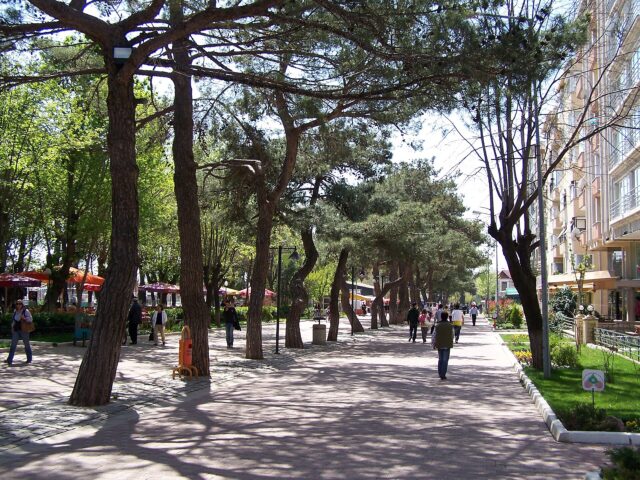
Kırklareli
Kırklareli travel guide: Dupnisa Cave, İğneada floodplain forests, Kıyıköy, Vize…
