
Kıyıköy: Walled Fishing Town on the Black Sea
On this page
Key facts: Kıyıköy
- What it is: A fishing town on the Black Sea coast, identified with ancient Salmydessos, still partly enclosed by Byzantine walls.
- Where: Vize district, Kırklareli: about 95 km from Kırklareli city, 40 km from Vize and roughly 190 km from Istanbul.
- Period: Walls and the rock-cut St Nicholas Monastery from the reign of Justinian I (527–565).
What is Kıyıköy?
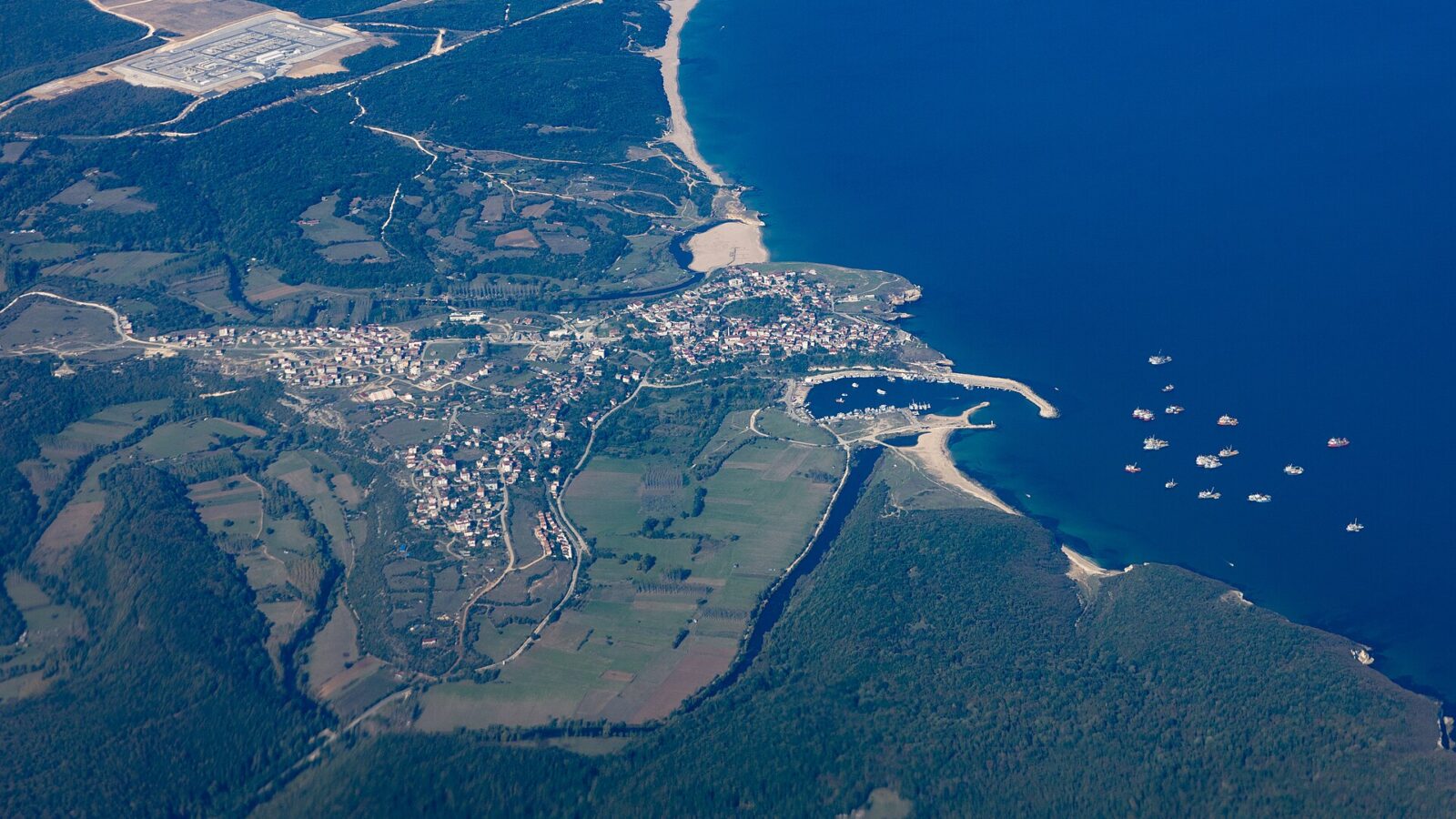
Kıyıköy is a small town on the Black Sea coast of Kırklareli province, built on a rocky headland between two rivers: the Pabuçdere to the north and the Kazandere to the south. Its old quarter sits inside Byzantine walls, a sandy beach runs out from each river mouth, and the hills behind are covered in oak forest.
About 2,000 people live here, and fishing, forestry and tourism are the main sources of income. At weekends and in summer Kıyıköy is a favourite escape for Istanbul residents, who come for the beaches, the fish restaurants and the quiet. Just outside the town, the Monastery of St Nicholas (Aya Nikola) is carved entirely into the rock.
Until 1960 the town was called Midye (Medea in Greek). It was renamed Kıyıkent and later became Kıyıköy, “coastal village”.
How do you get to Kıyıköy?
Kıyıköy is about 95 km from Kırklareli city and about 40 km from Vize, the district centre. From Istanbul it is around 190 km, usually driven via Saray and Vize; the last part of the road runs through forest down to the coast. Public transport is limited, and a car makes it much easier to reach the beaches and Kasatura Bay.
The rock-cut monastery is about 800 m southwest of the town and can be reached on foot. Kasatura Bay Nature Reserve lies 18 km south along the coast, and Kastro beach about 18 km away.
Tours in Anatolia
−5% Istambul readers save 5% on every tour below — applied at checkout.
Partner listings via GetYourGuide · free cancellation on most
When is the best time to visit Kıyıköy?
June to September is beach season, with July and August the busiest months; book accommodation for summer weekends well ahead. May and late September to October are quieter and better for walking the river valleys and the forest. Winter is very calm, and the Black Sea is often rough.
What is the history of Kıyıköy?
Kıyıköy is identified with ancient Salmydessos, the setting in the Greek myth where the Argonauts rescued the blind king Phineus from the Harpies. It was later known in Greek as Medea and in Turkish as Midye.
The town walls were built in the reign of Justinian I; mortar analysis suggests they were repaired in the 9th and 10th centuries. The 2002 inventory dates Kıyıköy Castle to between the 6th and 10th centuries AD. The Monastery of St Nicholas also dates from Justinian’s reign; Metropolitan Matthaios restored it in 1856 and added a wooden annex that no longer exists.
Kıyıköy entered modern history as a border point. After the Russo-Turkish War of 1877–1878 Russian troops occupied it, and after the First Balkan War the Treaty of London (1913) briefly drew the Ottoman frontier from Midye to Enez, the “Midye–Enez line”. Under the 1923 population exchange between Greece and Türkiye, the town’s mostly Greek Orthodox residents left and were replaced by Turkish families from Thessaloniki with seafaring experience.
Since 2020 Kıyıköy has also hosted the landfall terminal of the TurkStream gas pipeline from Russia.
What is Kıyıköy famous for?
- The St Nicholas Monastery, carved into a rock mass, with a holy spring (ayazma) in its lower level.
- Byzantine walls and the Vize Gate, restored by the Ministry of Culture and Tourism in 1991.
- Two rivers and two beaches: the Pabuçdere and Kazandere valleys meet the sea on either side of the headland.
- Fresh fish in harbour restaurants.
- Kasatura Bay, with the only natural black pine grove in Turkish Thrace.
What can you see at Kıyıköy?
The town walls. The fortress surrounds most of the old town, climbing the hillside to the coast between the two rivers. The walls are of cut stone and rubble, up to 2.2 m thick; near the second gate they still stand about 5 m high. The eastern side is completely ruined. The Vize Gate is the main entrance to the old quarter.
St Nicholas Monastery (Aya Nikola). About 800 m southwest of the town, above the Kazandere valley. The church, cells and storerooms are all cut out of the rock. A Greek inscription reading “St Nikolas” is carved above the arched north entrance, and steps lead down to the holy spring.
The Pabuçdere and Kazandere valleys. Both rivers wind through forest to the sea. The Pabuçdere side, north of town, has a long beach and space for camping.
The harbour. Fishing boats come into the small harbour below the town, and restaurants serve the day’s catch.
Kasatura Bay. 18 km south, a protected nature reserve with untouched forest running down to a beach.



Frequently asked questions about Kıyıköy
How far is Kıyıköy from Istanbul?
About 190 km by road, usually via Saray and Vize. It is about 40 km from Vize and 95 km from Kırklareli city.
Is Kıyıköy good for swimming?
Yes. There are sandy beaches at the mouths of both the Pabuçdere and the Kazandere, and Kastro beach and Kasatura Bay further south.
What is the St Nicholas Monastery in Kıyıköy?
A Byzantine monastery carved entirely into the rock about 800 m southwest of town, dating from the reign of Justinian I, with a church, cells and a holy spring.
What was Kıyıköy called before?
Midye in Turkish and Medea in Greek. In antiquity it is identified with Salmydessos. The name was changed in 1960.
Is Kıyıköy busy in summer?
Yes, on weekends in July and August it fills with visitors from Istanbul. Weekdays and the shoulder months are much quieter.
What do the official records say about Kıyıköy?
The Ayanikola holy spring and monastery is in the town of Kıyıköy in Vize district. It was shaped entirely by hollowing out a mass of rock and consists of three parts. There are cells arranged in tiers. From the north side a stairway leads down to the holy spring, and there is a second entrance on the east side of the church. The first part is the large church, the second is the holy spring behind the church, and the third is the two rooms next to the narthex of the church.
Kırklareli has a natural sandy beach of about 50 km. The most important beaches are Kıyıköy, İğneada and Kastros. (Ministry of Culture and Tourism, Kırklareli Provincial Tourism Inventory, 2002)
Main photo: Arne Müseler, CC BY-SA 3.0 de, via Wikimedia Commons.
Ready to see Kıyıköy?
Hand-picked tours with good reviews and clear prices.
Partner listings via GetYourGuide · free cancellation on most
Before or after: Istanbul
Most trips start or end in Istanbul. Our own experiences there:

 Dinner, sunset and day cruises between Europe and Asia.See cruises bosporuscruise.com

 Historic Turkish baths in the old city — hand-picked hamams, booked direct.Book a hamam istanbulhamam.com

 Istanbul’s tallest viewpoint: both continents from 369 metres.Get tickets camlicatower.com

 Free audio guides in 15 languages, safe routes and local tips — plus 5% off GetYourGuide.Open the free guide localada.com
Nearby
All destinationsVize Hagia Sophia
Vize Hagia Sophia, the Little Hagia Sophia: a 6th-century Byzantine…
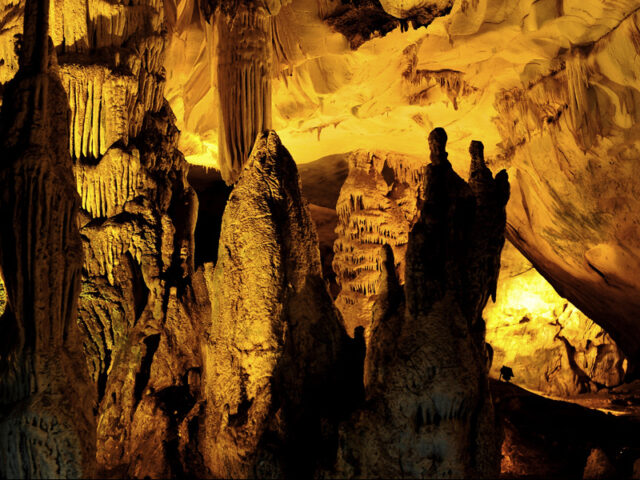
Dupnisa Cave
Dupnisa Cave in the Istranca Mountains: two open caves, an…
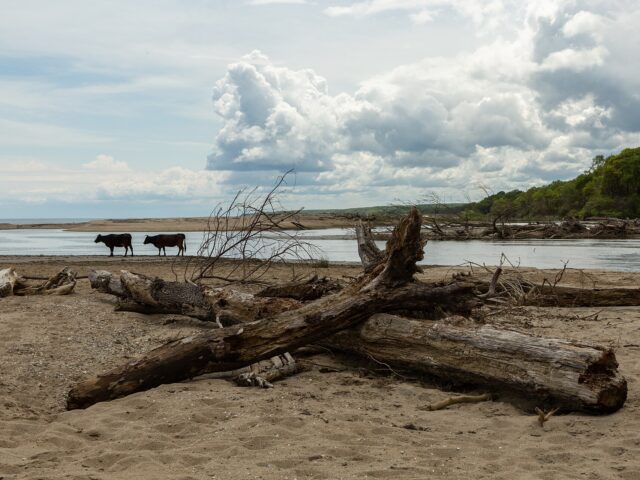
İğneada Floodplain Forests
İğneada Floodplain Forests National Park: flooded longoz woods, five lakes…
Kırklareli
Kırklareli travel guide: Dupnisa Cave, İğneada floodplain forests, Kıyıköy, Vize…
