
Midyat: Stone Mansions and Churches of Tur Abdin
On this page
Key facts: Midyat
- What it is: A district town on the Tur Abdin plateau, long regarded as the capital of Tur Abdin and a centre of Syriac Christian life.
- Where: About 60 km east of Mardin by road, Midyat district, Mardin province.
- UNESCO: Midyat gives its name to “Late Antique and Medieval Churches and Monasteries of Midyat and Surrounding Area (Tur ʿAbdin)”, on the Tentative List since 2021 (UNESCO).
What is Midyat?
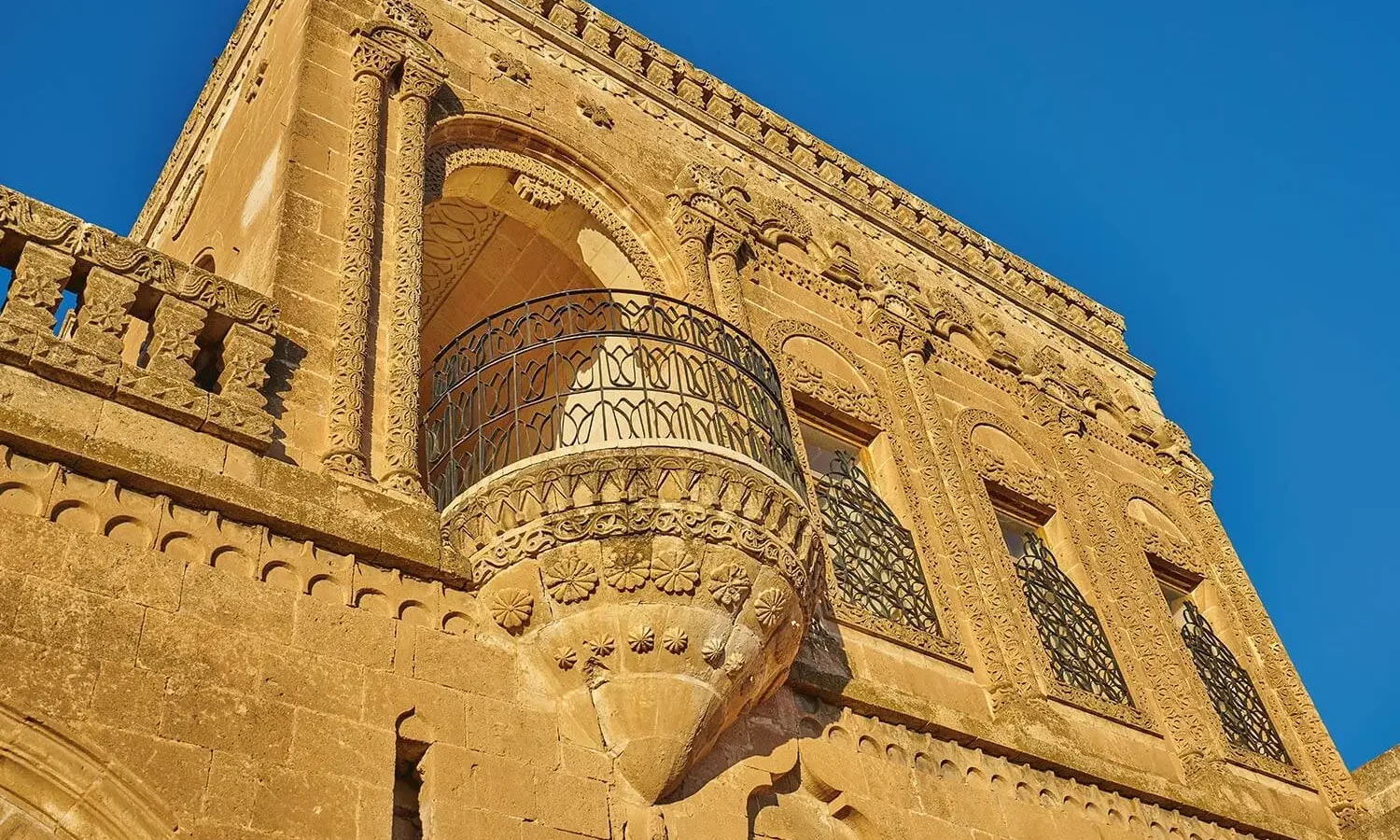
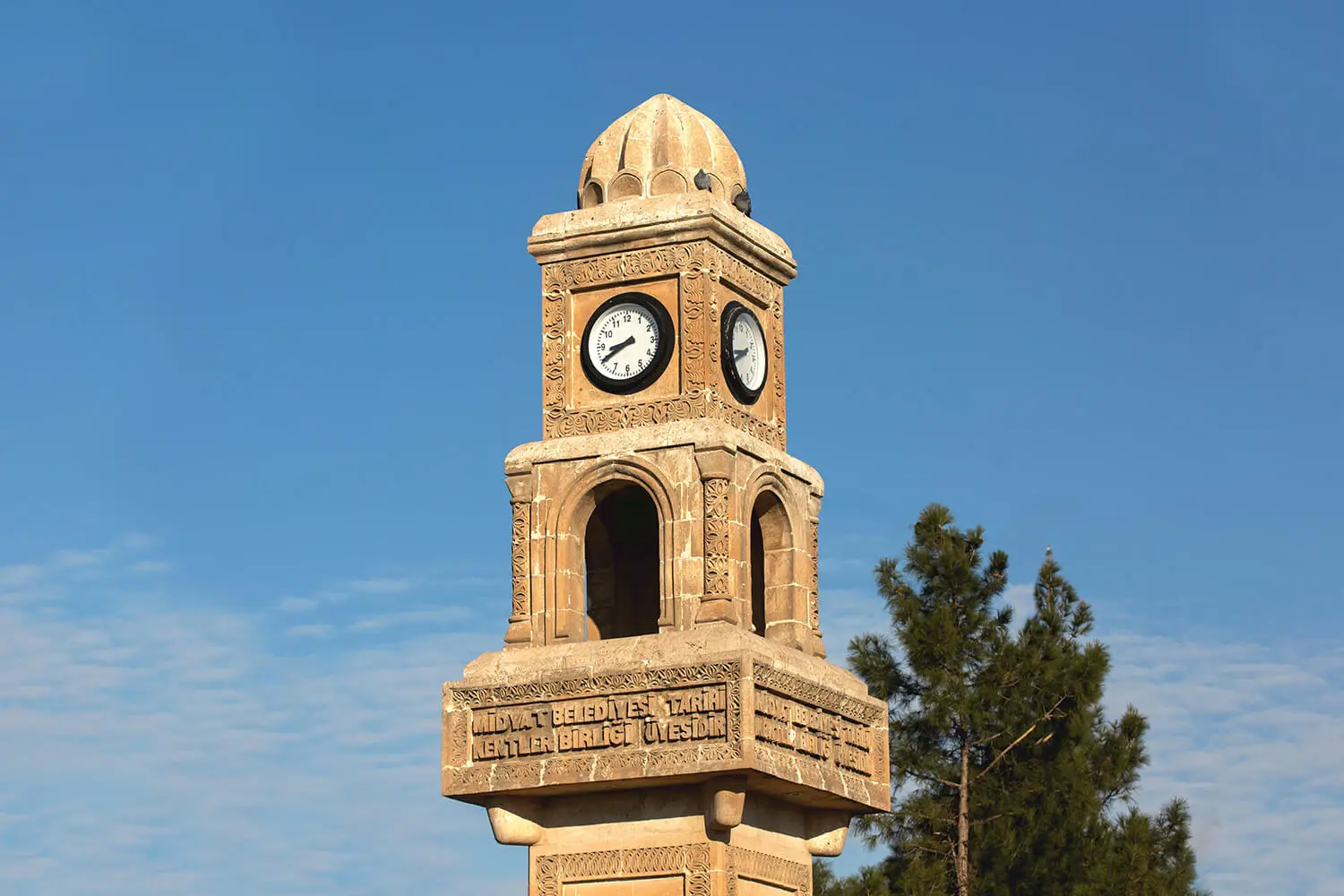
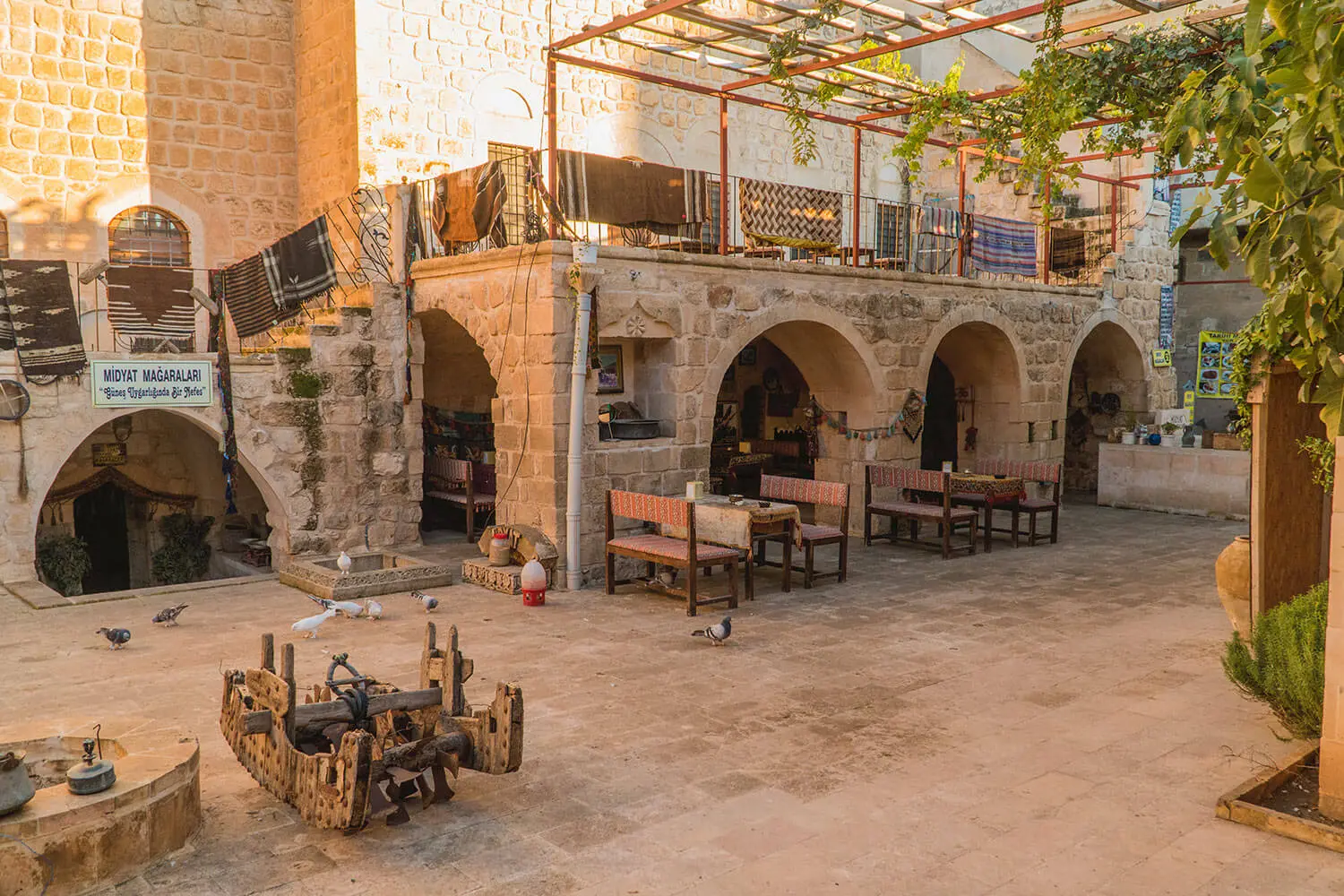
Midyat is a town on the Tur Abdin plateau, east of Mardin, made up of two parts. The old town, Eski Midyat, is a grid of carved limestone mansions, courtyards and church towers; Estel, a short distance away, is the modern administrative centre with the hotels, bus station and shops.
For centuries Midyat has been regarded as the capital of Tur Abdin, the “Mountain of the Servants of God” in Syriac, and the home of one of the oldest Christian communities in the world. Several Syriac Orthodox churches still stand in the old town, and the monastery of Mor Gabriel is a short drive away.
Midyat is also known across Türkiye from television: its mansions, particularly the Midyat Guesthouse, have been filming locations for series such as Sıla and Hercai.
How do you get to Midyat?
Midyat is about 60 km east of Mardin, roughly an hour by road. Minibuses leave from Mardin’s bus station when full and run frequently through the day; ask the driver for “Eski Midyat” (the old town), since many drop passengers in Estel. There are also coach services from Diyarbakır, Batman and further afield.
The nearest airports are Mardin Prof. Dr. Aziz Sancar Airport, south of Mardin, and Batman Airport to the north. Mor Gabriel Monastery is about 23 km southeast of Midyat.
Book a Midyat tour
−5% Istambul readers save 5% on every tour below — applied at checkout.
Partner listings via GetYourGuide · free cancellation on most
When is the best time to visit Midyat?
April–May and late September–October bring mild days for walking the old town. Summer afternoons are hot and the stone streets reflect the heat, so plan the old town for the morning. Midyat works well as a day trip from Mardin combined with Mor Gabriel, or as an overnight stop for those continuing through Tur Abdin.
What is the history of Midyat?
Midyat has been a centre of Tur Abdin since late antiquity. The plateau around it is dotted with churches and monasteries; UNESCO’s Tentative List entry notes around 80 villages, about 100 churches and 70 monasteries across the Tur Abdin landscape.
Its best-known mansion, the Midyat Guesthouse, was built in 1850 by the Shabo family at the highest point of the old town. Through the 20th century much of the Syriac population emigrated and many houses stood empty; in recent years a number have been restored as museums, guesthouses and shops.
The 2002 inventory notes the craft traditions that grew up here: telkari silver filigree, which it describes as found only in central Mardin and Midyat, and pottery made from the region’s red clay.
What is Midyat famous for?
- Carved stone mansions with arched courtyards, terraces and elaborate window frames.
- Syriac churches. Bell towers rise above the old town, including Mor Barsawmo, and the Mor Hobil-Mor Abrohom monastery lies just outside.
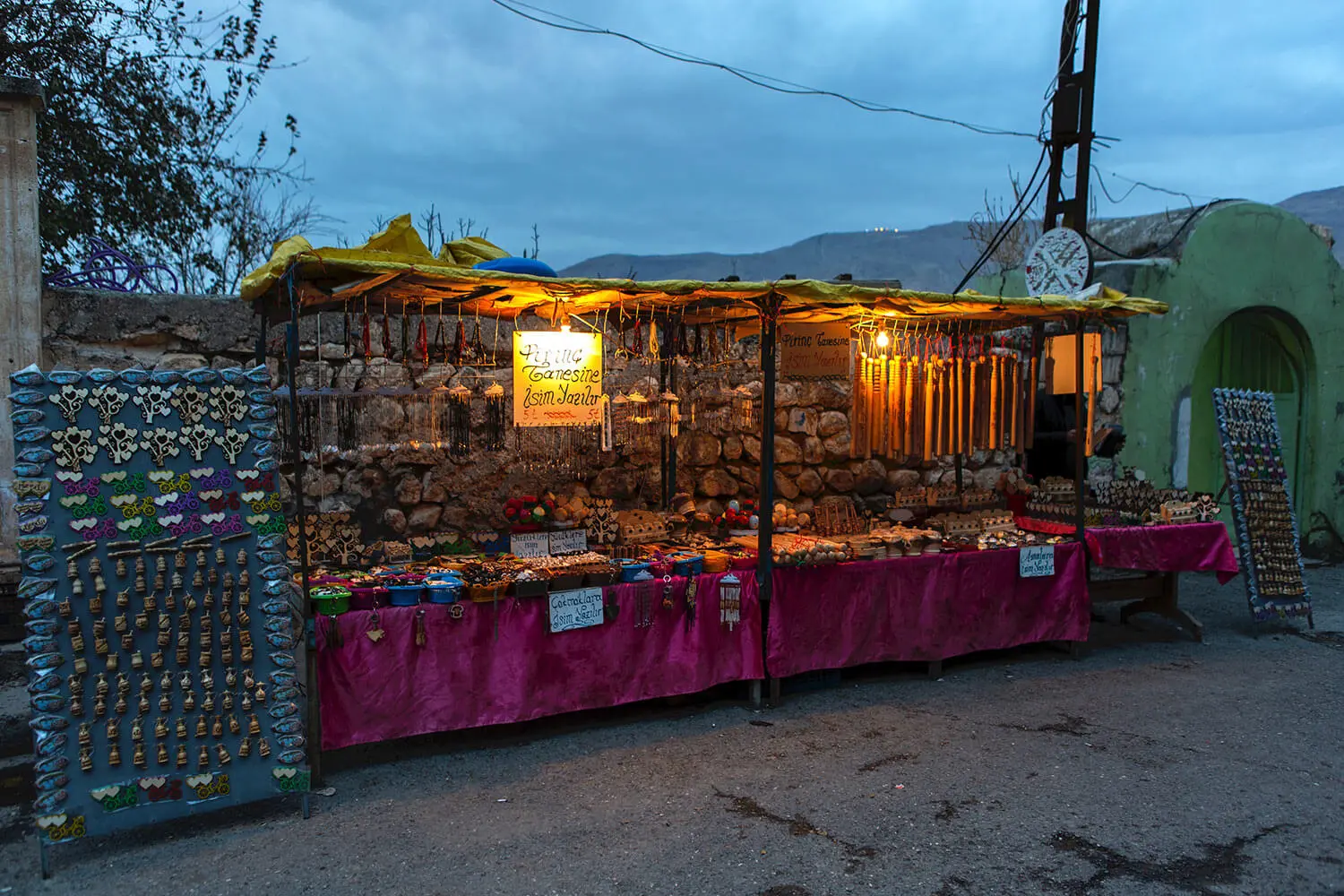
- Telkari. Silversmiths in the old bazaar still make filigree jewellery and ornaments.
- Syriac wine, made by local families from Tur Abdin grapes.
What can you see at Midyat?
Midyat Guesthouse (Konukevi). A three-storey mansion at the highest point of the old town, bought by the district governorship and restored. Its ground floor is a room cut from the bedrock, its upper floors have terraces, and the roof looks over the whole of Midyat (Mardin Culture and Tourism Directorate). It also houses the Midyat Telkari Museum.
Estel Han (Midyat City Museum). A three-storey han with a U-shaped plan around a single courtyard, its basement carved into the rock. Midyat Municipality restored it in 2021 as a city museum on local culture (Mardin Culture and Tourism Directorate).
The churches. Mor Barsawmo and the other Syriac churches of the old town; access depends on whether a caretaker is present, so ask locally. The Mor Hobil-Mor Abrohom monastery, about 1 km out of town, is the largest.
The old streets and bazaar. Telkari workshops and shops selling Syriac wine are found along the main street of the old town. The provincial directorate also lists the Matiate underground settlement in Estel and the Culture House among Midyat’s sights.
Hah (Anıtlı). In the village of Anıtlı, northeast of Midyat, the church of the Virgin Mary (Yoldath Aloho) and the church of Mor Sobo are both part of the UNESCO Tentative List nomination.



Frequently asked questions about Midyat
How far is Midyat from Mardin?
About 60 km east, roughly an hour by road. Minibuses run frequently from Mardin bus station.
What is the difference between Midyat and Estel?
Eski Midyat is the historic stone town with the mansions and churches; Estel is the modern centre with hotels, shops and the bus station.
Is Midyat worth a day trip?
Yes. Combine the old town, the Midyat Guesthouse and the telkari bazaar with Mor Gabriel Monastery, 23 km away.
What is Midyat known for?
Carved limestone mansions, Syriac churches, telkari silver filigree and Syriac wine. It also appears in several Turkish TV series.
Can you stay overnight in Midyat?
Yes. There are hotels in Estel and a few guesthouses in restored mansions in the old town.
What do the official records say about Midyat?
Telkari is an art of decoration made by inlaying and embedding silver or gold, drawn into wire, into grooves cut in wood. The gold and silver wire is worked loop by loop with the delicacy of canvas embroidery and turned into ornaments and jewellery. This fine handicraft is particular to central Mardin and the district of Midyat, and it cannot be seen anywhere else.
Jug-making and pottery (cups, pots, storage jars, flowerpots and similar products) are crafts that have continued in the central and Midyat districts since very early times. The suitability of the region’s red soil for making storage jars is the main reason these crafts developed here. The use of jugs and jars in the domed ceilings of houses also played an important part in the development of an architectural style particular to Mardin. (Ministry of Culture and Tourism, Mardin Provincial Tourism Inventory, 2002)
Ready to see Midyat?
Hand-picked tours with good reviews and clear prices.
Partner listings via GetYourGuide · free cancellation on most
Before or after: Istanbul
Most trips start or end in Istanbul. Our own experiences there:

 Dinner, sunset and day cruises between Europe and Asia.See cruises bosporuscruise.com

 Historic Turkish baths in the old city — hand-picked hamams, booked direct.Book a hamam istanbulhamam.com

 Istanbul’s tallest viewpoint: both continents from 369 metres.Get tickets camlicatower.com

 Free audio guides in 15 languages, safe routes and local tips — plus 5% off GetYourGuide.Open the free guide localada.com
Nearby
All destinations
Deyrulzafaran Monastery
Deyrulzafaran (Mor Hananyo), seat of the Syriac Orthodox patriarchs from…
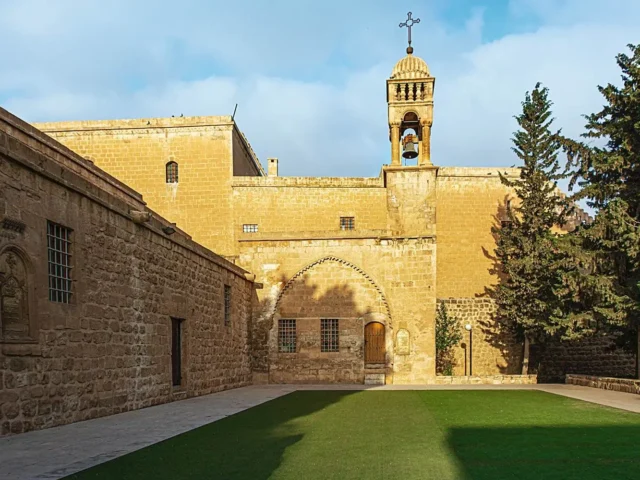
Mor Behnam (Kırklar) Church
Mor Behnam, Mardin's Kırklar Church: the 6th-century Syriac Orthodox church…
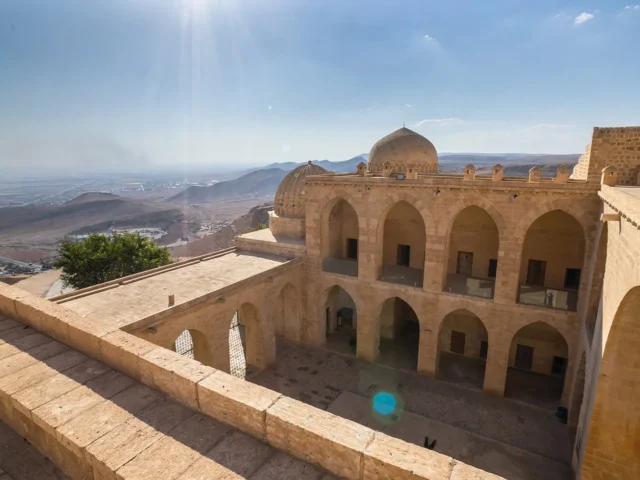
Kasımiye Madrasa
Kasımiye Madrasa in Mardin: the Artuqid-Akkoyunlu college with its courtyard…

Mor Gabriel Monastery
Mor Gabriel (Deyrulumur), the Syriac monastery near Midyat founded in…
