
Kaman-Kalehöyük: Bronze Age Mound and Japanese Garden
On this page
- What is Kaman-Kalehöyük?
- How do you get to Kaman-Kalehöyük?
- When is the best time to visit Kaman-Kalehöyük?
- What is the history of Kaman-Kalehöyük?
- What is Kaman-Kalehöyük famous for?
- What can you see at Kaman-Kalehöyük?
- Frequently asked questions about Kaman-Kalehöyük
- What do the official records say about Kaman-Kalehöyük?
Key facts: Kaman-Kalehöyük
- What it is: An archaeological mound with layers from the Early Bronze Age to the Ottoman period, and an archaeological museum with a Japanese garden.
- Where: 6 km east of Kaman, about 100 km southeast of Ankara, Kırşehir province; the museum is about 2 km south of the mound.
- Period: Excavated since 1986 with the Japanese Institute of Anatolian Archaeology; museum opened 2010.
What is Kaman-Kalehöyük?
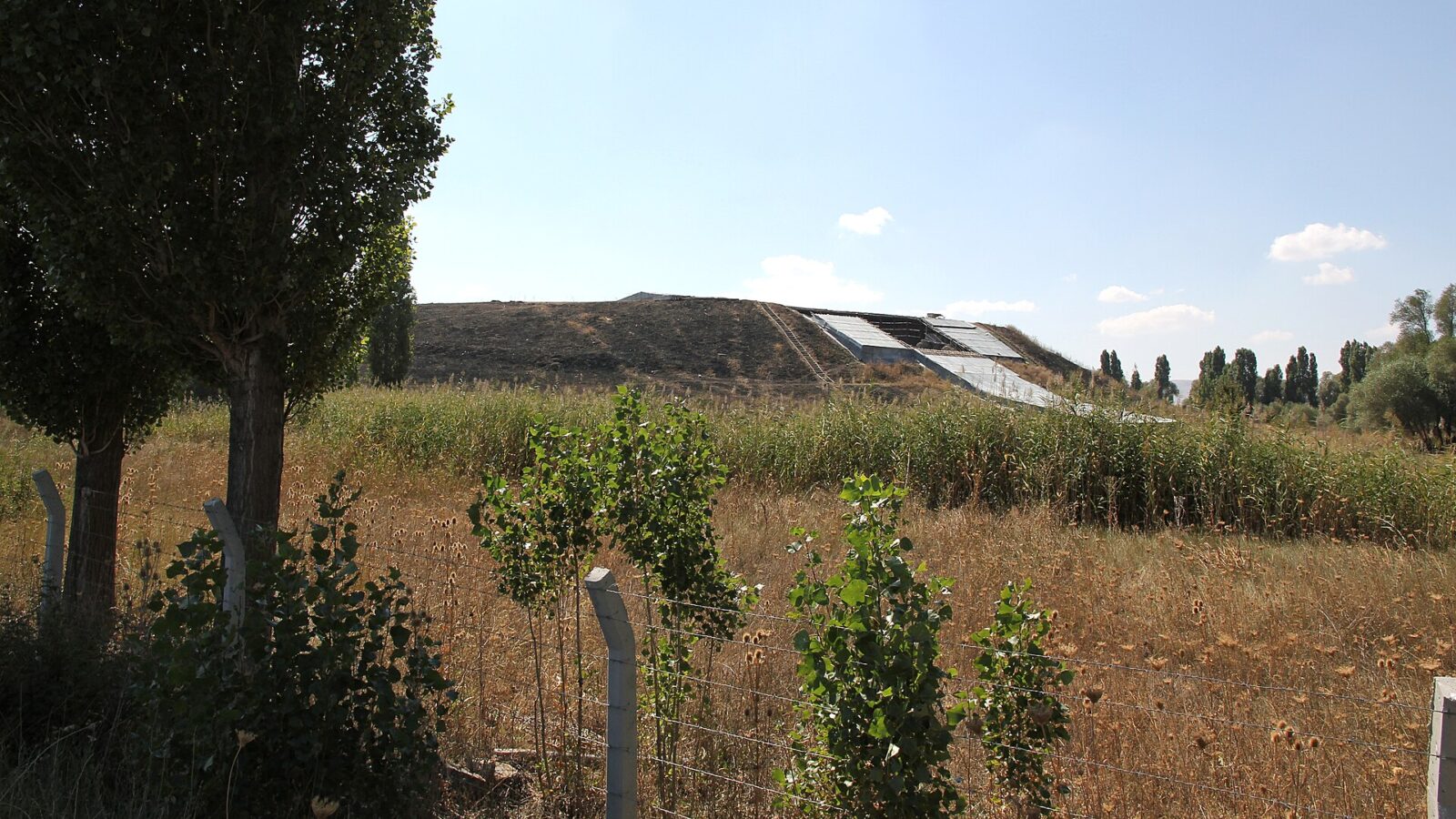
Kaman-Kalehöyük is a large settlement mound on the steppe east of Kaman, in the west of Kırşehir province. For more than four thousand years people built, abandoned and rebuilt on the same spot, and the result is a hill made of their towns, one layer on top of the next. Since 1986 a Japanese team has excavated it, and in 2010 a museum opened nearby to show what they found.
The museum is the main reason most visitors come. Built with Japanese government funding and set in a Japanese-style garden, it is one of the best small archaeological museums in Central Anatolia, and an unexpected sight on a road better known for wheat fields.
How do you get to Kaman-Kalehöyük?
Kaman lies on the main road between Ankara and Kırşehir, and the site is 6 km east of the town. The museum is about 2 km south of the mound. A car or taxi from Kaman is the practical way to reach both; intercity buses between Ankara and Kırşehir stop in Kaman.
From Kırşehir city, Kaman is to the west along the same road, so the visit fits easily into a drive between Ankara and Kırşehir or Cappadocia.
Tours in Anatolia
−5% Istambul readers save 5% on every tour below — applied at checkout.
Partner listings via GetYourGuide · free cancellation on most
When is the best time to visit Kaman-Kalehöyük?
Spring and early summer are the best: the Japanese garden is at its greenest and the steppe around it is still green. Autumn is also pleasant, and early October brings Kaman’s walnut festival. Winters are cold and the garden is bare, but the museum itself is a good indoor visit in any season. Check opening days before going, as Turkish state museums often close one day a week.
What is the history of Kaman-Kalehöyük?
Excavations began in 1986 under Sachihiro Omura and are carried out with the Japanese Institute of Anatolian Archaeology and the Middle Eastern Culture Center in Japan. The team divides the mound into four main layers.
The lowest, Bronze Age layers (IV–III) cover the pre-Hittite Early Bronze Age, the period of the Assyrian trading colonies (around the 20th–17th centuries BC), the Old Hittite kingdom (17th–15th centuries BC) and the Hittite Empire (15th–12th centuries BC). Above them, the Iron Age layer (II) includes the “dark age” after the fall of the Hittites and the Phrygian, Lydian, Achaemenid Persian and Hellenistic periods, with Scythian-style brooches and arrowheads among the finds. The top layer (I) belongs to the Byzantine and Ottoman periods.
The site is best known in archaeology for its iron. Fragments found in 1994, dating from around 1800 BC, were analysed in 2005 and some proved to be carbon steel, described as among the earliest known evidence of steel-making. A 2023 study confirmed this and found that the carbon content varied between pieces, suggesting that smiths here were experimenting with smelting.
The Kaman-Kalehöyük Archaeological Museum opened in 2010, funded by a Japanese government grant under a cultural heritage preservation programme. It covers 1,500 m², won a “best green museum” award in 2011 and was nominated for European Museum of the Year in 2012.
What is Kaman-Kalehöyük famous for?
- Early steel. Iron finds from around 1800 BC that include some of the earliest known carbon steel.
- A complete sequence. More than four millennia of occupation, from the Early Bronze Age to the Ottomans, on one mound.
- Japanese partnership. Decades of excavation by a Japanese team, and a museum and garden built with Japanese support.
- The garden. The museum grounds are landscaped to recall an excavated mound and include a large botanical garden in Japanese style.
What can you see at Kaman-Kalehöyük?
The museum. The galleries present finds from the mound’s layers, from the Bronze Age and the Assyrian trading-colony period through the Hittite and Iron Age levels to Byzantine and Ottoman times, and explain how the excavation has been carried out.
The Japanese garden. The museum grounds are landscaped to recall an excavated mound and include a large botanical garden in Japanese style; on a fine day it deserves as much time as the galleries.
The mound. 2 km north of the museum, the mound rises from the plain. Visits to the excavation area itself may be restricted, so ask at the museum before walking up.
Nearby sites. The Kırşehir directorate also lists excavations at Büklükale and Yassıhöyük in the province. The inventory mentions Çağırkan Kale Höyük, 9 km from Kaman on the Kırşehir road, inhabited from 3000 BC to the Islamic period, and Kuş Kalesi near Kaman, thought to be a Hittite foundation used until the end of Byzantine rule.



Frequently asked questions about Kaman-Kalehöyük
Where is Kaman-Kalehöyük?
6 km east of Kaman in Kırşehir province, about 100 km southeast of Ankara. The museum is about 2 km south of the mound.
Who excavates Kaman-Kalehöyük?
A Japanese team working with the Japanese Institute of Anatolian Archaeology, which has excavated the site since 1986.
When did the Kaman-Kalehöyük museum open?
In 2010, with funding from the Japanese government. It was nominated for European Museum of the Year in 2012.
Why is Kaman-Kalehöyük important?
It has an unbroken sequence from the Early Bronze Age to the Ottomans, and iron finds from around 1800 BC that include some of the earliest known steel.
Is there a Japanese garden at Kaman?
Yes. The museum grounds include a large garden laid out in Japanese style.
What do the official records say about Kaman-Kalehöyük?
The 2002 inventory, written before the museum opened, describes the archaeology around Kaman through its neighbours. Çağırkan Kale Höyük lies in the town of Çağırkan, on the Kırşehir–Kaman road, 9 km from the Kaman district centre; it was inhabited from 3000 BC until the Islamic period. Kuş Kalesi, near Kaman, is thought to have been built in the Hittite period and used until the end of the Byzantine period.
Research carried out in and around Kırşehir shows that the history of the province goes back to the Early Bronze Age (3000–2000 BC). Later, Hittites, Phrygians, Persians, Macedonians, Romans, Byzantines, Seljuks and Ottomans ruled the region. (Ministry of Culture and Tourism, Kırşehir Provincial Tourism Inventory, 2002)
Main photo: Ingeborg Simon, CC BY-SA 3.0, via Wikimedia Commons.
Ready to see Kaman-Kalehöyük?
Hand-picked tours with good reviews and clear prices.
Partner listings via GetYourGuide · free cancellation on most
Before or after: Istanbul
Most trips start or end in Istanbul. Our own experiences there:

 Dinner, sunset and day cruises between Europe and Asia.See cruises bosporuscruise.com

 Historic Turkish baths in the old city — hand-picked hamams, booked direct.Book a hamam istanbulhamam.com

 Istanbul’s tallest viewpoint: both continents from 369 metres.Get tickets camlicatower.com

 Free audio guides in 15 languages, safe routes and local tips — plus 5% off GetYourGuide.Open the free guide localada.com
Nearby
All destinationsAhi Evran Mosque and Tomb
Ahi Evran Mosque and Tomb in Kırşehir: the grave of…
Cacabey Madrasa
Cacabey Madrasa in Kırşehir: the 1272 Seljuk school of astronomy…
Seyfe Lake
Seyfe Lake in Kırşehir: a shallow salt lake and Ramsar…
Kırşehir
Kırşehir travel guide: Cacabey Madrasa, Ahi Evran’s tomb, the Kaman-Kalehöyük…
