
Cacabey Madrasa: Kırşehir’s Seljuk School of Astronomy
On this page
- What is Cacabey Madrasa?
- How do you get to Cacabey Madrasa?
- When is the best time to visit Cacabey Madrasa?
- What is the history of Cacabey Madrasa?
- What is Cacabey Madrasa famous for?
- What can you see at Cacabey Madrasa?
- Common misconceptions about Cacabey Madrasa
- Frequently asked questions about Cacabey Madrasa
- What do the official records say about Cacabey Madrasa?
Key facts: Cacabey Madrasa
- What it is: A Seljuk madrasa of 1272 that taught mathematics, science and astronomy, with an observation well and a 21-metre tower; now used as a mosque.
- Where: Kırşehir city centre, Kırşehir province.
- UNESCO Tentative List: Added to Türkiye’s Tentative List in 2014, according to the Kırşehir Culture and Tourism Directorate; not an inscribed World Heritage Site.
What is Cacabey Madrasa?
The Cacabey Madrasa (Cacabey Medresesi) is a 13th-century Seljuk college in the centre of Kırşehir, built in 1272 as a school of mathematics, science and astronomy. It is one of the few medieval madrasas in Anatolia that can be linked directly to the study of the sky: its courtyard has an observation well beneath a lantern in the dome, and a tall brick tower stands beside it.
The building was later turned into a mosque and is still used for prayer. Locals also call it the “Cıncıklı Cami”, after the pink-glazed tiles on its tower. The provincial culture and tourism directorate describes it as one of the first, and perhaps the most important, centres of astronomy teaching.
How do you get to Cacabey Madrasa?
The madrasa is in the centre of Kırşehir and easy to reach on foot from the main square and the city’s hotels. The Ahi Evran Mosque and Tomb and the Melik Gazi tomb are a short walk away.
Kırşehir is reached by intercity bus from Ankara, Nevşehir and Kayseri. The nearest airport is Nevşehir Kapadokya, with Ankara Esenboğa as the main alternative.
Tours in Anatolia
−5% Istambul readers save 5% on every tour below — applied at checkout.
Partner listings via GetYourGuide · free cancellation on most
When is the best time to visit Cacabey Madrasa?
Any time of year, avoiding the five daily prayer times and especially Friday midday prayers, when the building is full. Spring and autumn are the most comfortable seasons for walking the city. Visit in daylight to see the light falling through the lantern above the observation well.
What is the history of Cacabey Madrasa?
The madrasa was built in 1272, in the reign of the Anatolian Seljuk sultan Gıyaseddin Keyhüsrev III, by Nureddin Cibril bin Caca Bey, governor of Kırşehir. The 2002 inventory gives its date as 1271–1272.
The inventory states that in the Seljuk period the building served as an astronomy college and that its separate minaret was used as an observation tower. The provincial directorate adds that Caca Bey, son of Emir Bahaeddin Caca of the Ceceli tribe, served as governor of Kırşehir, died fighting Byzantine forces in 1301 and was buried in the tomb beside the madrasa.
The 13th century was the high point of Seljuk science in Anatolia, and the madrasa was founded at the same period as the Ahi brotherhood in Kırşehir. Later, as the teaching of astronomy faded, the building was converted to a mosque, which is how it survives today.
What is Cacabey Madrasa famous for?
- Astronomy. A rare medieval madrasa designed with an observation well and an observation tower.
- The portal. A two-coloured crown portal that the directorate counts among the finest decorative works of the Anatolian Seljuks.
- Symbolism. Motifs and columns that have been read as representations of the sun, the moon, the planets and the equator, though these interpretations are debated.
- The tiles. Pink-glazed tiles on the tower that gave the building its local nickname, Cıncıklı Cami.
What can you see at Cacabey Madrasa?
The crown portal. The portal is built of stone in two colours. The directorate notes that its motifs have been interpreted as the sun, the moon and the lines of the equator, an interpretation that is still discussed.
The observation well. In the courtyard is a well (rasat kuyusu) with a light lantern above it, an opening in the dome through which the sky could be observed. Around it are eight student rooms.
The columns. The directorate records that three columns shaped like rockets are believed to depict a launch and that the inner columns are said to symbolise the planets. Treat these as local readings rather than settled facts; they are part of the story the building tells.
The observation tower. On the southwest façade is a 21-metre brick tower, built 22 cm apart from the main building, which served as an observation tower. Look for the remains of glazed tiles on its shaft.
Caca Bey’s tomb. Beside the madrasa is the tomb of its founder.
Common misconceptions about Cacabey Madrasa
Is the tower a minaret?
What people often assume: The tall brick tower beside the building is simply the minaret of the mosque.
What the record says: The 2002 inventory notes that the separate minaret was used as an observation tower, and the provincial directorate calls it the observation tower (gözlem kulesi), built slightly apart from the madrasa. It was part of the astronomy school before the building became a mosque (Kırşehir Culture and Tourism Directorate).



Frequently asked questions about Cacabey Madrasa
When was the Cacabey Madrasa built?
In 1272, under the Seljuk sultan Gıyaseddin Keyhüsrev III, by Nureddin Cibril bin Caca Bey, governor of Kırşehir.
Was the Cacabey Madrasa an observatory?
It was a madrasa that taught astronomy, mathematics and science. It has an observation well under a lantern and a 21-metre observation tower.
Is the Cacabey Madrasa a UNESCO site?
No. The provincial culture directorate says it was added to Türkiye’s UNESCO Tentative List in 2014, but it has not been inscribed.
Can you visit the Cacabey Madrasa?
Yes. It is used as a mosque, so dress modestly, remove your shoes and avoid prayer times.
Why is it called Cıncıklı Cami?
Locals named it after the pink-glazed tiles on its tower.
What do the official records say about Cacabey Madrasa?
The madrasa, in the city centre, was built in 1271–1272 and is used today as a mosque. In the Seljuk period it served as a school of astronomy. Its minaret, separate from the building, was also used as an observation tower. (Ministry of Culture and Tourism, Kırşehir Provincial Tourism Inventory, 2002)
Ready to see Cacabey Madrasa?
Hand-picked tours with good reviews and clear prices.
Partner listings via GetYourGuide · free cancellation on most
Before or after: Istanbul
Most trips start or end in Istanbul. Our own experiences there:

 Dinner, sunset and day cruises between Europe and Asia.See cruises bosporuscruise.com

 Historic Turkish baths in the old city — hand-picked hamams, booked direct.Book a hamam istanbulhamam.com

 Istanbul’s tallest viewpoint: both continents from 369 metres.Get tickets camlicatower.com

 Free audio guides in 15 languages, safe routes and local tips — plus 5% off GetYourGuide.Open the free guide localada.com
Nearby
All destinationsAhi Evran Mosque and Tomb
Ahi Evran Mosque and Tomb in Kırşehir: the grave of…
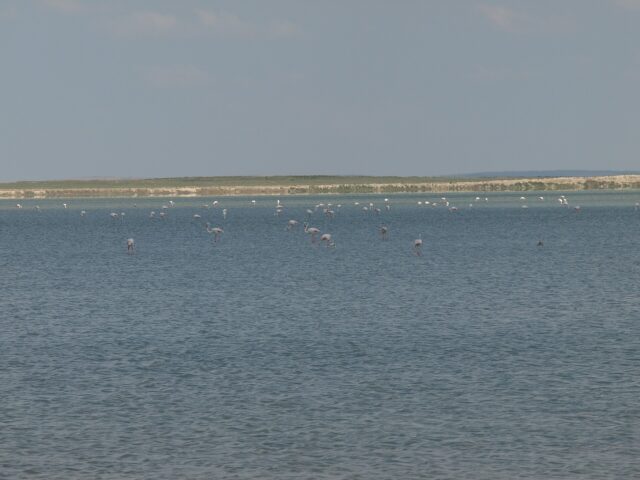
Seyfe Lake
Seyfe Lake in Kırşehir: a shallow salt lake and Ramsar…
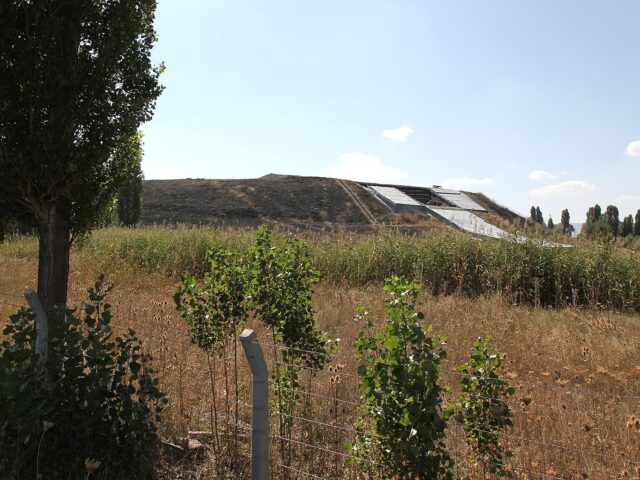
Kaman-Kalehöyük
Kaman-Kalehöyük in Kırşehir: the mound excavated by a Japanese team…
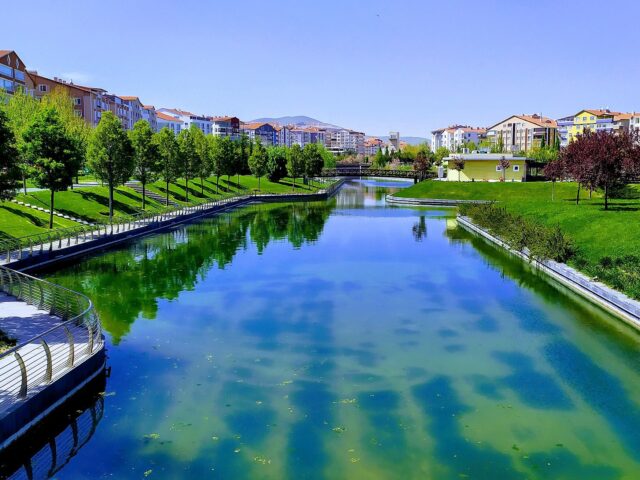
Kırşehir
Kırşehir travel guide: Cacabey Madrasa, Ahi Evran’s tomb, the Kaman-Kalehöyük…
