
Haydar Sultan Complex: Shrine and Well Near Keskin
On this page
- What is Haydar Sultan Complex?
- How do you get to Haydar Sultan Complex?
- When is the best time to visit Haydar Sultan Complex?
- What is the history of Haydar Sultan Complex?
- What is Haydar Sultan Complex famous for?
- What can you see at Haydar Sultan Complex?
- Frequently asked questions about Haydar Sultan Complex
- What do the official records say about Haydar Sultan Complex?
Key facts: Haydar Sultan Complex
- What it is: A dervish complex (külliye) with a mosque, tomb, graveyard, fountain and the sulphurous “Deliler Kuyusu” well.
- Where: Haydar Sultan village, at the foot of the Böyrek Mountains, 22 km from Keskin, Kırıkkale province.
- Period: Built over a possible Late Roman or Early Byzantine monastery; associated by tradition with Haydar, son of Ahmed Yesevi.
What is Haydar Sultan Complex?
The Haydar Sultan Complex is a shrine in the village of the same name in Keskin district, in the east of Kırıkkale province. It stands about 500 m from the village, on the lower slopes of the Böyrek Mountains, and consists of a mosque, a tomb, a graveyard, a fountain and a well. Pilgrims come to visit the tomb and to see the well, known as the Deliler Kuyusu, the “well of the mad”, whose cold water appears to boil.
The 2002 inventory notes that the complex lost much of its original character in later repairs, and that what survives from the old buildings is the well and two inscriptions. The interest of the site lies as much in its story as in its architecture.
How do you get to Haydar Sultan Complex?
Haydar Sultan village lies 22 km from the town of Keskin, according to the 2002 inventory. Keskin is east of Kırıkkale city; drive from Kırıkkale to Keskin and continue on local roads to the village. There is no public transport intended for visitors, so a car or taxi is the realistic option.
Kırıkkale is about 80 km east of Ankara, with a high-speed train station. A visit to Haydar Sultan fits into a day with the Ceritkale rock tombs, also in Keskin district.
Tours in Anatolia
−5% Istambul readers save 5% on every tour below — applied at checkout.
Partner listings via GetYourGuide · free cancellation on most
When is the best time to visit Haydar Sultan Complex?
Late spring and early autumn are best: mild days, clear air and green or golden hills under the Böyrek Mountains. Winters are cold and the upland roads can be snowy. Weekends and religious holidays bring more pilgrims. The Keskin culture and arts festival, listed for September in the 2002 inventory, is a lively time to be in the district.
What is the history of Haydar Sultan Complex?
The 2002 inventory states that the Haydar Sultan complex was built over a probable monastery that existed in the Late Roman or Early Byzantine period. Repairs over the centuries have altered it, and only the wells known as the Deliler Kuyusu and two inscriptions survive from the original complex.
The well and the tomb in Haydar Dede village have their own history and a legend told about them. According to this tradition, what is told and written about Haydar Sultan and the well strengthens the idea that Haydar, son of the great Turkish mystic and saint Hoca Ahmed Yesevi, was influential in the Islamisation and Turkification of the Kırıkkale–Keskin region. The inventory considers it a strong possibility that the tomb here is his.
Ahmed Yesevi, the 12th-century Sufi of Turkestan, is regarded as the spiritual ancestor of many dervishes who came to Anatolia, and several tombs in Central Anatolia are linked by tradition to his family or followers. As with most of these, the identification of Haydar Sultan rests on tradition rather than on documents.
What is Haydar Sultan Complex famous for?
- The Deliler Kuyusu. A cold-water well that seems to boil and give off steam because of its sulphur content.
- The Yesevi tradition. The belief that Haydar Sultan was a son of Ahmed Yesevi, which links this village to the founding figure of Turkish Sufism.
- Layers of use. A Muslim shrine built over what may have been a Christian monastery.
What can you see at Haydar Sultan Complex?
The Deliler Kuyusu. The inventory describes it in detail. The well is in a walled courtyard next to the mosque. It has a well ring 50 cm across, and below that a square shaft of 60 by 60 cm. The mouth of the well has been raised with concrete facing and it is about 1.5 m deep from ground level. Although the water is cold, it looks as if it is boiling and giving off steam. The sulphur in the water gives it this appearance.
The tomb. The tomb attributed to Haydar Sultan is the focus of the pilgrimage. Visitors enter quietly and pray.
The mosque, graveyard and fountain. The mosque has been heavily rebuilt, but stands on the old site; the graveyard (hazire) and fountain complete the complex.
The inscriptions. Two inscriptions are among the few surviving original elements; ask the caretaker to point them out.
The setting. The complex sits on the skirts of the Böyrek Mountains, with open views over the surrounding farmland.



Frequently asked questions about Haydar Sultan Complex
Where is Haydar Sultan?
In Haydar Sultan village, Keskin district, Kırıkkale province, 22 km from Keskin at the foot of the Böyrek Mountains.
What is the Deliler Kuyusu?
A shallow well beside the mosque whose cold water appears to boil and steam. The effect comes from its sulphur content.
Who was Haydar Sultan?
Local tradition identifies him as Haydar, a son of the Sufi master Ahmed Yesevi, who helped spread Islam in the Keskin area. This rests on tradition, not on documents.
Is the Haydar Sultan complex original?
Mostly not. Repairs changed the buildings; only the well and two inscriptions survive from the old complex.
How do you get to Haydar Sultan?
By car or taxi via Keskin, east of Kırıkkale. There is no public transport aimed at visitors.
What do the official records say about Haydar Sultan Complex?
It lies in Haydar Sultan village, 22 km from Kırıkkale’s Keskin district, on the skirts of the Böyrek Mountains, about 500 m from the village. The Haydar Sultan Complex, built over a probable monastery that existed in the Late Roman or Early Byzantine period, consists of a mosque, tomb, graveyard, fountain and well. From the complex, which lost its original identity through repairs, the wells called the Deliler Kuyusu and two inscriptions have survived to the present day.
The Deliler Kuyusu is in a walled courtyard beside the mosque. Although the water of the well is cold, it looks as if it is boiling and giving off steam. The sulphur in the water gives it this appearance. (Ministry of Culture and Tourism, Kırıkkale Provincial Tourism Inventory, 2002)
Ready to see Haydar Sultan Complex?
Hand-picked tours with good reviews and clear prices.
Partner listings via GetYourGuide · free cancellation on most
Before or after: Istanbul
Most trips start or end in Istanbul. Our own experiences there:

 Dinner, sunset and day cruises between Europe and Asia.See cruises bosporuscruise.com

 Historic Turkish baths in the old city — hand-picked hamams, booked direct.Book a hamam istanbulhamam.com

 Istanbul’s tallest viewpoint: both continents from 369 metres.Get tickets camlicatower.com

 Free audio guides in 15 languages, safe routes and local tips — plus 5% off GetYourGuide.Open the free guide localada.com
Nearby
All destinationsHasandede Mosque and Tombs
Hasandede in Kırıkkale: the 1605 mosque and 17th-century tombs of…
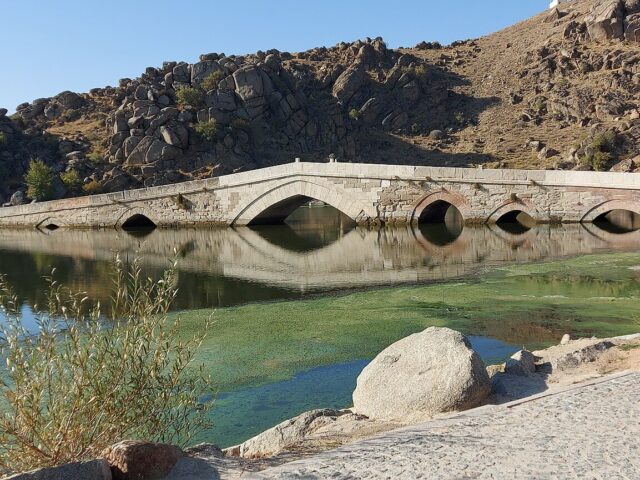
Çeşnigir Bridge
Çeşnigir Bridge in Kırıkkale: the 13th-century Seljuk bridge over the…
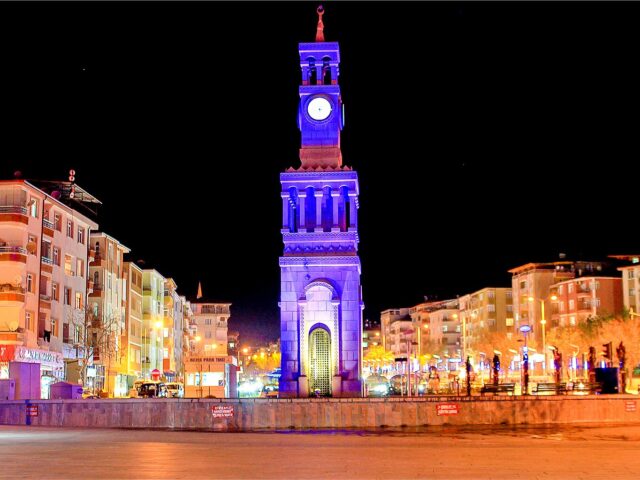
Kırıkkale
Kırıkkale travel guide: the Seljuk Çeşnigir Bridge, Hasandede and Haydar…
Elazığ
Elazığ travel guide: the old hilltop town of Harput, its…
