
Great Mosque of Siirt: The Tiled Minaret
On this page
- What is the Great Mosque of Siirt?
- How do you get to the Great Mosque of Siirt?
- When is the best time to visit the Great Mosque of Siirt?
- What is the history of the Great Mosque of Siirt?
- What is the Great Mosque of Siirt famous for?
- What can you see at the Great Mosque of Siirt?
- Frequently asked questions about the Great Mosque of Siirt
- What do the official records say about the Great Mosque of Siirt?
Key facts: Great Mosque of Siirt
- What it is: Siirt’s historic congregational mosque (Ulu Cami), known for its minaret clad in turquoise glazed brick and tile.
- Where: In the old centre of Siirt.
- Period: Original date unknown; repaired and enlarged in 1129 under the Seljuk ruler Mughith al-Din Mahmud, extended in 1260, with Ottoman additions in 1905.
What is the Great Mosque of Siirt?
The Great Mosque (Ulu Cami) is the oldest and most important mosque in Siirt. Its minaret, known locally as the Çinili Minare (Tiled Minaret), rises on a tall square base decorated with turquoise glazed brick and mosaic tile, and it is the landmark of the old city. The 2002 provincial inventory says the minaret reflects typical Seljuk architecture.
The mosque is still in use. Its prayer hall is a broad rectangle with three domes along the front, and its courtyard lies about 3.5 m below today’s street level, reached by a wide staircase from the north.
How do you get to the Great Mosque of Siirt?
The mosque is in the old centre of Siirt and easy to reach on foot from the city’s main streets; any taxi driver knows it as Ulu Cami. Siirt Airport (SXZ) and the bus station are a short taxi ride away. It combines naturally with a trip to Tillo, about 7 km from the city.
Tours in Anatolia
−5% Istambul readers save 5% on every tour below — applied at checkout.
Partner listings via GetYourGuide · free cancellation on most
When is the best time to visit the Great Mosque of Siirt?
Visit outside the five daily prayers, and avoid Friday noon. Morning light shows the colours of the minaret best. Spring and autumn are the most comfortable seasons in Siirt; summer afternoons are very hot. Dress modestly, remove your shoes in the prayer hall, and women should cover their hair inside.
What is the history of the Great Mosque of Siirt?
The provincial culture and tourism directorate explains that the exact construction date is unknown, and that the early building was damaged soon after it was finished. In 1129 (523 AH) Mughith al-Din Mahmud, son of Muhammad Tapar, the Seljuk ruler of Iraq, had it repaired and enlarged and added a madrasa to form a complex. In 1260 (658 AH) the Atabeg al-Mujahid Ishaq repaired and extended it again; the inventory adds that he endowed it with a bathhouse, shops and fields as sources of income.
In the Ottoman period the madrasa cells on the east side were removed, and in 1905 a two-aisled prayer hall and a clock tower were built and the mosque and minaret repaired. The General Directorate of Foundations restored the building between 1957 and 1980. Over time the minaret leaned eastwards, and in 1974–1975 it was dismantled and rebuilt. A more recent restoration re-laid its brick cladding, corrected the glazed-brick motifs and completed missing parts.
The mosque’s carved walnut minbar, dated 611 AH (1214–1215), is now displayed in the Ethnography Museum in Ankara. According to the directorate, it is the only known example that bears the names of eight craftsmen as well as its patron, and it is made in true kündekâri, a technique of interlocking wooden pieces without nails or glue.
What is the Great Mosque of Siirt famous for?
- The Tiled Minaret. One of the few minarets in Türkiye with Seljuk-style glazed brick and mosaic tile decoration on its base.
- The minbar in Ankara. A masterpiece of medieval woodwork signed by eight craftsmen.
- Its age. A building already old enough to need repair in 1129.
- The tiled side mihrabs. Original mihrabs decorated with turquoise and lapis-blue tile stars on red brick.
What can you see at the Great Mosque of Siirt?
The minaret. Its base is square and tall, followed by a cylindrical shaft that narrows as it rises. The base has three decorative bands: the lowest is made of turquoise glazed brick in diamond and zigzag patterns; a band near the door arch is of turquoise mosaic tile with star medallions; and the upper band has geometric designs in glazed brick.
The prayer hall. You enter through a flat-arched door in an iwan set at right angles to the mihrab wall. Two aisles run parallel to the qibla wall, and the front section has three domes, the central one the largest, on octagonal drums carried on squinches. The original plan, in the manner of Great Seljuk architecture, had a domed space in front of the mihrab connected to an iwan; later two barrel-vaulted aisles were added beside it, creating a cross-shaped layout.
The mihrabs. The plaster mihrabs on the qibla wall date from 1962, but the side mihrabs on the central piers are original. They have star patterns in turquoise and lapis-blue tile on red brick, although their outer palmette and Kufic inscription bands are lost. The original main mihrabs are thought to have had similar mosaic tile decoration.
The sunken courtyard. About 3.5 m below present ground level, a reminder of how much the city has risen around the mosque.



Frequently asked questions about the Great Mosque of Siirt
How old is the Great Mosque of Siirt?
Its construction date is unknown, but it was already repaired and enlarged in 1129 under the Seljuk ruler Mughith al-Din Mahmud, and extended again in 1260.
Why is it called the Tiled Minaret?
The square base of the minaret is decorated with turquoise glazed brick and mosaic tile in diamond, zigzag and star patterns.
Where is the mosque’s original minbar?
The carved walnut minbar, dated 1214–1215, is displayed in the Ethnography Museum in Ankara.
Can visitors enter the Great Mosque of Siirt?
Yes, outside prayer times. Dress modestly, remove your shoes and, for women, cover your hair inside the prayer hall.
Was the minaret rebuilt?
Yes. It leaned eastwards over time and was dismantled and rebuilt in 1974–1975; a later restoration re-laid its brick and glazed decoration.
What do the official records say about the Great Mosque of Siirt?
The minaret of the Great Mosque, known as the Tiled Minaret, reflects typical Seljuk architecture. The Great Mosque, whose exact date of construction is not certain, was repaired in 1129 by Mugizüddin Mahmut, one of the Seljuk sultans, and in 1260 additions were made by El-Mücahid İshak, one of the Seljuk atabegs and ruler of Cizre, who endowed the mosque with sources of income such as a bathhouse, shops and fields. (Ministry of Culture and Tourism, Siirt Provincial Tourism Inventory, 2002)
Ready to see Great Mosque of Siirt?
Hand-picked tours with good reviews and clear prices.
Partner listings via GetYourGuide · free cancellation on most
Before or after: Istanbul
Most trips start or end in Istanbul. Our own experiences there:

 Dinner, sunset and day cruises between Europe and Asia.See cruises bosporuscruise.com

 Historic Turkish baths in the old city — hand-picked hamams, booked direct.Book a hamam istanbulhamam.com

 Istanbul’s tallest viewpoint: both continents from 369 metres.Get tickets camlicatower.com

 Free audio guides in 15 languages, safe routes and local tips — plus 5% off GetYourGuide.Open the free guide localada.com
Nearby
All destinationsVeysel Karani Shrine
Veysel Karani Shrine at Baykan, Siirt: the tomb and mosque…
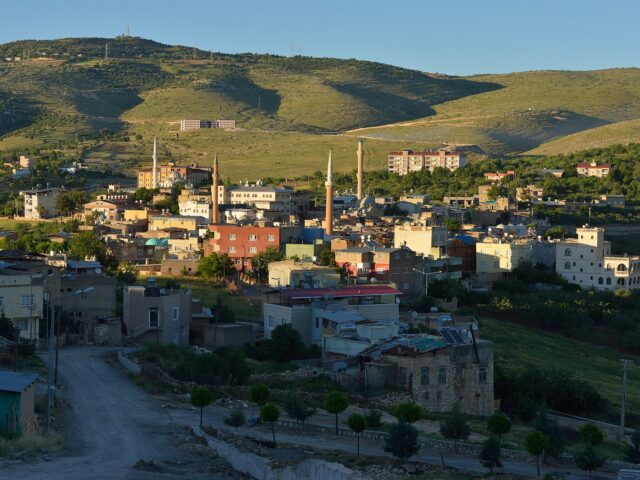
Tillo
Tillo (Aydınlar) near Siirt: the tomb of İbrahim Hakkı and…
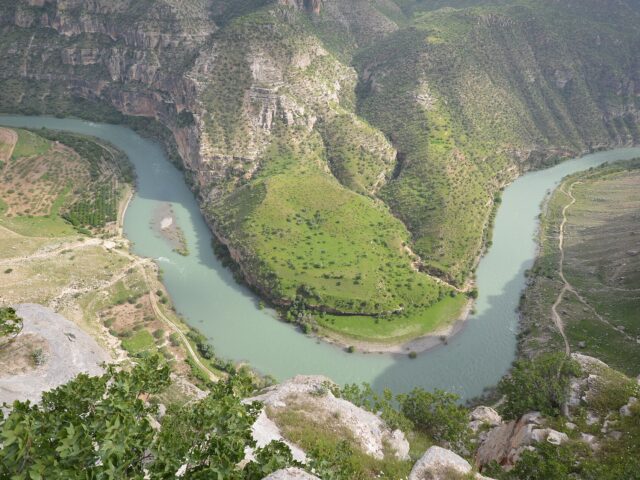
Botan Valley National Park
Botan Valley National Park near Siirt: the canyons of the…
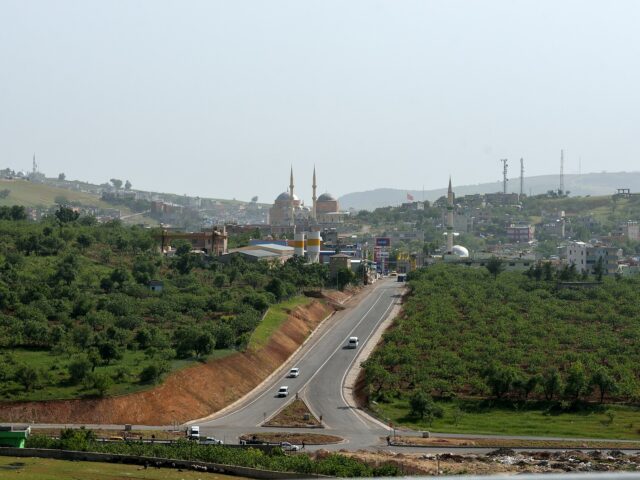
Siirt
Siirt travel guide: İbrahim Hakkı's tomb at Tillo, the Veysel…
