Taşkale Granaries: Rock-Cut Grain Stores and the Manazan Caves
On this page
- What are the Taşkale granaries?
- How do you get to the Taşkale granaries?
- When is the best time to visit the Taşkale granaries?
- What is the history of the Taşkale granaries?
- What are the Taşkale granaries famous for?
- What can you see at the Taşkale granaries?
- Frequently asked questions about the Taşkale granaries
- What do the official records say about the Taşkale granaries?
Key facts: Taşkale Granaries
- What it is: More than 250 grain stores cut by hand into a clayey limestone cliff about 40 m high, still in use; the Byzantine cave settlement of Manazan is in the valley nearby.
- Where: Taşkale, about 40–45 km east of Karaman city, Karaman province.
- Period: Thought to have been used since the early Christian period; Manazan dates from the Byzantine era.
What are the Taşkale granaries?
Above the small town of Taşkale, east of Karaman, a pale cliff is pitted with dark doorways. These are grain stores (tahıl ambarları), more than 250 of them, cut entirely by hand into a rock face about 40 m high. Most have one or two rooms, and families in Taşkale still keep barley, wheat and pulses in them.
The rock does the work. The provincial culture directorate explains that the clayey limestone keeps temperature and humidity stable, so grain stored inside lasts a long time without spoiling, and compares the stores to modern refrigerators. Owners climb up by gripping footholds and niches cut in the cliff, and the grain is hauled up and lowered with a pulley.
The town takes its name from them. It was formerly called Kızıllar, after the Turkmen group that settled here; in 1952 it was renamed Taşkale, “stone castle”, for its fortress-like rock and granaries.
How do you get to the Taşkale granaries?
Taşkale is east of Karaman, roughly 40–45 km by road; the Manazan caves are on the northern slopes of the valley between Yeşildere (İbrala) and Taşkale. The practical way to visit is by car or taxi from Karaman. The nearest railway station is Karaman, on the high-speed line from Konya, Ankara and Istanbul, and the nearest airport is Konya (KYA). Plan half a day for the granaries and Manazan together.
Tours in Anatolia
−5% Istambul readers save 5% on every tour below — applied at checkout.
Partner listings via GetYourGuide · free cancellation on most
When is the best time to visit the Taşkale granaries?
Late spring and early autumn. In summer the pale rock reflects the heat. Late summer, after the harvest, is when the stores are filled, and you may see owners at work on the cliff. The climb to Manazan’s upper floors is through narrow shafts and is best attempted in dry weather.
What is the history of the Taşkale granaries?
Nobody knows exactly when the first stores were cut. The 2002 inventory says they are accepted to have been in use since the early Christian period, and that several sources state one of them was a church later converted into a mosque.
The valley around Taşkale was busy in Roman and Byzantine times. The directorate lists ruined settlements nearby at Manazan, Miske, Zanzana, Yarmasar and Purçu, with traces of the Roman, Byzantine and Ottoman periods. The best preserved is Manazan, a Byzantine cave settlement cut five storeys into the rock.
The Turkmen Kızıllar group settled here around six or seven centuries ago under Ottoman settlement policy, and their descendants still farm the valley and use the granaries. Taşkale is also known for carpet weaving, and the provincial directorate has supported weaving courses in the town.
What are the Taşkale granaries famous for?
- A working rock-cut store. These are not ruins: many of the granaries are still owned and used.
- Natural refrigeration. The rock’s stable conditions keep grain dry and cool.
- The climb. Owners reach doorways high on the cliff by footholds cut into the rock.
- Manazan, the multi-storey Byzantine cave settlement next door, where a naturally preserved body was found.
What can you see at the Taşkale granaries?
The granary cliff. Best seen from the road below, where you can take in the whole face and its rows of doorways. The inventory notes that most stores have two compartments, and that each holds around 50–60 tonnes of grain; air circulates through the tuff in every season. The niches used for climbing are called tutanak, “hand-holds”. The cliff is private property, so do not climb without being invited.
The Manazan caves. On the north slopes of the valley, communal dwellings five storeys high are carved into the rock. The first two floors have many small, cell-like rooms; the upper floors, carved into the central mass, are known locally as Kumkale, At Meydanı (“horse square”) and Ölüler Meydanı (“square of the dead”). Each floor has large galleries in the middle with rooms opening off them, and the floors are linked by steep shafts with hand and foot holds cut on opposite sides. There are tomb chambers and chapels on the lower floors. The top gallery yielded many human remains, and a woman’s body of the Byzantine period from there is displayed in the Karaman Museum, preserved because the clayey limestone keeps a steady temperature and the air holds little moisture.
Yeşildere (İbrala). On the way, the town of Yeşildere has a Byzantine church that has served as a mosque since 1649. The inventory calls it a four-column church whose rectangular outer walls and closed façades make it a representative of the local style.



Frequently asked questions about the Taşkale granaries
Where are the Taşkale granaries?
In Taşkale, roughly 40–45 km east of Karaman city by road. The Manazan caves are in the same valley.
Are the Taşkale granaries still used?
Yes. Local families still store barley, wheat and pulses in them, climbing the cliff on cut footholds and lifting grain with pulleys.
Why does grain keep so well in the granaries?
The clayey limestone keeps temperature and humidity stable, so grain stays dry and does not spoil, according to the provincial culture directorate.
What are the Manazan caves?
A Byzantine cave settlement cut five storeys into the rock near Taşkale, with galleries, chapels and tomb chambers linked by shafts with hand and foot holds.
Can you go inside the granaries?
The granaries are private stores. Admire them from below unless an owner invites you up.
What do the official records say about the Taşkale granaries?
To the north of Taşkale there are 251 granaries, about 40 m high. The granaries, generally with two compartments, are used to store barley, wheat and pulses, and they can hold around 50–60 tonnes of grain. One climbs into the granaries, which are formed of tuff that allows air to circulate in every season, from the places called “tutanak”, and produce is raised to and lowered from them with a pulley system. Various sources state that one of these stone granaries, accepted to have been in use since the early Christian period, was a church and was converted into a mosque.
The Manazan caves, east of Karaman (40 km from Karaman), on the northern slopes of the valley between the towns of Yeşildere and Taşkale, are five-storey communal dwellings of the Byzantine period carved into clayey limestone. A body that came out of here and has survived without decaying is displayed in the Karaman Museum. Because the clayey limestone of the terrain keeps a constant temperature and there is no moisture in the air, organic matter can remain intact for a long time. (Ministry of Culture and Tourism, Karaman Provincial Tourism Inventory, 2002)
Ready to see Taşkale Granaries?
Hand-picked tours with good reviews and clear prices.
Partner listings via GetYourGuide · free cancellation on most
Before or after: Istanbul
Most trips start or end in Istanbul. Our own experiences there:
 Dinner, sunset and day cruises between Europe and Asia.See cruises bosporuscruise.com
 Historic Turkish baths in the old city — hand-picked hamams, booked direct.Book a hamam istanbulhamam.com

 Istanbul’s tallest viewpoint: both continents from 369 metres.Get tickets camlicatower.com

 Free audio guides in 15 languages, safe routes and local tips — plus 5% off GetYourGuide.Open the free guide localada.com
Nearby
All destinations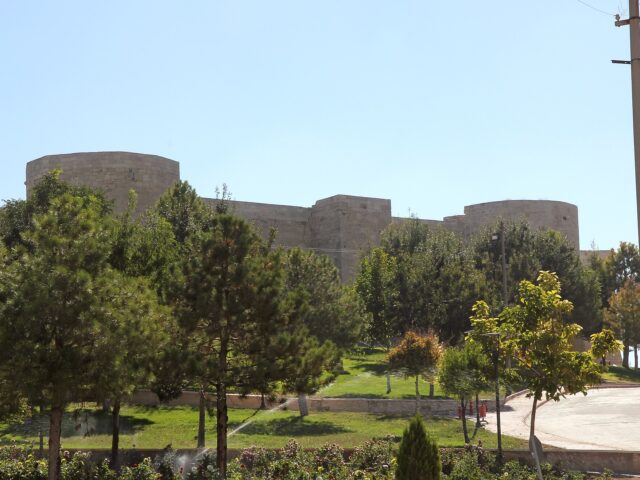
Karaman Castle
Karaman Castle: the three-walled citadel on a prehistoric mound in…
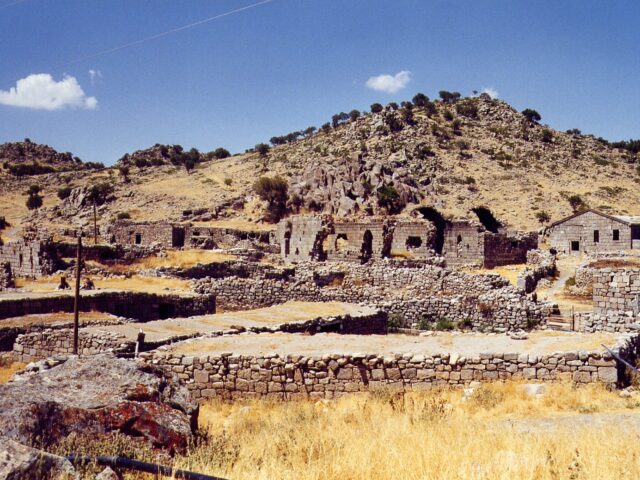
Binbirkilise
Binbirkilise, the Thousand and One Churches on Karadağ near Karaman:…
Hatuniye Madrasa
Hatuniye Madrasa in Karaman: built in 1382 by Nefise Sultan,…
Yunus Emre Mosque and Tomb
The Yunus Emre Mosque and Tomb in Karaman: a Karamanid…