
Yakutiye Madrasa: Erzurum’s Ilkhanid College of 1310
On this page
- What is Yakutiye Madrasa?
- How do you get to Yakutiye Madrasa?
- When is the best time to visit Yakutiye Madrasa?
- What is the history of Yakutiye Madrasa?
- What is Yakutiye Madrasa famous for?
- What can you see at Yakutiye Madrasa?
- Frequently asked questions about Yakutiye Madrasa
- What do the official records say about Yakutiye Madrasa?
Key facts: Yakutiye Madrasa
- What it is: An Ilkhanid madrasa (theological college) with a tomb, now the Erzurum Turkish-Islamic Arts and Ethnography Museum.
- Where: Cumhuriyet Caddesi, Yakutiye district, central Erzurum.
- Date: Built in 1310 (710 AH), according to its portal inscription. Part of the “Anatolian Seljuks Madrasahs” entry on UNESCO’s Tentative List since 2014 (UNESCO); not inscribed.
What is Yakutiye Madrasa?
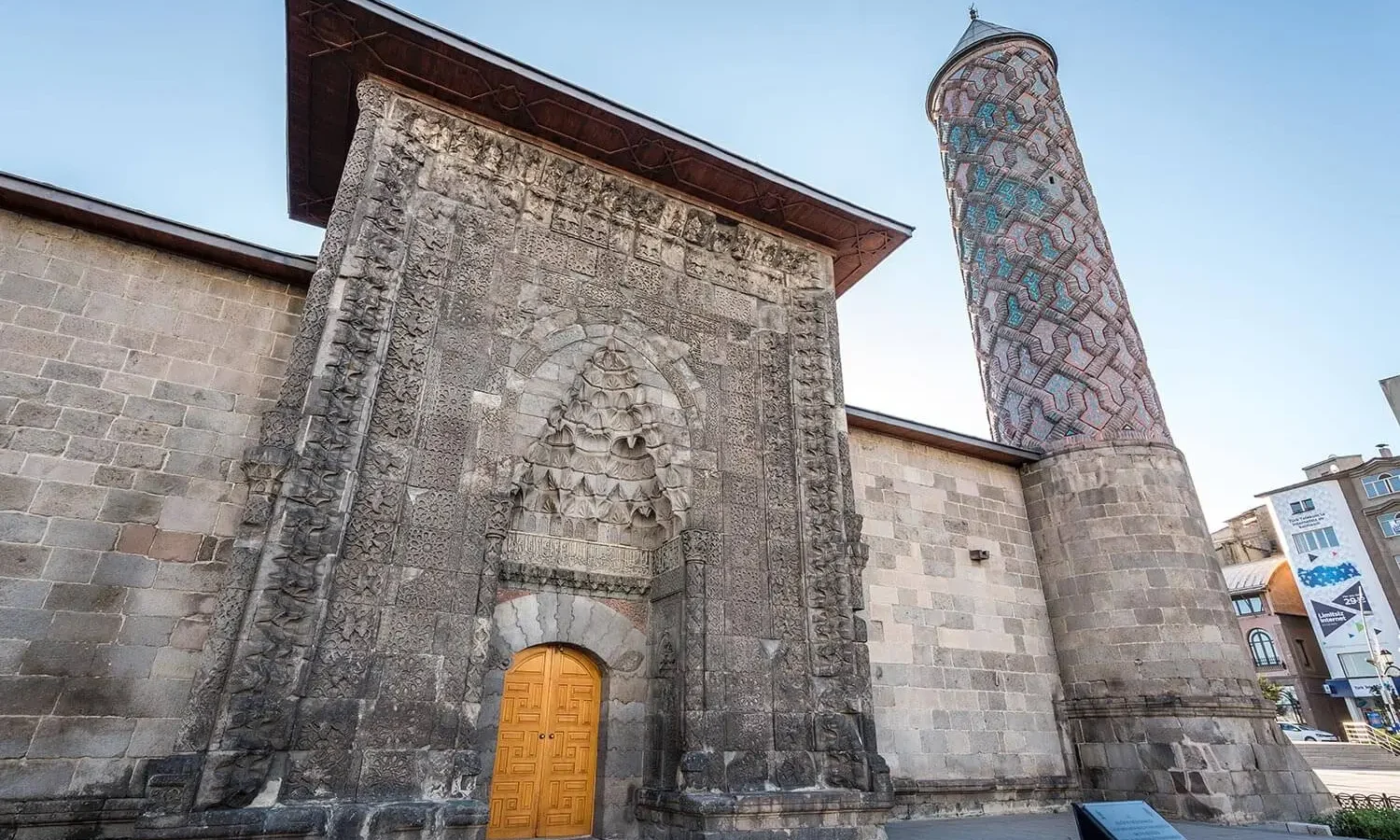
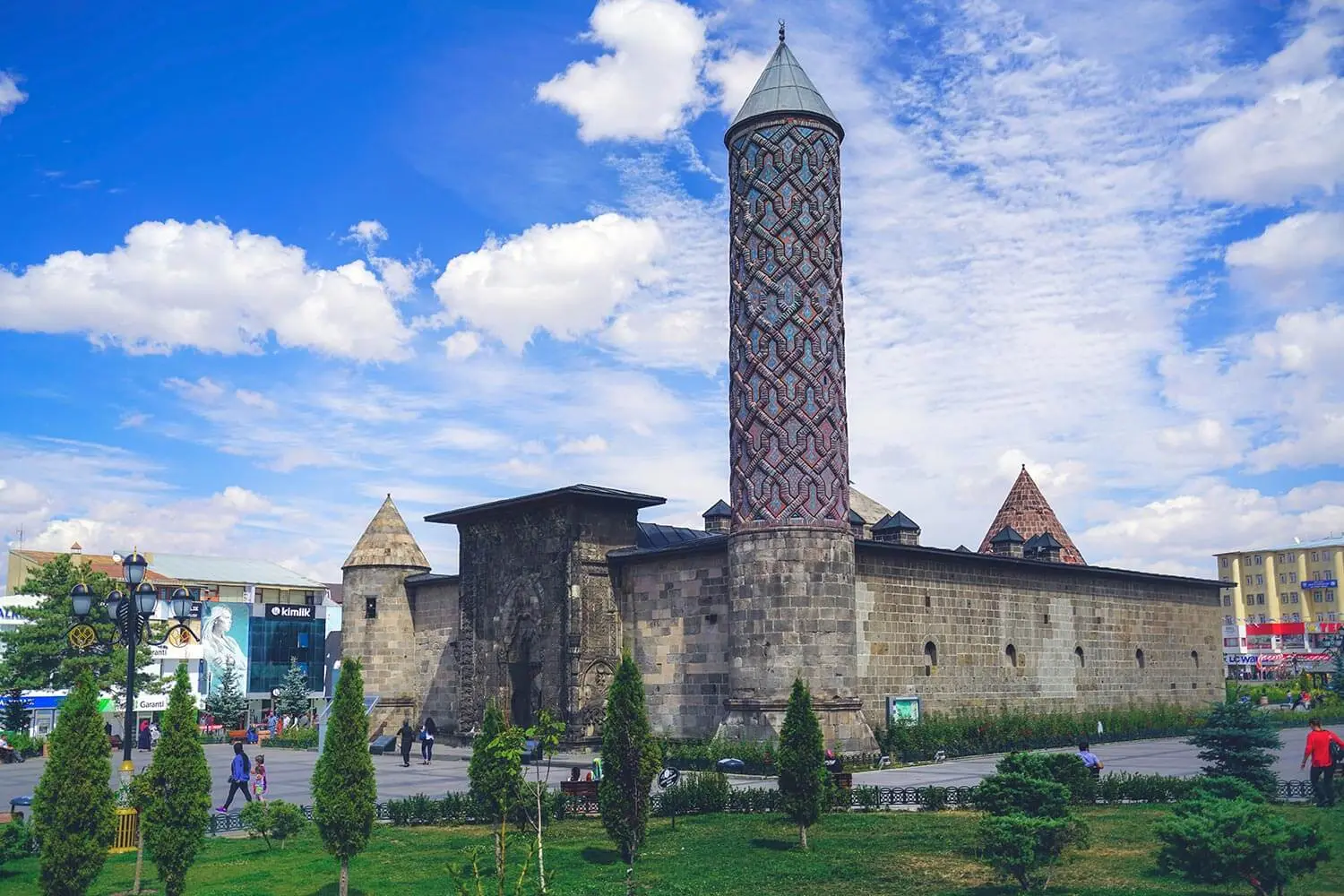
The Yakutiye Madrasa is a 14th-century college of Islamic learning in the centre of Erzurum, built in 1310 when the city was part of the Ilkhanid realm. Its projecting stone portal, carved with a tree of life, two leopards and an eagle, and its surviving minaret covered in turquoise and dark-blue tile mosaic are among the best-known images of Eastern Anatolia.
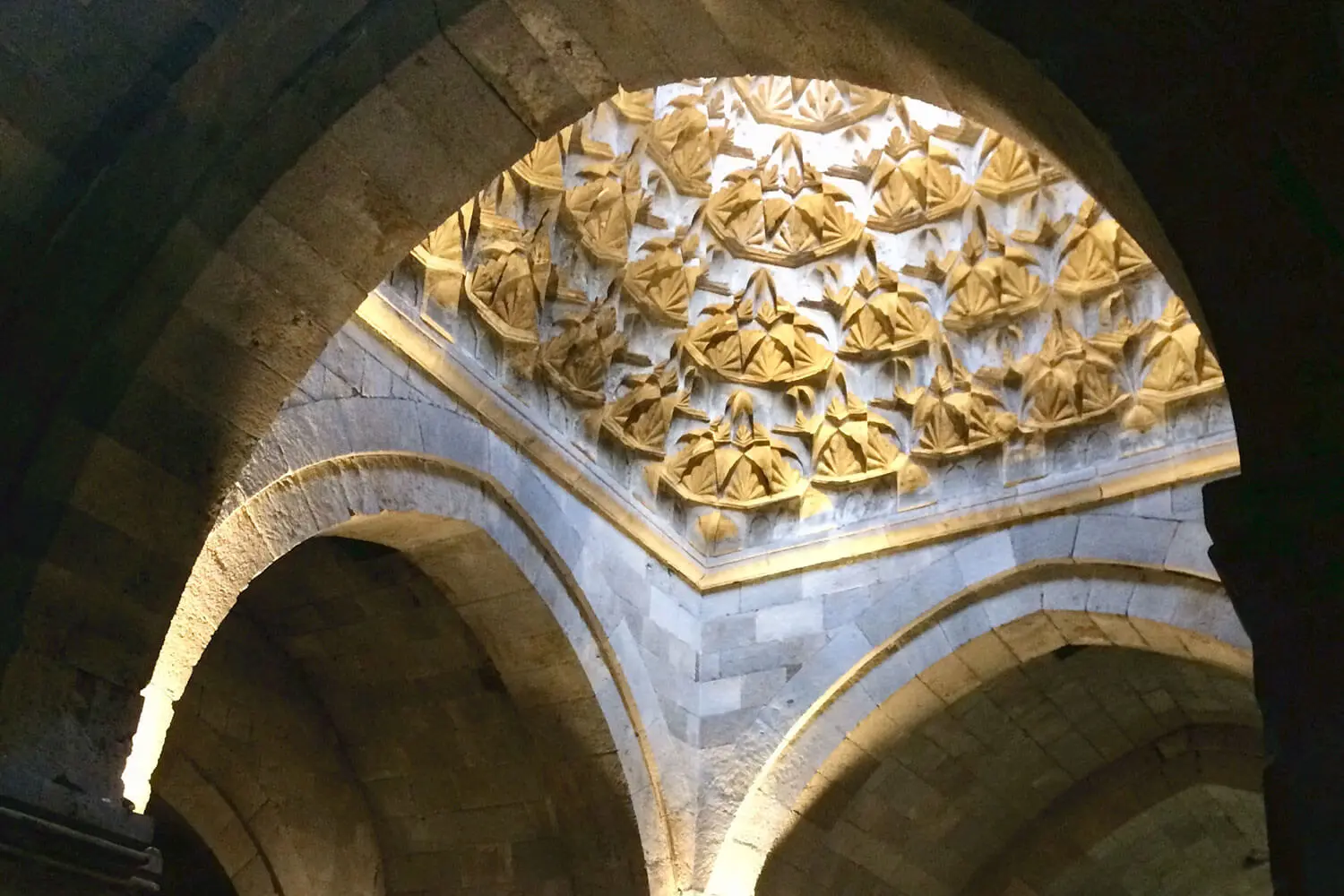
Since 1994 the building has been the Turkish-Islamic Arts and Ethnography Museum, a branch of the Erzurum Museum Directorate. Inside, under a dome of stalactite vaulting, are Oltu stone objects, costumes, weapons, copperwork and carpets from the region.
How do you get to Yakutiye Madrasa?
The madrasa stands on Cumhuriyet Caddesi, the main street of the old centre, next to Lala Mustafa Pasha Mosque. Most city-centre hotels are within walking distance. From Erzurum Airport, about 11 km away, it is a short taxi ride.
The Double Minaret Madrasa, the Great Mosque and the Three Tombs are all a few minutes’ walk east along the same street, so the four make an easy half-day on foot.
Book a Yakutiye Madrasa tour
−5% Istambul readers save 5% on every tour below — applied at checkout.
Partner listings via GetYourGuide · free cancellation on most
When is the best time to visit Yakutiye Madrasa?
Opening hours change through the year, so check them before you visit.
Morning light falls well on the west-facing portal. In winter the snow on the conical roof and minaret makes good photographs, but go when it is light: afternoons are short and very cold.
What is the history of Yakutiye Madrasa?
According to the inscription on its portal, the madrasa was built in 710 AH (1310 AD), in the reign of the Ilkhanid sultan Olcayto (Öljeitü), by Cemaleddin Hoca Yakut Gazani, on behalf of Gazan Han and Bolugan Hatun. Hoca Yakut was the Ilkhanid governor of Erzurum, and the building takes his name.
The 2002 inventory places the building in a long tradition. The effort to furnish Anatolia with architecture for many purposes, which began immediately after the Turks arrived, continued despite all the political events, and the traditional architectural style of the Seljuk period was carried on in the Yakutiye Madrasa, producing a monumental building.
Until recently, extra buildings used as barracks surrounded the madrasa. They were demolished in the 1970s and 1980s and the area around it was redesigned. The madrasa was repaired from 1984 to 1994 and opened on 29 October 1994 as the Turkish-Islamic Arts and Ethnography Museum. The inventory also notes that the decoration of the mihrab inside is thought to have been taken to Russia.
What is Yakutiye Madrasa famous for?
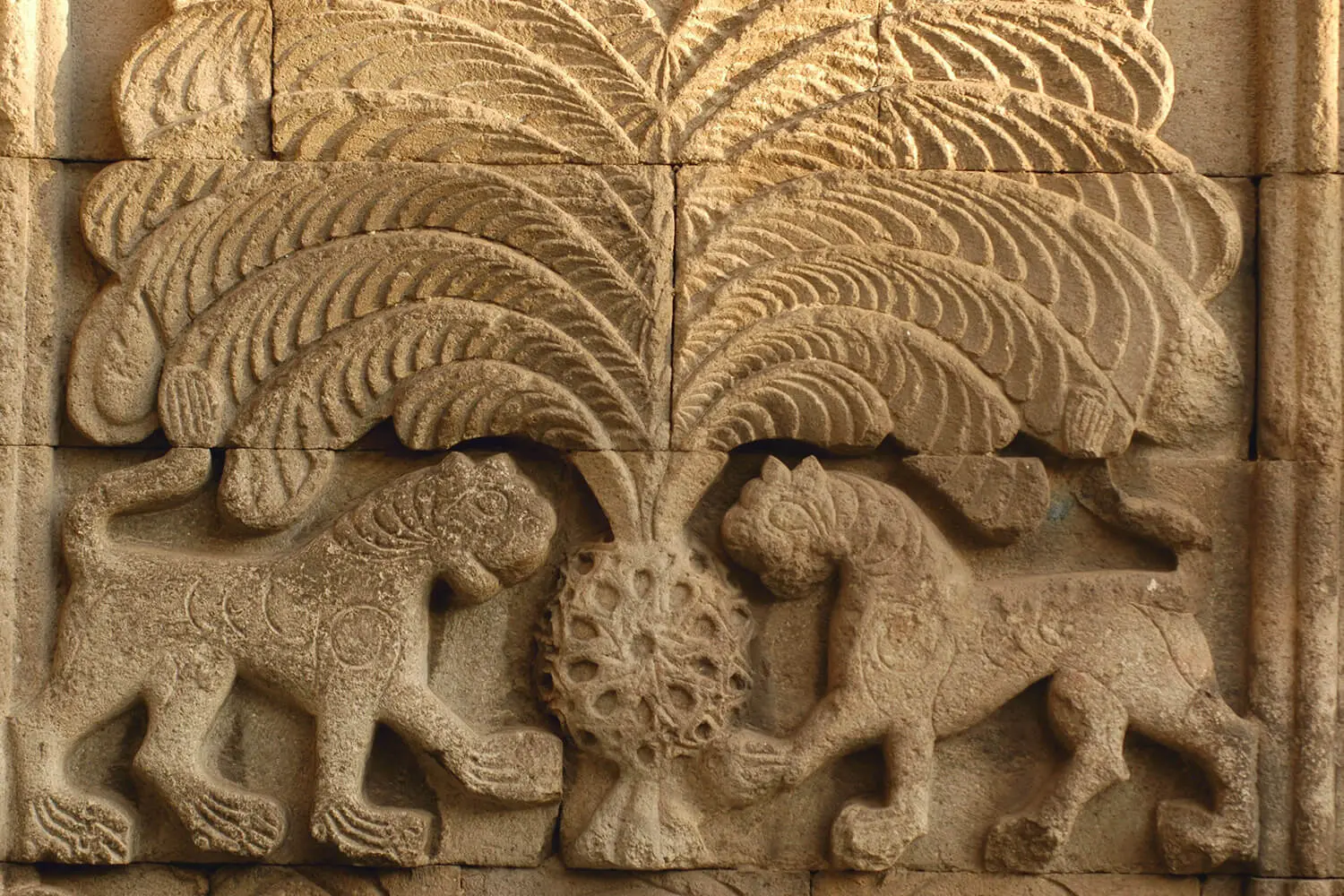
- The portal. On both sides, framed by moulded arches, are an openwork sphere at the bottom, a tree of life, a leopard on either side and a double-headed eagle above. The inventory describes this as a symbol that appears often, with variations, on Seljuk-period buildings and that also expresses religious beliefs of the time.
- The minaret. Only the southwest minaret still stands, broken off above the balcony. Its tile mosaic is arranged in rows of stylised tulips, one pointing up and the next pointing down.
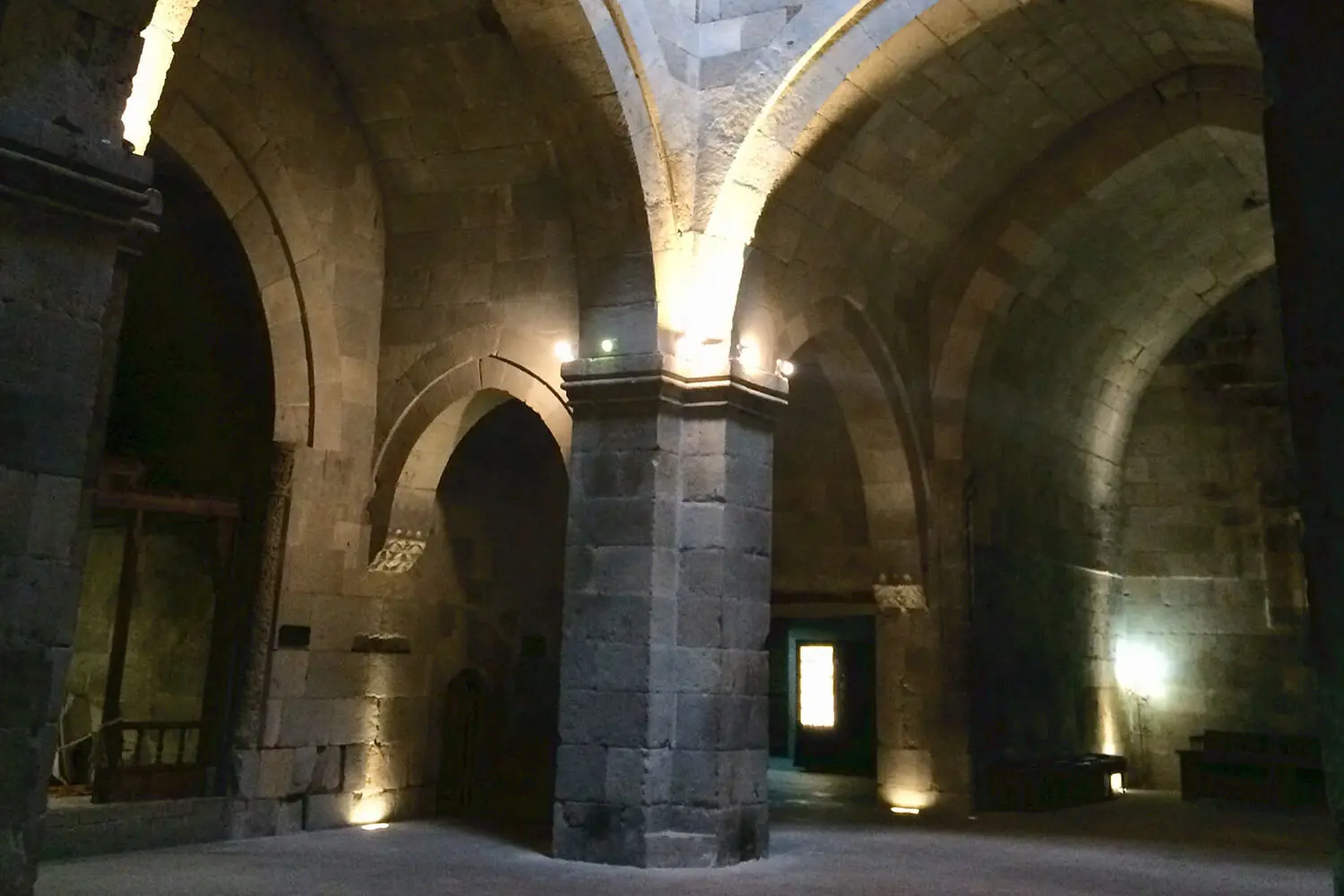
- The covered courtyard. The inventory calls it the best example of the closed-courtyard madrasa type, lit only by an opening at the top of the central vault.
- Balance. The tomb behind the east iwan answers the portal and corner minarets on the façade. The inventory reads this as evidence that architecture in the Seljuk period was designed by careful method.
What can you see at Yakutiye Madrasa?
The plan. The building belongs to the group of four-iwan madrasas with a covered courtyard. Cells sit between the iwans. The west iwan was treated differently and built on two storeys, and the south iwan was planned as a prayer room, with a marble endowment inscription on each of its walls. The central court is covered by a dome with muqarnas (stalactite vaulting).
The tomb. At the end of the east iwan is a tomb chamber. The inventory notes that there is no grave in it.
The museum sections. The inventory lists sections for women’s jewellery and costume, weapons, men’s ornaments and smoking articles, metalwork, weaving, carpets and kilims, manuscripts, dervish and weighing objects, Seljuk ceramics and Oltu stone. The Oltu stone cases show how the black stone of the Oltu district was worked into prayer beads, pipe stems and jewellery.
The cell doors and the minaret base. Look closely at the carving around the doors of the students’ cells and at the tile work at the foot of the minaret. The inventory says this decoration shows the level that art had reached in the period, and the importance given to it.



Frequently asked questions about Yakutiye Madrasa
When was Yakutiye Madrasa built?
In 1310 (710 AH), under the Ilkhanid sultan Olcayto, by the governor Cemaleddin Hoca Yakut, according to the portal inscription.
Is Yakutiye Madrasa a museum?
Yes. It has housed the Turkish-Islamic Arts and Ethnography Museum since 29 October 1994, with Oltu stone, costumes, weapons, metalwork and carpets.
Is Yakutiye Madrasa open on Mondays?
No. The museum is closed on Mondays; in summer it is open 08:00–19:00, with shorter hours in winter.
Why does the madrasa have only one minaret?
It was built with two corner minarets. One collapsed down to its base and the other above the balcony; the surviving southwest minaret was capped with a conical roof.
Is Yakutiye Madrasa a UNESCO site?
It is on UNESCO’s Tentative List as part of the “Anatolian Seljuks Madrasahs” entry (2014), but it has not been inscribed.
What do the official records say about Yakutiye Madrasa?
The Yakutiye Madrasa is on Cumhuriyet Caddesi. It is the finest example of the closed madrasa type. Its crown portal faces west. After the entrance you reach the central space, covered by a cross vault carried on four T-shaped piers. Together with the students’ doors that open onto the central space, there is also a tomb connected to the east iwan. The central space is lit from the skylight at the top of the cross vault.
The crown portal projects slightly forward and is a fine example of stone carving. On two panels on the outer sides of the portal are two leopards facing each other beneath a tree of life, with an eagle perched on the tree. The minaret displays tile-mosaic decoration in the form of stylised tulips arranged in rows, one with its head up and the next with its head down. The upper part of this unique minaret above the balcony has collapsed. (Ministry of Culture and Tourism, Erzurum Provincial Tourism Inventory, 2002)
Ready to see Yakutiye Madrasa?
Hand-picked tours with good reviews and clear prices.
Partner listings via GetYourGuide · free cancellation on most
Before or after: Istanbul
Most trips start or end in Istanbul. Our own experiences there:

 Dinner, sunset and day cruises between Europe and Asia.See cruises bosporuscruise.com

 Historic Turkish baths in the old city — hand-picked hamams, booked direct.Book a hamam istanbulhamam.com

 Istanbul’s tallest viewpoint: both continents from 369 metres.Get tickets camlicatower.com

 Free audio guides in 15 languages, safe routes and local tips — plus 5% off GetYourGuide.Open the free guide localada.com
Nearby
All destinations
Palandöken
Palandöken ski area above Erzurum: powder snow from 2,200 m…
The Three Tombs
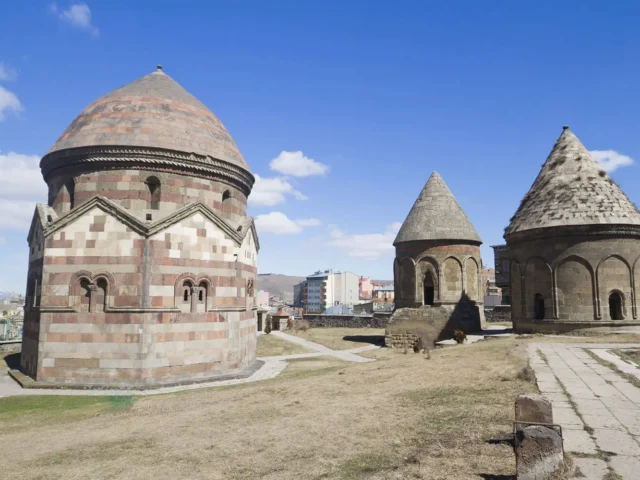
Üç Kümbetler in Erzurum: three medieval stone tomb towers, including…
Double Minaret Madrasa
Erzurum’s Double Minaret Madrasa (Çifte Minareli): twin tiled minarets, carved…
Tortum Waterfall
Tortum Waterfall in Erzurum’s Uzundere district: a 48 m drop…
