
Akçakoca: Hazelnuts, Beaches and a Genoese Castle
On this page
Key facts: Akçakoca
- What it is: Seaside town and district on the Black Sea, regional centre of hazelnut growing and one of Türkiye’s earliest beach resorts.
- Where: Coast of Düzce province, about 200 km east of Istanbul.
- UNESCO Tentative List: Its Genoese Castle is part of the Genoese trade-route castles nomination, on the Tentative List since 2013 (Düzce Culture and Tourism Directorate); not inscribed.
What is Akçakoca?
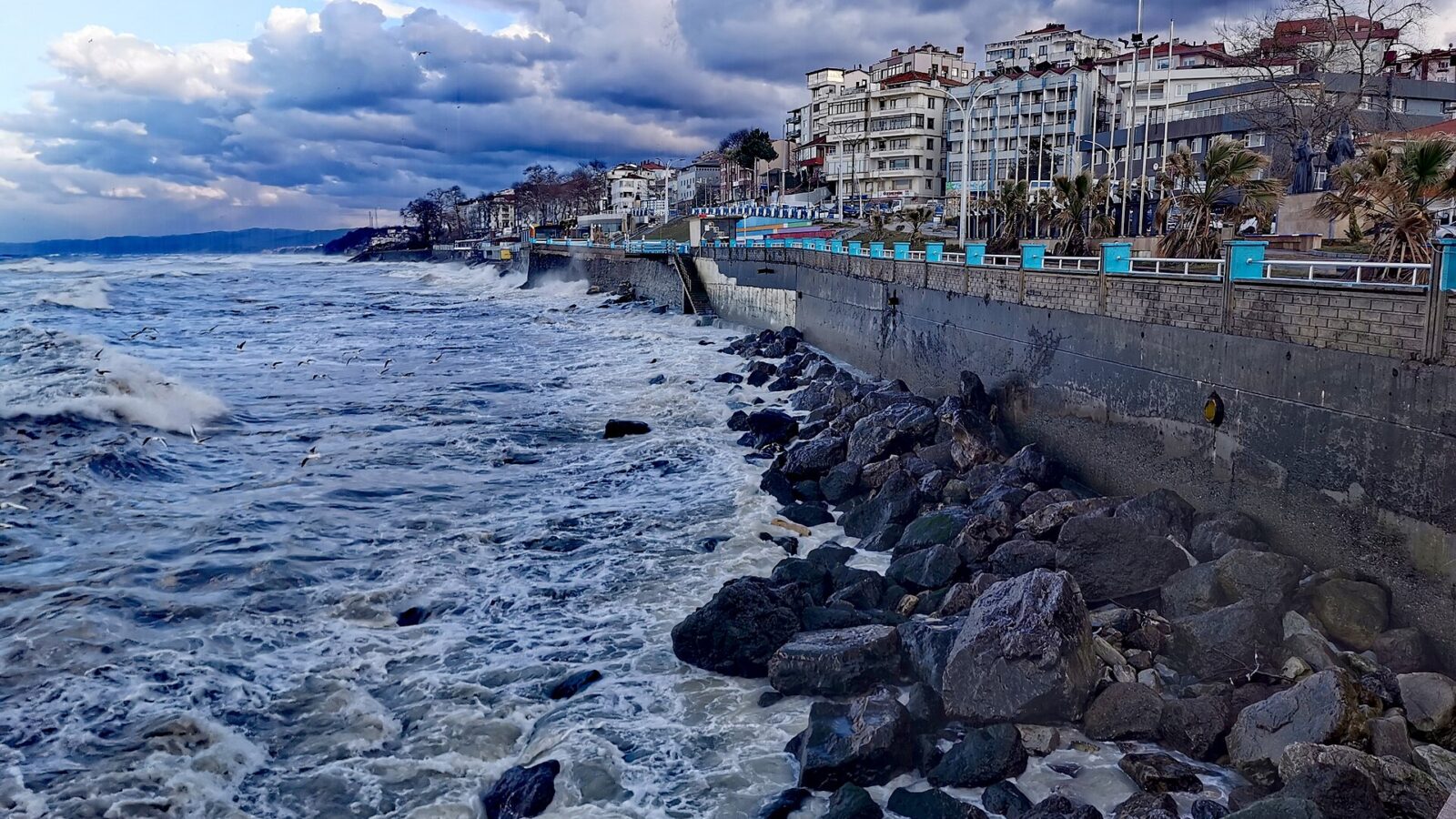
Akçakoca is the seaside town of Düzce province, on the Black Sea about 200 km east of Istanbul (Wikipedia). It has a fishing harbour, long sandy beaches, a Genoese castle on the cliffs to the west and, behind it all, hills covered with hazelnut groves: the town is the regional centre of hazelnut growing.
It was one of Türkiye’s first beach resorts. The provincial directorate describes Akçakoca as the place where the country’s first tourism movement began in the 1950s, with sea and caravan tourism (Düzce Culture and Tourism Directorate), and the 2002 inventory notes that it had become a summer retreat for people from the surrounding provinces by 1955.
How do you get to Akçakoca?
Akçakoca is on the coast north of Düzce town. It is reached by bus from Düzce. By car, leave the TEM motorway or D-100 at Düzce and drive north to the coast; the coast road continues east to Alaplı and Karadeniz Ereğli in Zonguldak province.
The nearest major airport is Istanbul Sabiha Gökçen; Zonguldak Airport (ONQ) is further east along the coast.
Tours in Anatolia
−5% Istambul readers save 5% on every tour below — applied at checkout.
Partner listings via GetYourGuide · free cancellation on most
When is the best time to visit Akçakoca?
June to September for swimming. July brings the hazelnut festival; the anchovy (hamsi) season runs through the winter, and the town also holds an anchovy festival. Spring and autumn are quiet and green, good for the castle, the waterfalls and the Fakıllı Cave. The town is much busier in summer, when its population swells well above its year-round 30,000 or so (Wikipedia).
What is the history of Akçakoca?
In antiquity a town called Dia, or Diospolis, stood on the site. During the period of the Latin Empire after 1204, the Genoese built or strengthened a castle here to protect their trade routes (Wikipedia). The provincial directorate notes that the castle’s construction date is not known, but that the Genoese added to it and made it usable in the early 13th century, which is why it carries their name (Düzce Culture and Tourism Directorate).
The town takes its name from Akçakoca, a 14th-century Turkish chieftain who took the area for the Ottomans; a statue honours him. After the conquest it was called Akçaşehir, and it was renamed Akçakoca in 1934. In the late Ottoman period it belonged to the province of Kastamonu, and after the 1999 earthquakes it became a district of the new province of Düzce.
Tourism grew after the 1950s, and new facilities and better roads in the late 1970s increased it further. The growth came at a cost: the coastline was wider before 1945, roads, cafés, hotels and housing have narrowed it, and the central beach was replaced by the fishing harbour (Wikipedia).
What is Akçakoca famous for?
- Hazelnuts. The town is the regional centre of hazelnut cultivation, with a hazelnut festival every July.
- Beaches, and sand that the provincial directorate describes as healing.
- The Genoese Castle on its cliff between two coves.
- Early tourism. Sea and caravan holidays here in the 1950s were among the first in Türkiye.
- Fish and sunsets at the fishing harbour.
What can you see in Akçakoca?
Genoese Castle (Ceneviz Kalesi). On a cliff between two coves 2.5 km west of the centre. A tall tower rises in the middle of the walls on the south side, and there is a water cistern in the inner courtyard; the brickwork and mortar resemble those of other Genoese castles. There is a beach below it.
The beaches. The 2002 inventory describes Melen Ağzı, where the sea is very shallow and the sand very fine; Karaburun, on the Melen road; Kumpınar, 7 km out on the Ereğli road, where the forest begins right behind the beach; and Edilli Ağzı, where forest and sea meet in wide natural beaches suited to those looking for quiet.
Yukarı Mahalle. The historic upper quarter, with old houses and a market of local products such as hazelnuts, chestnut honey and mountain strawberries. The directorate also lists historic mosques and the old Orhangazi Primary School among the town’s buildings.
Fakıllı Cave. In Fakıllı village, 8 km southeast of Akçakoca. The inventory describes a cave reached through a gallery 1 m high and 15 m long, still in its natural state, with passages leading in several directions and striking stalactites and stalagmites.
Aktaş Waterfall and Kurugöl Canyon. Forest sights in the hills behind the town, listed by the directorate.
Festivals. The hazelnut festival in July, organised by the municipality, was described in the 2002 inventory as opening with a mehter band and folk dancing by teams from abroad, with concerts and fireworks every night and a greasy-pole flag race by day. The directorate also lists an anchovy festival and an international watercolour festival held in Yukarı Mahalle. Oil wrestling takes place at Balatlı village on the last day of Kurban Bayramı.



Frequently asked questions about Akçakoca
Where is Akçakoca?
On the Black Sea coast of Düzce province, north of Düzce town and about 200 km east of Istanbul.
Is Akçakoca good for swimming?
Yes, from June to September. Melen Ağzı has very shallow water and fine sand, and Kumpınar and Edilli Ağzı have forest behind the beach.
What is the Genoese Castle in Akçakoca?
A medieval castle on a cliff 2.5 km west of town, strengthened by the Genoese in the early 13th century. It is on UNESCO’s Tentative List as part of a Genoese trade-route nomination.
When is the Akçakoca hazelnut festival?
Every July. The 2002 inventory placed it on the third weekend of the month; check current dates with the municipality.
What should you buy in Akçakoca?
Hazelnuts, chestnut honey and mountain strawberries, sold at the local market in the historic Yukarı Mahalle.
What do the official records say about Akçakoca?
The district of Akçakoca, with its sparkling sea and fine-sand beaches, had already become a summer retreat for those living in the surrounding provinces by the 1955s.
The festival organised by Akçakoca Municipality on the third Friday, Saturday and Sunday of every July opens on its first day with folk-dance performances, in which a team from every country gives a show. The festival begins with the mehter band and folk-dance performances. Every night of the festival, famous invited artists bring the crowds to life. The competitions and events held during the day, especially the race to take the flag from a greased pole, attract great interest. At night, public concerts are held along with fireworks displays. (Ministry of Culture and Tourism, Düzce Provincial Tourism Inventory, 2002)
Main photo: Murat Özsoy 1958, CC BY-SA 4.0, via Wikimedia Commons.
Ready to see Akçakoca?
Hand-picked tours with good reviews and clear prices.
Partner listings via GetYourGuide · free cancellation on most
Before or after: Istanbul
Most trips start or end in Istanbul. Our own experiences there:

 Dinner, sunset and day cruises between Europe and Asia.See cruises bosporuscruise.com

 Historic Turkish baths in the old city — hand-picked hamams, booked direct.Book a hamam istanbulhamam.com

 Istanbul’s tallest viewpoint: both continents from 369 metres.Get tickets camlicatower.com

 Free audio guides in 15 languages, safe routes and local tips — plus 5% off GetYourGuide.Open the free guide localada.com
Nearby
All destinations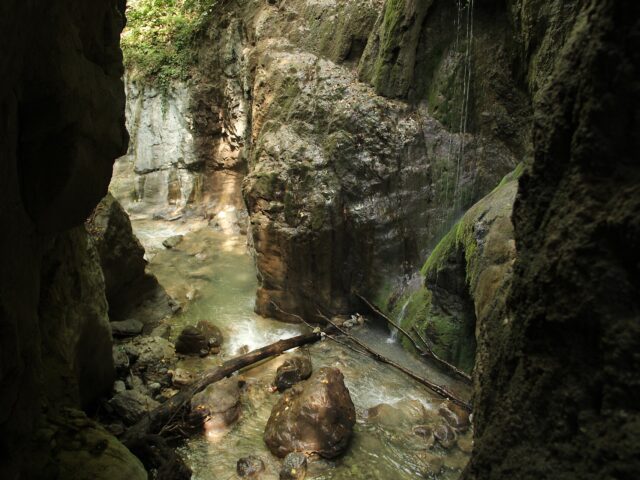
Samandere Waterfall
Samandere Waterfall near Düzce: three falls, monumental trees and the…
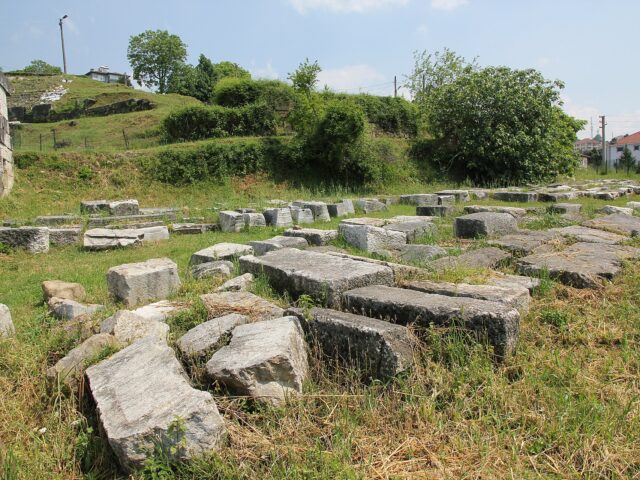
Prusias ad Hypium
Prusias ad Hypium at Konuralp, Düzce: the Forty Steps theatre…
Güzeldere Waterfall
Güzeldere Waterfall near Düzce: a 120 m fall in a…
Düzce
Düzce travel guide: the Roman theatre and museum at Konuralp,…
