Bilecik: Where the Ottoman Empire Began
On this page
- What is Bilecik?
- How do you get to Bilecik?
- Where should you stay in Bilecik?
- What type of climate does Bilecik have?
- When is the best time to visit Bilecik?
- What is the history of Bilecik?
- What is Bilecik famous for?
- What are the historical places of Bilecik?
- What are the best things to do in Bilecik?
- What are the best places to visit in Bilecik?
- What is the traditional food of Bilecik?
- What should you buy in Bilecik?
- Frequently asked questions about Bilecik
- What do the official records say about Bilecik?
Key facts: Bilecik
- Region: Southeastern Marmara, where the Marmara, Black Sea, Central Anatolia and Aegean regions meet, along the Sakarya River.
- Best known for: The birthplace of the Ottoman state: Ertuğrul Gazi’s tomb at Söğüt, Sheikh Edebali’s tomb in Bilecik, and the conquest of Bilecik castle by Osman Gazi in 1299.
- Getting there: On the Ankara–Istanbul high-speed railway, with YHT stations at Bilecik and Bozüyük.
What is Bilecik?
Bilecik is a small, mountainous province in the southeast of the Marmara region, between Bursa, Sakarya and Eskişehir. Its capital, a town of about 72,000 people, sits in a narrow valley among steep hills, and mountains cover around a third of the province. The Sakarya River runs through it, and the 2002 provincial inventory describes a land known for its ponds and streams and for the traces of history it has carried since antiquity.
For Turkish visitors, Bilecik means one thing above all: the beginnings of the Ottoman Empire. Ertuğrul Gazi, father of Osman, settled his Kayı tribe at Söğüt in the 13th century; Osman Gazi took Bilecik castle in 1299; and Osman’s spiritual guide and father-in-law, Sheikh Edebali, is buried in the town. Every September, Söğüt and Bilecik hold festivals in memory of the founders.
Bilecik is also known for its restored Ottoman houses, its pomegranates and quince delight, and the pottery village of Kınık.
Places to visit in Bilecik
Söğüt
Söğüt in Bilecik, cradle of the Ottoman state: Ertuğrul Gazi’s tomb, the…
Sheikh Edebali Tomb
Sheikh Edebali Tomb in Bilecik: the grave of Osman Gazi’s mentor and…
Köprülü Mehmet Paşa Caravanserai
Köprülü Mehmet Paşa Caravanserai at Vezirhan, Bilecik: a 17th-century Ottoman han for…
How do you get to Bilecik?
By rail: Bilecik is on the Ankara–Istanbul high-speed railway, opened through the province in 2014, with YHT stations at Bilecik and Bozüyük. Ankara–Istanbul and Istanbul–Konya trains stop at both, which makes Bilecik an easy stop between Istanbul and Ankara or Konya.
By air: Bilecik has no airport. Most visitors fly into Istanbul and continue by train. The nearest airports, Bursa Yenişehir and Eskişehir Hasan Polatkan, have limited schedules.
By road: According to the provincial directorate, road distances from Bilecik are about 80 km to Eskişehir, 95 km to Bursa, 102 km to Sakarya, 110 km to Kütahya, 250 km to Istanbul and 313 km to Ankara. Söğüt, Pazaryeri and Osmaneli are each about 30 km from the centre, and Bozüyük 34 km.
Getting around: District towns are served by local buses from Bilecik, but a car makes it far easier to combine Söğüt, Osmaneli, Vezirhan and the highland pastures in a day.
Where should you stay in Bilecik?
Bilecik’s centre has a small choice of hotels within reach of the old town and the Sheikh Edebali tomb, and Bozüyük, on the main road and rail line, is practical for drivers. Many visitors see Bilecik and Söğüt as a day trip from Eskişehir or Bursa, or as a stop on the train between Istanbul and Ankara.
Tours in Anatolia
−5% Istambul readers save 5% on every tour below — applied at checkout.
Partner listings via GetYourGuide · free cancellation on most
What type of climate does Bilecik have?
Bilecik has hot, dry summers and cool, wet winters with frequent snow between December and March. Rainfall is modest, around 480 mm a year. The town sits low in its valley and gets hot in July and August, while the highland pastures to the south around Bozüyük, at 1,600–1,900 m, stay cool all summer.
When is the best time to visit Bilecik?
September is the month to come: the Ertuğrul Gazi commemoration and Yörük festival in Söğüt and the Sheikh Edebali and liberation festivities in Bilecik both fall then, and the weather is mild. May, June and October are also comfortable. In summer the yaylas around Bozüyük and Pazaryeri are the coolest places in the province; in winter, snow is common in the uplands.
What is the history of Bilecik?
The provincial directorate traces human activity in Bilecik a very long way back. Excavations at Gedikkaya Cave in the İnhisar district show human use going back to about 48,000 BC, and in Bahçelievler, in the town centre, archaeologists found an open-air farming and herding settlement about 9,000 years old, with round houses and a musical instrument among the burials.
The region later lay in Hittite and then Phrygian territory, belonged to the Kingdom of Bithynia from 280 to 74 BC and then passed to Rome. The inventory gives Agrilion and Belekoma as the oldest known names of the town. In the Byzantine period Belekoma, a castle on a rock between the Hamsu and Tabakhane streams, was the centre of a local lordship. Abbasid forces took the area in 797, and from the 11th to the 13th century it was a frontier outpost facing Seljuk raids.
According to the directorate, the Seljuk sultan granted Söğüt to Ertuğrul Gazi and his Kayı Turks after a victory over the Byzantines in 1231, with Domaniç as summer pasture. Ertuğrul died around 1281, and his son Osman built up the small frontier principality from Söğüt that became the Ottoman state. Osman captured Bilecik in 1299, taking the castle of Belekoma together with Yarhisar.
After the Battle of Ankara in 1402, Timur held Bilecik for about two months before Çelebi Mehmed retook it. The town remained an important stop on the road from Bursa and İznik towards Eskişehir and inner Anatolia, and it was known for its silk. In the War of Independence it was heavily damaged: the directorate records that the population fell from about 12,000 to about 4,000 and that fires destroyed the silk industry. Industrial growth returned from the 1970s.
What is Bilecik famous for?
- The founding of the Ottoman Empire at Söğüt and Bilecik.
- Sheikh Edebali, Ahi leader, mentor and father-in-law of Osman Gazi.
- Kınık pottery, made from local red clay in the Pazaryeri district.
- Pomegranates from İnhisar and Tarpak, and quince delight from Osmaneli.
What are the historical places of Bilecik?
Sheikh Edebali Tomb and the Orhan Gazi Mosque. The tomb of Sheikh Edebali stands in Bilecik beside the Orhan Gazi Mosque, at the centre of the town’s September festivities.
Söğüt. The tomb of Ertuğrul Gazi, the Ertuğrul Gazi Museum and the earliest Ottoman memories are all in this small town 30 km southeast of Bilecik.
The Clock Tower. Built under Sultan Abdülhamid II on a slope overlooking the town, the four-faced tower once struck the hours for pilgrim parties, trade caravans and travellers on the old road. It has been restored to its former appearance.
Köprülü Mehmet Paşa Caravanserai. At Vezirhan, on the road to Sakarya, a 101 m-long Ottoman caravanserai, probably of 1655, whose roof collapsed in the early 20th century. The General Directorate of Foundations restored it from 2007, and it is being prepared to receive guests again as a hotel.
Other monuments. The provincial directorate lists further mosques, tombs and hans, among them the Rüstem Paşa, Çelebi Mehmet, Kasım Paşa and Köprülü Mehmet Paşa mosques, the Mihal Bey Han (Taşhan), the Ertuğrul Gazi Masjid (Kuyulu Mescid), the tomb of Dursun Fakıh and the Metristepe Victory Monument at Bozüyük, commemorating the İnönü battles of 1921.
What are the best things to do in Bilecik?
Go up to the yaylas. The inventory describes Kömürsu Yaylası, 28 km from Bozüyük, as covered with fir, black pine, beech, juniper and aspen and carpeted with grass and flowers in summer; it lies at about 1,700 m, rising to 1,906 m at Üç Tepeler on Çiçekli Yayla. Sofular Yaylası, about 25 km from Bozüyük at around 1,600 m, is covered with pine and fir and is used for walking. Kamçı Yaylası near Bozcaarmut in Pazaryeri is a pine-forest camping and picnic area.
Visit the potters of Kınık. In Kınık village in the Pazaryeri district, pottery has been passed down through families for around a century. Red clay from near the village is refined, vacuum-processed, shaped by hand and fired, and the inventory notes that Kınık ware is in demand in Istanbul, İzmir, Ankara and Bursa.
Picnic by the water. The inventory lists the ponds of Küçükelmalı (at 950 m), Bozcaarmut (1,051 m) and Büyükelmalı in Pazaryeri, the Dodurga reservoir near Bozüyük, and the Türbin picnic area with its cascade 7 km from Bozüyük. Kınık waterfall, about 25 km from the centre, flows out of a rock face.
Fish the Sakarya. The river and its tributaries, the Göksu and Göynük, are listed for sport fishing around Bilecik, Osmaneli and Söğüt.
Join the September festivals. The Ertuğrul Gazi commemoration and Söğüt festivities, also called the Yörük Festival, are held over three days in September with folk dance groups, cirit (mounted javelin) games, a henna night and rice served to guests. Bilecik’s liberation and Sheikh Edebali festivities take place on 6 September, and during Ahilik Week, in the second week of September, guests are served festival pilaf and grapes near the tomb. İnhisar and Tarpak hold pomegranate festivals in autumn.
What are the best places to visit in Bilecik?
Söğüt, 30 km southeast of Bilecik, is where Ertuğrul Gazi settled his Kayı tribe and is buried, and where Osman founded his principality. It has the Ertuğrul Gazi Museum and hosts the September Yörük festival.
The Sheikh Edebali Tomb in Bilecik marks the grave of Osman Gazi’s mentor and father-in-law, buried in his own lodge beside the Orhan Gazi Mosque.
The Köprülü Mehmet Paşa Caravanserai at Vezirhan is a fortress-like 17th-century han over 100 m long, restored after a century as a roofless shell.
Also worth your time: Bilecik’s old town and Clock Tower, Osmaneli on the Sakarya, the pottery village of Kınık, and the yaylas of Kömürsu and Sofular above Bozüyük. Eskişehir and its Ottoman quarter of Odunpazarı are an hour away by train.
What is the traditional food of Bilecik?
The inventory notes that most of Bilecik’s local dishes are made from dough, that many households bake their own bread, and that people prepare their own pasta, tarhana, couscous and erişte noodles. Pide, bükme and hodalak are breads baked in the oven, and kömme is baked in the ashes.
The provincial directorate describes a few dishes in detail. Nohutlu mantı is small squares of dough filled with spiced chickpeas, baked, then covered with chicken broth and topped with garlic yoghurt, tomato-paste sauce and butter with red pepper. Dağ eriği ekşili kesme çorbası is a lentil soup with homemade pasta, soured with dried wild plum and cornelian cherry. Bıldırcın kebabı is quail baked on a tray with potatoes, tomatoes and green peppers.
Other local dishes include keşkek, ovmaç soup, mercimekli mantı, saç yufka börek, su böreği, keklik kebabı, güveç, kuskus pilavı and kavurma. For dessert, büzme is thin sheets of dough rolled around walnuts, gathered, baked in butter and soaked in syrup; köpük helvası and walnut grape sucuk are also local.
What should you buy in Bilecik?
Kınık pottery from Pazaryeri, quince lokum from Osmaneli and pomegranate lokum from İnhisar, whose district and the town of Tarpak are described by the directorate as the leading pomegranate producers in the Marmara region. Pazaryeri also has helva and boza bazaars, and Dereköy is known for handmade cigarette mouthpieces.



Frequently asked questions about Bilecik
Why is Bilecik important in Ottoman history?
Ertuğrul Gazi settled at Söğüt in Bilecik province, his son Osman founded the Ottoman principality there, and Osman captured Bilecik castle in 1299.
How do you get to Bilecik from Istanbul?
By high-speed train: Ankara–Istanbul and Istanbul–Konya YHT services stop at Bilecik and Bozüyük. By road it is about 250 km.
Does Bilecik have an airport?
No. The nearest airports are Bursa Yenişehir and Eskişehir, but most visitors fly into Istanbul and take the train.
How far is Söğüt from Bilecik?
About 30 km southeast of the provincial centre.
When are the Söğüt festivals?
The Ertuğrul Gazi commemoration and Yörük festival is held in September over three days; Bilecik’s Sheikh Edebali festivities are on 6 September.
What food is Bilecik known for?
Dough-based dishes such as nohutlu mantı and büzme dessert, plus Osmaneli quince lokum and İnhisar pomegranate lokum.
What do the official records say about Bilecik?
Bilecik province lies in the southeast of the Marmara Region, at the meeting point of the Marmara, Black Sea, Central Anatolia and Aegean regions. Among the oldest known names of the province are Agrilion and Belekoma. Founded around the Sakarya River and known for the richness of its ponds and streams, the area has carried the traces of history from antiquity to the present day.
In the village of Kınık in the Pazaryeri district, the making of earthenware goods and pottery, handed down from generation to generation for about a century, has spread and developed steadily. At first only water vessels, jugs and pitchers were made, but day by day the products have become more varied and numerous. (Ministry of Culture and Tourism, Bilecik Provincial Tourism Inventory, 2002)
Ready to see Bilecik?
Hand-picked tours with good reviews and clear prices.
Partner listings via GetYourGuide · free cancellation on most
Before or after: Istanbul
Most trips start or end in Istanbul. Our own experiences there:
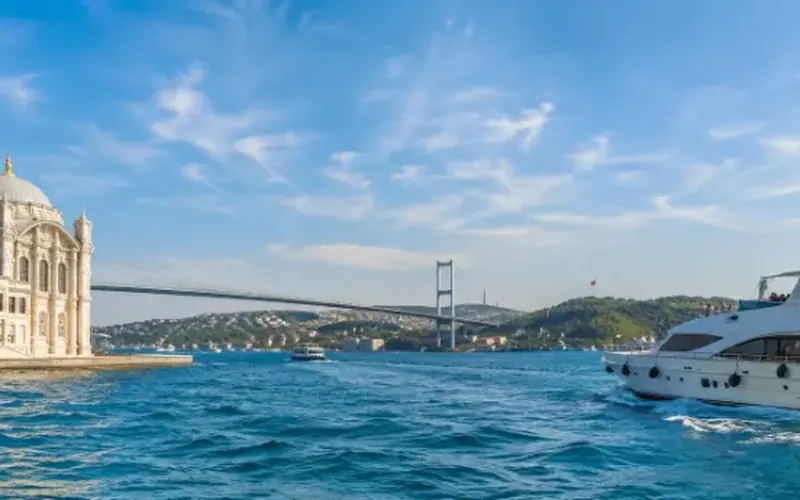
 Dinner, sunset and day cruises between Europe and Asia.See cruises bosporuscruise.com
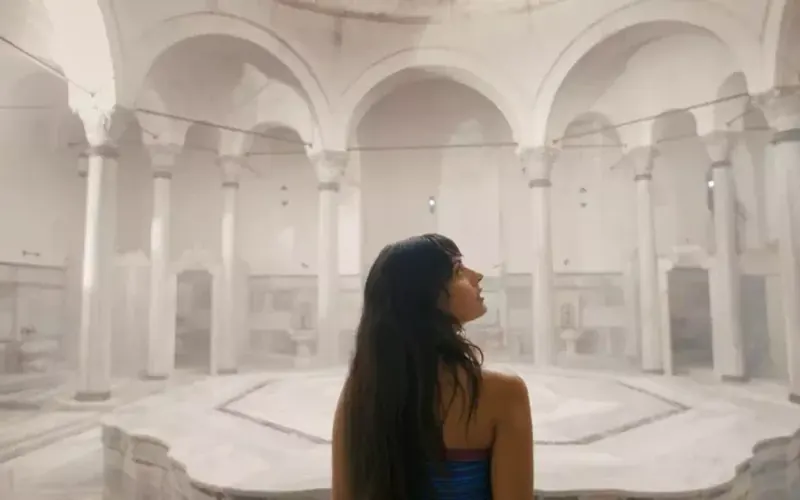
 Historic Turkish baths in the old city — hand-picked hamams, booked direct.Book a hamam istanbulhamam.com
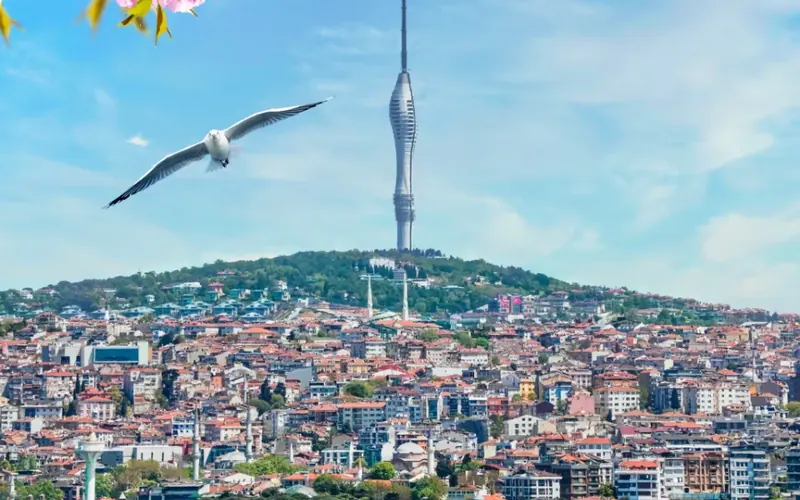
 Istanbul’s tallest viewpoint: both continents from 369 metres.Get tickets camlicatower.com
 Free audio guides in 15 languages, safe routes and local tips — plus 5% off GetYourGuide.Open the free guide localada.com
Nearby
All destinationsKırklareli
Kırklareli travel guide: Dupnisa Cave, İğneada floodplain forests, Kıyıköy, Vize…
Bolu
Bolu travel guide: Lake Abant, Yedigöller National Park, Gölcük, Ottoman…
Aegean Coast Region
Türkiye's Aegean coast from Izmir to Bodrum: ancient Ephesus and…
Uşak
Uşak travel guide: the Karun Treasure of Lydian gold, Ulubey…