

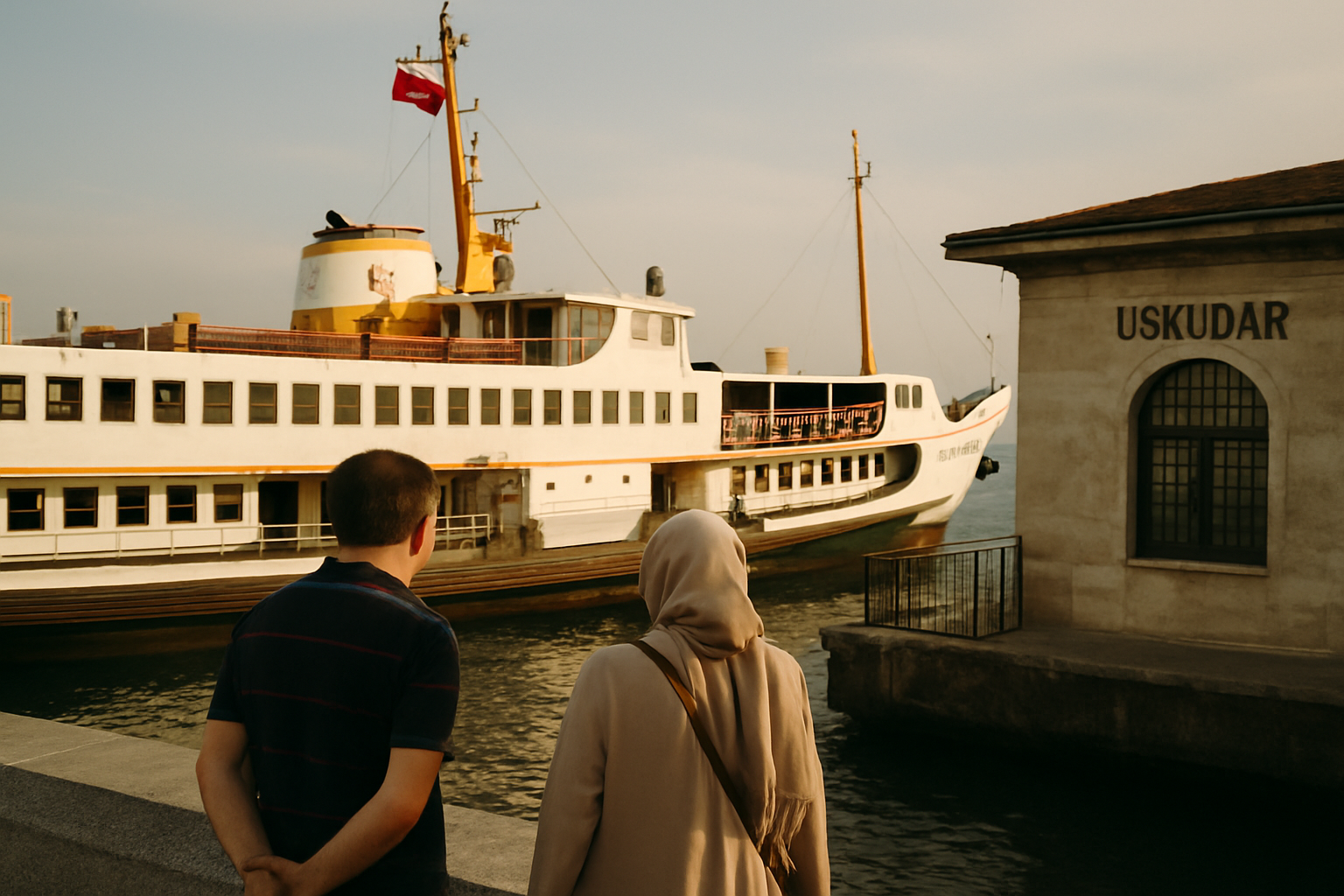
The Asian side of Istanbul is best covered in one day by combining Kadıköy’s market streets, the quieter waterfront at Moda, Üsküdar’s riverside mosques, and the panoramic terrace at Çamlıca Hill. All four sit within a short ferry ride or metro hop of each other, so a visitor arriving in September 2026 can realistically see all of them without rushing.
- Total time needed: a full day, roughly 9am to 7pm, moving at a relaxed pace
- Closed days: none of the main stops close on a fixed weekday; mosques pause briefly for the five daily prayers
- Nearest connection: ferries from Eminönü, Karaköy and Beşiktaş land directly at Kadıköy or Üsküdar
- Dress code: covered shoulders and knees, and a headscarf for women, if entering a working mosque in Üsküdar
- Booking ahead: nothing is essential; ferries and street food are pay-as-you-go, though a Çamlıca Hill tower slot is worth reserving on busy weekends
How Do You Get to the Asian Side From Sultanahmet or Taksim?
The simplest route onto the Asian side is the public ferry, which crosses from Eminönü, Karaköy or Beşiktaş to Kadıköy or Üsküdar in a short, scenic ride across the Bosphorus. Ferries are frequent through the day and run right into the evening, and they’re operated by the city itself rather than a private company, which keeps the routes consistent. Full timetables and route maps are published by Istanbul’s municipal ferry operator, and it’s worth checking the current schedule the morning you travel, since winter and summer timetables differ slightly.
An Istanbulkart, the rechargeable card used across the city’s ferries, trams and metro, is the easiest way to pay for every leg of the day without queuing for single tickets. Cards are sold at kiosks near every major ferry pier and metro entrance, and the same card works on both sides of the city. Details on where to buy and top up a card are kept current on Istanbul’s official transport card site. For anyone building a longer itinerary before crossing over, our guide to a broader one-day Istanbul itinerary covers how the European side fits around this trip.
Kadıköy: Markets, Street Art and the Ferry Terminal
Kadıköy is the natural starting point for the Asian side, since most ferries land directly at its pier and the neighbourhood rewards an unhurried first hour. The streets behind the ferry terminal hold a produce and fish market that runs daily, lined with spice stalls, cheese counters and small meyhanes serving mezze from late morning onward. Street art covers many of the side walls in the Yeldeğirmeni district just behind the market, a good detour if you enjoy independent galleries and record shops rather than souvenir stands. The area sits entirely on the Asian side of Istanbul, which is what gives it a different rhythm from Sultanahmet or Beyoğlu: fewer tour groups, more locals doing their weekly shopping.
Our full walking route through this district, including which back streets to take and where the market thins out, is laid out in our full Asian side day plan, alongside the wider Kadıköy location guide with opening patterns for individual stalls and cafés. Plan on spending at least an hour here before moving on, longer if the market is your priority for the day. Coffee stops are easy to find and there’s rarely a wait outside peak Saturday mornings.
Moda: A Quieter Neighbourhood Walk
Moda is a residential seafront district just south of Kadıköy, reachable on foot along the water in about twenty minutes, and it offers a calmer counterpoint to the market crowds. A long promenade runs along the shoreline, dotted with tea gardens facing the Sea of Marmara and a small park where locals walk dogs and read on benches. The pace here is domestic rather than touristic, which is exactly its appeal after the density of Kadıköy’s market streets. A vintage tram line loops through the neighbourhood, a nice photo stop even if you don’t ride it the whole way.
Moda works best as a slow interlude rather than a checklist stop, so resist the urge to rush through it toward the next destination. Sitting at one of the shoreline tea gardens for twenty minutes, watching ferries cross toward the Princes’ Islands, is arguably the most authentic half-hour of the whole day. Families with children will find the waterfront park a good place to let energy run out before the afternoon’s walking resumes.
Is Üsküdar Worth the Extra Time?
Yes, Üsküdar earns its place on the itinerary, particularly for its waterfront mosques and its own direct ferry connections back to the European side. The neighbourhood sits north of Kadıköy along the Bosphorus and is reachable either by a short ferry hop or a longer walk along the coastal road. Mihrimah Sultan Mosque and Şemsi Pasha Mosque both face directly onto the water, giving views back across to the Topkapı Palace skyline that are hard to get anywhere else. Both are working mosques, so visits outside prayer times are easiest, and modest dress is expected of every visitor regardless of religion.
Üsküdar also has its own market streets, less visited than Kadıköy’s but useful for a quieter lunch away from any queue. The district’s ferry terminal connects directly to Beşiktaş and Eminönü, which matters later when planning the route home. Anyone who has already spent a morning in Sultanahmet on an earlier trip will recognise the same domed skyline here, just viewed from across the strait rather than from within it, which our guide to a day in Sultanahmet covers from the opposite bank.
What Does Çamlıca Hill Add to the Day?
Çamlıca Hill adds the widest single view over Istanbul available on the Asian side, taking in the Bosphorus, both bridges and the old city skyline from one terrace. The hill sits inland from Üsküdar, best reached by taxi or a short bus connection rather than on foot, and it’s worth building in roughly two hours once travel time is included. A tower on the summit offers skip-the-line entry with a complimentary Turkish tea for €25 per person as of September 2026, according to the operator’s own booking pages, and the same tower keeps standard hours of 10am to 10pm daily. Because July and August are the busiest months at the summit, arriving in the late afternoon avoids the heaviest crowds and times the visit well for sunset.
The hill is a hillside park as much as a viewpoint, with gardens and tea houses spread around the base, so it suits a slower final stop rather than a quick photo and departure. Bring a layer even in warmer months, since the exposed terrace catches more wind than the streets below. Anyone travelling with children will find the gardens an easy place to let them run before the final leg back across the water.
Where to Eat on the Asian Side?
Kadıköy’s market streets hold the widest concentration of food on the Asian side, from fish sandwiches sold at stalls near the ferry pier to sit-down meyhanes serving mezze through the afternoon and evening. Çiya Sofrası, tucked into the market district, is well known locally for regional Anatolian dishes rarely found elsewhere in the city, and it’s a reasonable lunch stop if you’re moving through Kadıköy around midday. Moda’s shoreline tea gardens are better suited to a slow coffee or simit than a full meal, which fits their role as a rest stop between busier districts. Üsküdar’s own market has simpler, more local lunch counters, useful if you’re timing a meal around the mosque visits rather than around Kadıköy’s rush.
None of these require a reservation for a casual lunch, though weekend evenings in Kadıköy’s meyhane streets do get busy enough that walking in without a booking can mean a short wait. Portions across the Asian side tend to be generous and shared rather than plated individually, so ordering a few mezze between two people usually works better than one dish each. Vegetarian options are widely available in every neighbourhood mentioned here, from the market stalls to the sit-down restaurants.
Getting Back and Timing the Day
Getting back to the European side is straightforward from either Kadıköy or Üsküdar, both of which run ferries to Eminönü, Karaköy and Beşiktaş well into the evening. A day that starts around 9am in Kadıköy, moves through Moda by late morning, reaches Üsküdar by early afternoon and finishes at Çamlıca Hill for a late-afternoon or sunset view, fits comfortably into a single trip without feeling rushed. Travellers based in Sultanahmet or Beyoğlu can simply reverse their morning ferry route home, landing back near their hotel within the hour. Building in slack time between each stop matters more than covering every neighbourhood, since the appeal of the Asian side is its slower pace rather than a packed checklist.
If the ferry schedule shifts or a particular sailing is cancelled for weather, the municipal operator’s site is the fastest way to check a live alternative rather than guessing at the pier. Evening ferries tend to be quieter and cooler, which makes the return crossing a pleasant close to the day rather than a logistical afterthought. Travellers short on time can drop Çamlıca Hill and still leave with a full sense of the Asian side of Istanbul from Kadıköy, Moda and Üsküdar alone.
Frequently Asked Questions
Is one day enough for the Asian side of Istanbul?
Yes, one day comfortably covers Kadıköy, Moda, Üsküdar and Çamlıca Hill if you start by mid-morning and keep the pace relaxed rather than rushed.
Do you need a visa or special ticket to cross to the Asian side?
No. The crossing is a normal domestic ferry or metro ride, paid for with the same Istanbulkart used across the rest of the city.
Which ferry route is fastest from Sultanahmet?
About 15 to 25 minutes, depending on whether you board at Eminönü, Karaköy or Beşiktaş and whether Kadıköy or Üsküdar is your destination.
Is Kadıköy or Üsküdar better for a first visit?
Only on a food-focused trip does Kadıköy clearly win; Üsküdar suits visitors who prioritise mosque architecture and quieter waterfront views instead.
Can you visit Çamlıca Hill without a car?
Yes, a taxi or local bus from Üsküdar reaches the hill in a reasonably short ride, though there’s no direct ferry stop at the summit itself.
Do mosques in Üsküdar close during the day?
Only briefly, during each of the five daily prayer times, when non-worshippers are asked to wait outside for a short period before re-entering. The Asian side of Istanbul rewards a slower, self-guided day more than a tightly scheduled tour, and everything described here — the ferries, the markets, the hillside view — can be pieced together without booking a single thing in advance beyond, perhaps, a Çamlıca Hill time slot on a summer weekend. Start early, keep the ferry timetable open on your phone, and let Kadıköy’s market set the pace for the rest of the day.

Comment (0)