
Cehennemağzı Caves: Herakles’ Gate to the Underworld
On this page
- What are the Cehennemağzı Caves?
- How do you get to the Cehennemağzı Caves?
- When is the best time to visit the Cehennemağzı Caves?
- What is the history of the Cehennemağzı Caves?
- What are the Cehennemağzı Caves famous for?
- What can you see at the Cehennemağzı Caves?
- Frequently asked questions about the Cehennemağzı Caves
- What do the official records say about the Cehennemağzı Caves?
Key facts: Cehennemağzı Caves
- What it is: A group of caves in volcanic tuff, partly natural and partly cut by hand, identified since antiquity with the Acherusian cave where Herakles descended to the underworld; one cave was used as an early Christian church.
- Where: İnönü district (formerly Ayazma) in the centre of Karadeniz Ereğli, about 50 km west of Zonguldak.
- Period: Known from Greek myth and used in the Roman and Byzantine periods; managed today as a site of the Ereğli Museum.
What are the Cehennemağzı Caves?
The Cehennemağzı Caves (“Mouth of Hell” caves) are a group of caves on the slope of a small valley in Karadeniz Ereğli, the ancient Herakleia Pontike. In ancient sources the valley is the Acheron, and the caves are where the Greeks believed Herakles went down into Hades to bring back the three-headed hound Kerberos, the last and hardest of his twelve labours.
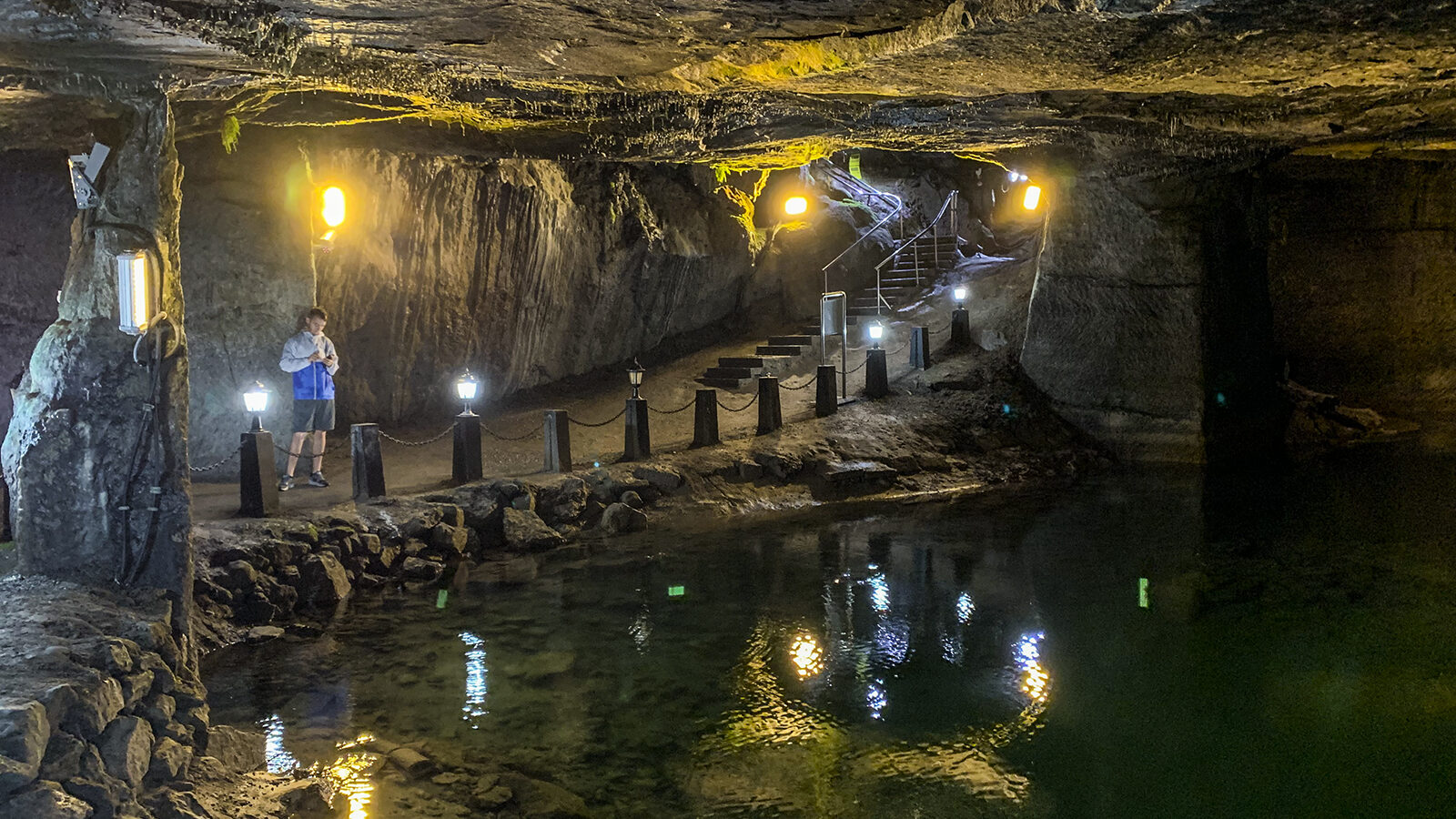
The caves are also known as the Oracle Caves, and they were later used by Christians: the first cave has a mosaic floor, columns and an apse, and local tradition holds that believers worshipped here in secret while Christianity was still banned. Today the site is run by the Ereğli Museum and has been opened to visitors with lighting and walkways (Zonguldak Culture and Tourism Directorate).
The number of caves depends on who is counting. The 2002 inventory describes Cehennemağzı as the shared name of four caves; the Ereğli municipality describes three caves lined up side by side, and lists the Church Cave, the Herakles–Ayazma caves and the İnönü Cave as separate entries.
How do you get to the Cehennemağzı Caves?
The caves are in the İnönü district of Ereğli, inside the town, about 50 km west of Zonguldak along a fully paved road (Kdz. Ereğli Municipality). From Ereğli’s centre it is a short taxi ride or a walk.
Buses run to Ereğli from Zonguldak, Istanbul, Ankara and Düzce. Ereğli has no airport or railway; the nearest airports are Zonguldak (ONQ), east of Zonguldak city, and Istanbul Sabiha Gökçen.
Book a Cehennemağzı Caves tour
−5% Istambul readers save 5% on every tour below — applied at checkout.
Partner listings via GetYourGuide · free cancellation on most
When is the best time to visit the Cehennemağzı Caves?
The caves can be visited all year. Combine them with the Ereğli Museum, which manages the site, and check the museum’s opening hours on the day. In summer the visit fits easily around a beach day on the coast; in winter and after heavy rain, expect damp, slippery floors, and the third cave’s floor is under groundwater all year.
What is the history of the Cehennemağzı Caves?
Herakleia Pontike was founded in the 6th century BC and named after Herakles because of this tradition. The ancient Greeks believed the hero had entered the underworld at a cave on the Acherusian cape next to the city (Wikipedia).
The 2002 inventory retells the legend. Herakles came to Ereğli with the Argonauts, who were sailing in search of the Golden Fleece, and with the help of Hermes and Athena he brought Kerberos up to the surface. Eurystheus, who had set him the task, was so frightened when he saw the dog that Herakles took it back to the Land of the Dead. The inventory adds that the caves were one of the most important oracle centres of the ancient world, the other being Delphi in Greece.
In the Roman and Byzantine periods the caves were in use (Kdz. Ereğli Municipality). The first cave was turned into a church, and both the inventory and the municipality describe it as a place where Christians worshipped in secret during the period of persecution. The inventory counts it among the earliest Christian places of worship. The third cave was dug by hand to serve as a water cistern for the other two.
In 1997, under the Ministry of Culture and Tourism’s Faith Tourism Project, funds were sent for landscaping around the caves, and the site was later fitted with lighting and walkways for visitors.
What are the Cehennemağzı Caves famous for?
- The Herakles myth. This is the place ancient tradition identified as the entrance to Hades used by Herakles for his twelfth labour.
- An oracle site. The inventory calls it one of the two most important oracle centres of antiquity.
- A cave church. Mosaic floor, columns and an apse inside a cave, one of the early Christian worship places on this coast.
- A local legend. A story of a lord’s daughter and her servant, turned to stone, told by Ereğli’s people.
What can you see at the Cehennemağzı Caves?
The first cave (the Church Cave). A single horizontal hall divided into two sections. The eastern wall of the second section has an apse, and remains of a mosaic floor and columns survive (Kdz. Ereğli Municipality).
The second cave (Koca Yusuf Cave). Its mouth sits 10–12 m up the slope. The cave runs about 1.5 km into the mountain, but only about 350 m can be reached, because a rock fell from the ceiling in the 1960s. The accessible part covers about 400 m² and is held up by two massive “elephant-foot” pillars.
The third cave. The largest by floor area, dug by hand as a cistern, its floor covered by groundwater.
The girl-and-boy room. The inventory records a second legend. The daughter of the town’s lord (tekfur) fell in love with her servant and ran away from home. She hid in the girl-and-boy room of the Cehennemağzı Caves, where the guardian of Hell protected her. The lord, unable to enter the cave, cried “Turn to stone!”, and the girl and the boy were turned to stone.
Nearby. The Ereğli Museum in the Halil Paşa Mansion, the Gazi Alemdar museum ship and the ruins of Ereğli Castle are all in town; see our Karadeniz Ereğli guide.



Frequently asked questions about the Cehennemağzı Caves
Where are the Cehennemağzı Caves?
In the İnönü district (formerly Ayazma) of Karadeniz Ereğli, Zonguldak province, about 50 km west of Zonguldak city.
Why are they called the Mouth of Hell?
Ancient tradition held that Herakles descended to Hades here to capture the hound Kerberos, so the caves were seen as an entrance to the underworld.
Can you go inside the Cehennemağzı Caves?
Yes. The site is managed by the Ereğli Museum and has been opened to visitors with lighting and walkways. Check the museum’s hours before you go.
How many caves are there?
The 2002 ministry inventory counts four; the Ereğli municipality describes three main caves side by side: the Church Cave, the Koca Yusuf Cave and a hand-dug cistern cave.
How long does a visit take?
About 30 to 45 minutes for the caves. Add an hour or two for the Ereğli Museum and the Gazi Alemdar ship in town.
What do the official records say about the Cehennemağzı Caves?
The Cehennemağzı Caves (Oracle Caves), which appear in the archaeological sources of antiquity as the “Caves in the Acheron-Akheron Valley”, are in the İnönü district of Ereğli, formerly called Ayazma, and are the common name of four caves. Besides being a subject of Greek mythology, the Cehennemağzı Caves are thought to be one of the first places of worship used for secret prayer in the period when Christianity was forbidden.
Lined up along the slopes of the Ayazma stream, these caves are “natural” in that they developed in the tuffs of volcaniclastic rocks, and “artificial” in that people carved them out and made them usable. The first cave (the Church Cave), consisting of a single horizontal hall, is where Christians, afraid of pagan oppression, worshipped in secret. (Ministry of Culture and Tourism, Zonguldak Provincial Tourism Inventory, 2002)
Main photo: Oğuz67, CC BY-SA 4.0, via Wikimedia Commons.
Ready to see Cehennemağzı Caves?
Hand-picked tours with good reviews and clear prices.
Partner listings via GetYourGuide · free cancellation on most
Before or after: Istanbul
Most trips start or end in Istanbul. Our own experiences there:

 Dinner, sunset and day cruises between Europe and Asia.See cruises bosporuscruise.com

 Historic Turkish baths in the old city — hand-picked hamams, booked direct.Book a hamam istanbulhamam.com

 Istanbul’s tallest viewpoint: both continents from 369 metres.Get tickets camlicatower.com

 Free audio guides in 15 languages, safe routes and local tips — plus 5% off GetYourGuide.Open the free guide localada.com
Nearby
All destinations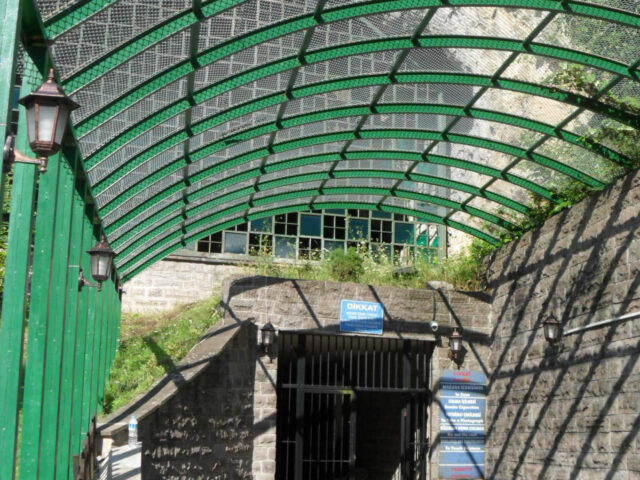
Gökgöl Cave
Gökgöl Cave near Zonguldak: 3,350 m long with an 875…
Karadeniz Ereğli
Karadeniz Ereğli, ancient Herakleia Pontike: the Herakles caves, Ereğli Museum…
Tios
Tios (Tieion) at Filyos, Zonguldak: a 7th-century BC Milesian colony,…
Zonguldak
Zonguldak travel guide: Gökgöl Cave, the Cehennemağzı Caves of Herakles…
