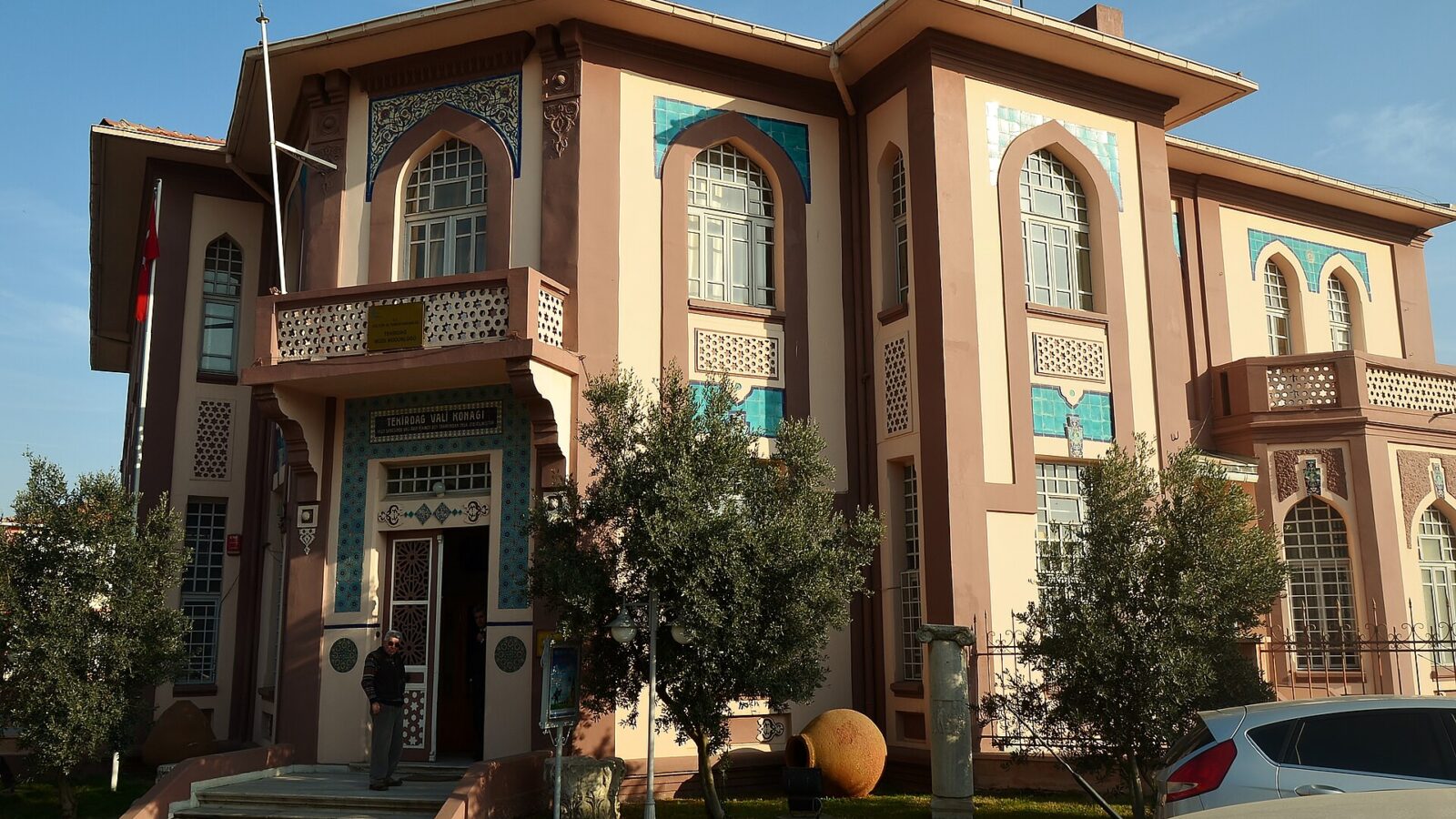
Tekirdağ Archaeology and Ethnography Museum: Thrace from 4500 BC
On this page
- What is Tekirdağ Archaeology and Ethnography Museum?
- How do you get to Tekirdağ Archaeology and Ethnography Museum?
- When is the best time to visit Tekirdağ Archaeology and Ethnography Museum?
- What is the history of Tekirdağ Archaeology and Ethnography Museum?
- What is Tekirdağ Archaeology and Ethnography Museum famous for?
- What can you see at Tekirdağ Archaeology and Ethnography Museum?
- Frequently asked questions about Tekirdağ Archaeology and Ethnography Museum
- What do the official records say about Tekirdağ Archaeology and Ethnography Museum?
Key facts: Tekirdağ Archaeology and Ethnography Museum
- What it is: The provincial museum of Tekirdağ, with halls of archaeology, stone works and ethnography, and an open-air display of Greek, Roman, Byzantine and Ottoman stones in its garden.
- Where: Tekirdağ city centre, in a building used as the governor’s residence in the Republican period.
- Collection: Finds from about 4500 BC to the present, from Tekirdağ and the ancient sites around it.
What is Tekirdağ Archaeology and Ethnography Museum?
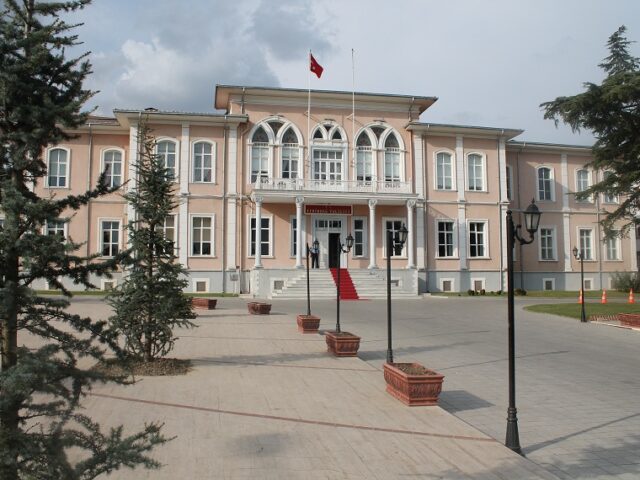
The Tekirdağ Archaeology and Ethnography Museum is the main museum of Tekirdağ province. It occupies a building that served as the Governor’s Mansion (Vali Konağı) in the Republican period, and tells the story of the province from prehistory to the Ottoman era.
Inside are a hall of stone works, a hall of archaeological finds, a hall of ethnographic material and an “old Tekirdağ room”. The large garden is an open-air display of architectural pieces, sarcophagi, gravestones, altars and milestones from the ancient sites of the area, alongside Ottoman inscriptions, fountains and tombstones.
How do you get to Tekirdağ Archaeology and Ethnography Museum?
The museum is in central Tekirdağ, a walk from the seafront, the Rüstem Paşa Mosque and the Rákóczi Museum. Tekirdağ is about 135 km west of Istanbul, around two hours by road; intercity coaches arrive at the city bus station, from where local buses and taxis run to the centre.
Book a Tekirdağ Archaeology and Ethnography Museum tour
−5% Istambul readers save 5% on every tour below — applied at checkout.
Partner listings via GetYourGuide · free cancellation on most
When is the best time to visit Tekirdağ Archaeology and Ethnography Museum?
The museum can be visited all year. State museums in Türkiye commonly close one day a week, so check the current opening days and hours before you go. The garden display is best on a dry day; allow an hour for the halls and the garden together.
What is the history of Tekirdağ Archaeology and Ethnography Museum?
The collection draws on a long sequence of settlement. The city itself began as Bisanthe, a colony of Samos mentioned by Herodotus in connection with events of 430 BC. To the east, Perinthos, founded by Samians around 600 BC and later renamed Herakleia, had a mint under Alexander the Great and, in the Roman period, an imperial temple and its own games. Inland, Apri, founded by the emperor Claudius in AD 46 at today’s Kermeyan near Malkara, was a colony of retired Roman soldiers that grew in importance under Byzantium.
The inventory adds detail on these sites. Xenophon, in the Anabasis, says that the Odrysian king Seuthes I counted Bisanthe among the most beautiful cities on his coast. Pliny wrote that Perinthos was joined to the mainland by a strip of land 200 feet wide. Çorlu, ancient Tzurulum, was one of the Byzantine fortresses on the roads between Constantinople and Europe and passed to the Ottomans in 1361, and Malkara, founded by the Thracians in the 5th century BC, was taken in 1357.
Stones from these and other sites around Tekirdağ, Hellenistic, Roman and Byzantine, are the backbone of the museum’s garden display. The ethnographic halls take the story into the Ottoman and Republican periods, when Tekirdağ was a port town known for its timber houses and Thracian crafts.
What is Tekirdağ Archaeology and Ethnography Museum famous for?
Its open-air garden of ancient stones, and its span: the 2002 inventory notes that the displays run from 4500 BC to the present day, covering the whole history of the Thracian shore of the Marmara in one building.
What can you see at Tekirdağ Archaeology and Ethnography Museum?
The stone works hall, with sculpture and inscribed stones.
The archaeology hall, with finds from prehistoric, Greek, Roman and Byzantine sites in the province.
The ethnography hall, covering local dress, crafts and domestic life. The inventory describes the region’s costume as a meeting of Yörük and Balkan traditions, and lists weaving, basket-making, saddlery and çarık (rawhide sandal) making as the most widespread crafts, with kilim weaving surviving in Karacakılavuz and Ferhadanlı.
The old Tekirdağ room, recreating a room of a traditional town house.
The garden. Hellenistic, Roman and Byzantine architectural fragments, sarcophagi, grave stelae, altars and milestones, together with Ottoman inscriptions, fountains, fountain panels and gravestones.



Frequently asked questions about Tekirdağ Archaeology and Ethnography Museum
What is in the Tekirdağ Museum?
Halls of stone works, archaeology and ethnography, an old Tekirdağ room, and a garden of Hellenistic, Roman, Byzantine and Ottoman stones.
What building houses the Tekirdağ Museum?
A building used as the Governor’s Mansion (Vali Konağı) in the Republican period.
How long do you need at the Tekirdağ Museum?
About an hour for the halls and the garden. It combines well with the Rákóczi Museum and the Rüstem Paşa Mosque.
What period does the collection cover?
From about 4500 BC to the present, according to the 2002 provincial tourism inventory.
What do the official records say about Tekirdağ Archaeology and Ethnography Museum?
The museum, which was used as the Governor’s Mansion in the Republican period, contains a stone works hall, an archaeological works hall, an ethnographic works hall and an old Tekirdağ room. In these halls, historical and cultural assets dating from 4500 BC to the present day are displayed.
In addition, in the museum’s large garden, architectural pieces, sarcophagi, grave stelae, altar stones and milestones of the Hellenistic, Roman and Byzantine periods found in Tekirdağ and the surrounding ancient sites are exhibited in the open, together with Ottoman-period inscriptions, fountains and fountain panels, and tombstones. (Ministry of Culture and Tourism, Tekirdağ Provincial Tourism Inventory, 2002)
Main photo: CeeGee, CC BY-SA 4.0, via Wikimedia Commons.
Ready to see Tekirdağ Archaeology and Ethnography Museum?
Hand-picked tours with good reviews and clear prices.
Partner listings via GetYourGuide · free cancellation on most
Before or after: Istanbul
Most trips start or end in Istanbul. Our own experiences there:
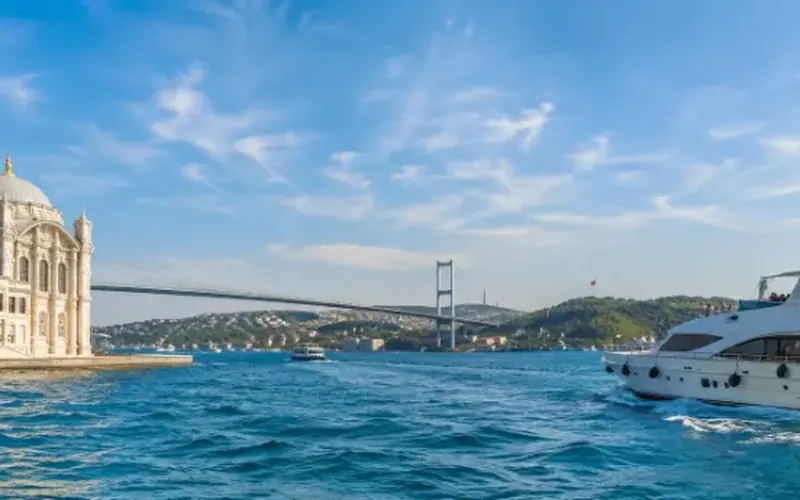
 Dinner, sunset and day cruises between Europe and Asia.See cruises bosporuscruise.com
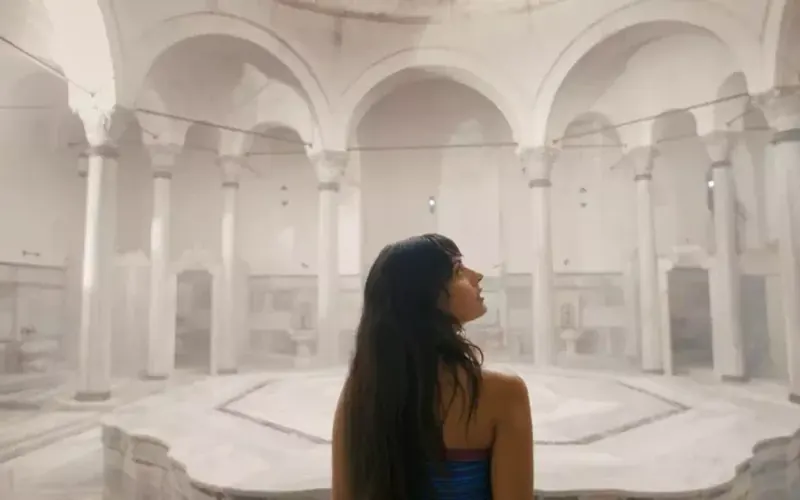
 Historic Turkish baths in the old city — hand-picked hamams, booked direct.Book a hamam istanbulhamam.com
 Istanbul’s tallest viewpoint: both continents from 369 metres.Get tickets camlicatower.com
 Free audio guides in 15 languages, safe routes and local tips — plus 5% off GetYourGuide.Open the free guide localada.com
Nearby
All destinationsŞarköy
Şarköy in Tekirdağ: Mürefte and Hoşköy wineries, the Kutman Wine…
Rákóczi Museum
Rákóczi Museum in Tekirdağ: the house where Francis II Rákóczi…
Rüstem Paşa Mosque
Rüstem Paşa Mosque in Tekirdağ: Mimar Sinan’s 1553 mosque above…
Tekirdağ
Tekirdağ travel guide: Rüstem Paşa Mosque, the Rákóczi Museum, Şarköy…