
Rákóczi Museum: A Hungarian Prince’s Exile in Tekirdağ
On this page
- What is Rákóczi Museum?
- How do you get to Rákóczi Museum?
- When is the best time to visit Rákóczi Museum?
- What is the history of Rákóczi Museum?
- What is Rákóczi Museum famous for?
- What can you see at Rákóczi Museum?
- Frequently asked questions about Rákóczi Museum
- What do the official records say about Rákóczi Museum?
Key facts: Rákóczi Museum
- What it is: A museum in an old Turkish house where Francis II Rákóczi, Prince of Transylvania and leader of the Hungarian war of independence, lived in exile.
- Where: Barbaros Caddesi, Tekirdağ city centre.
- Dates: Rákóczi lived here from 1720 until his death in 1735. The museum, owned by the Hungarian state, opened on 25 September 1982.
What is Rákóczi Museum?
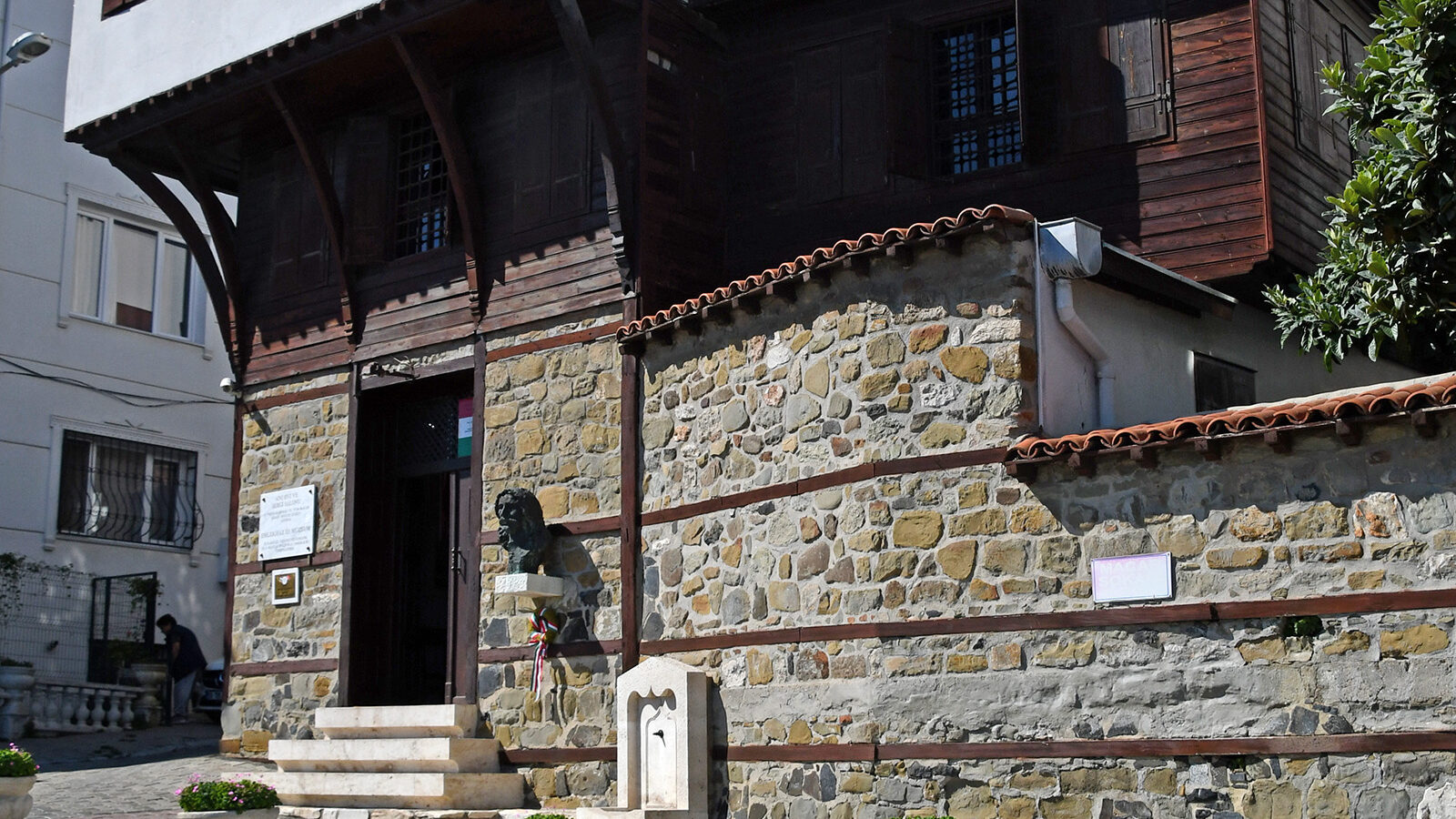
The Rákóczi Museum is an Ottoman-era house in Tekirdağ where Francis II Rákóczi (Rákóczi Ferenc II, 1676–1735) spent the last fifteen years of his life. Rákóczi led the Hungarian uprising of 1703–1711 against Habsburg rule and, after its defeat, found refuge in the Ottoman Empire. The sultan settled him and his followers in Rodosto, as Tekirdağ was then known to Europeans.
The house was arranged as a museum by the Hungarian government in his memory. The building and its contents belong to Hungary, and for Hungarian visitors it is a place of pilgrimage.
How do you get to Rákóczi Museum?
The museum is on Barbaros Caddesi in central Tekirdağ, within walking distance of the seafront and the Rüstem Paşa Mosque. Tekirdağ is about 135 km west of Istanbul, roughly two hours by road; Istanbul Airport is the usual arrival point for international visitors.
Book a Rákóczi Museum tour
−5% Istambul readers save 5% on every tour below — applied at checkout.
Partner listings via GetYourGuide · free cancellation on most
When is the best time to visit Rákóczi Museum?
The museum is open year round, but opening days and hours change, so check locally before you go. Combine it with the Tekirdağ Archaeology and Ethnography Museum and the Rüstem Paşa Mosque for a half-day in the city centre.
What is the history of Rákóczi Museum?
Rákóczi was the leader of the Hungarian war of independence, and after its defeat in 1711 he went into exile, first in Poland and France and then, from 1717, in the Ottoman Empire. In 1720 the Ottoman government settled him with a small court of Hungarian exiles in Rodosto, where he lived until his death on 8 April 1735. One of his companions, Kelemen Mikes, wrote the Letters from Turkey in Rodosto, now a classic of Hungarian literature.
Rákóczi was first buried in Istanbul, and in 1906 his remains were taken to Kassa (today Košice in Slovakia). His house in Tekirdağ, an old Turkish house on Barbaros Caddesi, was arranged as a museum by the Hungarian government and opened to visitors on 25 September 1982.
What is Rákóczi Museum famous for?
For Hungarian visitors it is an important memorial to a national hero, and its displays present it as a symbol of Turkish-Hungarian relations. The 2002 inventory describes Rákóczi as a Hungarian national liberation hero.
What can you see at Rákóczi Museum?
Personal and family items. Objects belonging to Rákóczi and his family.
Turkish-Hungarian displays. Works that, in the inventory’s words, symbolise Turkish-Hungarian relations and the common ground between the two peoples’ folk arts.
The house itself. An example of the traditional town architecture of Tekirdağ. The inventory describes these houses as timber-framed, two or three storeys high, built around an inner hall, with living rooms on the ground floor.
Rodosto and its exiles
Rákóczi’s Rodosto was a busy Ottoman port on the road from Istanbul to the Balkans. The Hungarian exiles lived in houses in the town, and Kelemen Mikes, who outlived the prince, stayed on and wrote many of his letters here. The town’s later history was turbulent: Bulgarian forces occupied it from November 1912 to July 1913, and Greek forces from 20 July 1920 to 13 November 1922, the date Tekirdağ still celebrates as its liberation.
Nearby. The Namık Kemal House, a reconstruction of a traditional Tekirdağ house built in 1993 near the poet’s birthplace, shows a Tekirdağ kitchen, main room and bedroom with local furnishings. Namık Kemal, the 19th-century poet of liberty and homeland, was born in Tekirdağ in 1840, and works by and about him are on display. It opened in 1994.
The Tekirdağ Archaeology and Ethnography Museum and the Rüstem Paşa Mosque are a short walk away, so the three make an easy half-day.



Frequently asked questions about Rákóczi Museum
Who was Rákóczi?
Francis II Rákóczi (1676–1735), Prince of Transylvania, who led the Hungarian uprising of 1703–1711 against the Habsburgs and died in exile in Tekirdağ.
Why did Rákóczi live in Tekirdağ?
After his uprising failed he took refuge in the Ottoman Empire, which settled him and his followers in Rodosto (Tekirdağ) in 1720.
Who owns the Rákóczi Museum?
The Hungarian state. The house was arranged as a museum by the Hungarian government and opened on 25 September 1982.
Is Rákóczi buried in Tekirdağ?
No. He was first buried in Istanbul, and his remains were moved to Kassa (Košice, now in Slovakia) in 1906.
What do the official records say about Rákóczi Museum?
The building on Barbaros Caddesi, an old Turkish house, was arranged as a museum by the Hungarian government in memory of II. Rákóczi Ferenc, Prince of Transylvania and Hungarian national liberation hero, who lived between 1676 and 1735 and spent his last years in Tekirdağ.
The museum, whose ownership together with the personal belongings inside it belongs to the Hungarian government, was opened to visitors on 25 September 1982. Among the works on display are objects that symbolise Turkish-Hungarian relations and the unity of the two nations in folk art, together with the personal belongings of Rákóczi and his family. (Ministry of Culture and Tourism, Tekirdağ Provincial Tourism Inventory, 2002)
Main photo: Pasztilla aka Attila Terbócs, CC BY-SA 4.0, via Wikimedia Commons.
Ready to see Rákóczi Museum?
Hand-picked tours with good reviews and clear prices.
Partner listings via GetYourGuide · free cancellation on most
Before or after: Istanbul
Most trips start or end in Istanbul. Our own experiences there:

 Dinner, sunset and day cruises between Europe and Asia.See cruises bosporuscruise.com

 Historic Turkish baths in the old city — hand-picked hamams, booked direct.Book a hamam istanbulhamam.com

 Istanbul’s tallest viewpoint: both continents from 369 metres.Get tickets camlicatower.com

 Free audio guides in 15 languages, safe routes and local tips — plus 5% off GetYourGuide.Open the free guide localada.com
Nearby
All destinationsRüstem Paşa Mosque
Rüstem Paşa Mosque in Tekirdağ: Mimar Sinan’s 1553 mosque above…
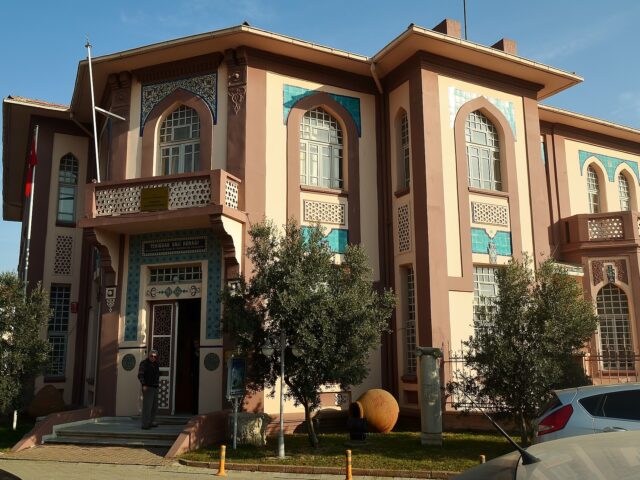
Tekirdağ Archaeology and Ethnography Museum
Tekirdağ Archaeology and Ethnography Museum: finds from 4500 BC on,…
Şarköy
Şarköy in Tekirdağ: Mürefte and Hoşköy wineries, the Kutman Wine…
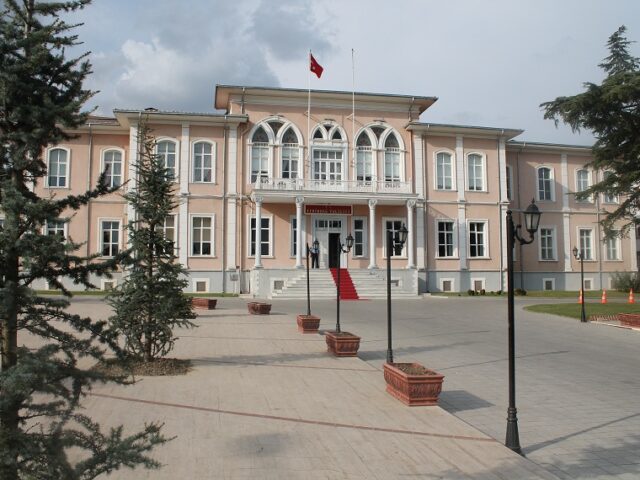
Tekirdağ
Tekirdağ travel guide: Rüstem Paşa Mosque, the Rákóczi Museum, Şarköy…
