Somuncu Baba Complex: Darende’s Sufi Shrine on the Tohma Canyon
On this page
- What is the Somuncu Baba Complex?
- How do you get to the Somuncu Baba Complex?
- When is the best time to visit the Somuncu Baba Complex?
- What is the history of the Somuncu Baba Complex?
- What is the Somuncu Baba Complex famous for?
- What can you see at the Somuncu Baba Complex?
- Frequently asked questions about the Somuncu Baba Complex
- What do the official records say about the Somuncu Baba Complex?
Key facts: Somuncu Baba Complex
- What it is: The tomb mosque of the Sufi master Şeyh Hamid-i Veli, known as Somuncu Baba, with a ruined madrasa, beside the Tohma canyon.
- Where: Old Darende, Darende district, west of Malatya city, Malatya province.
- Period: The present mosque is a 17th-century Ottoman building; Şeyh Hamid-i Veli lived in the late 14th and early 15th centuries.
What is the Somuncu Baba Complex?
The Somuncu Baba Complex in Darende, in the west of Malatya province, is built around the tomb of Şeyh Hamid-i Veli, a Sufi master of the late 14th and early 15th centuries better known as Somuncu Baba, “Father Bread-Seller”. It is one of the most visited places of pilgrimage in eastern Türkiye.
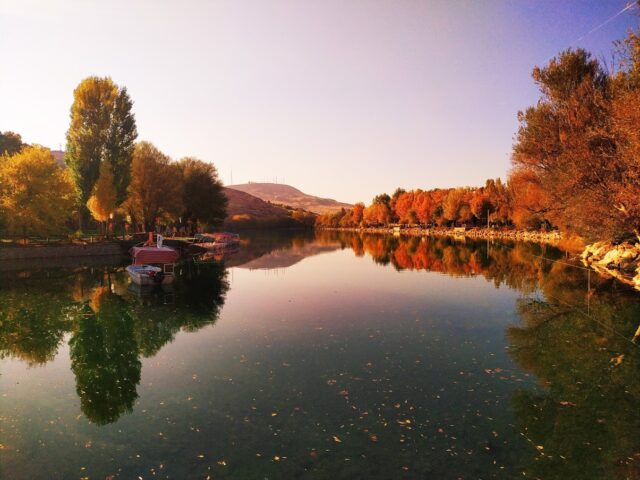
The complex stands at the mouth of the Tohma canyon, where the Tohma river runs between high rock walls through the old part of Darende. A path along the canyon floor, the mosque, the tomb and the old town on the slopes above are the reasons to come.
How do you get to the Somuncu Baba Complex?
Darende is west of Malatya city, roughly an hour and a half by road. Intercity minibuses run from Malatya. The nearest airport is Malatya Erhaç (MLX), west of Malatya city. The complex is in old Darende (Eski Darende), a short walk from the town centre.
Tours in Mount Nemrut
−5% Istambul readers save 5% on every tour below — applied at checkout.
Partner listings via GetYourGuide · free cancellation on most
When is the best time to visit the Somuncu Baba Complex?
Late spring to early autumn, when the canyon path is pleasant and the river is low enough to walk beside. Weekends and religious holidays bring large numbers of pilgrims, so a weekday is quieter. As at any working mosque, dress modestly and avoid prayer times.
What is the history of the Somuncu Baba Complex?
According to tradition, Şeyh Hamid-i Veli was born in Kayseri and settled in Bursa, the early Ottoman capital, where he baked bread and sold it in the streets, hence the name Somuncu, from somun, a round loaf. Tradition has him give the first sermon at the opening of Bursa’s Great Mosque around 1400, and he is remembered as the teacher of Hacı Bayram Veli, founder of the Bayrami order. Late in life he left Bursa, and he died and was buried in Darende.
The 2002 inventory describes the present mosque as an Ottoman work of the 17th century. Its square prayer hall is covered by a single dome, carried inside on squinches and outside on a hexagonal drum. Inside the mosque are the cenotaphs of Şeyh Hamid-i Veli and his son Halid Tayyib. Between the minaret and the mosque, on the old foundations, is an L-shaped two-storey madrasa whose upper floor has completely collapsed. The section in front of the mosque was added by Abidin Pasha.
Old Darende was a market town as well as a shrine. The inventory describes its bedesten, the covered market, as a rectangular building of two sections, with six shops facing each other in the first and nine in the second.
Today the complex is a busy pilgrimage centre, and the newer town of Darende has grown up around and below it.
What is the Somuncu Baba Complex famous for?
- Somuncu Baba, a figure linked with the early Ottoman city of Bursa and the teacher of Hacı Bayram Veli.
- The Tohma canyon, with high rock walls and a walking path just below the complex.
- Pilgrimage. Visitors come from across Türkiye to pray at the tomb.
- Old Darende, an Ottoman market town of stone houses on the slopes above the river, with a two-section covered bazaar.
- Günpınar waterfall, a short drive west, often visited on the same trip.
What can you see at the Somuncu Baba Complex?
The mosque and tomb. A single-domed Ottoman mosque with one minaret, holding the cenotaphs of Şeyh Hamid-i Veli and Halid Tayyib.
The madrasa remains. The L-shaped madrasa between the mosque and the minaret, with its lower floor standing.
The Tohma canyon. Below the complex the Tohma river runs through a narrow gorge. Walk along the canyon for views of the rock walls and the old town above.
Günpınar waterfall. The inventory places it 10 km west of Darende: the Günpınar stream, soon after its source, falls from a considerable height between rocks into a wooded valley that has been laid out for visitors.
Old Darende. The stone houses on the slopes above the canyon, and the two-section bedesten described in the inventory. The provincial culture directorate has published a virtual tour of Darende, useful for planning a walk.



Frequently asked questions about the Somuncu Baba Complex
Who was Somuncu Baba?
Şeyh Hamid-i Veli, a Sufi master of the late 14th and early 15th centuries. Tradition says he sold bread (somun) in Bursa and taught Hacı Bayram Veli.
Where is Somuncu Baba buried?
In Darende, Malatya province, inside the 17th-century mosque that bears his name, beside the cenotaph of his son Halid Tayyib.
How do you get to Darende from Malatya?
By car or intercity minibus west from Malatya city, roughly an hour and a half by road.
What is there to do near Somuncu Baba?
Walk the Tohma canyon below the complex and visit the Günpınar waterfall, 10 km west of Darende.
What do the official records say about the Somuncu Baba Complex?
It is in the old Darende part of Darende district. Its main space is square and covered with a single dome. The dome rests on squinches inside and on a hexagonal drum outside. Inside the mosque are the sarcophagi of Şeyh Hamid-i Veli and his son Halid Tayyib, and between the minaret and the mosque, on the foundations, stands an L-shaped two-storey madrasa. The second floor has completely collapsed, and the section in front of the mosque was built by Abidin Pasha. The single-minaret mosque is an Ottoman work built in the 17th century.
Günpınar Waterfall is 10 km west of Darende district; after the Günpınar stream leaves its source, it falls from a considerable height between the rocks. The surroundings of the valley through which the waterfall flows are covered with trees and have been landscaped. (Ministry of Culture and Tourism, Malatya Provincial Tourism Inventory, 2002)
Ready to see Somuncu Baba Complex?
Hand-picked tours with good reviews and clear prices.
Partner listings via GetYourGuide · free cancellation on most
Before or after: Istanbul
Most trips start or end in Istanbul. Our own experiences there:
 Dinner, sunset and day cruises between Europe and Asia.See cruises bosporuscruise.com
 Historic Turkish baths in the old city — hand-picked hamams, booked direct.Book a hamam istanbulhamam.com
 Istanbul’s tallest viewpoint: both continents from 369 metres.Get tickets camlicatower.com
 Free audio guides in 15 languages, safe routes and local tips — plus 5% off GetYourGuide.Open the free guide localada.com
Nearby
All destinationsArslantepe Mound
Arslantepe Mound near Malatya: UNESCO-listed in 2021, with a palace…
Battalgazi (Eski Malatya)
Battalgazi (Eski Malatya), old Melitene: the Seljuk Great Mosque of…
Malatya
Malatya travel guide: UNESCO-listed Arslantepe, Battalgazi's Seljuk mosque, Darende, Mount…
Trabzon
Trabzon travel guide: Sumela Monastery, the Hagia Sophia of Trebizond,…