
Germiyan Street: Old Kütahya Houses and the Kossuth House
On this page
- What is Germiyan Street?
- How do you get to Germiyan Street?
- When is the best time to visit Germiyan Street?
- What is the history of Germiyan Street?
- What is Germiyan Street famous for?
- What can you see at Germiyan Street?
- Frequently asked questions about Germiyan Street
- What do the official records say about Germiyan Street?
Key facts: Germiyan Street
- What it is: The best-preserved street of traditional 18th-century Kütahya houses, in the old town that also holds the Kossuth House museum.
- Where: Pirler Mahallesi, central Kütahya.
- Period: Houses mainly of the 18th century; façades restored under the Architectural Heritage Conservation Project.
What is Germiyan Street?
Germiyan Street (Germiyan Sokak, also called Germiyan Caddesi) is a street in the Pirler quarter of central Kütahya where 18th-century Kütahya houses are preserved as a group. The 2002 provincial inventory calls it the finest example of the historic urban fabric of Kütahya and the core of the city’s settlement.
The houses are two or three storeys high and built of timber. Their upper floors project over the street on wooden brackets, and they have pairs of large double doors and latticed windows: in the words of the inventory, fine examples of timber Anatolian architecture. Their façades were restored under the Architectural Heritage Conservation Project.
The street takes its name from the Germiyanids, the Turkish dynasty that made Kütahya its capital in the 14th century.
How do you get to Germiyan Street?
Germiyan Street is in the centre of Kütahya, within walking distance of the Great Mosque, the Kütahya Tile Museum and the path up to Kütahya Castle. It is best explored on foot as part of a walk through the old town. Kütahya’s bus and train stations are a short taxi ride away.
Tours in Anatolia
−5% Istambul readers save 5% on every tour below — applied at checkout.
Partner listings via GetYourGuide · free cancellation on most
When is the best time to visit Germiyan Street?
Any time of year, as it is a city street. Late afternoon light suits the timber façades best. Combine it with the castle at sunset and the Tile Museum in the morning for a full day in the city. Check the Kossuth House’s opening hours before you go.
What is the history of Germiyan Street?
Kütahya’s old houses grew up below the castle around the mosques and madrasas built by the Germiyanids and Ottomans. Most of the houses that survive on Germiyan Street date from the 18th century, when the city was the seat of the Ottoman province of Anatolia.
The Kossuth House, on Macar Sokak (Hungarian Street) in the Börekçiler quarter of the old town, is also an 18th-century Kütahya house: two storeys and seven rooms in a garden, known locally as the Macar Evi (Hungarian House). According to the inventory, the Hungarian national hero Lajos Kossuth (1802–1894) and his family lived here in 1850–1851. Kossuth had sought refuge in the Ottoman Empire after the Hungarian independence movement was suppressed by Austria and Russia, and the Ottoman government held him at Kütahya before he left for the West; a group of 56 refugees stayed with him, and he drafted a constitutional proposal for Hungary in the house. The Ministry of Culture and Tourism restored it and opened it as a museum on 19 September 1982 (Kütahya Culture and Tourism Directorate).
What is Germiyan Street famous for?
- Traditional Kütahya houses with projecting upper floors, double doors and latticed windows.
- The Kossuth House, a museum to the Hungarian leader who lived in exile here.
- The heart of old Kütahya, close to the Great Mosque, the Tile Museum and the castle.
What can you see at Germiyan Street?
The house façades. Look up at the projecting upper storeys resting on wooden brackets, the paired double doors at street level and the latticed windows that gave privacy to the rooms behind them.
The Kossuth House Museum. A short walk away on Macar Sokak, the 18th-century house where Lajos Kossuth and his family lived in 1850–1851, with his personal belongings and the furnishings of a traditional Turkish house.
The wider old town. The Great Mosque, the Vacidiye Madrasa with the Archaeological Museum, the Tile Museum and the climb to the castle are all close by. The Tile Museum shows Kütahya and İznik ceramics in a Germiyanid imaret of 1411–1412. The Old Government House, built between 1908 and 1911, has a tiled masjid and tiled chimneys in the governor’s room.



Frequently asked questions about Germiyan Street
What is Germiyan Street in Kütahya?
A street in the Pirler quarter where 18th-century two- and three-storey timber Kütahya houses are preserved as a group.
Who lived in the Kossuth House?
The Hungarian leader Lajos Kossuth and his family, in exile in 1850–1851. The house is now a museum.
Is Germiyan Street near the Tile Museum?
Yes. Both are in central Kütahya, within walking distance of the Great Mosque and the castle path.
Why is it called Germiyan Street?
After the Germiyanids, the Turkish dynasty that made Kütahya its capital in the 14th century.
What do the official records say about Germiyan Street?
Germiyan Street, in the Pirler quarter of the centre, where 18th-century Kütahya houses are preserved as a group, is the finest example of the historic urban fabric in Kütahya. The Kütahya houses on Germiyan Street are two- or three-storey timber houses. With their projections supported on brackets, their pairs of great double doors and their latticed windows, they form fine examples of timber Anatolian architecture. The façades of these houses, which are the core of Kütahya’s urban settlement, have been restored within the framework of the Architectural Heritage Conservation Project.
The Kossuth House Museum, on Macar Sokak, is an 18th-century Kütahya house, in which the Hungarian national hero Lajos Kossuth and his family lived in 1850–1851. Kossuth, who lived from 1802 to 1894, took refuge in the Ottoman Empire when the Hungarian independence movement was suppressed by Austria and Russia. (Ministry of Culture and Tourism, Kütahya Provincial Tourism Inventory, 2002)
Ready to see Germiyan Street?
Hand-picked tours with good reviews and clear prices.
Partner listings via GetYourGuide · free cancellation on most
Before or after: Istanbul
Most trips start or end in Istanbul. Our own experiences there:

 Dinner, sunset and day cruises between Europe and Asia.See cruises bosporuscruise.com

 Historic Turkish baths in the old city — hand-picked hamams, booked direct.Book a hamam istanbulhamam.com

 Istanbul’s tallest viewpoint: both continents from 369 metres.Get tickets camlicatower.com

 Free audio guides in 15 languages, safe routes and local tips — plus 5% off GetYourGuide.Open the free guide localada.com
Nearby
All destinations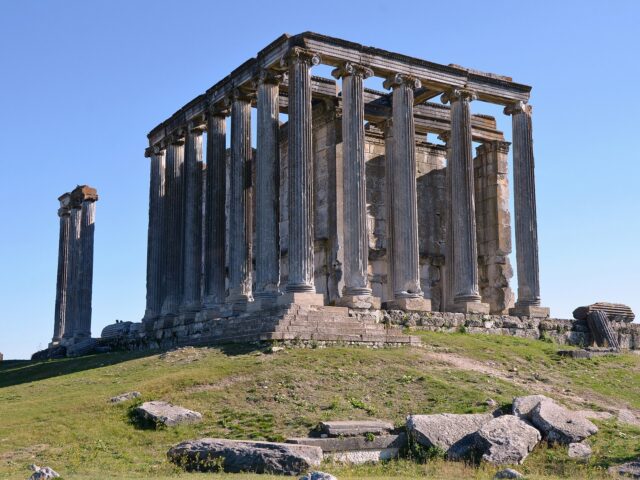
Aizanoi
Aizanoi ancient city at Çavdarhisar, Kütahya: the Temple of Zeus,…
Kütahya Tile Museum
Kütahya Tile Museum: tiles and ceramics in the 1411–1412 imaret…
Kütahya Castle
Kütahya Castle on Hisar Tepesi: a 70-tower fortress with Roman,…
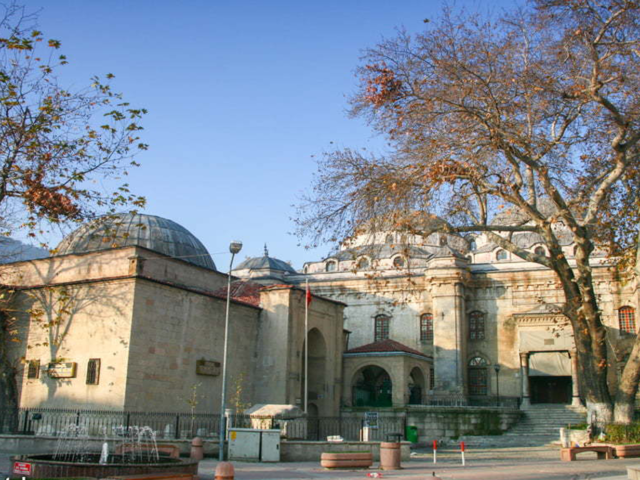
Kütahya
Kütahya travel guide: the Roman city of Aizanoi, hand-painted tiles,…
