
Amisos Hill: Hellenistic Tombs Above Samsun Bay
On this page
Key facts: Amisos Hill
- What it is: The headland of ancient Amisos, the Greek and Roman city that preceded Samsun, with Hellenistic burial mounds (tumuli) and a cable car.
- Where: On the coast northwest of Samsun city centre, above Batıpark, İlkadım/Atakum, Samsun province.
- Period: City founded by settlers from Miletus around 760–750 BC; tombs dated between 300 and 30 BC.
What is Amisos Hill?
Amisos Hill (Amisos Tepesi) is the headland on which the ancient city of Amisos stood, northwest of the modern centre of Samsun. Today it is a park with sea views, reached by a short cable car from the seafront, and its main sights are Hellenistic tumuli: earth mounds raised over stone burial chambers, some of which you can enter.
It is the best place in the city to understand that Samsun was a Greek, Pontic and Roman port long before it was a Turkish one.
How do you get to Amisos Hill?
The easiest way up is the Amisos Hill cable car (teleferik), a 320 m gondola line that runs from Batıpark on the western seafront to the archaeological area on the hill. Batıpark is a short taxi ride or walk west of the city centre, along the coast road towards Atakum.
You can also drive or take a taxi to the top through the residential streets on the landward side.
Book an Amisos Hill tour
−5% Istambul readers save 5% on every tour below — applied at checkout.
Partner listings via GetYourGuide · free cancellation on most
When is the best time to visit Amisos Hill?
Late afternoon on a clear day is best, when the light falls across the bay and the city. Spring to early autumn is the most pleasant season; in winter the headland is exposed to the wind off the Black Sea. The cable car is popular with local families at weekends, so weekday visits are calmer.
What is the history of Amisos Hill?
Amisos was founded by Ionian Greek settlers from Miletus around 760–750 BC. Athenian settlers later arrived and for a time called the city Peiraieos. From the 3rd century BC it was controlled by Mithridates I, founder of the Kingdom of Pontus, and it became one of the main cities of the Pontic kings; the treasure found in the city may have belonged to one of them. On the wider history of this dynasty, see our guide to the Kingdom of Pontus.
Rome took Amisos in 71 BC during the Third Mithridatic War, and around 46 BC it became the capital of Roman Pontus. Around AD 150 it had an estimated 20,000–25,000 inhabitants. In late antiquity it belonged to the diocese of Pontus and later to the Armeniac theme of the Byzantine Empire.
The tumuli on the hill contain tombs dated between 300 and 30 BC, the period of the Pontic kingdom. One of the mounds, Toraman Tepe, was largely levelled in the 20th century when a radar base was built on the hill.
What is Amisos Hill famous for?
- The tumuli. Hellenistic burial mounds with stone chambers, the most visible remains of ancient Amisos.
- The cable car. A short ride with views over the bay and the seafront parks.
- The view. The whole sweep of the bay, from Atakum to the port.
What can you see at Amisos Hill?
The burial mounds. Walk among the tumuli and look into the restored burial chambers. They are small, built of cut stone, and give a sense of how Amisos’s elite were buried in the last centuries BC.
The bay. From the hilltop terraces the view runs along the coast in both directions; on a clear day you can follow the shoreline towards the Kızılırmak and Yeşilırmak deltas.
Batıpark. The cable car’s lower station is in Batıpark, a large seafront park built on land reclaimed from the sea.
The seafront below. From the lower station you can walk east along the promenade towards the city centre, past the parks that line the coast, or west towards Atakum’s beaches and cafés.
Finds in the museum. Many of the objects from Amisos are in the Samsun Museum in the city, which displays mosaics and finds from the ancient city and Hellenistic jewellery. Visit it to complete the picture. The museum building, inspired by the shape of Black Sea waves, covers about 15,000 m² and is described by the provincial directorate as the largest museum in the Black Sea region; it shows around 7,000 objects from the Classical, Hellenistic, Roman, East Roman, Seljuk and Ottoman periods, including a bronze athlete statue.
Planning a half-day in ancient Samsun
Start at the Samsun Museum to see what came out of the ground, then take the cable car from Batıpark up to the tumuli, and finish with the view at sunset. If you have more time, continue to the Gazi Museum and the Bandırma replica for the city’s 20th-century story, or drive 52 km west to Bafra, where the Bafra Museum holds finds from the prehistoric mound of İkiztepe.



Frequently asked questions about Amisos Hill
What is Amisos?
The ancient Greek city on the site of Samsun, founded by settlers from Miletus around 760–750 BC and later a major city of the Kingdom of Pontus and Roman Pontus.
How do you get up Amisos Hill?
Take the 320 m cable car from Batıpark on the western seafront, or drive or take a taxi to the top.
How old are the tombs on Amisos Hill?
The tumuli contain tombs dated between 300 and 30 BC, the period of the Pontic kings.
Where are the finds from Amisos displayed?
In the Samsun Museum in the city, which shows mosaics and finds from ancient Amisos and Hellenistic jewellery.
What do the official records say about Amisos Hill?
The 2002 inventory does not describe the hill on its own; it frames Samsun’s antiquity in a single line: settled life began here around 5000 BC, and from the Early Bronze Age to the Kaska, from the Hittites to the Ionians, the Persians, Rome, Byzantium and Islamic civilisation, a long mosaic of history and culture took shape.
It also notes that the Archaeology and Ethnography Museum, which opened in 1981 next to the Atatürk Museum, displayed works of the Chalcolithic, Early Bronze Age, Hittite, Hellenistic and Roman periods found in Samsun and its surroundings, along with ethnographic objects. (Ministry of Culture and Tourism, Samsun Provincial Tourism Inventory, 2002)
Ready to see Amisos Hill?
Hand-picked tours with good reviews and clear prices.
Partner listings via GetYourGuide · free cancellation on most
Before or after: Istanbul
Most trips start or end in Istanbul. Our own experiences there:

 Dinner, sunset and day cruises between Europe and Asia.See cruises bosporuscruise.com

 Historic Turkish baths in the old city — hand-picked hamams, booked direct.Book a hamam istanbulhamam.com

 Istanbul’s tallest viewpoint: both continents from 369 metres.Get tickets camlicatower.com

 Free audio guides in 15 languages, safe routes and local tips — plus 5% off GetYourGuide.Open the free guide localada.com
Nearby
All destinations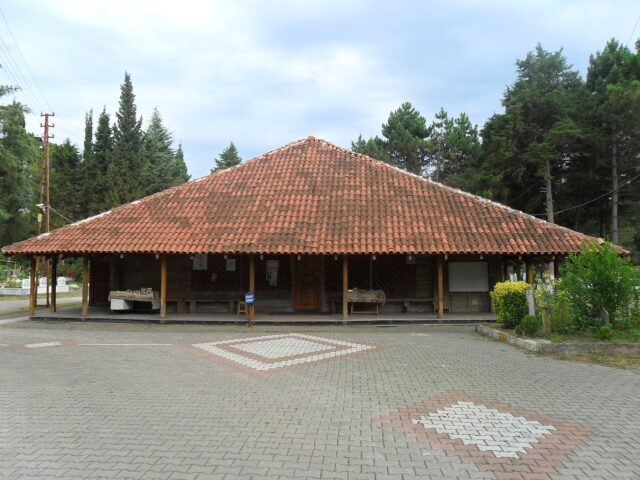
Göğceli Mosque
Göğceli Mosque in Çarşamba, Samsun: a timber mosque dated to…
Bandırma Ship Museum
Bandırma Ship Museum in Samsun: the replica of the steamer…
Kızılırmak Delta
Kızılırmak Delta near Bafra: a Ramsar wetland with over 300…
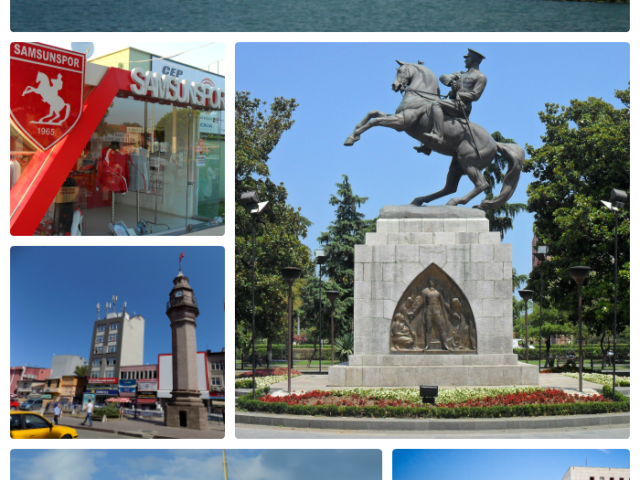
Samsun
Samsun travel guide: the 1919 Bandırma landing, Kızılırmak Delta birdwatching,…
