
Kuşcenneti National Park: The Bird Paradise of Lake Manyas
On this page
- What is Kuşcenneti National Park?
- How do you get to Kuşcenneti National Park?
- When is the best time to visit Kuşcenneti National Park?
- What is the history of Kuşcenneti National Park?
- What is Kuşcenneti National Park famous for?
- What can you see at Kuşcenneti National Park?
- Frequently asked questions about Kuşcenneti National Park
- What do the official records say about Kuşcenneti National Park?
Key facts: Kuşcenneti National Park
- What it is: A national park and bird sanctuary on Lake Manyas (Kuş Gölü), established on 31 August 1959; a Ramsar wetland and holder of the Council of Europe’s European Diploma since 1976.
- Where: Northeastern shore of Kuş Gölü, Bandırma district, Balıkesir, about 18 km south of Bandırma.
- Birds: 239 species recorded; the 2002 inventory puts the number of birds passing through each year at 2–3 million.
What is Kuşcenneti National Park?
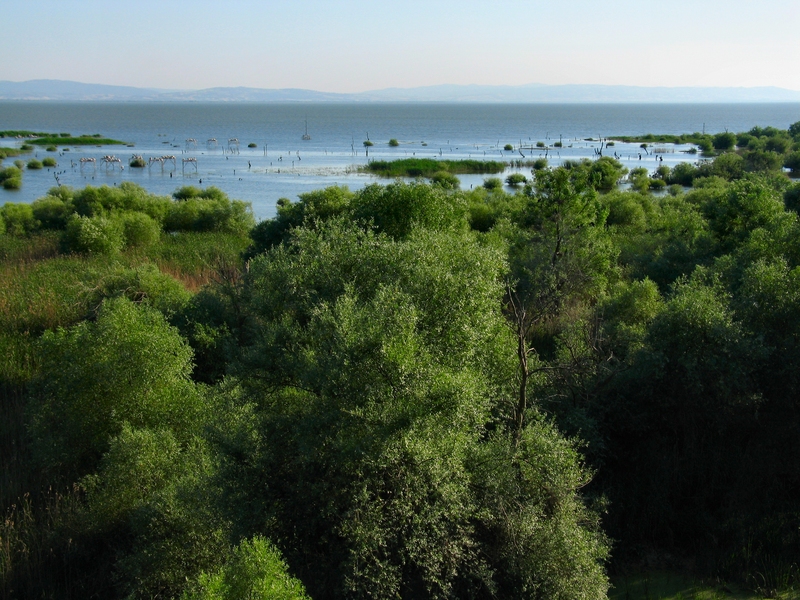
Kuşcenneti, “bird paradise”, is a small national park on the northeastern shore of Kuş Gölü, the lake also known as Lake Manyas, south of Bandırma. A willow grove and reed beds at the water’s edge flood every spring and become nesting grounds for migrating waterbirds, while many more stop here on migration between Europe and Asia.
The park has a small museum and administration building and an observation tower, and it is one of Türkiye’s best-known birdwatching sites. Scientific research inside the park needs the permission of the park administration. Bring binoculars if you have them, and a hat in summer: there is little shade on the tower.
How do you get to Kuşcenneti National Park?
From Bandırma, take the Balıkesir road south; the provincial directorate gives the turn-off at kilometre 15, followed by 3 km of side road to the park (Balıkesir Culture and Tourism Directorate). Bandırma is reached by İDO ferry from Istanbul, by train from İzmir, or by coach. There is no regular public transport to the gate, so come by car or taxi.
The park has no accommodation or food service. Pensions in Sığırcıatik village, about a kilometre away, and hotels in Bandırma, Erdek and Gönen are the nearest places to stay.
A car makes it easy to combine the park with Daskyleion on the other side of the lake and the Bandırma Archaeology Museum in one day, or to continue to Gönen’s thermal springs, which the inventory notes were used in Roman and Byzantine times.
Book a Kuşcenneti National Park tour
−5% Istambul readers save 5% on every tour below — applied at checkout.
Partner listings via GetYourGuide · free cancellation on most
When is the best time to visit Kuşcenneti National Park?
The 2002 inventory gives the interesting periods of bird life as March to July, for nesting, and September to October, for the autumn migration. Towards the end of winter the lake rises and floods the willows, which is when the nesting season begins. Early morning and late afternoon are the best times on the tower. In high summer, activity is lower and the heat haze makes viewing harder.
What is the history of Kuşcenneti National Park?
The sanctuary was declared a national park on 31 August 1959. Its importance was recognised internationally in 1976, when the Council of Europe awarded it a Class A European Diploma for the richness of its birdlife and the success of its protection; the diploma was renewed in 1981, 1986, 1991 and 1996. Kuş Gölü is also listed under the Ramsar Convention as a wetland of international importance for waterbirds.
The 2002 inventory records that the observation tower was rebuilt in 2001: 17.5 metres high, with room for 40 people on its platform. The 2002 inventory also lists the International Kuşcenneti Culture and Tourism Festival, held in Bandırma in the first week of June.
What is Kuşcenneti National Park famous for?
- Nesting birds in the flooded willow grove each spring.
- Migration: from spoonbills and egrets to cormorants, reed warblers, swans, geese and ducks, birds that breed, winter or stop over here.
- Its European Diploma, one of the earliest awarded to a site in Türkiye.
What can you see at Kuşcenneti National Park?
The observation tower. From the top you look over the reed beds, the willow grove and a wide stretch of the lake. Binoculars can be borrowed at the tower, according to the provincial directorate.
The museum and visitor centre. Displays on the birds and on the park, a useful introduction before going up the tower.
The nesting grove. In spring the willows stand in water and are packed with nests; the tower and the paths let you watch without disturbing them.
Daskyleion. On Hisartepe, within the village of Ergili southeast of the lake, lies the seat of the Persian satraps of Hellespontine Phrygia. The Balıkesir Culture and Tourism Directorate describes it as the only excavated Persian satrapal centre in the world. Kurt Bittel identified the site in 1952, Ekrem Akurgal excavated from 1954 to 1959, Tomris Bakır resumed work from 1988 to 2008, and Kaan İren took over in 2009 (Balıkesir Culture and Tourism Directorate).
Bandırma Archaeology Museum. Finds from Daskyleion and Kyzikos, including Persian-style grave stelae with palmette decoration, Phrygian inscriptions and Persian-influenced pottery.
Kyzikos and Erdek. The ruins of Kyzikos on the Kapıdağ Peninsula and the beaches of Erdek are a short drive north of Bandırma.



Frequently asked questions about Kuşcenneti National Park
Where is Kuşcenneti National Park?
On the northeastern shore of Kuş Gölü (Lake Manyas) in Bandırma district, Balıkesir, about 18 km south of Bandırma.
When is the best time to see birds at Kuşcenneti?
March to July for the nesting colonies and September to October for the autumn migration.
Is there food or accommodation in the park?
No. Stay in pensions in nearby Sığırcıatik village or in hotels in Bandırma, Erdek or Gönen.
How many bird species live at Kuşcenneti?
Some 239 species have been recorded, including pelicans, spoonbills, herons and cormorants.
Can you get to Kuşcenneti from Istanbul in a day?
It is possible but long: take the İDO ferry to Bandırma, about two and a half hours, then a taxi or car to the park.
What do the official records say about Kuşcenneti National Park?
The feeding, safety and shelter provided by the lake waters, the willow grove and the reed beds, together with the favourable climate, draw the great bird migrations between Europe and Asia to this small (64-hectare) corner of the country and have made the area internationally known.
From spoonbills to herons, from night herons to cormorants, from reed warblers to pelicans, and from swans to geese and ducks, 2–3 million birds of 239 species that breed, winter or stop over during migration visit here every year. Kuşcenneti National Park holds a special place, different from the other national parks in our country. (Ministry of Culture and Tourism, Balıkesir Provincial Tourism Inventory, 2002)
Main photo: Unknown author, CC BY-SA 2.5, via Wikimedia Commons.
Ready to see Kuşcenneti National Park?
Hand-picked tours with good reviews and clear prices.
Partner listings via GetYourGuide · free cancellation on most
Before or after: Istanbul
Most trips start or end in Istanbul. Our own experiences there:

 Dinner, sunset and day cruises between Europe and Asia.See cruises bosporuscruise.com

 Historic Turkish baths in the old city — hand-picked hamams, booked direct.Book a hamam istanbulhamam.com

 Istanbul’s tallest viewpoint: both continents from 369 metres.Get tickets camlicatower.com

 Free audio guides in 15 languages, safe routes and local tips — plus 5% off GetYourGuide.Open the free guide localada.com
Nearby
All destinations
Antandros
Antandros at Altınoluk: the Mount Ida shipbuilding city of Herodotus…
Kazdağı National Park
Kazdağı National Park on Mount Ida above the Gulf of…
Ayvalık
Ayvalık guide: stone houses and olive-oil factories, the Taksiyarhis Church…
Cunda Island
Cunda Island (Alibey Adası) off Ayvalık: harbour fish restaurants, Cretan…
